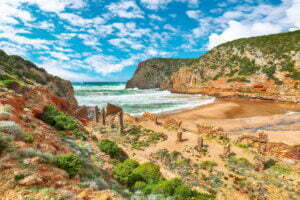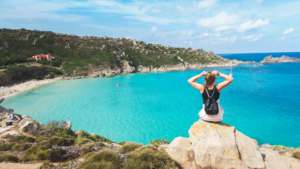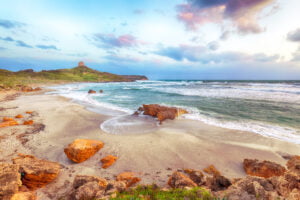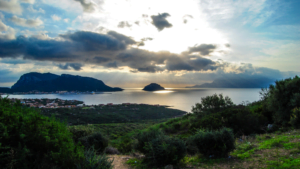
Serpentara island lies 4 kilometres southeast of Villasimius, off the southeastern tip of Sardinia, and it is one of the most pristine and strictly protected marine destinations in the Mediterranean. Uninhabited, privately owned, and enclosed within the Capo Carbonara Marine Protected Area, it can only be reached by sea, making every visit a deliberate, organised experience rather than a casual drop-in. This guide covers everything you need to plan your trip: what to see, how to get there, which tours to book, and where to sleep nearby.
What is Serpentara Island?
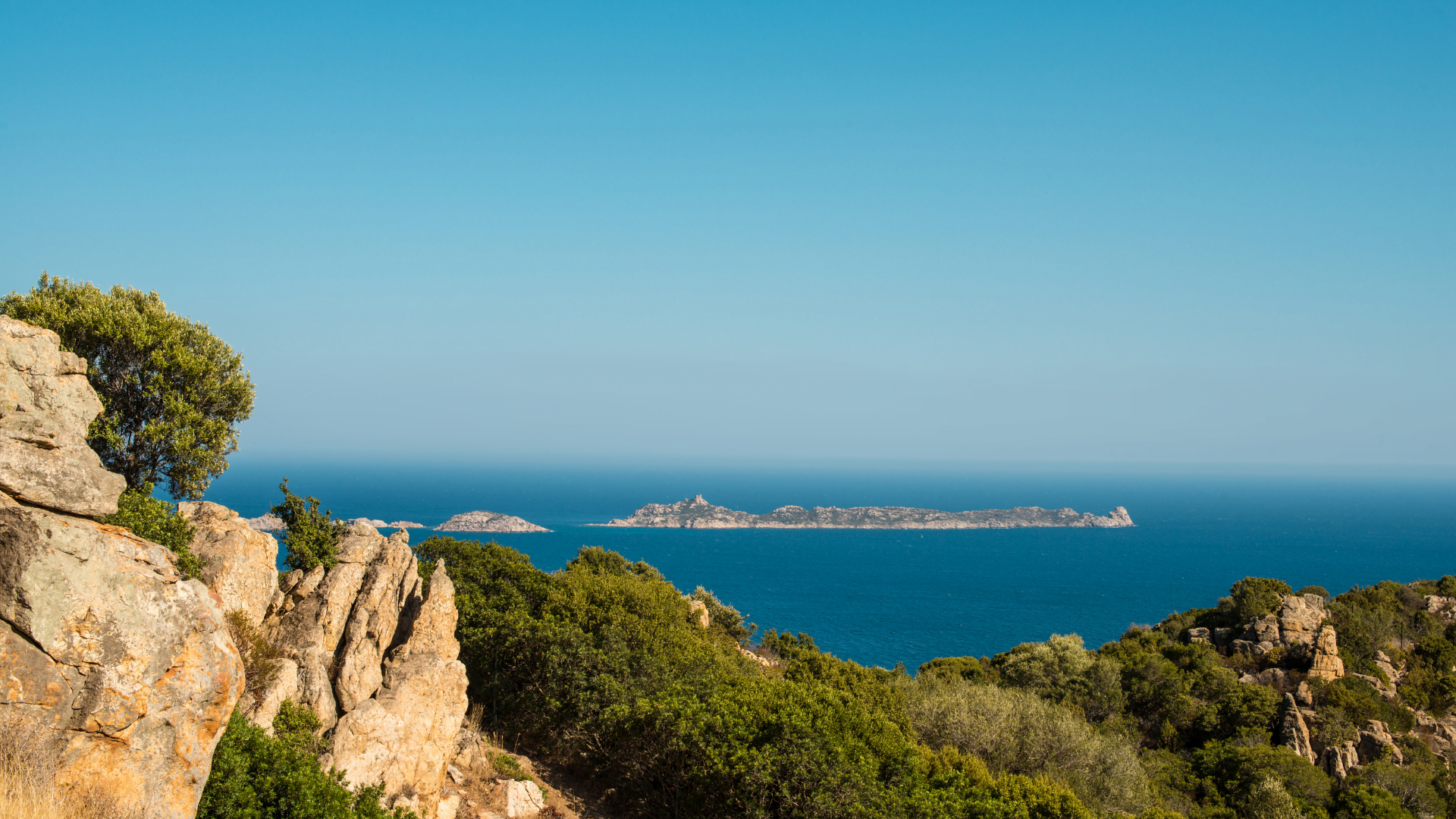
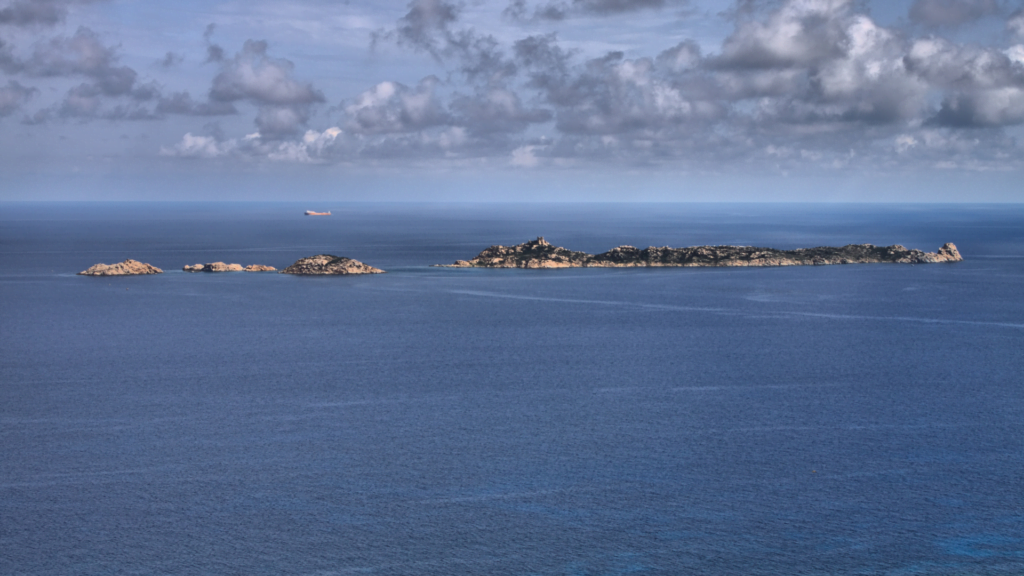
Serpentara is a small granite island whose elongated, sinuous outline recalls the shape of a snake, which is most likely the origin of its name (“serpentara” in Sardinian and Italian refers to a place inhabited by serpents, or a snake-like formation). Its key facts at a glance:
- Surface area: 134 hectares
- Maximum elevation: approximately 50 metres above sea level
- Distance from Villasimius: 4 kilometres southeast
- Status: uninhabited, privately owned
- Protection: part of the AMP Capo Carbonara (Marine Protected Area) and designated Site of Community Interest (SCI) under EU Habitats Directive
- Access point: Caletta d’Approdo, on the northwestern side
Because the island falls within the AMP, navigation, diving, fishing, and even approach distances are subject to specific regulations. The protected area is divided into zones (A, B, and C), with Zone A around the most sensitive habitats being fully off-limits. In practice this means you cannot approach certain stretches of coastline by boat and cannot anchor freely: all organised excursions operate under a permit and know exactly where stops are authorised.
Where is Serpentara Located
Serpentara is a small island located 4 km southeast of Sardinia, Italy. It has a surface area of 134 hectares and is uninhabited, administratively dependent on the municipality of Villasimius.
How to get to Serpentara Island
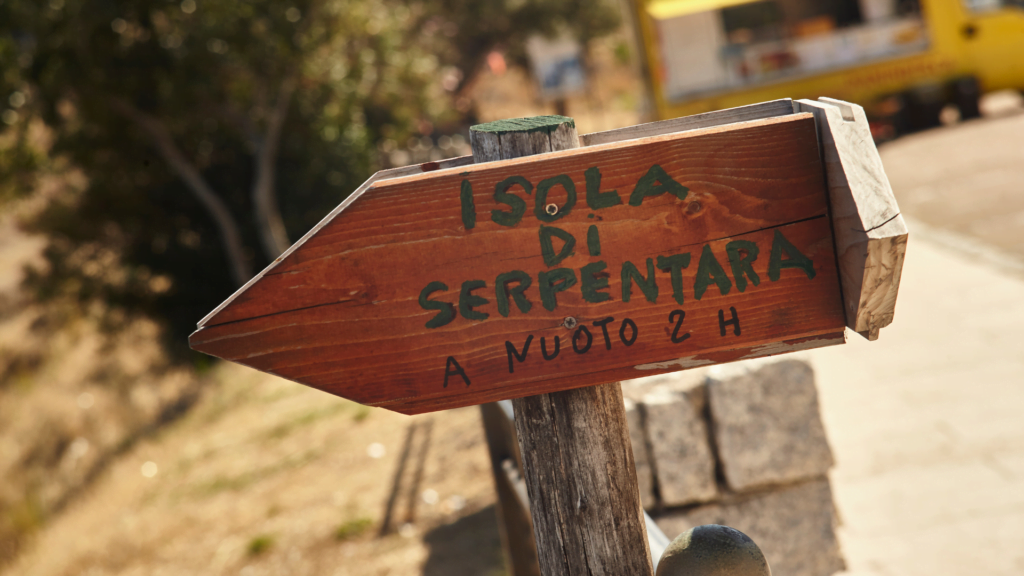
There is no ferry service and no public transport to Serpentara. The island is accessible exclusively by sea, departing from the port of Villasimius, roughly a 15-minute boat ride away.
You have two practical options.
Organised excursion – This is the recommended approach for most visitors. Local operators run daily departures throughout summer (June to September), and some continue into spring and early autumn. Excursions typically combine Serpentara with the nearby Isola dei Cavoli and other coves in the Capo Carbonara area. Prices start from around €40-50 per person for a shared group tour. Booking in advance is essential in July and August, especially for smaller vessels.
Private boat or yacht – If you have access to a private vessel, you can navigate to Serpentara independently, but you must comply fully with AMP regulations. The only designated landing point is Caletta d’Approdo on the northwestern side. Not all areas allow anchoring, and certain zones prohibit motor vessels entirely.
A canoe or kayak is technically possible from certain beaches near Villasimius for experienced paddlers, but the open-water crossing deserves respect: the Maestrale wind can pick up quickly and conditions can change fast, even in summer.
What to see on Serpentara
The Variglioni and natural pools
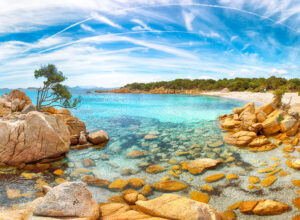
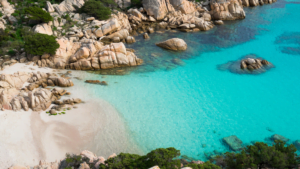
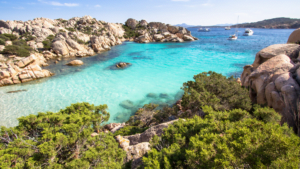
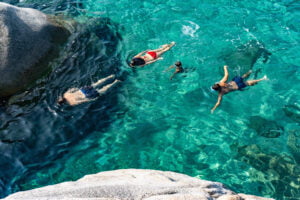
The most photographed feature of Serpentara is the cluster of large granite formations in the northern section of the island, known as the Variglioni. Wind and sea have sculpted these rocks into dramatic shapes over millennia, and where they meet the water they form a series of natural pools ideal for swimming and snorkeling. The water visibility here is exceptional on calm days, and it is one of the few spots in Sardinia where barracuda are regularly sighted in addition to the more common groupers, sea breams, and amberjacks. Posidonia oceanica meadows on the seabed are a healthy indicator of water quality.
The Torre di San Luigi
At the highest point of the island, roughly 50 metres above sea level, stands the Torre di San Luigi, a coastal watchtower built during the Spanish domination of Sardinia in the 16th century. The tower was part of the network of defensive lookout posts erected to spot Saracen pirate ships approaching the Sarrabus coast. Today it is partially ruined but still standing, and it frames excellent views over the southeastern Sardinian coastline, Porto Giunco, and on clear days the outline of Capo Carbonara.
Flora and fauna
The interior of Serpentara is covered in dense Mediterranean scrub, fragrant and visually striking, including myrtle, rosemary, helichrysum, and tree spurge (Euphorbia dendroides). Wild rabbits live on the island undisturbed. The birdlife is the main attraction for naturalists: Audouin’s gulls (Larus audouinii), a protected Mediterranean species, nest here, as do herons and shag cormorants (Phalacrocorax aristotelis desmarestii). Dolphins, particularly common bottlenose dolphins, are frequently sighted in the surrounding waters, especially around the Variglioni.
Things to do at Serpentara: best tours and activities
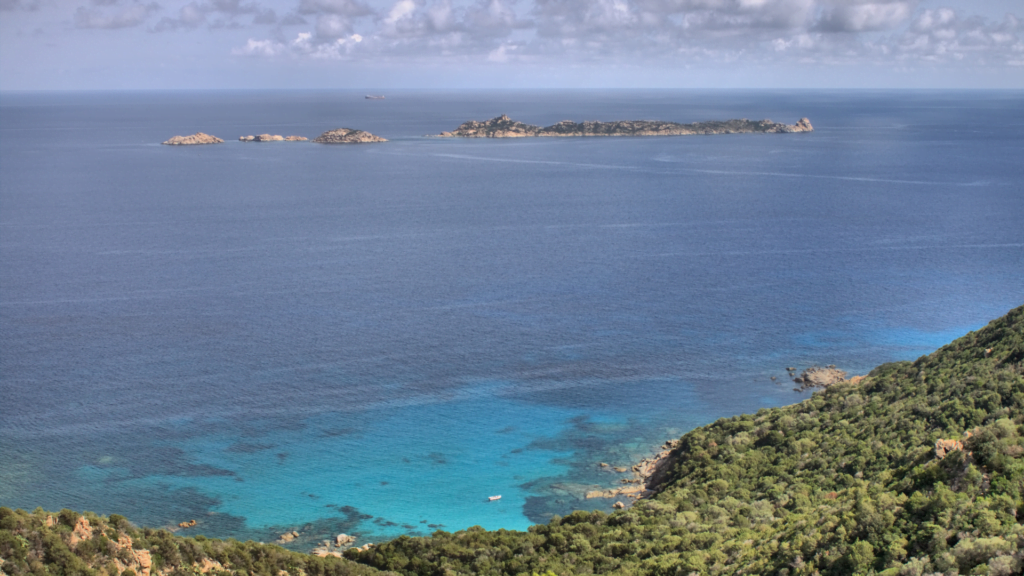
Because you cannot visit Serpentara independently without a boat, organised excursions are the standard way to experience the island. All of the tours below depart from the port of Villasimius.
Capo Carbonara Boat and Snorkeling Tour (with marine biologist guide)
A 4-hour guided tour led by a qualified marine biologist. The route takes in both Isola dei Cavoli and Serpentara within the AMP, with a focus on marine conservation education. Snorkeling stops include Posidonia beds, rocky reefs with octopuses, sponges, sea stars, and groupers. Group size is capped at 15, making it one of the more intimate shared options available. Soft drinks, entry permits, and snorkeling gear are included. Book on GetYourGuide
Villasimius: Cavoli, Serpentara and Capo Carbonara Diving Tour
For certified divers of any level, this inflatable-boat tour enters the AMP and focuses on dive sites around Cavoli and Serpentara. Your local guide leads you through rocky seabeds where you can find octopuses, groupers, sponges, and algae. Corsican seagulls nest on the nearby cliffs above you while you descend. The small-group format means the guide can adapt dive locations to your skill level. Book on GetYourGuide
Villasimius Marine Park 3.5-Hour Tour with Snorkeling and Drinks
A slightly shorter, more relaxed option aboard a 10-metre inflatable boat. The itinerary covers the marine park with multiple swimming stops, snorkeling opportunities, and one included drink. Ideal for visitors who want water time without a full-day commitment. Skipper included, gear on board. Book on GetYourGuide
From Villasimius: Private Boat Tour (full day)
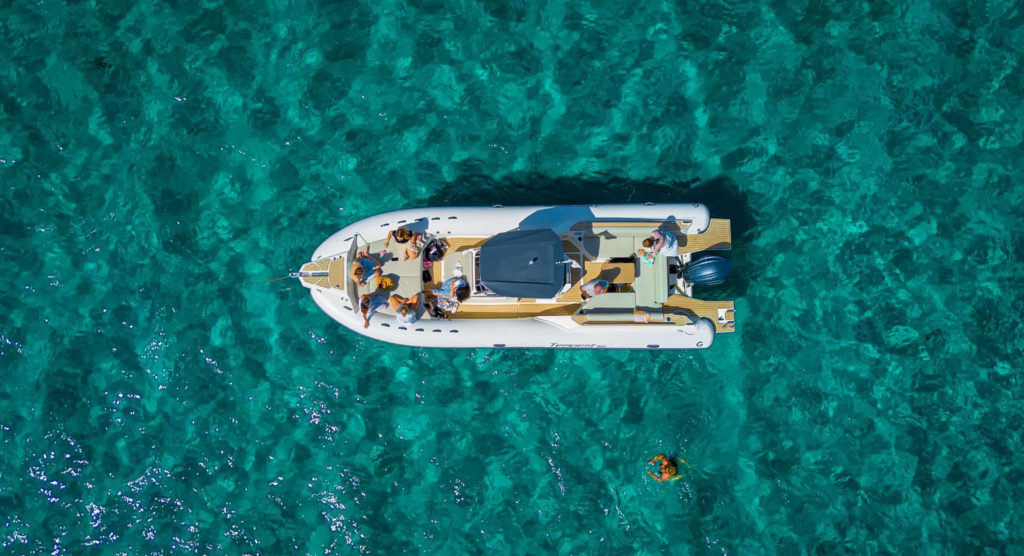
A 6-hour private tour on a modern 2019-built Quicksilver 805 (capacity 8 passengers plus skipper). The itinerary is flexible and can include stops at Punta Molentis, Porto Giunco, Cala Sa Calazziga, Isola dei Cavoli, and Serpentara. A Sardinian aperitif with local products is included. Best option for families or groups who prefer not to share the experience with strangers. Book on GetYourGuide
Villasimius: Day Yacht Cruise with Aperitif and Lunch
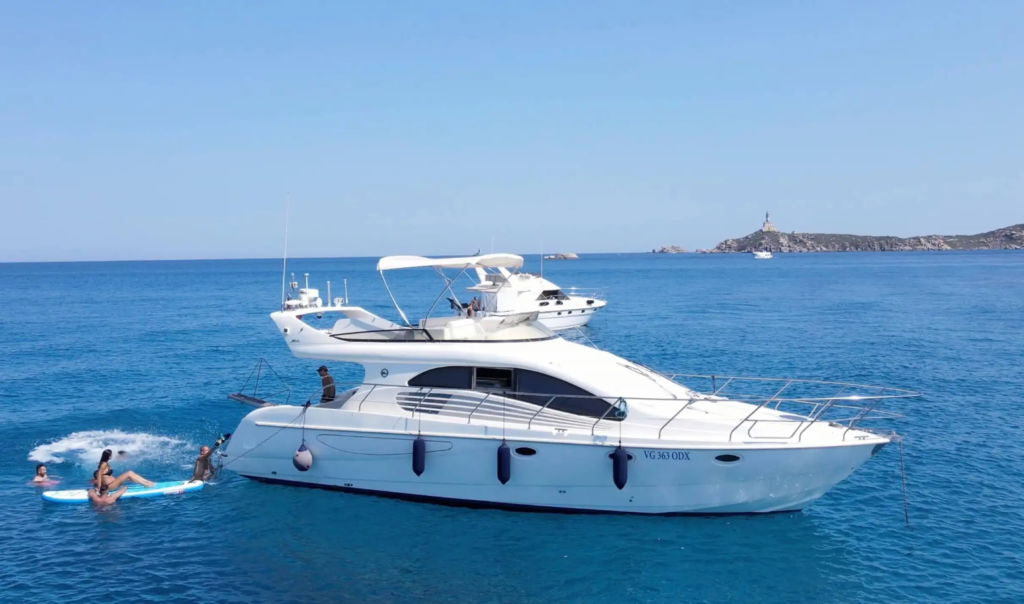
The premium option. A full-day itinerary on a motor yacht accommodating up to 10 people, with a dedicated skipper and sailor. Stops include the Capo Carbonara protected area with Cavoli and Serpentara, plus iconic beaches like Punta Molentis and Porto Giunco. On board: full snorkeling equipment including underwater scooters, SUP board, and a floating carpet. Aperitif and lunch based on typical Sardinian products are included. Book on GetYourGuide
Serpentara and Punta Molentis Rubber Boat Tour with Snorkeling
A shorter 2-hour option, ideal if you have limited time or if you want to combine Serpentara with a visit to Punta Molentis beach on the same morning. The smaller rubber boat allows closer navigation to the rocks and the Variglioni pools. Good entry-level choice for families. Book on GetYourGuide
Serpentara and Isola dei Cavoli: the combined route
Serpentara sits about 1 kilometre from Isola dei Cavoli, the other protected island in the Capo Carbonara AMP. Most organised tours visit both in the same trip, and for good reason. Cavoli has a working lighthouse accessible on foot and hosts the famous Madonna del Naufrago, an underwater statue by Pinuccio Sciola placed at 11 metres depth in 1968, now a diving landmark. Serpentara offers the wilder, more rugged scenery and the better snorkeling at the Variglioni. Together they represent the most complete marine experience available in southeastern Sardinia.
If you are planning a broader itinerary of the area, the Villasimius guide covers all the beaches and activities in the municipality, and the Porto Giunco guide explains how to combine the lagoon and tower visit with your boat trip departure.
Getting there: car rental for southeastern Sardinia
Villasimius is not well served by public transport from Cagliari: there is a summer bus line, but schedules are limited and the journey takes over an hour. A rental car is strongly recommended if you want to reach Villasimius comfortably and also explore the surrounding beaches – Porto Giunco, Punta Molentis, Cala Caterina – without depending on taxis or tours for every transfer.
The closest airport is Cagliari (CAG), approximately 50 kilometres from Villasimius. You can compare prices and book directly from:
Booking well in advance is particularly important in July and August, when rental availability drops sharply across the island.
Where to stay near Serpentara Island
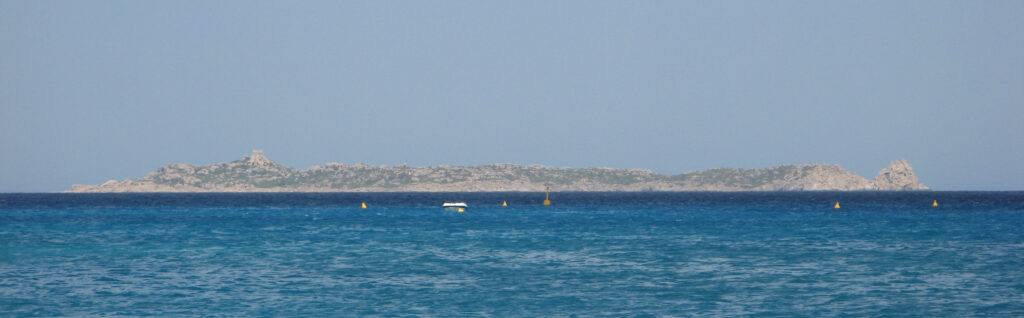
Serpentara is uninhabited and has no accommodation. The base for all visits is Villasimius, a well-organised coastal town with a solid range of hotels, from resort complexes to small boutique options.
Premium option – Almar Timi Ama Resort & Spa (5-star): A well-known luxury resort with direct beach access, multiple pools, and a full spa. Located at Timi Ama, close to the boat departure point, within the Capo Carbonara AMP. One of the most booked properties in southern Sardinia. Check availability on Booking.com
Mid-range option – Domu Simius Hotel (3-star): Centrally located in Villasimius at Via Emilio Lussu, walking distance from the town centre and 18 minutes on foot from Simius beach. Guests consistently highlight the clean rooms, helpful reception, and excellent value. Rated 9.4/10 on Booking.com. Check availability on Booking.com
Beachfront option – Hotel Simius Playa (3-star): Located 900 metres from Villasimius, directly facing the turquoise waters of Capo Carbonara, with a private beach, outdoor pool, and a restaurant specialising in fresh fish. Rated 9.1/10 on Booking.com, with particular praise for location (9.6/10). Check availability on Booking.com
For a broader overview of the best areas to base yourself in the south of Sardinia, see the where to stay in south Sardinia guide.
The local perspective: what Sardinians think
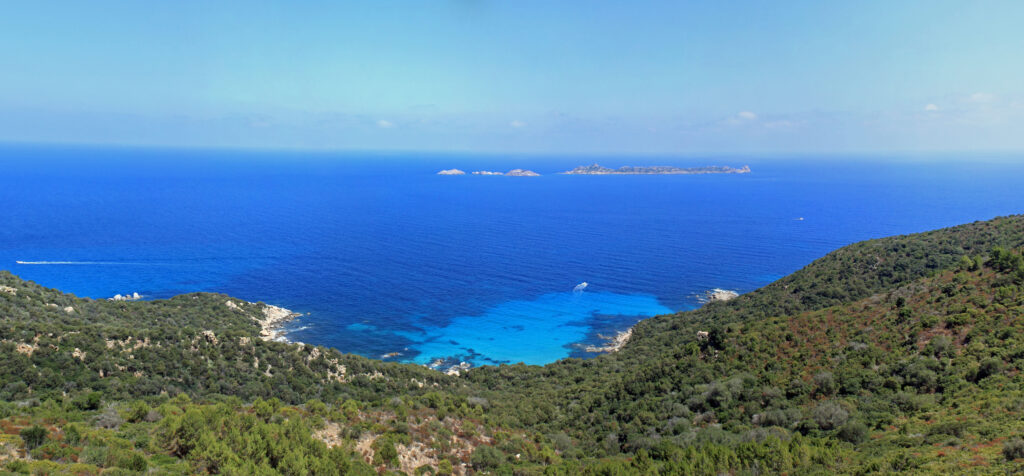
Serpentara looks effortlessly perfect in photos. It is worth knowing a few things that the images do not communicate.
The wind is the main variable. The southeastern coast of Sardinia is directly exposed to the Maestrale (northwest wind), which can make sea conditions uncomfortable even in peak summer. Many excursions are cancelled or rerouted when the Maestrale is above 20-25 knots. If your stay in Villasimius is short, book your boat trip for the first available day and keep a backup window – do not leave it to the last day of your holiday. Operators will inform you of cancellations promptly, but rescheduling in August can be difficult.
It is a nature reserve, not a beach. There is only one authorised landing point (Caletta d’Approdo) and walking trails are limited. You are not visiting Serpentara to sunbathe on a beach – you are there to snorkel, observe wildlife, and experience the marine protected area from the water. Visitors expecting a typical beach day will be surprised.
The crowds stay on the water. The number of boats permitted in the AMP at any one time is regulated, so the experience is considerably less chaotic than open coastlines in August. The island itself remains genuinely quiet. This is one of the few places in Sardinia where high season does not mean overwhelming crowds – the protection system does its job.
Distance from Cagliari is real. Villasimius is about 50 kilometres from the city by road, but the route is winding and summer traffic adds time. Plan at least 60-75 minutes from the airport in peak season, not the 45 minutes sometimes cited.
FAQ about Serpentara Island
Can you land on Serpentara Island? Yes, but only at the designated landing point, Caletta d’Approdo, on the northwestern side of the island. The rest of the coastline is either ecologically sensitive or restricted by AMP regulations. Most organised excursions do include a brief stop to disembark.
How far is Serpentara from Villasimius? Approximately 4 kilometres southeast of Villasimius. By boat from the port, the crossing takes roughly 15 minutes in calm conditions.
Is Serpentara Island privately owned? Yes. The island is private property, but because it falls entirely within the Capo Carbonara Marine Protected Area, access and activities are governed by the AMP authority regardless of ownership.
What marine life can you see snorkeling at Serpentara? The Variglioni area is particularly rich. Expect groupers, barracuda, sea breams, amberjacks, octopuses, moray eels, and dense Posidonia meadows. Dolphins are frequently spotted in the waters surrounding the island but sightings are not guaranteed.
Is Serpentara suitable for non-swimmers? Yes. You do not need to enter the water to appreciate the island. All boat tours include above-water viewing of the Variglioni rocks, the Torre di San Luigi, and the surrounding coastline. Snorkeling is optional on most excursions.
Is the island accessible to the public?
It is a protected marine area, so access is regulated. It is a fantastic destination for nature lovers visiting Sardinia.
What should I bring for a day trip?
There are no facilities, so bring water and snacks. If you enjoy these wild environments, you might also like the unspoiled dunes of Piscinas.
What kind of wildlife can I see?
You can spot many sea birds and rich marine life. For more birdwatching opportunities, consider a visit to the Molentargius Saline Park.
Sources:
AMP Capo Carbonara — Area Marina Protetta di Villasimius
GetYourGuide — Schede operatori escursioni Villasimius