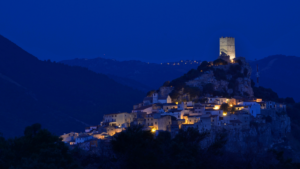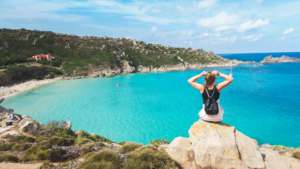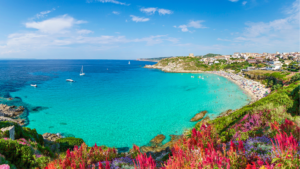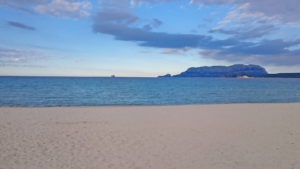
Where to go in Central Sardinia is one of those questions that rewards careful planning. This region is not just a backdrop to the coast: it is a place with its own logic, its own pace, and a kind of beauty that does not announce itself loudly. Barbagia, the Gulf of Orosei, the Sinis Peninsula near Oristano, and the Gennargentu mountains each offer something distinct. Choose one area, or combine two or three. But come with time, because central Sardinia does not reward rushing.
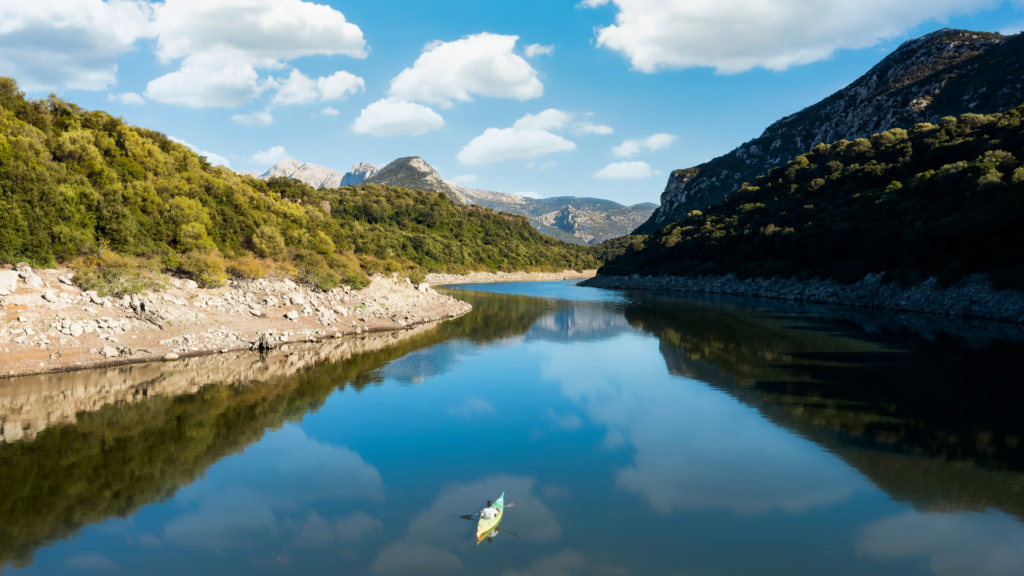
Where to go in Central Sardinia: an overview of the regions
Before diving in, it helps to see the four main areas at a glance.
| Area | Main towns | What to expect | Best season |
|---|---|---|---|
| Barbagia / Nuoro | Nuoro, Orgosolo, Mamoiada, Oliena | Mountain villages, murals, masks, nuragic sites, Cannonau wine | Spring, autumn (Autunno in Barbagia: Oct-Nov) |
| Ogliastra / Gulf of Orosei | Cala Gonone, Baunei, Arbatax | Boat-only beaches, cliff hiking, diving, Blue Zone culture | June-September for sea; spring for trekking |
| Oristano / Sinis | Oristano, Cabras, Barumini, Gesturi | Punic-Roman ruins, quartz beaches, Giara wild horses | April-June, September-October |
| Gennargentu | Dorgali, Urzulei, Fonni, Aritzo | Highest peaks in Sardinia, Gorropu Canyon, holm oak forests | Late spring and early autumn |
Each area has a different personality. One week: pick two. Two weeks: cover all four properly.
Barbagia and Nuoro: the cultural heart of the island
Barbagia is the name the Romans gave to the mountainous interior they could never fully conquer. The name stayed, and so did the attitude. This is Sardinia’s most traditional region: granite, cork oak, festivals that have run for centuries, and a sense that the outside world is a relatively recent development.
The area stretches across the province of Nuoro and parts of Ogliastra. Getting here requires a car. Public transport exists in name only for most villages.
Nuoro
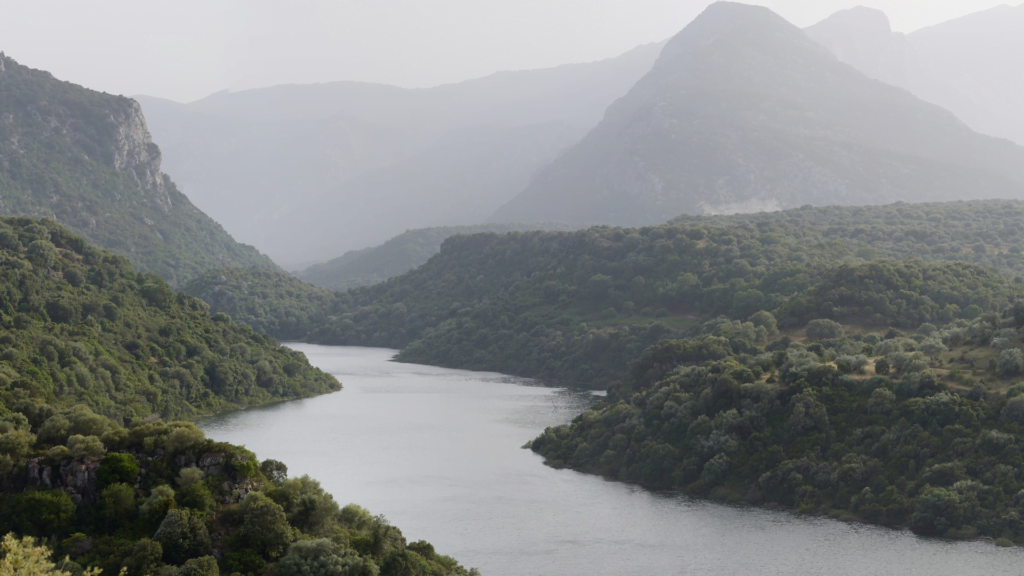
Nuoro sits at the centre of this region, a provincial city known for producing more than its share of Italian literature. Grazia Deledda, the only Italian woman to win the Nobel Prize for Literature, was born here in 1871. The Museo Deleddiano occupies her childhood home and is worth an hour of your time.
The main cultural attraction for most visitors is the Museo della Vita e delle Tradizioni Popolari Sarde: one of the largest ethnographic collections in southern Europe. Traditional costumes, masks, pastoral tools, and textile work from across the island. If you want to understand the culture before you drive into the villages, start here.
Orgosolo and its murals
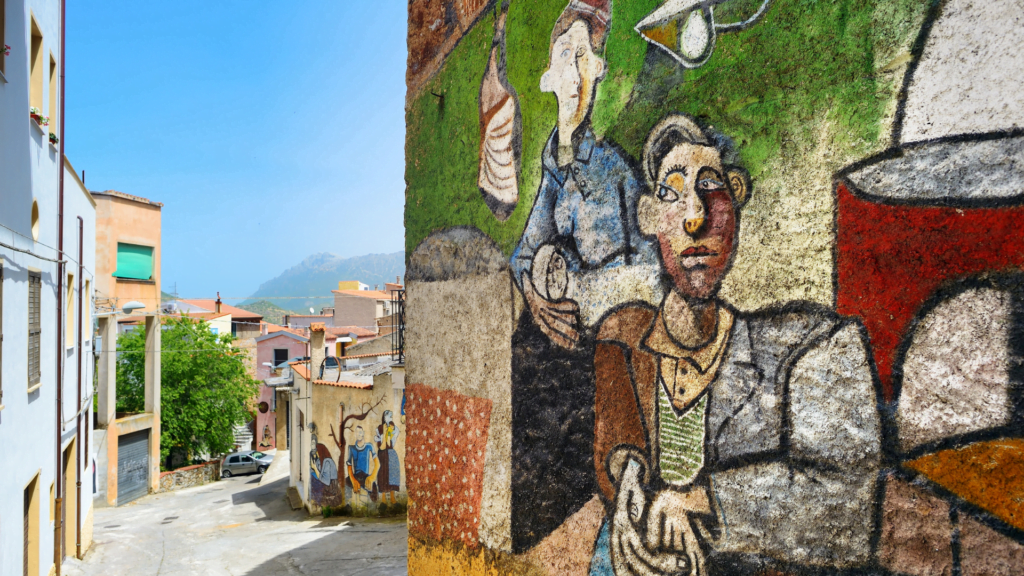
Orgosolo sits about 20 kilometres south of Nuoro, on a hillside that looks like it has not changed much since the 1950s. In fact, it changed dramatically in 1969, when a local teacher began commissioning political murals on the village walls. Today there are over 200 of them, covering everything from the Italian Resistance and the Vietnam War to land rights, emigration, and Sardinian identity.
They are free to see, entirely self-guided, and spread through the whole town. An afternoon with good walking shoes is all you need. Orgosolo also produces one of the most respected Cannonau wines in Barbagia. A glass at a local cantina is not an optional extra.
Mamoiada
Mamoiada carries one of the most powerful carnival traditions in the Mediterranean. The protagonists are the Mamuthones: masked figures dressed in heavy black sheepskins, their backs loaded with large cowbells, moving through the village in a slow procession. The counterpart figures, the Issohadores, carry rope lassoes and capture spectators.
The origin is uncertain. Some anthropologists trace the masks to pre-nuragic ritual practice; others link them to medieval ceremonies. Either way, the effect is striking.
The Museo delle Maschere Mediterranee in the village puts it all in context, covering carnival traditions across Sardinia and the broader Mediterranean world. Entry costs a few euros and the documentation is serious.
Oliena and the Supramonte
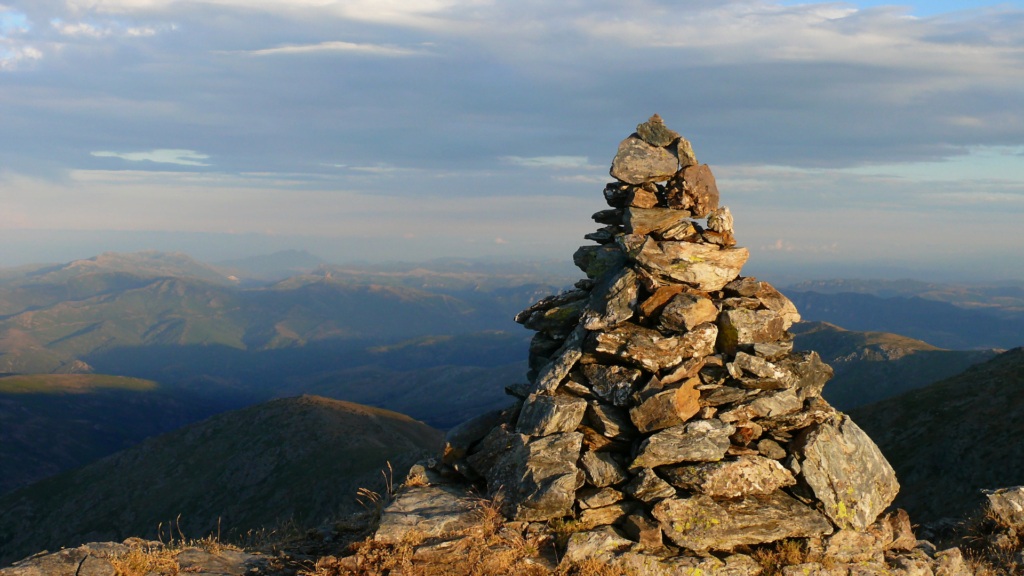
Oliena sits directly below Monte Corrasi (1,463m), one of the sharpest peaks in the Supramonte range. The town is known for Nepente di Oliena, a Cannonau-based wine with a long local identity, and for being one of the two main access points to the Supramonte itself.
Just outside town, the springs of Su Gologone emerge from the limestone massif at a constant 8°C. The flow remains active even in the driest summers, fed by an underground karst system that drains the whole Supramonte. It is a good swimming spot in hot weather and the setting for one of the best-known hotels in the Sardinian interior.
From Oliena, guided tours access the Lanaitho valley and the Tiscali site described below.
Tiscali: the hidden nuragic village in the mountain
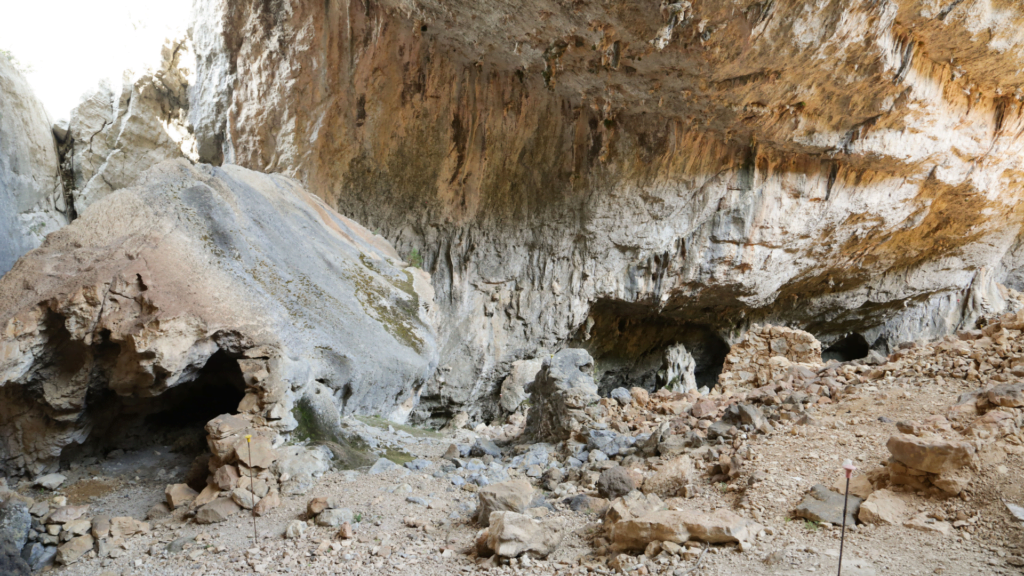
Tiscali is not the most visited site in Sardinia. It should be. Inside a collapsed cave doline in the Supramonte, hidden from any road and accessible only on foot, lie the ruins of a nuragic village dating to the Bronze and Iron Ages. The doline formed roughly 900,000 years ago when the cave roof collapsed. Ancient Sardinians settled inside it, using the stone walls as natural fortification.
The hike takes 3-4 hours round trip from the Lanaitho valley. It is rocky and requires solid footwear. A guide is strongly recommended because the trail is poorly marked. The effort is real. So is the payoff. Very few archaeological sites in Europe offer this combination of physical access and genuinely remote setting.
Ogliastra and the Gulf of Orosei: the wild eastern coast
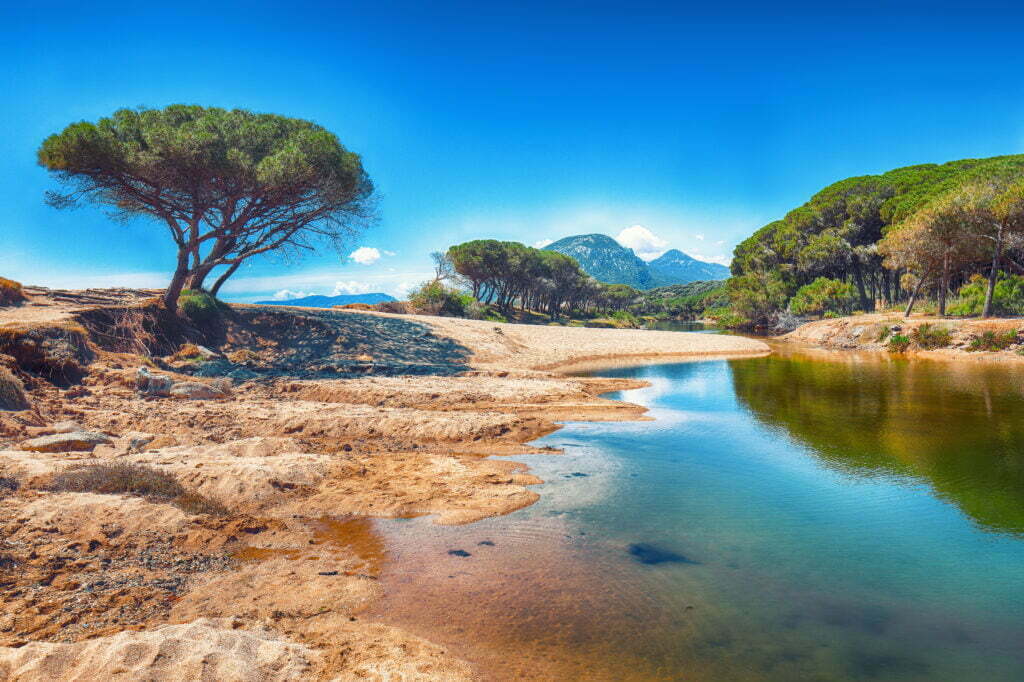
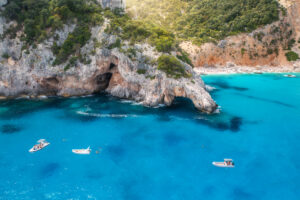
The Gulf of Orosei is a stretch of coast where the mountains come almost to the waterline, leaving almost no room for roads. The result is a series of coves accessible only by boat or on foot. This is not a marketing line. Most of the best beaches here are genuinely unreachable by car.
Ogliastra, the province covering the southern section of this coast, is also one of the world’s verified Blue Zones: regions where people live significantly longer than average. The National Geographic Society and researcher Dan Buettner identified Ogliastra as one of five such zones globally, citing diet, physical activity, community cohesion, and local genetics.
Cala Gonone
Cala Gonone is the main base for exploring the Gulf. A small resort town with a functioning port, several hotels and restaurants, a diving centre, and daily boat departures to the coves to the south. It is not quiet in August, but it is well positioned and has everything you need.
Arrive by car from Dorgali via the SS125, which drops steeply to the coast. The road is good but requires attention. Parking near the port fills quickly in summer: arrive early or walk from accommodation outside the centre.
The beaches of the Gulf of Orosei
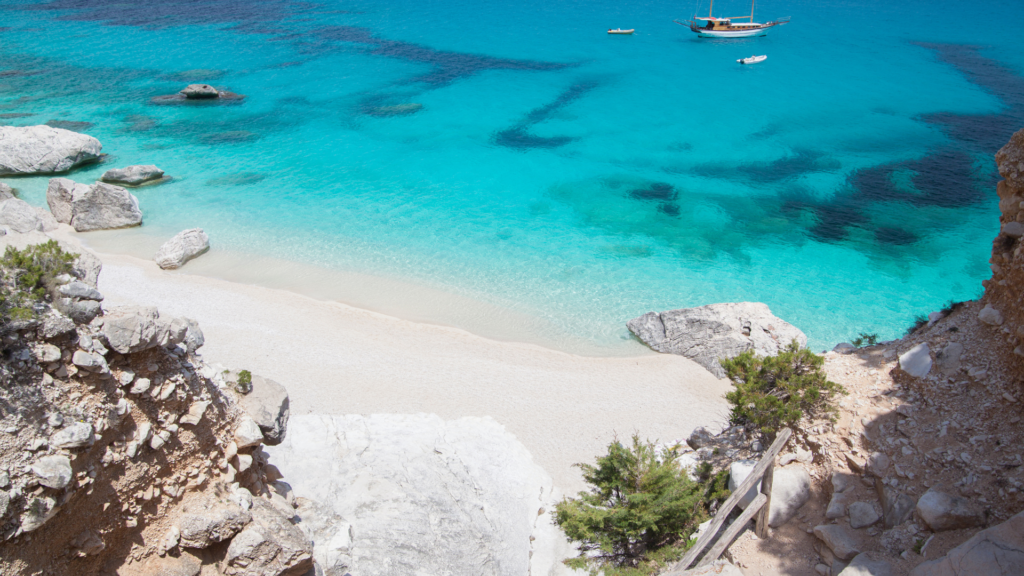
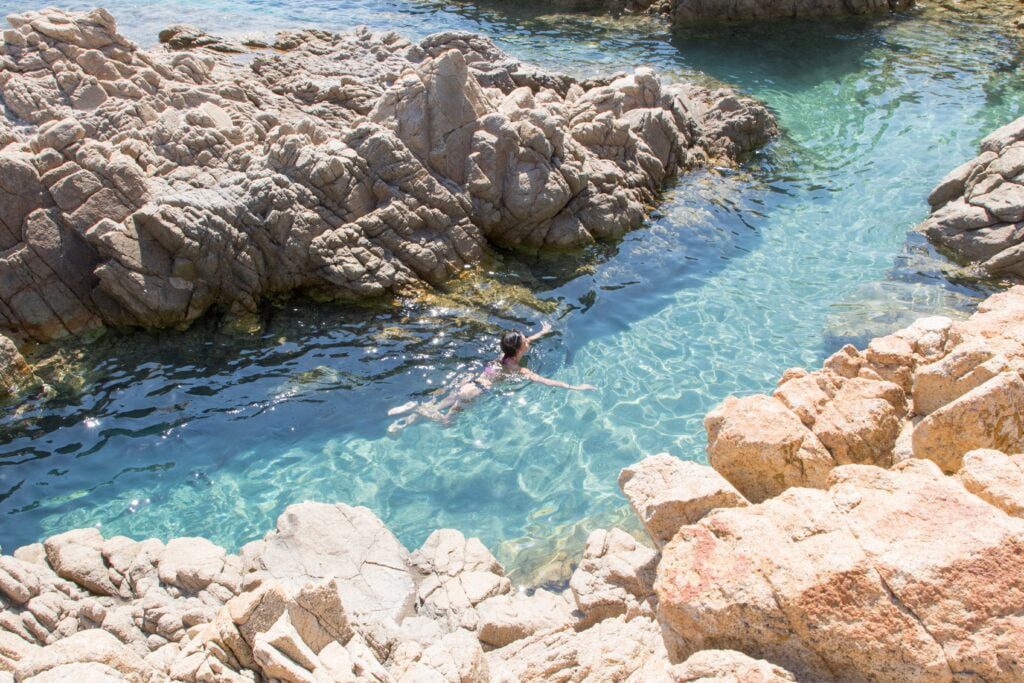
The Gulf of Orosei beaches are among the best-known in Sardinia, and each has a different character.
- Cala Luna: the most accessible, reachable by boat or on foot via the Codula di Luna gorge. Large sea caves along its northern edge. A small bar operates in summer.
- Cala Goloritzè: a UNESCO natural monument since 1993. Motorboats cannot dock here; boats stop offshore and visitors swim in. The limestone arch above the cove is its emblem.
- Cala Mariolu: pebbled, deep blue, consistently ranked among the most beautiful coves in Sardinia. Best reached by boat.
- Cala Sisine: quieter and less visited. The hike from the plateau above takes around four hours.
All four can be visited in a single day on an organised boat tour, which is the practical approach for most visitors.
Baunei and the Selvaggio Blu
Baunei sits on a plateau above the coast, accessible from the SS125. It is the starting point for the Selvaggio Blu: a multi-day trekking and climbing route running approximately 40 kilometres along the coast between Santa Maria Navarrese and Cala Gonone.
Be clear about what this involves: ropes, climbing harness, overnight bivouacking in caves, and significant previous experience. It is not a hiking route in the conventional sense. If you are not already a capable trekker with some climbing background, book a guided version or come back when you are ready.
The Altopiano del Golgo near Baunei is more accessible: a flat basalt plateau with nuragic traces, the Su Sterru sinkhole (one of the deepest in Europe at 270m), and the starting point for several shorter coastal walks.
Arbatax and the red rocks
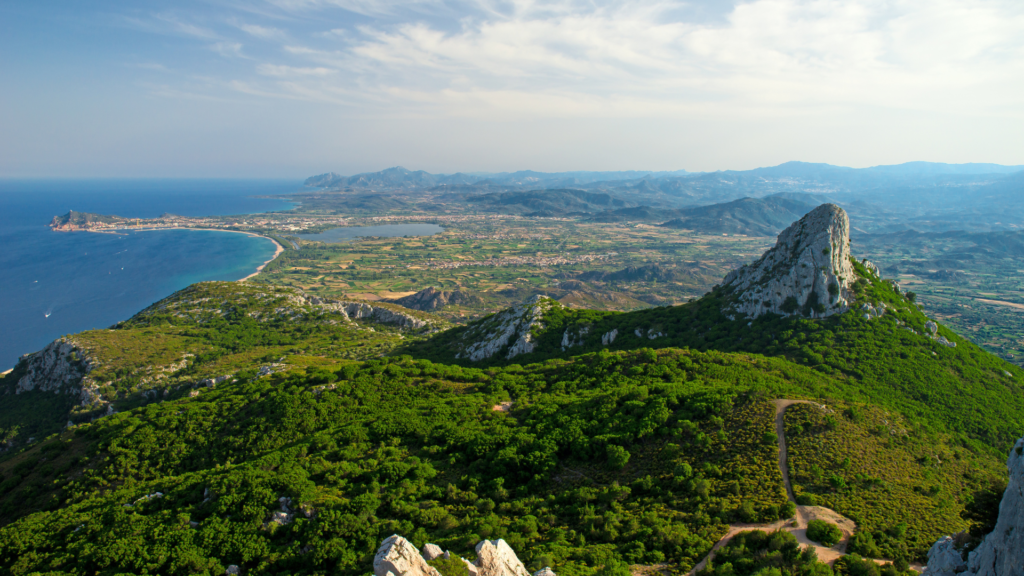
Arbatax is a port town at the southern end of Ogliastra, where the narrow-gauge Trenino Verde scenic railway terminates. The town itself is unremarkable, but the red porphyry rocks at Capo Bellavista are genuinely distinctive: jagged formations of reddish granite rising directly from the sea, unique in the whole island.
Arbatax also has ferry connections to Civitavecchia and Genova, making it a practical gateway if you are arriving by sea.
Oristano and the Sinis Peninsula: archaeology and quartz beaches
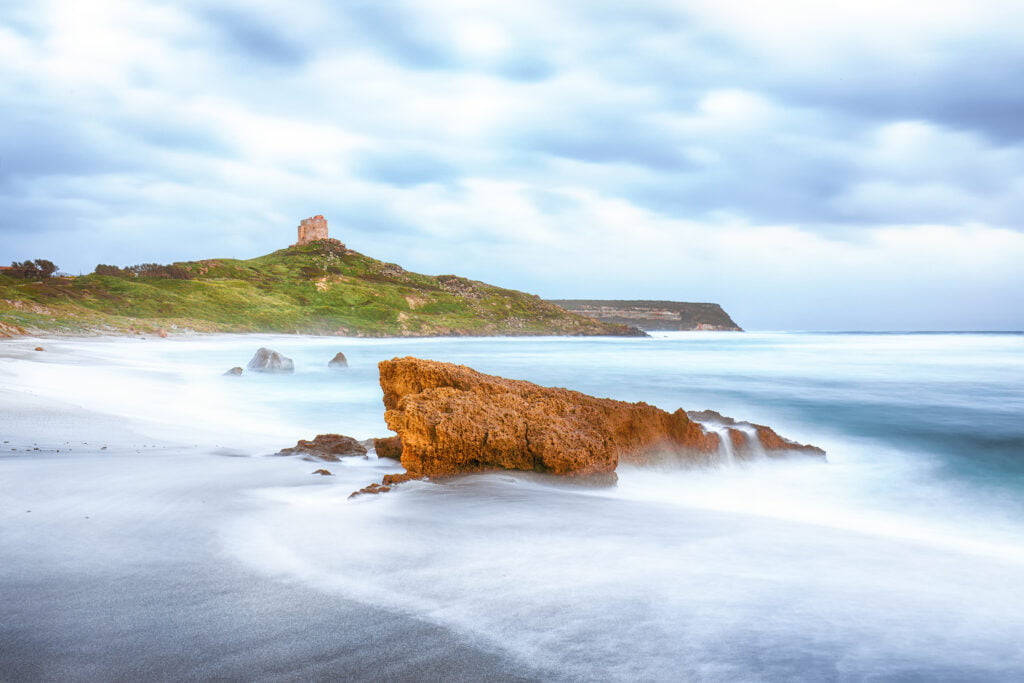
Oristano is the least touristic of Sardinia’s four provincial capitals. No major airport nearby, no famous coastline directly attached to the city name. But for those interested in archaeology, unusual beaches, and a territory that works on its own schedule, it is one of the most rewarding areas on the island.
The surrounding territory includes Tharros, the Sinis Peninsula, the wetlands of Cabras (source of Sardinia’s prized mullet bottarga), and the Giara di Gesturi plateau to the east.
For a full guide to the city: Oristano guide.
Bosa
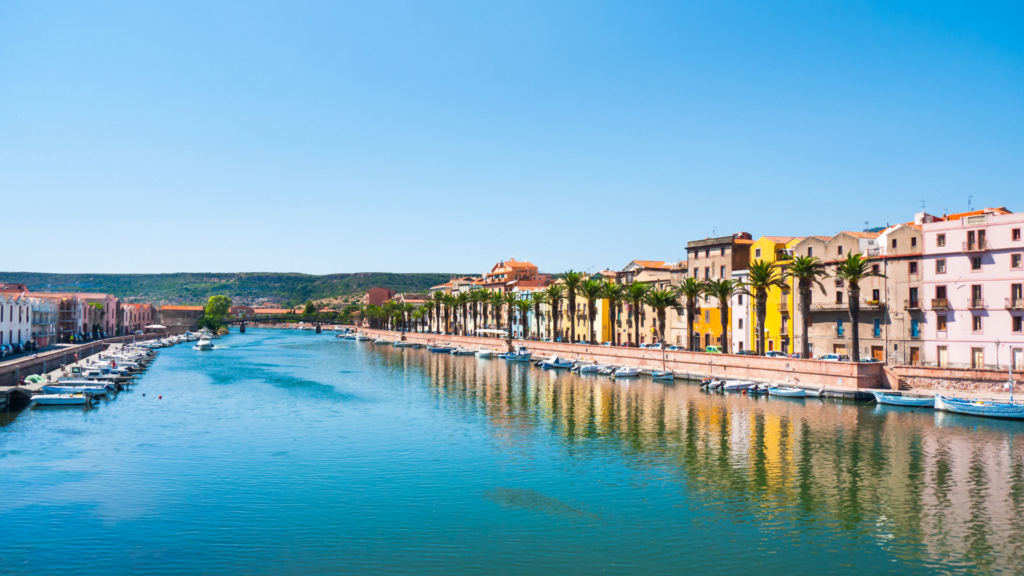
Bosa is famous for its colorful houses and the Malaspina Castle. Bosa is a picturesque town located along the Temo River. Its charming streets and historic sites make it a delightful day trip. Usually associated with north Sardinia, it belongs to Oristano area.
Tharros
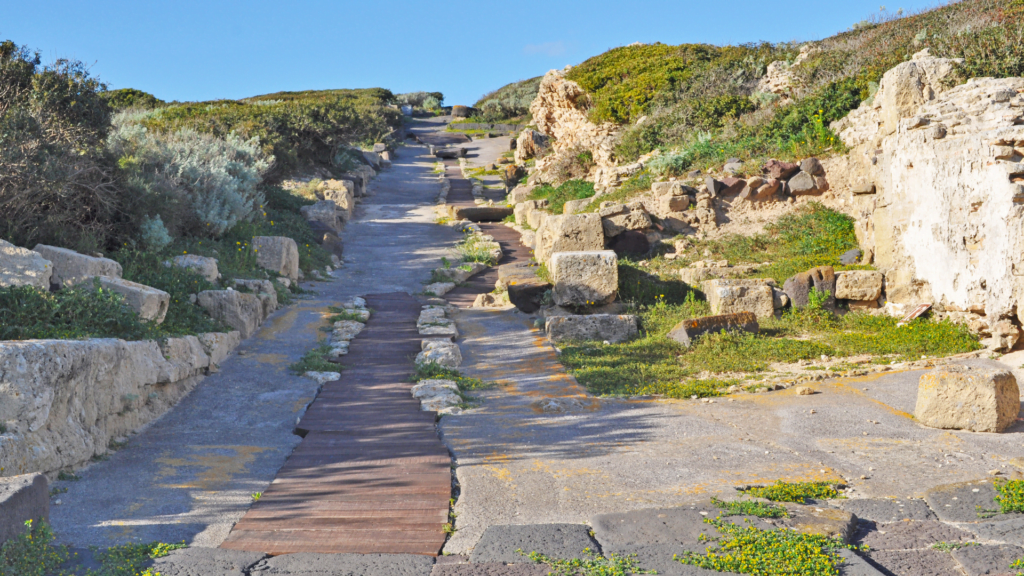
Tharros occupies the tip of the Sinis Peninsula, a narrow tongue of land between two lagoons. The site was first settled by Phoenicians around the 8th century BC, expanded by the Carthaginians, and later developed by the Romans, who built baths, temples, and a small theatre.
Walking through the ruins with the sea on both sides is an experience that few sites in Europe can replicate. The site is compact: two hours covers it well. The combination of Phoenician, Punic, and Roman layers in a single location tells you a great deal about this coast’s long history as a Mediterranean crossroads.
Is Arutas and Mari Ermi
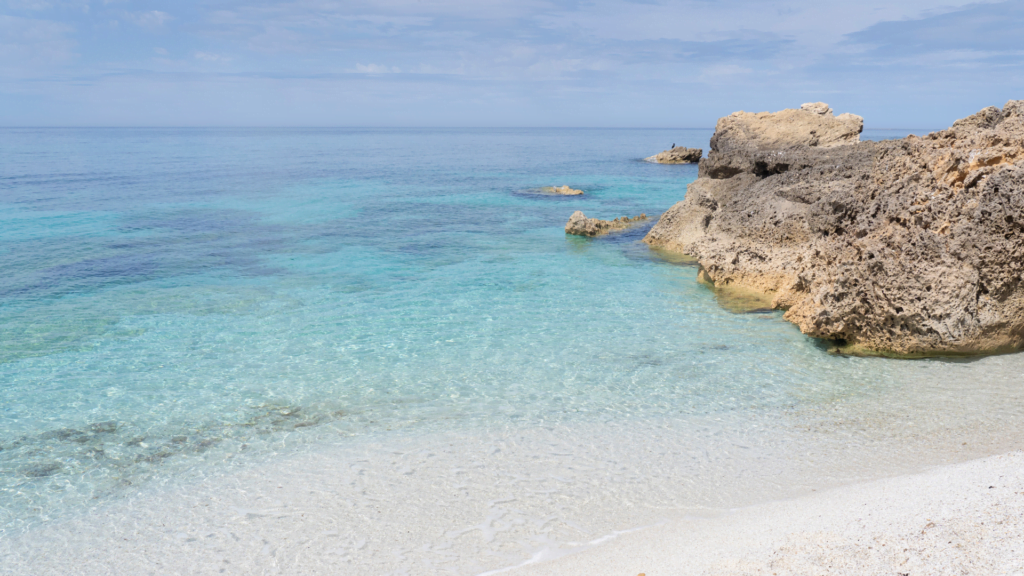
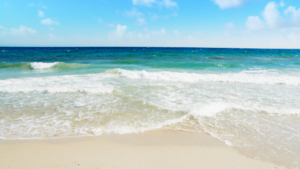
Is Arutas and Mari Ermi are two beaches on the Sinis Peninsula that look unlike almost anything else in the Mediterranean. The sand is composed of small quartz crystals, pale and slightly translucent, granular to the touch. The material comes from the erosion of granite formations offshore, particularly the island of Mal di Ventre.
Practical notes for summer: parking at Is Arutas is controlled and fills before 10am in July and August. The beach is protected, and removing sand is a legal offence. Applying chemical sunscreen in the water is restricted in the protected zone. Come in May or September and these beaches are practically empty.
Nuraghe Losa
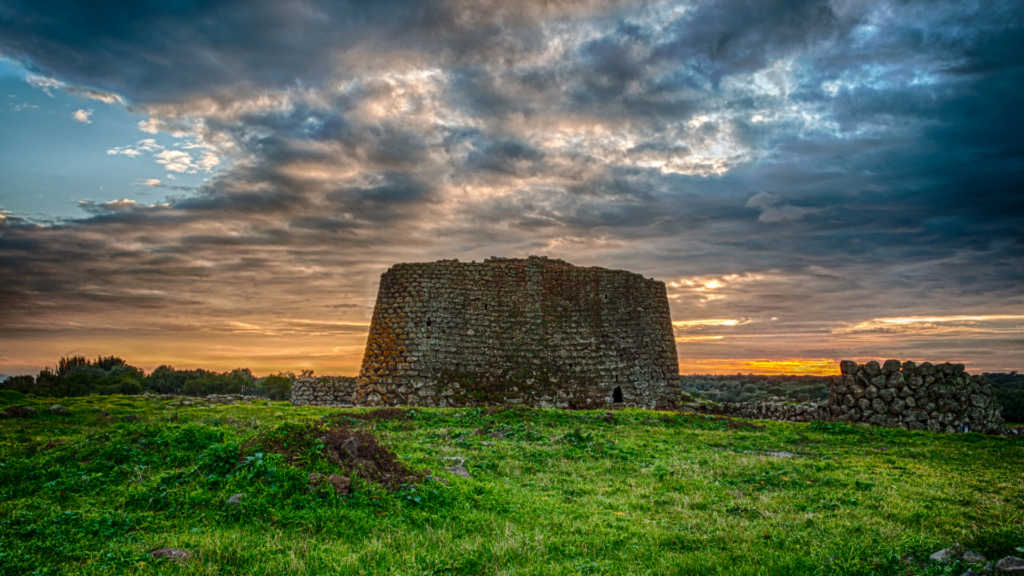
Nuraghe Losa, near Abbasanta just off the SS131 main north-south highway, is one of the most complete nuragic complexes in Sardinia. It preserves a trilobate tower, an outer village, and a substantial bastion, all in good condition given its 3,500-year age.
It is a practical stop if driving between Cagliari and the north. The motorway exit is five minutes away. Budget 90 minutes for the site and the small attached museum.
Giara di Gesturi: wild horses on a volcanic plateau
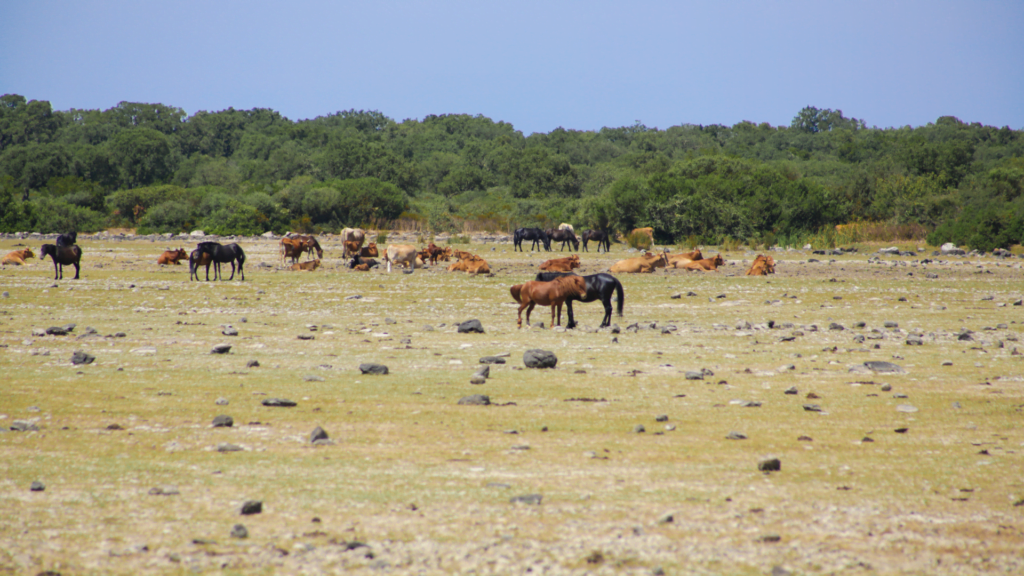
The Giara di Gesturi is a basaltic plateau roughly 550 metres above sea level, approximately 50 square kilometres in area. It was formed by ancient volcanism and has remained largely intact because its steep edges discourage casual access and development.
The plateau is home to the Cavallini della Giara: a small breed of wild horse, standing around 1.2 metres tall, that has lived here since ancient times. They are the only wild horses remaining in Europe outside certain Iberian protected areas. Around 700 individuals survive.
Walking the plateau in spring, when the small seasonal ponds (called paulis) are full and the horses are visible from some distance, is one of the more memorable things central Sardinia offers. A guide from one of the nearby villages (Gesturi or Tuili) makes a significant difference for locating the animals and understanding the landscape.
Gennargentu: the mountains at the heart of Sardinia
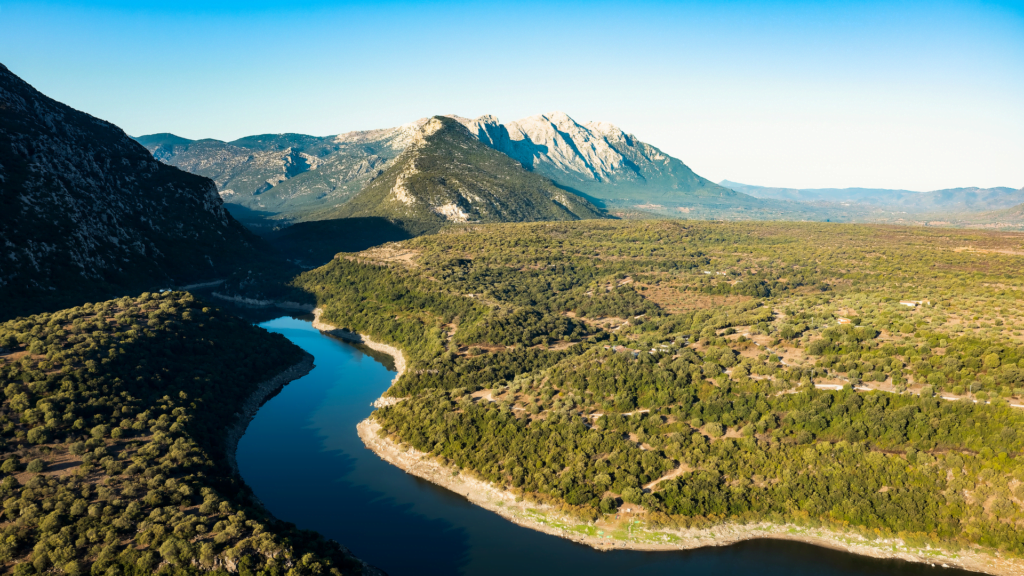
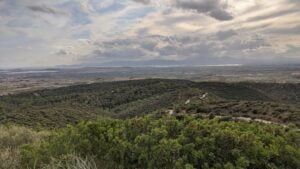
The Gennargentu is the highest mountain range in Sardinia, the core of the Parco Nazionale del Gennargentu e Golfo di Orosei. The highest point, Punta La Marmora, reaches 1,834 metres: modest by Alpine standards, but imposing in the context of a Mediterranean island.
These mountains are broad and dense rather than dramatic. Covered in holm oak, cork oak, and heather, they have a quality of compression and enclosure that the coast entirely lacks. In winter the higher peaks receive snow. In July and August the interior heat makes serious hiking difficult.
Gorropu Canyon
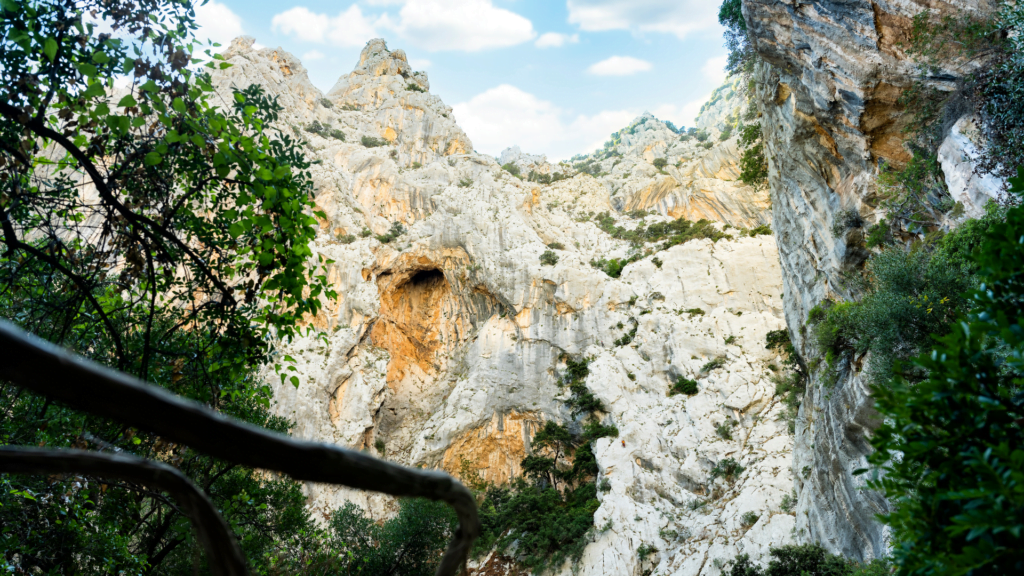
Gorropu is the deepest canyon in Sardinia and one of the deepest in southern Europe. In some sections the walls reach 500 metres and are separated by only a few metres at the top.
The approach from the Rio Flumineddu valley involves a boulder-filled riverbed: this is not a scenic path with a clear route. It is a boulder-hopping exercise requiring solid balance and sturdy footwear. The full hike from the valley floor takes 4-5 hours. A guided tour from Orosei or Dorgali removes the navigation problem and adds natural history context that substantially changes the experience.
One rule locals know: do not attempt Gorropu between October and May without checking conditions first. The karst system above can funnel water very rapidly into the canyon floor after rain.
Hiking in the Gennargentu
The ascent to Punta La Marmora from Fonni or from the Bruncu Spina ski area is a half-day hike accessible to most people in reasonable physical condition. The views on clear days extend across the whole island. On exceptional days, the coasts of Corsica and the Italian mainland are visible.
The forests of the Gennargentu and Supramonte shelter mouflon (the native wild sheep of Sardinia), Sardinian deer, and raptors including the golden eagle and the Eleonora’s falcon. The falcon is visible from August to October, breeding on the coastal cliffs and inland ridges before migrating south to Madagascar.
For specific route guides: Best hikes in Sardinia.
Things to do in Central Sardinia: top activities (from a local)
The activities below are all verified as active bookings. For each, I have indicated whether it represents a budget-accessible or premium option, and which platform offers it.
Gorropu Canyon guided hike
A full-day guided hike from Orosei into the canyon. The route covers about 7 kilometres and takes approximately 4.5 hours of active hiking. Pickup is available from Orosei, Dorgali, and Oliena. With over 300 verified reviews, this is one of the most consistently rated outdoor experiences in the region.
Book the Gorropu Canyon guided hike on Viator
Monte Tiscali hiking day trip
A guided trek to the hidden nuragic village inside the Lanaitho valley doline. The trail involves rock scrambling and uneven terrain. Pickup from Orosei or Oliena is included. One of the few ways to reach Tiscali without navigational problems on unmarked paths, and with commentary on the site’s archaeology.
Book the Monte Tiscali day trip on Viator
Orgosolo tour and al fresco lunch with shepherds
A half-day cultural experience covering the Orgosolo murals on foot, followed by lunch with a shepherd family in the Supramonte. The lunch is the point: slow-cooked porcetto (suckling pig), local cheese, pane carasau, and Cannonau. This kind of experience is nearly impossible to arrange independently.
Book the Orgosolo tour with shepherd lunch on Viator
Barbagia experience: Mamoiada and Orgosolo from Cagliari
A small-group full day departing from Cagliari by 9-seat minivan, combining Mamoiada (mask museum and workshop) and Orgosolo (murals, wine tasting). Lunch is included. A practical option if you are basing yourself in the south and want to cover the Barbagia interior in a single day.
Book the Barbagia experience from Cagliari on Viator
Gulf of Orosei dinghy trip from Cala Gonone
A full-day rubber dinghy excursion from Cala Gonone covering Cala Luna, Cala Mariolu, the sea caves, and several stops in between. The dinghy format is more intimate than the large motorboats and allows stops in shallower water closer to the rock faces. Book well in advance: this sells out weeks ahead in July and August.
Book the Gulf of Orosei dinghy trip on Viator
Gulf of Orosei cruise with Cala Goloritzè (GetYourGuide)
A motorboat day cruise from Cala Gonone covering Cala Mariolu, Cala Luna, and a photo stop at Cala Goloritzè (direct mooring is not permitted in the protected area). Three beach stops with at least one hour each, available from as early as 7:30am. Over 1,100 reviews, rated 4.4. From around €80-90, this is the most accessible budget option for the Gulf.
Book the Gulf of Orosei cruise on GetYourGuide
Su Nuraxi Barumini and Giara di Gesturi (GetYourGuide)
A tour combining Sardinia’s only UNESCO World Heritage Site, the nuragic complex of Su Nuraxi di Barumini, with a visit to the Giara di Gesturi plateau to see the wild horses. The entrance fee to Su Nuraxi is purchased on site and is not included in the base price.
- Budget option (4 hours, small group from Cagliari): Book on GetYourGuide
- Premium option (6 hours with guided Giara walk and Cannonau wine tasting): Book on GetYourGuide
Getting around: car rental in Central Sardinia
There is no way to soften this: without a car, central Sardinia is nearly impossible to explore. Bus connections between the main towns exist, but services to trailheads, villages, beaches, and archaeological sites are either non-existent or operate once daily at inconvenient times.
The nearest airports to the central region are Cagliari in the south, Olbia in the northeast, and Alghero in the northwest. From any of them, picking up a rental car at the airport is the right move.
You can compare prices and book directly:
- Cagliari airport: DiscoverCars – Cagliari CAG
- Olbia airport: DiscoverCars – Olbia OLB
- Alghero airport: DiscoverCars – Alghero
Book in advance if you are travelling in July or August. Cars sell out, and last-minute prices at Sardinian airports in peak season are consistently high. A small diesel or hybrid works well on the SS125 and the mountain roads: avoid anything very low to the ground if you plan to drive on the Giara plateau tracks.
Where to stay in Central Sardinia
The right base depends on which area you are prioritising. Five options that cover the main zones:
For a complete accommodation guide by area: Where to stay in Central Sardinia.
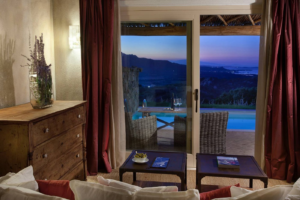
Su Gologone Experience Hotel, Oliena (Barbagia) – Set in 10 hectares under Monte Corrasi, this is the most distinctive hotel in the Sardinian interior. A celebrated restaurant serving traditional Barbagia cuisine, an art collection of Sardinian work covering every surface, pool, spa, and direct access to the Supramonte trails. It functions as a base for the whole area. Premium.
Book Su Gologone on Booking.com
Margaida Boutique Hotel & SPA, Cala Gonone – Adults-only 4-star hotel two minutes on foot from the main beach of Cala Gonone. Infinity pool, sea views, spa facilities. The best option in town for comfort alongside access to Gulf boat tours. Premium.
Book Margaida Boutique Hotel on Booking.com
Hotel Cala Luna, Cala Gonone – Family-run, seafront, three restaurants including a rooftop bar with views over the bay. Walking distance to the port and the boat tour departures. Consistently well reviewed for location and staff. Mid-range.
Book Hotel Cala Luna on Booking.com
La Favorita Hotel, Cala Gonone – 3-star, directly on the seafront promenade, rated 9.8 by couples for location. A reliable and affordable choice a short walk from the marina. Budget-accessible.
Book La Favorita Hotel on Booking.com
Mariano IV Palace Hotel, Oristano – Central 3-star in Oristano city. Free parking, restaurant with Sardinian menu, walking distance from the historic centre and bus connections toward the Sinis Peninsula. The practical base for Tharros and the quartz beaches. Mid-range.
Book Mariano IV Palace Hotel on Booking.com
The local perspective: what Sardinians think
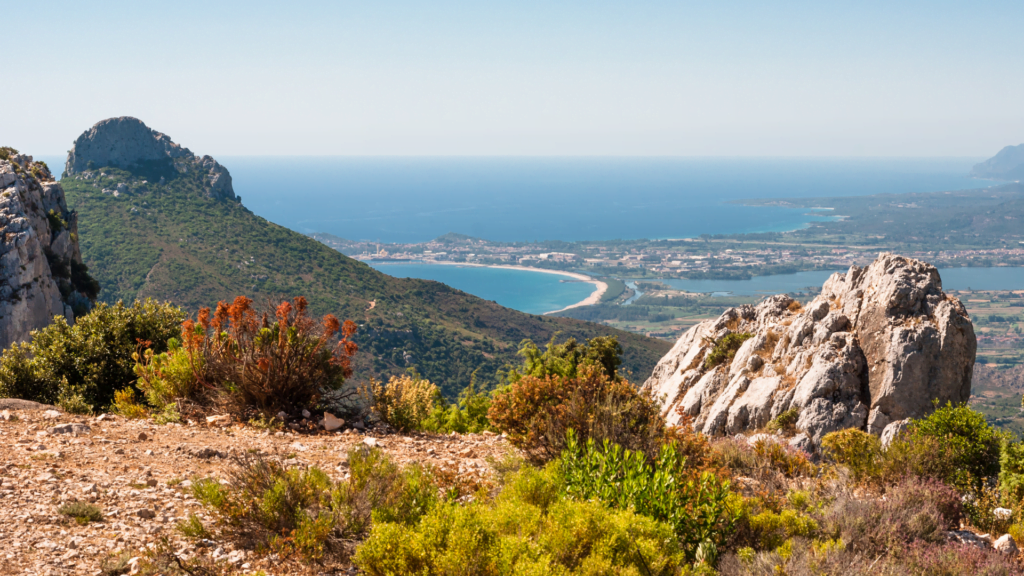
Not everything about central Sardinia is as straightforward as the photographs suggest. Here are the things worth knowing before you go.
On the Oristano coast and the Maestrale: The Sinis Peninsula and the beaches around Oristano are directly exposed to the Maestrale, the north-westerly wind that is a structural feature of Sardinian summer weather. Winds of 30-50 km/h are common in July, particularly in the afternoon, and can arrive quickly. Is Arutas and Mari Ermi face west: beautiful in calm conditions, choppy and grey when the wind is up. The water clarity you see in most photographs requires calm sea. If you arrive and the waves are heavy, come back the following morning.
On the Gulf of Orosei in August: Every photograph of Cala Luna or Cala Mariolu in August was taken either very early in the morning or from an angle that excludes the boats. In peak summer, these beaches receive hundreds of visitors daily and dozens of boats anchor offshore. The water is genuinely clear and the setting is real, but the solitude of the photographs is not. Come in June or September if that matters to you.
On Gorropu and the rain: The canyon is absolutely worth doing. It is also a limestone karst system that channels water very fast from the plateau above. The access track along the riverbed is safe in dry weather and hazardous after heavy rainfall. People who live near Dorgali and Urzulei do not go there in autumn or winter without checking conditions. Listen to your guide on this one.
On Autunno in Barbagia: From October to November, villages across the Barbagia take turns hosting open days as part of the Autunno in Barbagia festival. Artisans open their workshops, communal meals are set up in the streets, local products are sold, and traditional demonstrations continue through the day. Each weekend a different village participates: weavers, silversmiths, knife makers, and mask carvers in Mamoiada. This is, in the view of many Sardinians, the best time of year to visit the interior. The crowds are thin, the air is cool, and the villages show you something that the summer season does not.
The schedule is published each year at autunnoinbarbagia.it.
Central Sardinia Interactive Map
Central Sardinia offers a unique and enriching experience for nature lovers and those seeking authentic encounters. This region stands out for its wild landscapes, rich history, and deep-rooted cultural traditions, making it a must-visit destination for travelers looking to explore beyond the typical tourist routes.
FAQ about Central Sardinia
What is Central Sardinia known for?
Central Sardinia is known for the Barbagia mountains and their village culture, the Gulf of Orosei and its boat-only beaches, the Gennargentu National Park, the Sinis Peninsula with the Tharros ruins and quartz beaches, and the Giara di Gesturi with its wild horses. The Ogliastra area is also one of the world’s five verified Blue Zones.
Is Central Sardinia worth visiting?
Yes, particularly if you are looking for something beyond beach tourism. The interior rewards people interested in archaeology, serious hiking, local food culture, and authentic village life. It requires a car and some advance planning. Those same factors keep visitor numbers lower than on the main coasts, which is part of the appeal.
How do you get around Central Sardinia without a car?
With difficulty. Regional buses connect the main towns and the narrow-gauge Trenino Verde crosses sections of the interior. But most trailheads, beaches, and village sites have no useful public transport. Organised tours departing from Cagliari, Cala Gonone, or Olbia are the practical alternative for individual sites if you prefer not to drive.
What is the best time to visit Central Sardinia?
It depends on your priorities. For the Gulf of Orosei beaches: June and September. For Barbagia villages and culture: October-November (Autunno in Barbagia). For hiking in the Gennargentu and Supramonte: late April through June and again in September. Oristano and the Sinis are good from April to October, with the beaches best in May-June and September.
Are there beaches in Central Sardinia?
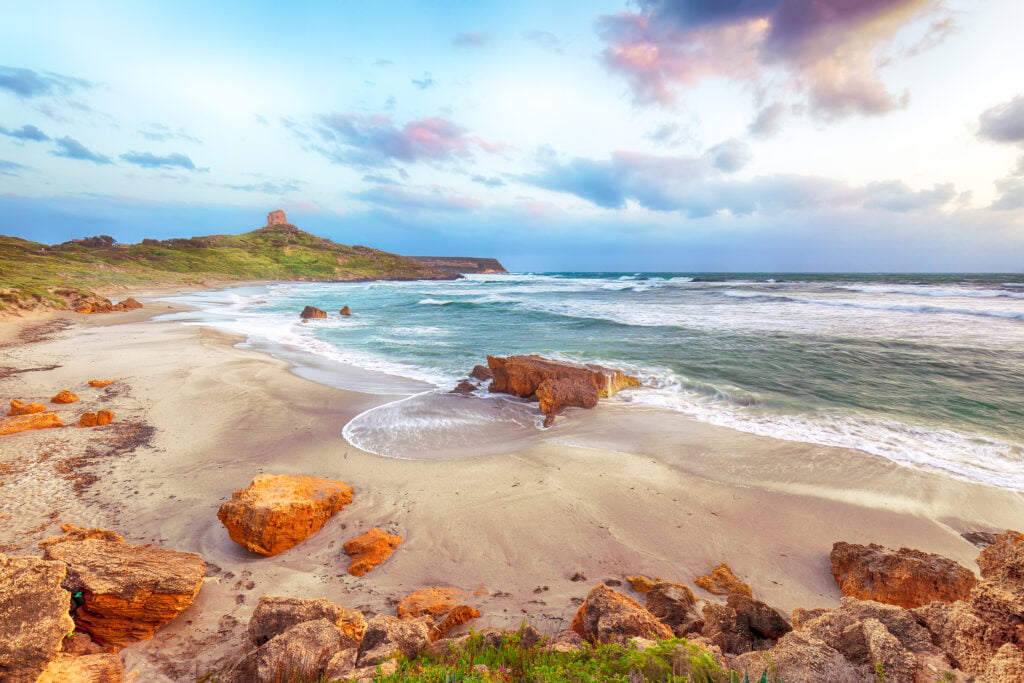
Yes, some of the best on the island. The Gulf of Orosei (Cala Luna, Cala Mariolu, Cala Goloritzè) runs along the eastern coast of the central region. The Sinis Peninsula near Oristano has Is Arutas and Mari Ermi, with their quartz-crystal sand. The two areas look entirely different: the Gulf beaches are tucked under limestone cliffs with turquoise water; the Sinis beaches are flat, open, and pale to the point of looking white from a distance.
What is Autunno in Barbagia?
Autunno in Barbagia is a cultural festival held each autumn, usually from October to November, in which villages of the Barbagia take turns hosting open days. Artisans open their workshops and studios, communal food is served outdoors, and traditional crafts and folklore demonstrations take place. It is the most accessible way for a visitor to experience the interior’s culture in a genuinely local context. Schedule and participating villages are published at autunnoinbarbagia.it.
- What makes the interior of the island unique?
Unlike the coast, this region offers rugged landscapes and authentic mountain culture, making it one of the top reasons why Sardinia is worth visiting. - Are there any major natural landmarks nearby?
Central Sardinia is home to the stunning peaks of the Gennargentu National Park, perfect for those seeking wilderness and high-altitude views. - Which town is considered the cultural capital of this area?
The city of Nuoro and its surroundings offer a deep dive into the island’s literary and artistic heritage. - Is this region good for active holidays?
Definitely. It is the premier destination for trekking and hiking in Sardinia, with trails leading through deep limestone canyons.
Sources
- Parco Nazionale del Gennargentu e Golfo di Orosei (parcogennargentu.it)
- Regione Sardegna – Sardegna Turismo (sardegnaturismo.it)
- Museo delle Maschere Mediterranee, Mamoiada (museodellemaschere.it)
- Autunno in Barbagia (autunnoinbarbagia.it)
- Tharros Archaeological Park (tharros.it)
- Buettner, D. – “The Blue Zones: Lessons for Living Longer from the People Who’ve Lived the Longest”, National Geographic Society
- Ministero della Cultura – Scheda di Tiscali (vincoli.beniculturali.it)