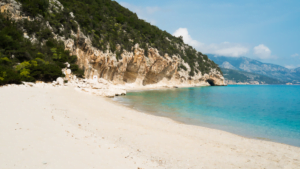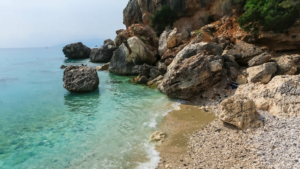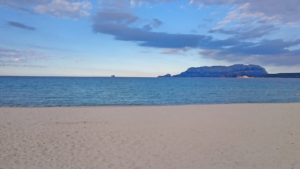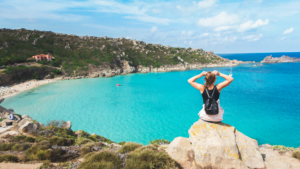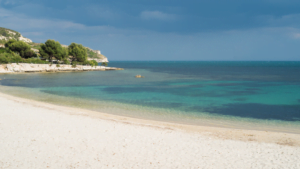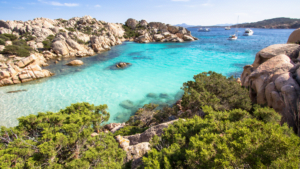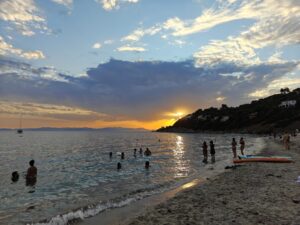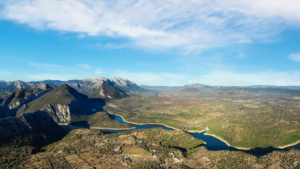
Looking for the best things to do in Villasimius? In this local guide, I share top beaches, boat tours and practical tips to plan your holiday.

Villasimius sits on the southeastern tip of Sardinia, right where the Tyrrhenian Sea meets the Channel of Sardinia. Once a quiet village of fishermen, farmers and granite quarry workers known as Carbonara, it has transformed into one of our premier coastal getaways. The entire peninsula is protected by the Capo Carbonara Marine Protected Area, which keeps the water crystal clear and preserves marine life across rocky shoals and seagrass meadows.
Whether you plan an active holiday packed with snorkeling and coastal hikes or simply want to unwind on powdery sand, getting the logistics right makes all the difference. In this guide, I share my personal recommendations on what to see, where to eat authentic local food and how to avoid common tourist traps.
Best beaches in Villasimius: where to swim and relax
The coastline around Villasimius curves like a crown. This shape creates sheltered bays facing different compass directions. This unique geography means that no matter how strong the wind blows, you can always find calm, mirror-flat water if you know where to look.
Porto Giunco
Porto Giunco is the crown jewel of southeastern Sardinia. A broad ribbon of pale pink and white sand separates the open sea from the coastal lagoon of Notteri, where wild flamingos gather. The water is exceptionally shallow for dozens of meters, displaying shades of pale aquamarine that rival any tropical destination.
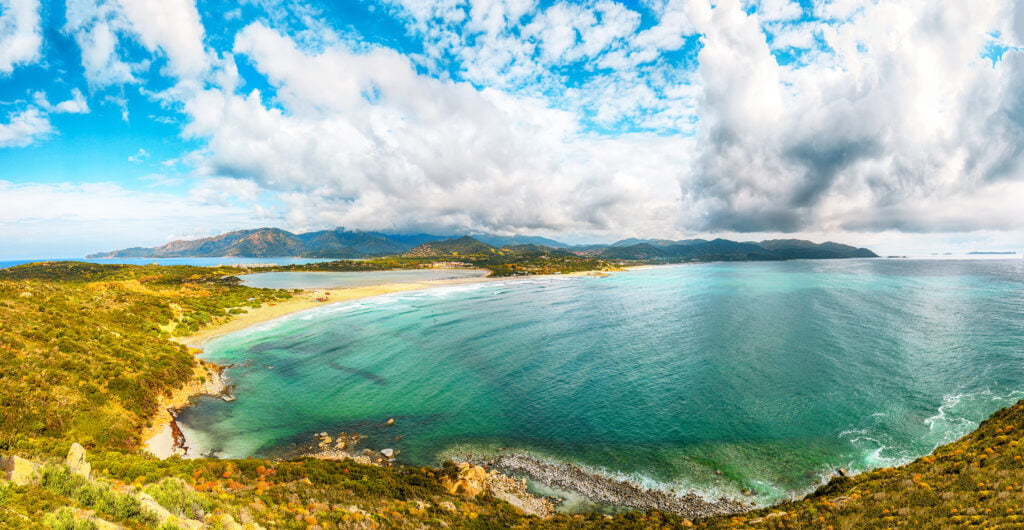
When I visit Porto Giunco, I like walking south toward the promontory. A dusty footpath climbs through wild juniper and mastic bushes up to the 16th-century Spanish watchtower. The view from up there takes in the entire bay, the dark blue lagoon and the open sea toward Capo Carbonara. For complete details on parking and amenities, take a look at our Porto Giunco beach guide.

During peak summer, the main paid parking lot fills up quickly. Arrive before 9:00 AM. Alternatively, wait until late afternoon after 4:30 PM, when families head back to their hotels and the golden light makes the sea glow.
Punta Molentis
Punta Molentis is an architectural masterpiece of granite and sand. The beach forms a narrow isthmus connecting the mainland to a rocky headland that was once home to a coastal quarry and an ancient Nuragic watchpoint. On one side you have a sheltered cove of turquoise water; on the other, raw granite boulders battered by open currents.

Is the extra effort of pre-booking worth it? Absolutely. Because Punta Molentis is delicate, the local municipality caps daily visitor numbers. You must book your access and parking spot in advance online through the official municipal portal during summer. Without a confirmed reservation, municipal wardens will turn your car away at the gate. If you want a complete breakdown of reservation rules and photo spots, read our dedicated Punta Molentis travel guide.

The seabed here drops off gently near the sandy shore. Bring your mask and snorkel. Schools of saddled seabream and small sea bass frequently swim right next to bathers along the granite rocks.

Porto Sa Ruxi
Porto Sa Ruxi greets you as you drive into Villasimius from Cagliari along the scenic coastal road. It consists of three small, crescent-shaped sandy coves separated by smooth granite headlands and framed by century-old juniper trees shaped by the prevailing winds.

This beach is my top recommendation whenever the Scirocco or Libeccio wind blows from the south. The natural orientation of the coves keeps the water remarkably calm while southern beaches get choppy. The rocky points between the coves are alive with marine life. Families and beginners will find this one of our easiest shore-snorkeling spots.

There is a paid parking area shaded by eucalyptus trees, along with basic beach service rentals during summer. Space on the sand is limited, so early arrival remains essential.

Spiaggia di Simius
Simius is the official town beach of Villasimius, stretching for over a kilometer right in front of the village. It connects directly with the beach of Timi Ama to the south, forming an uninterrupted arc of fine white sand kissed by turquoise water.

I love Simius for its sheer convenience and open space. You can easily stroll here from town or park in one of several dedicated lots behind the sand dunes. From the shoreline, you enjoy an unobstructed panorama of Isola dei Cavoli and its historic lighthouse out on the horizon. The seabed slopes gradually, so young children can wade safely.

Along the beach, you will find a balanced mix of free public sand and well-equipped beach clubs offering sun loungers, umbrella rentals, pedal boats and seaside cafes.

Spiaggia di Campus
Campus Beach sits just west of the village near the mouth of a seasonal river basin. The sand here has a warmer, golden hue. It is slightly coarser than at Porto Giunco, which keeps the water crystal clear even on busier afternoons.
A lush grove of maritime pines runs along the northern section of the beach. It provides welcome natural shade during the scorching midday heat. Because Campus is wide and spacious, it rarely feels crowded. It remains a top choice for quiet reading and long coastal walks.
Several reputable beachfront restaurants and small kiosks serve chilled local drinks and fresh seafood lunches right beside the waves.
Campulongu
Campulongu lies on the western side of the Capo Carbonara promontory, nestled between Campus and the marina. It is a long, gentle beach of fine white sand surrounded by residential villas, maritime pines and low dunes.

The water at Campulongu stays shallow for a long distance from the shore. On breezy afternoons, the western breeze creates gentle conditions that windsurfers and stand-up paddleboarders enjoy. If you visit with small children, this is one of the safest spots around Villasimius for building sandcastles and splashing around without unexpected drop-offs.

Facilities include beach equipment rentals, accessible walkways and seasonal snack bars.
Cala Caterina
Cala Caterina sits at the far southwestern edge of the peninsula, tucked below the granite villas of the surrounding residential enclave. Unlike the sweeping sandy bays nearby, this is an intimate, rocky inlet composed of several secluded pocket coves bordered by reddish granite boulders.

I always suggest Cala Caterina to travelers looking for quiet contemplation rather than bustling beach clubs. The seabed here is rich in marine vegetation, sea urchins and rocky crevices where octopus hide. Wear sturdy water shoes to navigate the rocks comfortably. Make sure to stay until sunset: the view across the Gulf of Carbonara as the sun sinks behind the mountains is memorable.

There are no commercial facilities or beach bars directly on the sand here, which preserves its wild and authentic atmosphere.
Spiaggia di Notteri and the flamingo lagoon
Spiaggia di Notteri represents the southern extension of Porto Giunco, forming the sand spit that encloses the coastal lagoon known as Stagno di Notteri. The sand is exceptionally soft and pale. Pink highlights along the water edge come from crushed shells and fragments of pink granite.

The real magic here happens when you turn your back on the sea and look at the lagoon. Large colonies of greater flamingos (Phoenicopterus roseus) feed in the shallow brackish water throughout much of the year. In our local Sardinian language, we call them gent’arrubia, which translates to “the red people.”
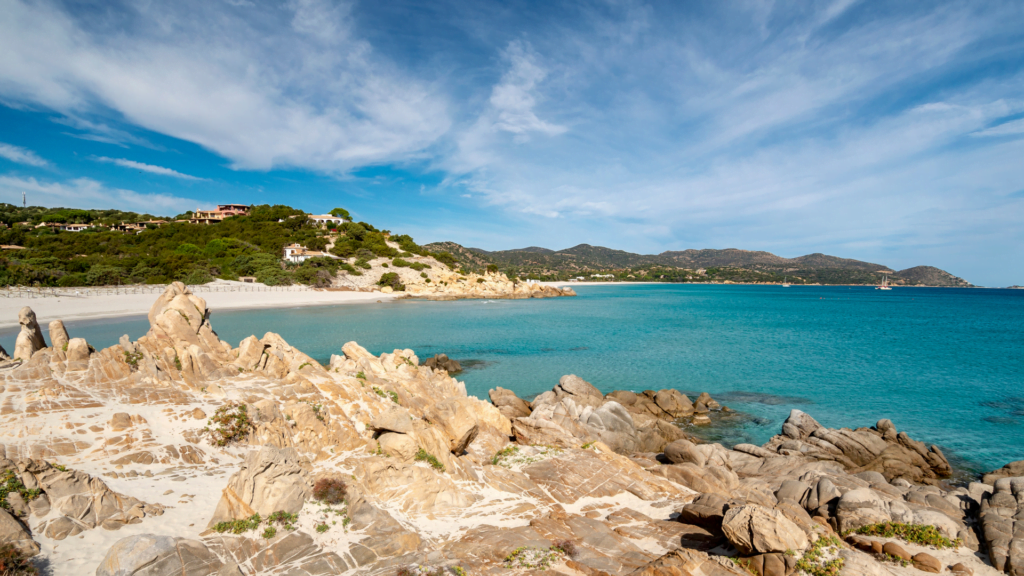
Please treat the lagoon with respect: never wade into the water or fly drones over the birds, as disturbing their feeding grounds threatens the local ecosystem.
Is Traias
Is Traias is a cozy, crescent-shaped cove located just north of Simius Beach, protected by two low rocky points that shelter it from open sea currents. The shoreline features pale sand mixed with small pebbles, and the water is transparent and calm.
Because Is Traias is slightly less famous than Porto Giunco or Punta Molentis, it offers a quieter refuge during the busy weeks of July and August. The surrounding hills are carpeted with wild rosemary and mastic bushes that scent the air when warmed by the Mediterranean sun.
A small beach bar rents loungers and serves quick lunches, while the rocky margins provide entertaining snorkeling for all skill levels.
Spiaggia del Riso
Spiaggia del Riso, or “Rice Beach,” takes its name from the tiny, polished quartz pebbles that once covered its shoreline, resembling grains of white rice. Decades of heavy foot traffic and marina development altered the shoreline, but the beach remains an interesting stop right next to the modern tourist port.
The beach features calm water sheltered by the harbor breakwater, with direct views of passing sailboats. It sits directly next to camping facilities and dining spots. This location makes it convenient if you stay nearby or want a quick swim before catching an afternoon boat tour.
Rio Trottu and Manunzas
For travelers who appreciate rugged nature without umbrellas and sun loungers, Rio Trottu and Manunzas offer genuine tranquility. Located north of Villasimius along the winding road toward Castiadas, these twin coves feature coarse sand, granite pebbles and clear water flanked by Mediterranean scrub.
Reaching them requires a short walk down dirt trails from the road. You will not find beach clubs or cocktail bars here, so pack your own drinking water, sun protection and sturdy footwear. In return, you get the quiet sound of rolling pebbles and uncrowded swimming even in the height of summer.
Things to do in Villasimius: top activities
Beyond relaxing on world-class sand, Villasimius provides fantastic outdoor activities. Exploring the Capo Carbonara Marine Protected Area by boat, diving historical reefs or paddling along granite cliffs gives you an entirely different perspective of Sardinia’s marine heritage.
Dinghy boat tour to Isola dei Cavoli and Punta Molentis
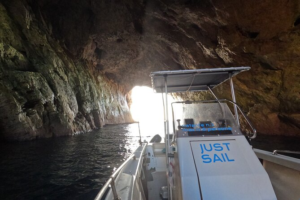
Taking an open dinghy (RIB) tour around the promontory of Capo Carbonara is the single best way to appreciate the dramatic scale of this coastline. Departing straight from the Villasimius marina, this excursion navigates past sheer granite sea cliffs to Isola dei Cavoli, stopping for swimming breaks at Punta Molentis and the natural turquoise pools known as Piscine di Venere.
Out by Isola dei Cavoli, you will see its 19th-century lighthouse built around an ancient round Spanish lookout tower. Right in these waters, resting at an 11-meter depth on the sandy seabed, sits the submerged granite statue of the Madonna del Naufrago, created by the renowned Sardinian sculptor Pinuccio Sciola. Check availability and reserve your seats on this Isola dei Cavoli and Punta Molentis Boat Tour.
Guided snorkeling in the Capo Carbonara Marine Protected Area
If you prefer exploring beneath the surface without wearing scuba tanks, a guided boat snorkeling excursion offers equal thrills. Experienced marine guides navigate to the most sheltered reefs inside the marine reserve, helping you spot large groupers, octopus, sea urchins and glittering schools of bream swimming through the emerald Posidonia oceanica meadows.
All necessary equipment including masks, snorkels and fins is provided on board, along with short wetsuits during early summer. Discover itineraries and secure your excursion through this Capo Carbonara Snorkeling Tour.
Villasimius Porto Giunco and Campus beach tour from Cagliari
Staying in Cagliari without renting a car? Booking an organized beach day tour solves all your transportation needs. A modern, air-conditioned minivan collects you in central Cagliari and whisks you along the scenic provincial highway SP17, delivering you straight to the shores of Porto Giunco and Campus Beach.
You get hours of uninterrupted sunbathing, swimming and seaside dining without the stress of navigating unfamiliar roads or searching for rare parking spots in peak season. Book your round-trip transfer on this Villasimius Beach Tour from Cagliari.
East coast beaches small-group excursion from Cagliari
For an even wider exploration of southeastern Sardinia’s coast, this guided small-group tour takes you past the dramatic granite cliffs of Solanas before spending the day along the turquoise bays of Villasimius.
With small groups limited to a handful of travelers, your local guide shares authentic historical anecdotes about the Spanish coastal towers while you hop between secluded coves and sweeping white sandy beaches. Check live dates and book your place on this East Coast Beaches Tour from Cagliari.
Private driving tour of Cagliari highlights and Villasimius hidden beaches
Travelers seeking a fully personalized, VIP day trip can book a private chauffeur and guide. This tailored experience pairs morning cultural sightseeing in Cagliari’s historic hilltop quarters with an afternoon of swimming at the most private, secluded coves around the Capo Carbonara peninsula.
You dictate the pace of the day, choose where to stop for photos along the coast and enjoy recommendations on family-owned trattorias away from the tourist crowds. Learn more about booking this Cagliari and Villasimius Private Tour.
Capo Carbonara sailboat and catamaran cruises
Gliding silently through the Marine Protected Area on a sailboat powered by the afternoon sea breeze is an unforgettable Sardinian memory. Daily small-group charters depart from the marina, charting courses toward Serpentara Island and the granite promontory of Capo Carbonara.
Most sailing excursions include generous lunches prepared fresh on board, featuring local pecorino sardo, crisp carasau flatbread, savory olives and chilled Vermentino di Sardegna DOC wine. You can compare different boats, catamarans and sunset cruises directly on the GetYourGuide Villasimius Boat Tours Portal.
What to see in Villasimius: historical and cultural landmarks
While beaches grab the headlines, Villasimius possesses a deep cultural identity shaped by millennia of Mediterranean trade, pirate raids and industrial quarrying. Spending an afternoon discovering these landmarks enriches your understanding of southern Sardinia.
Torre di Porto Giunco
Perched on a rocky promontory 50 meters above sea level, the Torre di Porto Giunco stands as a proud sentinel overlooking the bay. Erected during the late 16th century by the Spanish Crown as part of an island-wide coastal defense network, it was designed to spot Saracen pirate vessels and alert nearby villages using smoke signals by day and beacon fires by night.
The hike up to the tower starts near the Porto Giunco parking area and takes about 20 to 25 minutes along a well-trodden, rocky path. Wear closed-toe shoes rather than flip-flops. Once at the top, the panoramic view spans the turquoise waters of Porto Giunco, the pink-tinged Notteri lagoon and the rugged granite cliffs of Capo Carbonara.
Fortezza Vecchia
Located on a rocky ridge guarding the entrance to the modern tourist port, the Fortezza Vecchia (Old Fortress) is a triangular military bastion with origins dating back to the 14th century. Modified during Spanish rule in the late 1500s, it served as a primary defensive fortification protecting coastal fishing grounds and granite extraction docks.
Today, the fortress hosts cultural exhibitions, art shows and classical music concerts during the summer season. Strolling along its restored ramparts offers great perspectives over the marina and out toward the open sea.
Museo Archeologico Comunale
In the center of town along Via Amsicora, the Archaeological Museum provides a compact, well-curated window into the ancient civilizations that settled this coast. Villasimius was a bustling crossroads for Nuragic tribes, Phoenician traders, Carthaginians and Romans.
The museum displays artifacts recovered from local shipwrecks and terrestrial excavations, including Roman terracotta amphorae, bronze items, Punic coins and votive offerings recovered from the ancient shrine of Cuccureddus. It is an ideal cultural stop, especially during hot summer afternoons or occasional rainy mornings.
Cuccureddus archaeological site
Located on a low hill near the mouth of the Riu Foxi stream, Cuccureddus holds significant historical weight. Excavations revealed the remains of an archaic Phoenician and Punic settlement dating from the 8th to the 6th century BC, later reused by Roman merchants as a coastal trading sanctuary dedicated to maritime divinities.

Sailors passing Capo Carbonara pulled their vessels ashore here to seek safe harbor, replenish fresh water supplies and leave offerings to ensure favorable winds. Visiting the site provides a tangible link to the ancient maritime navigators who charted these waters thousands of years ago.
The local perspective: what Sardinians think
As a Sardinian who has explored every corner of our island, I always remind visitors that Villasimius demands respect and local know-how. If you approach it like a generic beach resort, you will run into crowded parking lots and choppy seas. If you listen to how we locals navigate our coastline, you will have an unforgettable stay.
1. The geographical and climatic rule: picking beaches by the wind
Wondering why the water looks like glass on one side of the cape while the other has whitecaps? In Villasimius, your morning routine should always begin by checking the wind forecast. Because the peninsula juts out into open sea, it is flanked by two distinct coastlines facing east and west.
When the Maestrale (Mistral, our strong northwesterly wind) blows, the entire western coast becomes rough and windy. That is your cue to head straight to the eastern beaches: Porto Giunco, Simius, Is Traias and Punta Molentis will be sheltered, calm and breathtakingly flat.
When the Scirocco or Ostro blows from the south and southeast, the reverse happens. The eastern bays develop rolling surf and churned-up sand, while western beaches like Porto Sa Ruxi, Campus and Campulongu remain sheltered and tranquil. Keep this rule in mind, and you will never spend a day battling headwinds on the beach.
2. Logistics, driving times and the Punta Molentis quota
Villasimius lies roughly 50 kilometers east of Cagliari. Driving here along the panoramic SP17 provincial road is a visual treat, winding past high cliffs, coastal watchtowers and emerald coves. In May, June, September and October, the drive takes about 55 to 65 minutes.
During the peak weeks of July and August, however, traffic builds up heavily, especially on Sunday mornings and late afternoons when Cagliari residents travel to and from the beaches. Factor in an extra 30 to 45 minutes on weekends.
Regarding Punta Molentis, do not make the mistake of driving there without a pre-booked parking ticket in peak summer. The daily vehicle cap is strictly enforced to protect the dunes, and municipal officers will turn you around with nowhere to leave your car along the main road. Book your pass early online or visit in the shoulder months when parking access is open.
3. Historical roots: from ancient Carbonara to marine conservation
Many tourists assume Villasimius has always been a leisure haven. In reality, until the mid-20th century, this area was known as Carbonara, a remote outpost centered around charcoal production, small-scale farming and granite quarrying. At Cava Usai on the southern tip, stonecutters chiseled massive granite blocks directly out of the coastal cliffs, shipping them on barges to pave roads and build piers across mainland Italy and Europe.
In 1998, the Italian Ministry of the Environment established the Capo Carbonara Marine Protected Area. That decision marked a turning point, transforming a community reliant on heavy extraction into guardians of a fragile marine ecosystem. When you swim in these waters today and see schools of fish unafraid of humans, you are witnessing the direct success of over two decades of strict environmental stewardship.
Getting around: car rental in Villasimius
To truly experience Villasimius and the surrounding coastal territory, having a car is practically essential. While the village center is easily walkable on foot in the evenings, the beaches, trailheads and archaeological sites are scattered across several kilometers of hilly terrain with minimal pedestrian paths.
Public buses run between Cagliari and Villasimius, but they cannot take you to hidden coves like Porto Sa Ruxi or scenic overlooks along Capo Carbonara. To explore with total freedom, I recommend picking up a rental car directly upon landing at the island’s primary international gateway: Cagliari Elmas Airport car rental. Comparing rental rates in advance ensures you secure a reliable car at competitive prices before summer availability tightens.
Where to sleep in Villasimius: recommended hotels and B&Bs
Choosing the right accommodation depends on whether you prefer beachfront luxury, peaceful garden residences or family-run town hospitality. Here is my curated selection of verified properties catering to different budgets.
- Almar Timi Ama Resort & Spa – Luxurious 5-star haven overlooking Notteri lagoon with private beach, state-of-the-art thalassotherapy spa and fine dining – Book Almar Timi Ama Resort
- Hotel Simius Playa – Refined 4-star hotel facing Simius Beach with manicured gardens, outdoor pool and excellent seafood dining – Book Hotel Simius Playa
- Falkensteiner Resort Capo Boi – Premium Moorish-style resort tucked into a private bay surrounded by Mediterranean vegetation – Book Falkensteiner Capo Boi
- Hotel Cormoran – Relaxed 4-star family hotel situated directly on Campus Beach with swimming pools, tennis courts and water sports – Book Hotel Cormoran
- Hotel Mariposas – Welcoming mid-range hotel located a short walk from Simius Beach featuring clean rooms, a garden and a pool – Book Hotel Mariposas
- B&B I Graniti Sardi – Charming budget-friendly B&B near the town center with granite decor, shaded patio and authentic Sardinian hospitality – Book B&B I Graniti Sardi
- B&B Simius Bay – Comfortable and affordable guesthouse ideally located between town amenities and the beach – Book B&B Simius Bay
Evening strolls and dining in Villasimius town
When the sun dips below the horizon, daily life in Villasimius shifts from the coast to the pedestrian heart of the village. The central axis along Via Umberto I and Piazza Margherita becomes closed to traffic, transforming into a vibrant gathering spot for locals and travelers alike.

Artisan boutiques sell handcrafted Sardinian ceramics, cork accessories, local silver filigree jewelry and traditional textiles. Street performers often entertain families while outdoor cafes fill with patrons enjoying evening aperitifs.
For dinner, look beyond generic tourist menus and seek out traditional southern Sardinian specialties. Make sure to try:
- Fregola con le arselle: Toasted semolina pearls cooked risotto-style with fresh local clams, garlic, parsley and white wine.
- Malloreddus alla campidanese: Traditional Sardinian gnocchetti tossed with a rich pork sausage, tomato and saffron sauce, topped with aged pecorino cheese.
- Spigola o orata all’isolana: Fresh local sea bass or sea bream baked with thin potato slices, cherry tomatoes, capers and olive oil.
- Seadas: A crispy fried pastry filled with fresh melted pecorino cheese, drizzled generously with warm bitter strawberry-tree honey.
Pair your meal with a crisp bottle of Vermentino di Sardegna DOC for seafood, or a full-bodied Cannonau di Sardegna DOC when savoring hearty pasta and meat dishes.
Day trips from Villasimius
If you stay in Villasimius for a week or longer, take advantage of your location to explore neighboring districts across southern and southeastern Sardinia.

Costa Rei
Just 20 minutes north of Villasimius lies the long, golden shoreline of Costa Rei. Known for its wide stretches of sand and shallow turquoise sea, it is less enclosed than Villasimius and feels wilder. Highlights include the beach of Monte Turno, Cala Sinzias and the iconic Peppino’s Rock (Scoglio di Peppino) at Santa Giusta. For planning a scenic drive north, consult our comprehensive Costa Rei travel guide.
Cagliari
Sardinia’s historic capital sits only an hour’s drive west. It is a vibrant Mediterranean city steeped in millennia of maritime history. Explore the hilltop medieval Castello district, admire panoramic views from the Bastione di Saint Remy, visit the Roman Amphitheatre and wander through the bustling San Benedetto food market, one of Europe’s largest covered fish markets. For recommended itineraries and accommodations, see our guide on the best things to do in Cagliari.
Scuba diving hot spots and southern explorations
The southern coast is packed with natural reserves, sea caves and hiking trails. If you enjoy scuba diving, the area around Capo Boi and the Gulf of Cagliari features some of the finest shipwrecks and submerged canyons in the Mediterranean; check out our curated guide to diving spots in Sardinia. For a wider roadmap covering Nora, Chia and Sant’Antioco, read our comprehensive South Sardinia travel guide.
Planning your travel dates thoughtfully can transform your entire experience. While Sardinia in August offers peak summer energy and lively nightlife, visiting Sardinia in September brings warm sea temperatures, empty parking lots and peaceful beaches.
FAQ about things to do in Villasimius
Is Villasimius worth visiting?
Yes, Villasimius is one of Sardinia’s most spectacular coastal destinations. Its unique position within the Capo Carbonara Marine Protected Area ensures clear waters, rich marine life, diverse beaches and a lively town center filled with dining and evening entertainment.
How many days should I spend in Villasimius?
A stay of 4 to 7 days is ideal. This gives you enough time to explore iconic beaches like Porto Giunco and Punta Molentis, take a boat tour out to Isola dei Cavoli, hike to historical towers and take day trips along the panoramic southeastern coast without rushing.
Do I need a car in Villasimius?
Having a rental car is strongly recommended. While the town center is compact, the best beaches, scenic viewpoints and nature trails are spread across 10 to 15 kilometers of coastline with limited public bus connections.
Which is the best beach in Villasimius for families with young children?
Simius Beach, Campulongu and Campus are the best family options. All three feature soft sand, shallow waters with very gradual drop-offs, convenient parking nearby and beach service rentals with snacks and lifeguards.
How do I visit Punta Molentis, and do I need a reservation?
During peak summer (typically June through September), access to Punta Molentis is regulated to protect the natural environment. You must book your vehicle parking and entry ticket online in advance through the official municipal website.
What is the most famous beach in Villasimius?
Porto Giunco is the most famous beach in Villasimius, celebrated for its powdery white sand, shallow turquoise sea and the adjacent Notteri lagoon where pink flamingos nest.
Official sources consulted
- Area Marina Protetta Capo Carbonara (Official Reserve Portal: ampcapocarbonara.it)
- Comune di Villasimius (Official Municipal Portal: comune.villasimius.ca.it)
- Sardegna Turismo (Official Regional Tourism Board: sardegnaturismo.it)
- Museo Archeologico Comunale di Villasimius (Cultural Heritage Documentation)