
Discover the best things to do in Olbia with this complete insider guide to northeast Sardinia. Learn what to see, explore secret beaches, taste fresh local mussels, and choose reliable accommodations.

When travelers ask me if Olbia is worth visiting, I tell them to slow down. Why rush off the moment your flight lands? Most visitors treat our city as a brief transit stop on their way to Costa Smeralda. They grab their rental cars and disappear north.
I was born and raised in Sardinia. Here you walk past Roman ruins, dine in neighborhood trattorias, and swim in turquoise coves without paying resort prices. This guide gathers my personal recommendations, top historical landmarks, verified boat tours, and practical local advice.
Is Olbia Worth Visiting? The Local Truth
Guidebooks often dismiss Olbia as a mere transit port. That assessment misses the point. Olbia is a living Sardinian city of 60,000 residents with an active community, authentic markets, and year-round energy.
Why you should not just treat Olbia as a transit hub
Olbia gives you a slice of real Sardinian life that seasonal resort villages cannot match. You can order an espresso at a sidewalk table on Corso Umberto without paying luxury markups. The city center is flat and pedestrian-friendly. It serves as a comfortable, peaceful base after an active day exploring the coastline.
Food is another decisive factor. Olbia sits on an enclosed gulf famous for shellfish farming. Trattorias receive fresh mussels directly from local boats each morning. Choosing a hotel in Olbia also saves you considerable money compared to Porto Cervo, while keeping you within a short drive of world-class beaches.
How long to spend in Olbia
If you are on a tight road trip through northern Sardinia, dedicate at least one full day here. You can stroll through the historic core, tour the archaeological museum, and catch the sunset at Pittulongu.
Using Olbia as your primary hub for the region works exceptionally well. Setting up base for three to four days allows you to explore without stress. You can embark on boat excursions to granite islands by day and return every evening to enjoy vibrant dining in the pedestrian center.
What to See in Olbia: Historic Center and Ancient Heritage
Olbia was founded as a Greek trading post called Olbiòs, meaning “the happy town.” Later it grew into a fortified Roman naval harbor. You can easily discover the city’s ancient roots on foot, as most landmarks sit right downtown or just outside the perimeter.
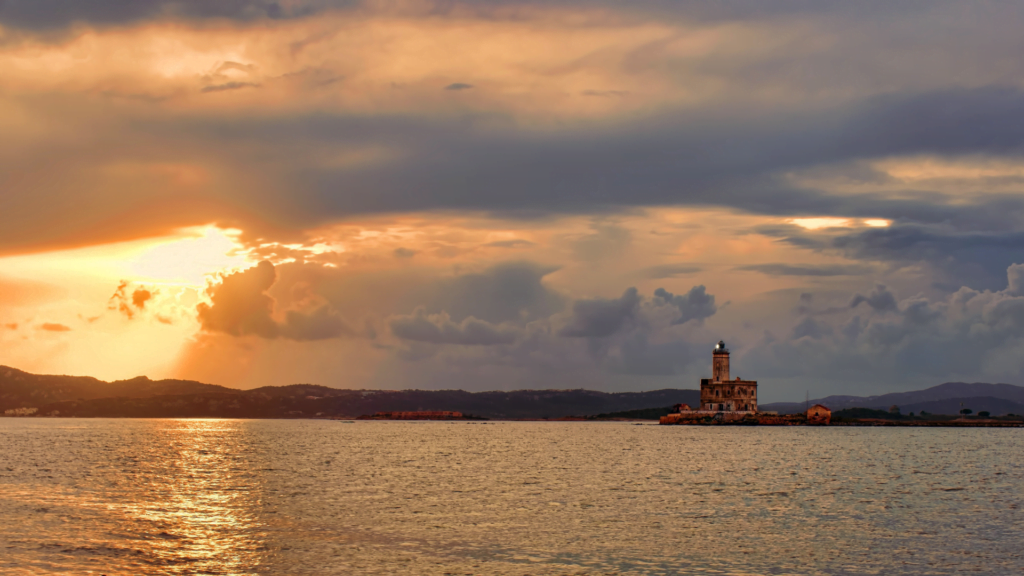

Basilica di San Simplicio and the Underground Necropolis
The Basilica di San Simplicio stands as Olbia’s architectural masterpiece. Built between the late eleventh and early twelfth centuries from heavy blocks of local grey granite, this Romanesque church honors the patron saint and first bishop of the city.
The interior is solemn and quiet. Three aisles rest on granite columns, with medieval frescoes and Roman funerary slabs adorning the walls.
Below the adjacent plaza lies the San Simplicio Necropolis. This underground site contains nearly 450 excavated tombs from Punic, Roman, and early Christian centuries. Walking among these stone graves shows how continuous urban life has remained here for over two thousand years.
Chiesa di San Paolo Apostolo
Located in the upper quarter of the old town, the Church of Saint Paul catches your eye immediately. Its octagonal dome sparkles with hundreds of vibrant, multi-colored majolica ceramic tiles.
The current church dates back to the mid-eighteenth century, erected upon medieval foundations and an ancient Roman temple dedicated to Hercules. Inside, you will find Venetian frescoes, a hand-carved wooden pulpit, and historic silver relics used during our patron festivals.
Strolling Corso Umberto and Piazza Margherita
Corso Umberto functions as the communal living room of the city. Every evening around six o’clock, the avenue closes to cars. Locals step outside for their customary evening walk.
The street features nineteenth-century palazzi, cork boutiques, regional craft shops, wine bars, and gelaterias. It leads straight down toward the waterfront. Take a seat outside in Piazza Margherita or Piazza Matteotti. Enjoy a cold drink and watch the rhythm of the city.
Museo Archeologico di Olbia
Located on the islet of Peddone across the old harbor, the Olbia Archaeological Museum resembles a moored ship. Admission is free, which makes it an essential stop for families and history enthusiasts.
The permanent galleries showcase relics recovered from harbor excavations. The highlight of the collection is the well-preserved wooden hulls and masts of Roman cargo ships sunk during a Vandal attack in the fifth century AD. Standing before these ancient timbers offers an unforgettable glimpse into Roman seafaring.
Su Monte ‘e s’Abe Giants’ Tomb and Castello di Pedres
Four miles south of downtown sits the Giants’ Tomb of Su Monte ‘e s’Abe. This Bronze Age collective burial monument belonged to the Nuragic civilization, built between 1600 and 1200 BC. The structure features a covered stone burial gallery, a curved ceremonial courtyard, and a central granite slab. For deeper context on these prehistoric monuments, consult my guide to the Giants’ Grave map and best tombs.
Right beside the tomb, perched atop a steep rocky hill, rise the ruins of Castello di Pedres. Built in the thirteenth century by the Visconti rulers of Pisa, the fortress guarded the plain of Olbia. Climb the stone steps to the castle tower to enjoy a panoramic view over the valley and Tavolara Island.
Pozzo Sacro Sa Testa and Roman Aqueduct
Driving northeast toward Pittulongu brings you to Pozzo Sacro Sa Testa. This Bronze Age sacred well sanctuary served Nuragic water cult ceremonies. It includes a paved circular courtyard, a stone antechamber, and steps descending to a clear underground spring. To discover more prehistoric towers across our island, see my guide to the best Nuraghe in Sardinia.
Near the residential quarter of Sa Rughittula, you can also inspect intact stone arches from the ancient Roman aqueduct. Built during the first century AD, it brought fresh water from the Cabu Abbas mountains directly to downtown Roman baths.
Leisure Activities and Urban Escapes
Olbia provides relaxing outdoor spaces right within its urban boundaries. If you want a break from historical sites or need a tranquil spot for an evening run, these green areas and seaside attractions are well worth your time.

Relax in Parco Fausto Noce
Spanning over forty acres, Parco Fausto Noce is the largest urban park in northern Sardinia and a true green sanctuary in the heart of Olbia. Shaded by Mediterranean pines, eucalyptus trees, and palm groves, the park features paved jogging paths, bicycle lanes, fountains, and dedicated children’s playgrounds.
Local families and runners gather here throughout the day. You will also find municipal tennis courts and open lawns where you can read under tree canopies during hot afternoons.
Take a Spin on the Olbia Ferris Wheel
Located along the waterfront promenade near Giardinetti Park and the old harbor, the Olbia Ferris Wheel (Ruota Panoramica) offers a delightful bird’s-eye view across the city. Standing over one hundred feet tall, its enclosed cabins provide air conditioning and thirty-six-degree vistas.
I love taking this ride at sunset. You can watch the evening sky turn violet over the Gulf of Olbia while fishing vessels and ferries glide into the harbor.
Best Beaches in and Near Olbia
What makes Olbia’s coastline so special? You can leave the city center and sink your toes into white sand within ten to fifteen minutes.

Spiaggia di Pittulongu (La Playa)
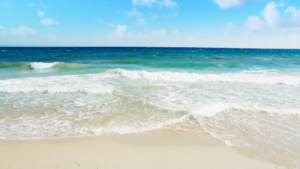
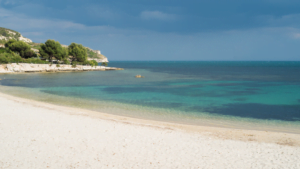
Pittulongu is Olbia’s main beach, situated five miles northeast of downtown. A sweeping crescent of fine white sand meets shallow, transparent water that stays calm on most days.
The seabed shelves very gently. This makes Pittulongu a top choice for families with toddlers. Beach clubs provide umbrella rentals, and casual seafood restaurants look straight out at Tavolara Island. For bus timetables and parking tips, read my dedicated Pittulongu beach guide.
Spiaggia di Bados
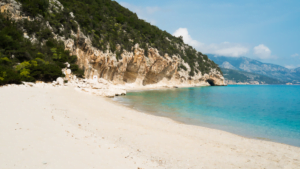
Just north of Pittulongu lies Bados. Local families often head here to dodge the heavy summer crowds. The cove is framed by low granite rocks and wild Mediterranean scrub.
The water is clear and emerald green. Two beach kiosks serve cold beer, fresh espresso, and traditional sandwiches. When southerly winds blow, Bados remains well sheltered. It offers peaceful conditions for a relaxing morning swim.
Porto Istana
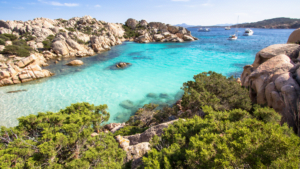
Eight miles south of Olbia, Porto Istana ranks among the most photogenic bays in northeast Sardinia. It comprises four small sandy coves divided by smooth granite rocks.
The sand is bright white and powdery. That clean sand gives the sea an unmistakable turquoise hue. Facing directly toward Tavolara, Porto Istana provides an unforgettable backdrop for snorkeling. Come early in July and August, as the municipal parking lot fills quickly.


Cala Brandinchi and Lu Impostu
Fifteen miles south near San Teodoro sits Cala Brandinchi, famously nicknamed “Little Tahiti.” Its shallow waters remain knee-deep far from the shore, surrounded by pine groves and sand dunes. Next door lies Lu Impostu, offering a wide sandy shoreline and crystalline water.
Both beaches use a mandatory online booking system with daily visitor limits from June to September. You must book your entry ticket several days ahead of time. Before you go, consult my practical guide on Cala Brandinchi for booking steps and parking fees.
Porto Taverna
Located twelve miles south of Olbia between Murta Maria and San Teodoro, Porto Taverna is celebrated for having the most dramatic, uninterrupted front-row view of Tavolara Island in Sardinia. The beach features a wide stretch of soft sand, clear water, and a natural coastal lagoon behind the dunes where pink flamingos often gather.
Several wooden beach bars and seafood restaurants line the back of the beach. It is an idyllic setting for a long, relaxed seaside lunch.
Cala Moresca
Nestled beneath the granite cliffs of Capo Figari near Golfo Aranci, Cala Moresca is a protected cove characterized by golden sand, smooth pebbles, and turquoise water. Motor vehicles must stop at a dedicated parking area half a mile away, preserving the quiet natural charm of the bay.
Dense pine woods surround the beach, offering shaded picnic tables under the branches. The rocky seabed teems with colorful Mediterranean fish. It ranks high on my list of personal favorite snorkeling spots near Olbia.
Punta Molara
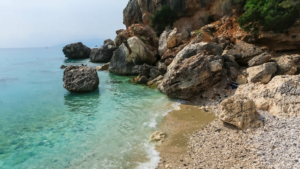
For travelers seeking seclusion away from serviced beach lidos, Punta Molara offers a rugged coastal stretch dotted with miniature granite coves. Reached via narrow footpaths winding through wild juniper and myrtle scrub, these private coves look straight across at Molara Island.
Bring your own water, sun protection, and snorkeling mask, as you will find no commercial kiosks along this untouched shoreline.
Spiaggia Le Saline
Located south of the commercial port, Le Saline takes its name from nearby historic salt basins. It features a wide stretch of golden-reddish sand.
This beach rarely feels packed, even in August. Its open exposure to winds makes it the top spot near Olbia for kitesurfing, windsurfing, and quiet coastal walks.
Things to do in Olbia: top activities
Booking boat excursions and guided tours lets you reach pristine marine reserves that are unreachable by car. Here are six verified activities, combining premium private trips with budget-friendly options.
Tavolara and Molara Islands Boat Tour with Snorkeling
Board a motorboat from Porto San Paolo to explore the Protected Marine Area of Tavolara. You will swim in the natural turquoise pools of Molara and observe colorful sea life with provided snorkeling gear.
Book this experience: Tavolara and Molara Islands boat tour
Dolphin Watching and Snorkeling Boat Tour
Departing from Golfo Aranci just fifteen minutes from Olbia, this boat trip navigates waters where a resident pod of bottlenose dolphins feeds daily, followed by swimming near Figarolo Island.
Book this experience: Golfo Aranci dolphin watching tour
Olbia Tuk Tuk City Tour with Local Wine Tasting
Tour Olbia’s historic alleys, the Roman aqueduct, and coastal parks aboard an open-air electric tuk-tuk, ending with a guided tasting of regional Vermentino di Gallura wine and local cheeses.
Book this experience: Olbia tuk tuk tour and wine tasting
Sea Kayak and Snorkeling Adventure in Protected Waters
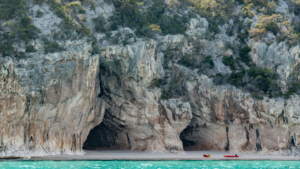
Paddle quietly past granite cliffs and secluded coves near Golfo Aranci, exploring small sea grottos and marine wildlife far away from motorboats.
Book this experience: Guided kayak and snorkeling excursion
Traditional Sardinian Pasta Cooking Class with Wine
Enter a private home kitchen in Olbia to learn how to prepare authentic handmade pasta like malloreddus and culurgiones, followed by a delicious sit-down lunch with local wine.
Book this experience: Traditional pasta cooking masterclass
Full-Day Sailing Excursion to La Maddalena Archipelago
Spend a memorable day on a comfortable catamaran cruising between Spargi, Budelli, and Santa Maria, anchoring in crystal-clear lagoons for snorkeling and lunch prepared on board.
Book this experience: La Maddalena catamaran sailing tour
Celebrations and Annual Events in Olbia
Experiencing local festivities is the most engaging way to connect with Sardinian culture and witness time-honored traditions firsthand. If your travel dates coincide with these celebrations, you will experience an authentic side of our city.

Festa di San Simplicio (Mid-May)
The Feast of San Simplicio is Olbia’s most important cultural and religious celebration. Held annually between May 11 and 15, the festival honors the city’s patron saint with five days of street markets, regional choir performances, and food stalls serving free fried mussels and local Vermentino wine.
The crowning event is the solemn religious procession through town, featuring hundreds of Sardinians in hand-embroidered traditional costumes from across the island, followed by the Palio della Stella horse race and fireworks over the gulf.
Festa di San Giovanni e Madonna del Mare (Late June)
Celebrated around June 24 on the feast of Saint John the Baptist, this maritime festival pays tribute to Olbia’s historic relationship with the sea.
A decorated flotilla of fishing boats and private vessels carries the statue of the Madonna across the Gulf of Olbia for a traditional blessing of the waters, accompanied by harbor races and seafood banquets along the waterfront.
Red Valley Festival and Summer Concerts
Every August during the Ferragosto holiday week, Olbia hosts the Red Valley Festival at the Olbia Arena. Attracting over one hundred thousand music fans across four nights, it is the largest summer music festival in Sardinia, hosting global electronic DJs and international pop artists.
For cinema lovers, July brings the Tavolara Film Festival (Una notte in Italia), where open-air film screenings take place directly on the beach beneath the towering limestone cliffs of Tavolara Island.
Rally Italia Sardegna (WRC)
Every June, Olbia transforms into the beating heart of the FIA World Rally Championship (WRC). The city’s harbor hosts the main service park and ceremonial starting ramp, with elite drivers racing through dramatic dirt roads carved into the granite mountains of Gallura.

Getting around: car rental in Olbia
Renting a car is essential if you want to explore ancient nuraghi, mountain towns, and hidden beaches across Gallura. City buses connect the airport and Pittulongu, but public transport to archaeological sites and quiet coves remains sparse.
I always recommend reserving your car well ahead of your arrival date. Peak summer demand drains vehicle fleets, driving up walk-in rates at airport desks. You can compare prices from top rental companies and book your car directly through:
Olbia Costa Smeralda Airport (OLB): Discovercars car rental in Olbia
If you are still deciding how to enter the island, take a look at my guide to airports in Sardinia to compare regional flight and ferry connections.
Where to sleep in Olbia
Ready to trade crowded resort lobbies for authentic island hospitality? You can pick between historic boutique hotels in the center or seaside resorts on the sand. Here are five verified properties catering to different styles and budgets.
Hotel Panorama – Elegant boutique hotel in the historic center with a panoramic rooftop terrace and wellness area – Check rates on Booking.com
Jazz Hotel – Modern four-star hotel located near Olbia airport, offering soundproofed rooms, an outdoor swimming pool, and fine dining – Check rates on Booking.com
The Pelican Beach Resort & Spa Adults Only – Peaceful luxury resort situated directly on Pittulongu beach with private access and oceanfront dining – Check rates on Booking.com
DoubleTree by Hilton Olbia – Reliable four-star hotel by the harbor featuring spacious guestrooms and an outdoor pool – Check rates on Booking.com
Domus Olbia Inn – Cozy, budget-friendly guesthouse tucked in a quiet historic street, offering immaculately clean rooms and local hospitality – Check rates on Booking.com
If you plan to tour the entire northern coast, check out my curated recommendations on where to stay in Northern Sardinia.
Excursions and Day Trips Near Olbia
Olbia works as an ideal launching pad for exploring northeast Sardinia. Within an hour of driving, you reach mountain hamlets, historic archipelagos, and glamorous coastal harbors.
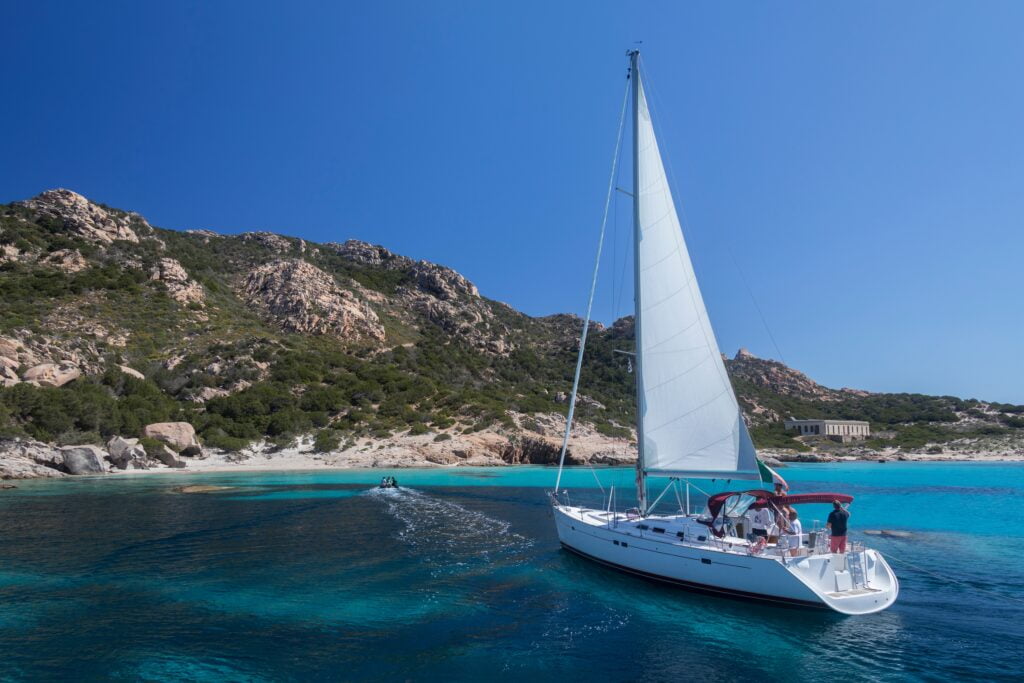
Tavolara Island
The sheer limestone massif of Tavolara dominates the southern horizon. Taking a morning ferry from Porto San Paolo brings you to the island in twenty minutes.
You can unwind on the sandy spit of Spalmatore di Terra, eat fresh pasta at Da Tonino, or walk scenic trails through the nature reserve. Check my dedicated Tavolara island guide for ferry times and trail details.
San Pantaleo
Set among granite peaks twenty minutes north of Olbia, the village of San Pantaleo feels like an artist colony. Painters, sculptors, and woodworkers run workshops in traditional stone cottages called stazzi.
Every Thursday morning, the main square fills with one of Sardinia’s most popular artisan markets. Enjoying an afternoon aperitivo under the granite spires offers a refreshing break from crowded beaches.
Costa Smeralda and Porto Cervo
Driving thirty minutes north brings you to Costa Smeralda, developed in the 1960s by Prince Karim Aga Khan. Walk around Porto Cervo’s marina to admire luxury yachts, browse designer boutiques, and examine unique Mediterranean architecture. For full tips, check my Costa Smeralda travel guide.
La Maddalena and Caprera
A forty-minute drive to Palau lets you board the short ferry over to La Maddalena. Cross the bridge to Caprera to visit the pine forests and the historic home of Giuseppe Garibaldi. For top beaches and itinerary ideas, read my guide to La Maddalena archipelago and explore where to go in Northern Sardinia.
Golfo Aranci and Capo Figari
Fifteen minutes northeast lies Golfo Aranci, an old fishing village with charming seaside boardwalks. Hike the trail up Capo Figari to the historic lighthouse where Guglielmo Marconi sent radio signals in 1932. Find hiking routes and quiet coves in my complete guide to Golfo Aranci.
Murta Maria and Porto Ottiolu
Driving south towards the Baronia coast brings you to Murta Maria, a quiet residential hamlet known for its traditional agriturismi and proximity to sheltered windsurfing bays.
Continuing further south leads to Porto Ottiolu, a bustling coastal marina with a white sandy beach, boat rentals, and waterfront cocktail bars that stay lively throughout summer evenings.
What to Eat in Olbia: Local Flavors
You cannot truly appreciate Olbia without exploring its culinary traditions. The protected gulf has supported mussel farming for over a century. Known as Cozze di Olbia, these mussels are renowned across Italy for their sweet flavor and plump texture.
Order them alla marinara, tossed with garlic, olive oil, parsley, and dry white wine, or simmered in a light tomato broth with crisp pane carasau.
Another regional classic is Zuppa Gallurese (called suppa cuata in our dialect). It consists of country bread soaked in rich meat broth, layered with fresh cow cheese and pecorino, then baked until a golden crust forms on top.
Pair your meal with a cold glass of Vermentino di Gallura DOCG, the only DOCG wine produced on our island. Its flinty minerality and almond finish complement seafood dishes perfectly. Finish your dinner with a warm seada, a fried pastry stuffed with melted young cheese and drizzled with bitter strawberry-tree honey.
Weather and When to Visit Olbia
Olbia enjoys a Mediterranean climate characterized by long, sunny summers and mild winters. Understanding seasonal weather patterns helps you pack appropriately and plan your daily itineraries.
For the full island overview, you can always consult my complete Sardinia weather guide.
Spring spans March to May, bringing blossoming wildflowers and daytime temperatures between 16 and 22 degrees Celsius (61 to 72 degrees Fahrenheit). It is an ideal window for hiking Nuragic sites and cycling without coastal heat.
Summer covers June through August, with daytime highs frequently exceeding 32 degrees Celsius (90 degrees Fahrenheit) and July recording minimal rainfall. This is peak beach season, requiring early morning arrivals to secure parking.
Autumn runs from September to November. September and October remain fantastic months for swimming, with sea temperatures hovering around 23 degrees Celsius and crowd levels dropping dramatically.
Winter extends from December to February. Temperatures remain mild, typically ranging between 8 and 14 degrees Celsius (46 to 57 degrees Fahrenheit). While beach lidos close, the city’s restaurants and historical museums remain open.
How to Get to Olbia: Air, Ferry, and Land Transit
Thanks to its strategic position on the northeastern coast, Olbia is the primary entry gate for international travelers visiting northern Sardinia.
Arriving by Air at Olbia Costa Smeralda Airport (OLB)
Olbia Costa Smeralda Airport sits just two and a half miles south of the city center. It handles direct flights from major European capitals including London, Paris, Frankfurt, and Amsterdam, alongside domestic routes from Rome, Milan, and Naples.
The terminal features full passenger amenities, luggage storage, and a dedicated rental car village located directly across from arrivals. ASPO city bus lines 2 and 10 leave every twenty minutes for the city center and train station, costing under two euros.
Arriving by Ferry at Porto Isola Bianca
The maritime Port of Olbia (Isola Bianca) is one of the busiest passenger ferry ports in Italy. Daily overnight and daytime ferries connect Olbia with mainland ports including Livorno, Civitavecchia (Rome), and Genoa via operators like Moby, Tirrenia, and Grimaldi Lines.
Foot passengers can walk directly to the edge of Corso Umberto in fifteen minutes or take ASPO bus line 9 straight to the central train station.
Traveling to Olbia from Cagliari and Sassari
If you are traveling from Cagliari in the south, the fastest route by car is the four-lane SS131 DCN highway, covering 160 miles in approximately three hours through scenic inland hills.
Direct Trenitalia regional trains also connect Cagliari Central Station to Olbia Station four to five times daily, with journey times around three and a half hours. From Sassari, driving takes eighty minutes via the SS597 highway, with regular regional bus service operated by ARST.
The local perspective: what Sardinians think
As a Sardinian, I often notice that visitors arrive with expectations that overlook our island’s practical realities. Olbia is a functional, authentic city that rewards travelers who understand its seasons, winds, and traditions.
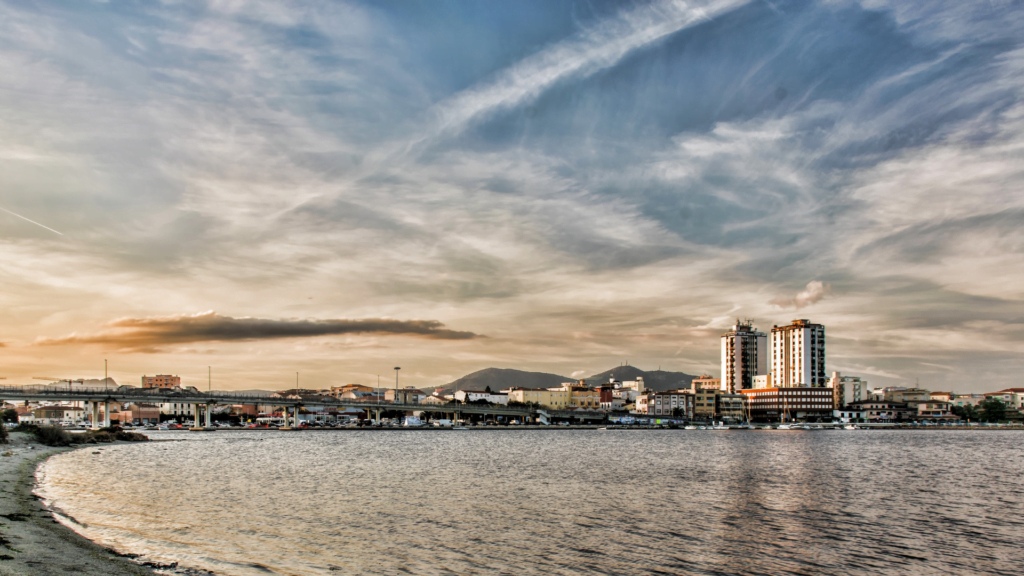
Geographic and climatic reality
Wind dictates daily beach choices in Sardinia. When the strong northwesterly Maestrale (Mistral) blows, northern open waters turn rough and windy. When this happens, stay close to Olbia and head to Pittulongu or Porto Istana, where bays remain sheltered. If a humid southerly Scirocco arrives, head north toward Golfo Aranci or Bados.
Summer heat is intense. In July and August, afternoon temperatures often exceed 35 degrees Celsius (95 degrees Fahrenheit). We Sardinians do our shopping early, rest during the heat between one and four in the afternoon, and venture back out as the evening breeze cools the town. If you visit during May, June, September, or October, you will find warm seas and uncrowded shores.
Practical logistics and driving
Do not underestimate driving times on our roads. Sardinia is rugged and mountainous. While the four-lane highway (SS131 DCN) connects Olbia swiftly southward toward Nuoro and Cagliari, secondary coastal roads experience significant traffic in peak summer.
In downtown Olbia, blue painted lines indicate paid parking spots requiring a meter ticket or the EasyPark app. Yellow lines are reserved for residents with permits. When heading to popular beaches like Cala Brandinchi or Porto Istana, arrive before nine o’clock in the morning to secure a parking spot.
Cultural identity and history
Olbia possesses deep community pride. The city has survived Greek settlement, Roman naval wars, and medieval raids.
Every year from May 11 to 15, the entire community gathers to honor the Festa di San Simplicio. We take part in religious processions, traditional poetry contests, folk concerts, and the Palio della Stella horse race. Experiencing this festival reveals the warm, welcoming heart of our people.
FAQ about Olbia
Is Olbia worth visiting, or should I go straight to Costa Smeralda?
Olbia is well worth visiting for one to two days. It offers authentic Sardinian culture, ancient Romanesque monuments, affordable dining, and an active local life that resort enclaves lack.
How do I get from Olbia Airport or Port to the city center?
Olbia Costa Smeralda Airport sits just two and a half miles from downtown. You can take ASPO city bus lines 2 or 10, catch a taxi in ten minutes for about twenty euros, or pick up a rental car directly at the terminal. From the Isola Bianca ferry port, ASPO bus line 9 connects directly to the train station.
Do I need a car to visit Olbia and nearby beaches?
While you can walk around the historic center and ride the ASPO Line 4 city bus directly to Pittulongu beach, renting a car is strongly recommended to explore nuraghi, country villages, and hidden coves around the Gulf of Olbia.
What is the best beach reachable from Olbia without a car?
Spiaggia di Pittulongu (La Playa) is the easiest beach to visit without a car. The municipal ASPO bus line 4 runs regularly throughout the day from the center of Olbia and stops right behind the sand.
How many days should I stay in Olbia?
One day is enough to see the Romanesque basilica, the archaeological museum, and Corso Umberto. Staying three to four days allows you to use Olbia as an affordable, strategic base for boat excursions to Tavolara and day trips across Gallura.
Sources and Official References
- Comune di Olbia official portal: https://www.comune.olbia.ot.it/
- SardegnaTurismo official regional tourism board: https://www.sardegnaturismo.it/en/places/north-east/olbia
- Museo Archeologico di Olbia official information: https://www.comune.olbia.ot.it/it/services/cultura-e-tempo-libero/museo-archeologico
- Area Marina Protetta Tavolara – Punta Coda Cavallo: https://www.amptavolara.com/