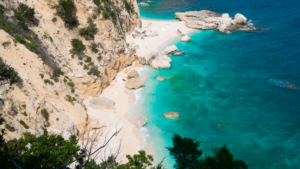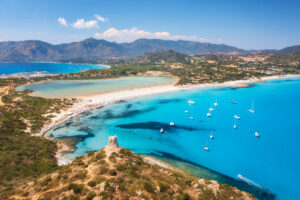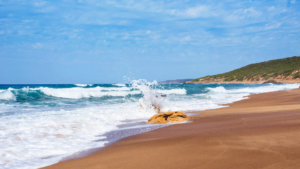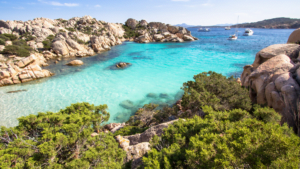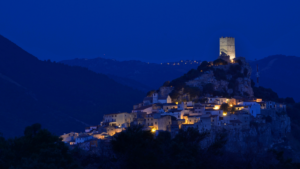
Cala Gonone is one of the most spectacular coastal villages on the eastern coast of Sardinia, tucked inside the Gulf of Orosei between dramatic limestone cliffs and crystalline sea. This honest local guide covers the best beaches, top activities, the famous Grotta del Bue Marino, and a tiered selection of hotels for every budget.
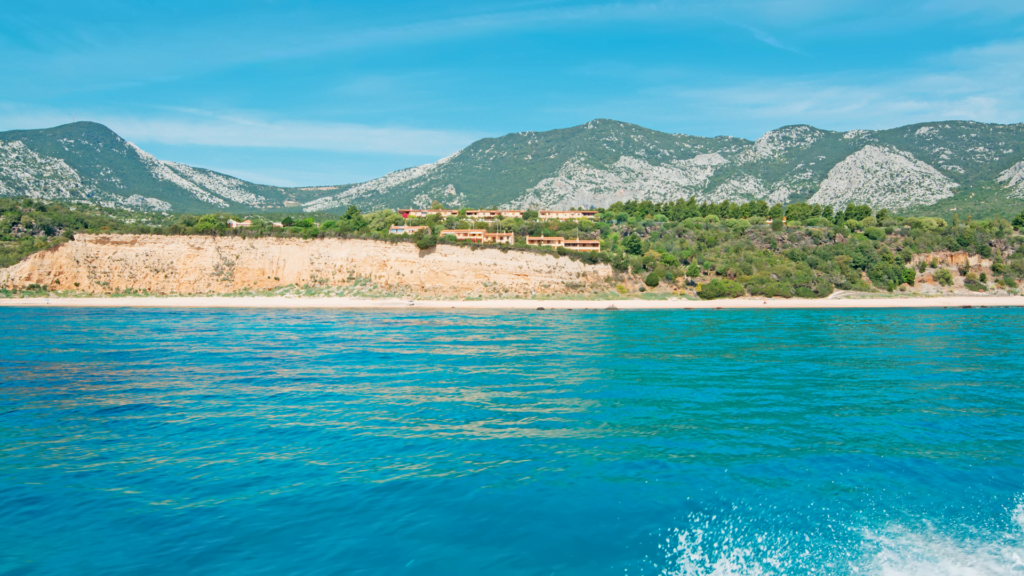
Few places in the Mediterranean pack this much variety into such a small footprint. From boat-only coves with white pebbles to Europe’s deepest canyon, from Nuragic ruins overlooking the sea to a cave system stretching 70 km underground, Cala Gonone earns its reputation every single summer.
Where is Cala Gonone and how to get there
Cala Gonone is a small marine village belonging to the municipality of Dorgali, in the Province of Nuoro. It sits at the heart of the Gulf of Orosei, on Sardinia’s eastern coast, roughly:
- ~130 km from Olbia Airport (OLB), approximately 1 hour 45 minutes by car
- ~230 km from Cagliari Airport (CAG), approximately 2 hours 45 minutes by car
- ~9 km from Dorgali, the nearest town, reached via a winding mountain road that descends steeply through the Supramonte
The approach matters. From Dorgali, a single-lane tunnel pierces the mountain and deposits you at the top of a serpentine descent. The views from the panoramic pullout at the top are genuinely jaw-dropping. The road itself demands patience, especially when you meet a coach coming the other way. First-time visitors sometimes underestimate how much mental energy this stretch requires after a full day of driving across the island.
There is no reliable public transport to Cala Gonone. A car is not optional here. The village is accessible through one road only, and the beaches reachable by car all require driving. Book your rental well in advance if you are visiting in July or August.
The beaches of Cala Gonone: what you can and cannot reach by car
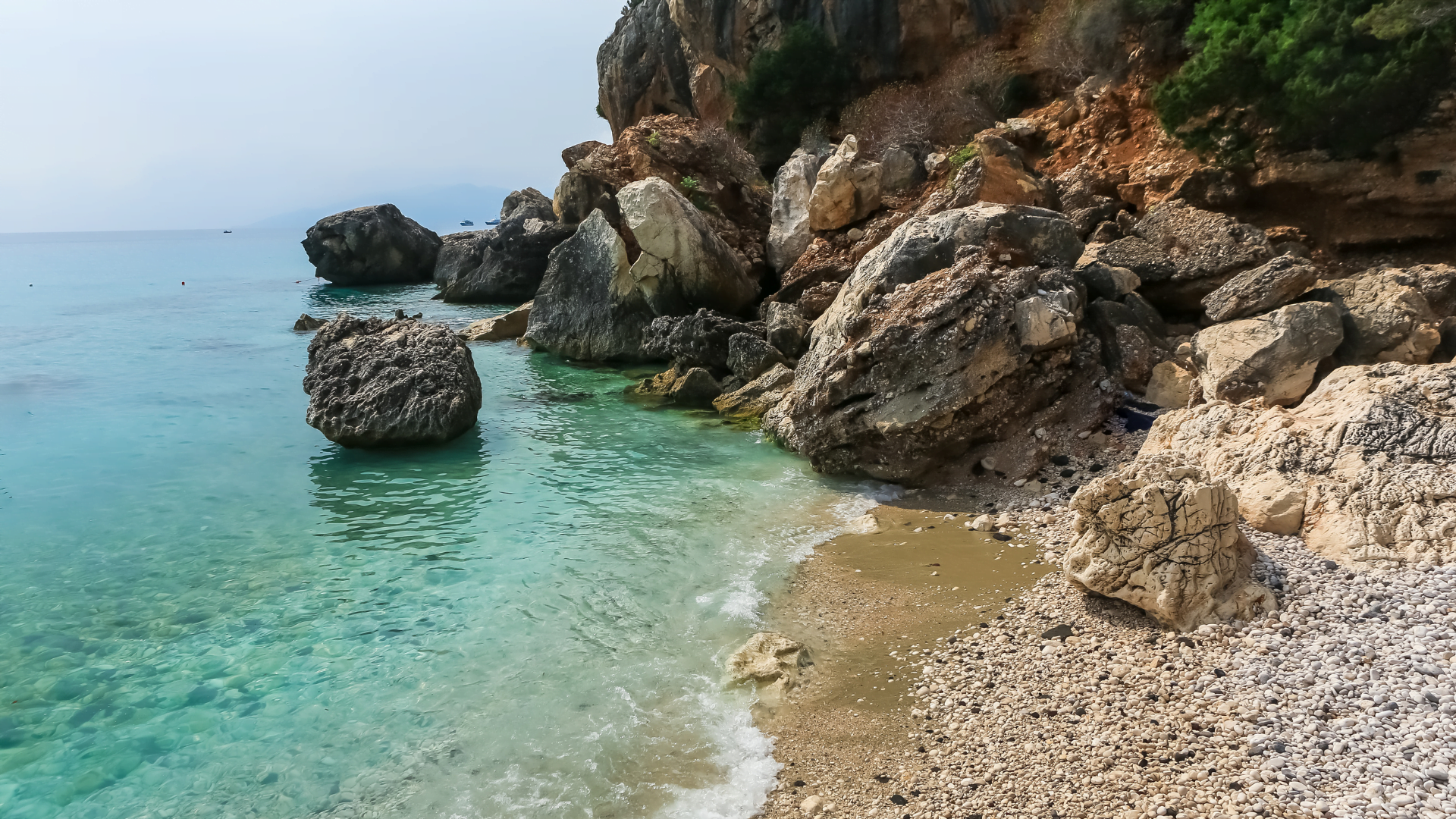
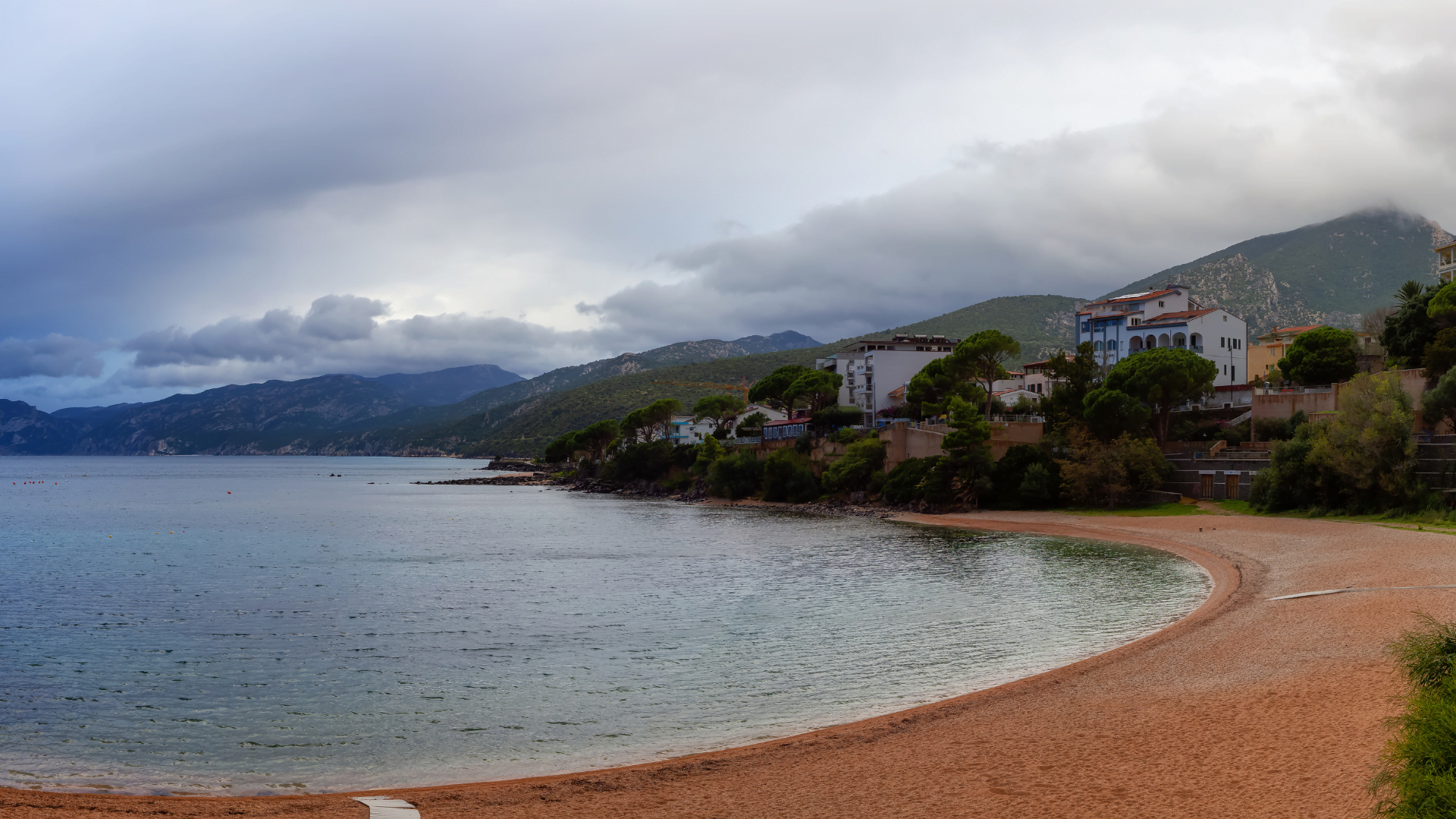
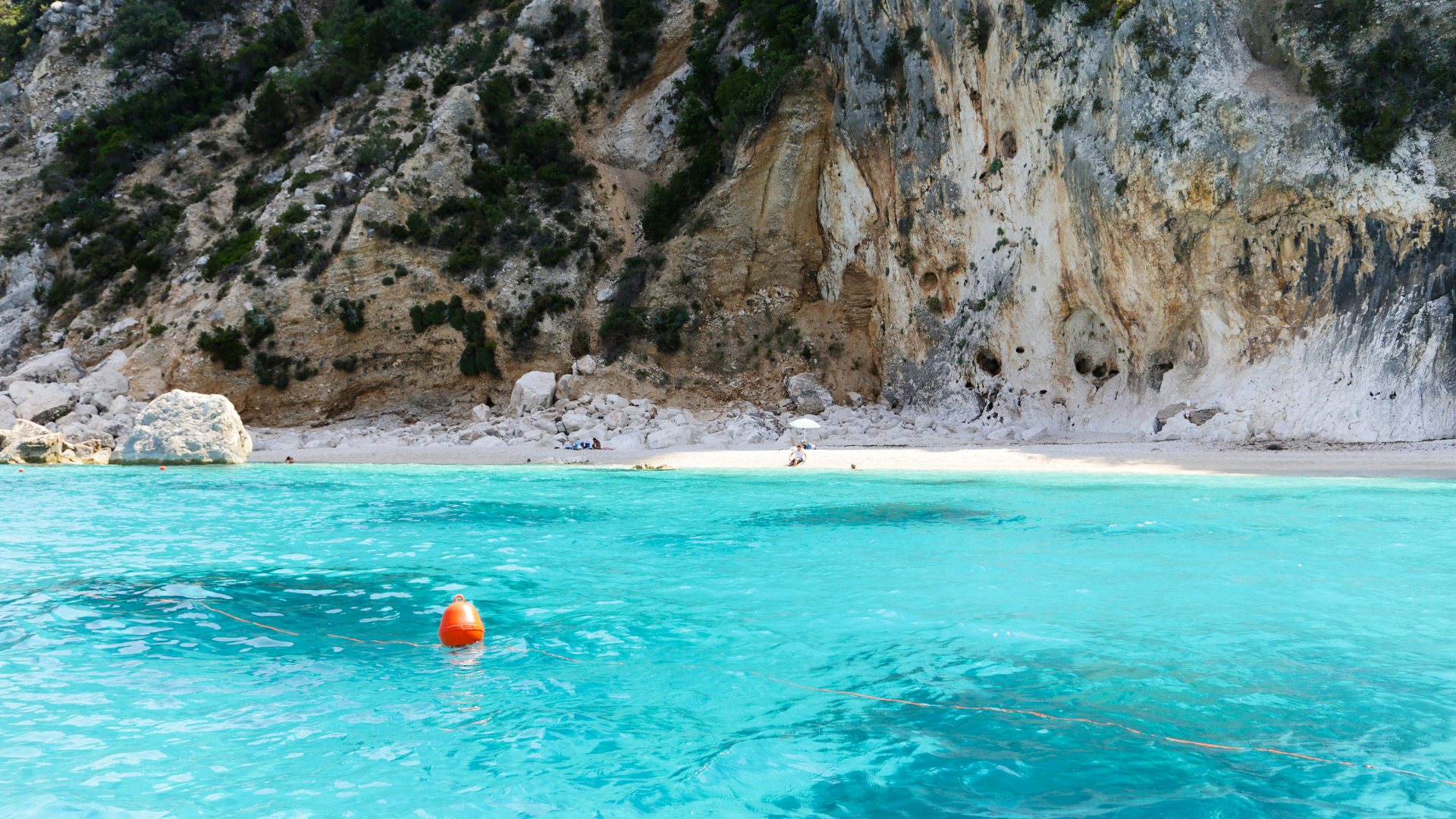
This is the single most useful thing to know before you arrive. Not all beaches are equal in terms of access, and the most famous ones cannot be reached by car at all.
Beaches reachable by car or on foot
These are accessible without a boat and form a solid base for a day at the sea:
- Spiaggia Centrale (Palmasera): the main beach of the village, a wide crescent of coarse sand and pebbles right next to the port. Sunbeds and umbrellas available for rent, shallow entry, calm water. Crowded in summer but convenient. Parking is nearby but fills fast by 9am in August.
- Cala Fuili: approximately 2 km south of the village centre, reachable by car via Viale Bue Marino. The road ends at a small car park, from which you descend a staircase to reach a beautiful narrow cove wedged between tall cliffs. Pebbles and white sand, clean water, no services. This is also the trailhead for the hike to Cala Luna.
- Cala Cartoe and Osalla: located north of the village, roughly 20-25 minutes by car. Both have fine sand and shallow water, ideal for families with young children. Less famous than the southern coves, which means noticeably fewer crowds.
Beaches reachable by boat only
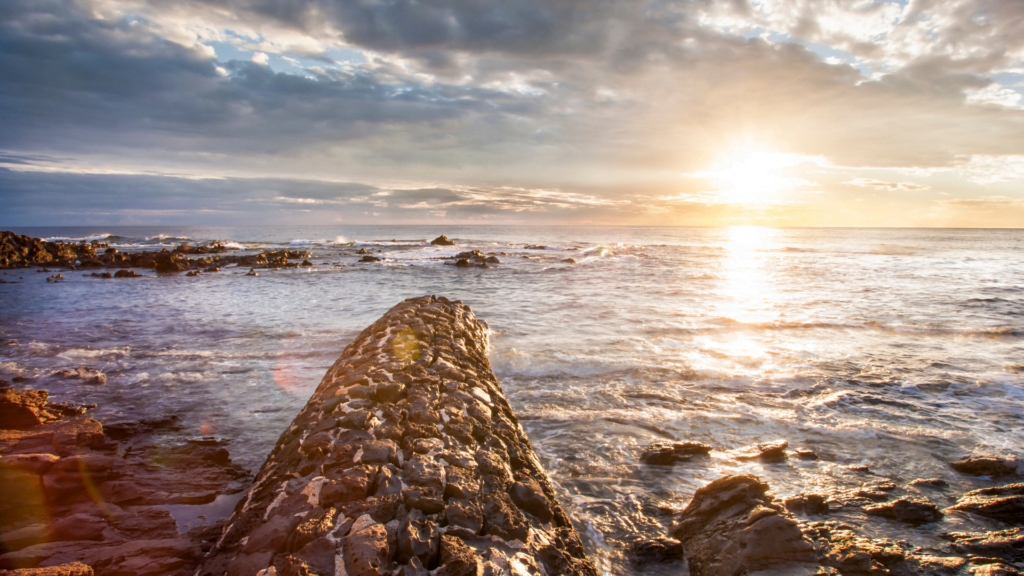
These are the beaches that appear in every Sardinian travel photograph, and they are genuinely as beautiful as they look. The trade-off is that you need to take a boat from the port to reach them:
- Cala Luna: 800 metres of white sand in a crescent shape, backed by oleander forest and five natural caves opening on the shoreline. About 15-20 minutes by ferry from the port. Can also be reached on foot from Cala Fuili in approximately 1 hour 30 minutes via a coastal trail (round trip roughly 12 km, moderate difficulty).
- Cala Mariolu: arguably the most photogenic cove in the entire Gulf of Orosei. The pale pink and white pebbles give the water an almost unreal shade of turquoise. About 30-35 minutes by boat. Water shoes are not a suggestion here, they are essential.
- Cala Sisine: long and quiet, backed by a lush Mediterranean scrubland valley. About 40 minutes from the port. Good snorkelling.
- Cala Biriola: similar in character to Cala Mariolu, less visited, with dramatic rock walls.
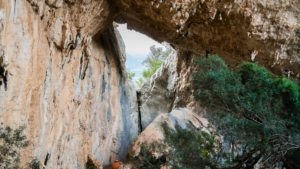
- Cala Goloritze: reachable by boat with a photo stop in front of its famous natural limestone arch. A UNESCO-recognised heritage site within the Baunei coast.
A word on August: boat-accessible beaches are genuinely overwhelmed in the peak weeks of August. The first motorboats arrive before 9am and by 11am the most famous coves look nothing like the photographs. Going in June, early July or September makes a material difference to the experience.
For the full picture of all the beaches in this stretch of coast, see our Gulf of Orosei guide.
Things to do in Cala Gonone: top activities
Boat tour to Grotta del Bue Marino and Cala Luna
The classic combination and for good reason. This half-day tour takes you by boat to the entrance of the Bue Marino cave system, where a guide leads you along an 800-metre lit walkway through spectacular stalactites and stalagmites. After the cave, the boat continues to Cala Luna for a swim and free time on the beach. Note: the cave entrance ticket (around €12 for adults) is purchased separately at the port ticket office and is not included in the boat transfer price.
Full-day dinghy excursion to Cala Mariolu and Cala Goloritze
A smaller rubber dinghy with a skipper, departing at 8:30am or 10:30am from the port, carrying up to 12 people. The tour includes multiple beach stops, swims in the Piscine di Venere, a longer lunch break, and a photo stop at the natural arch of Cala Goloritze. The early departure gets you to Cala Mariolu before the crowds arrive. Reviews consistently praise the skippers for their knowledge of local caves and hidden swimming spots.
Full-day Gulf of Orosei cruise to Cala Goloritze
A larger motorboat cruise that covers the full southern section of the Gulf, making three beach stops including Cala Biriola, Cala Mariolu and Cala Sisine, before heading to Cala Goloritze for a photo stop. An aperitif is included on the return journey. Departures start as early as 7:30am, which is the right call if you want the best of the beaches before other tour boats arrive.
Cala Luna and Cala Sisine boat tour
A more relaxed half-day or full-day option for those who want fewer stops and more time at each beach. The boat takes you to Cala Luna first (bar and restaurant service available on the beach, plus umbrellas for rent), then continues to Cala Sisine in the afternoon. An audio guide in English, French, German and Italian is included. Boarding passes are collected at the Nuovo Consorzio Trasporti Marittimi ticket office at the port.
Gulf of Orosei mini cruise (large motorboat)
The large-boat option suitable for families and those who prefer stability at sea. This Viator-listed full-day excursion runs stops at Cala Luna, Cala Mariolu and Cala Sisine aboard a spacious motorboat with a sun deck and a shaded lower deck. Lunch can be purchased on board. The meeting point is at the ticket office next to the Nonna Isa supermarket.
Gorropu Canyon trekking with lunch
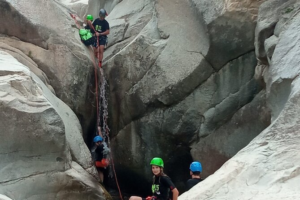
For those who want a day away from the sea. This guided excursion takes you inland to the Gola di Gorropu, one of the deepest canyons in Europe with walls reaching up to 500 metres. You board an off-road vehicle from Cala Gonone, drive to the Dorgali trailhead, then hike approximately 12 km round trip along the Flumineddu riverbed. The trail passes through Mediterranean scrub and leads into the gorge itself, which narrows dramatically. A lunch of Sardinian salumi, cheese and carasau bread is included. The tour is confirmed with a minimum of 4 participants.
Grotta del Bue Marino: the cave you cannot skip
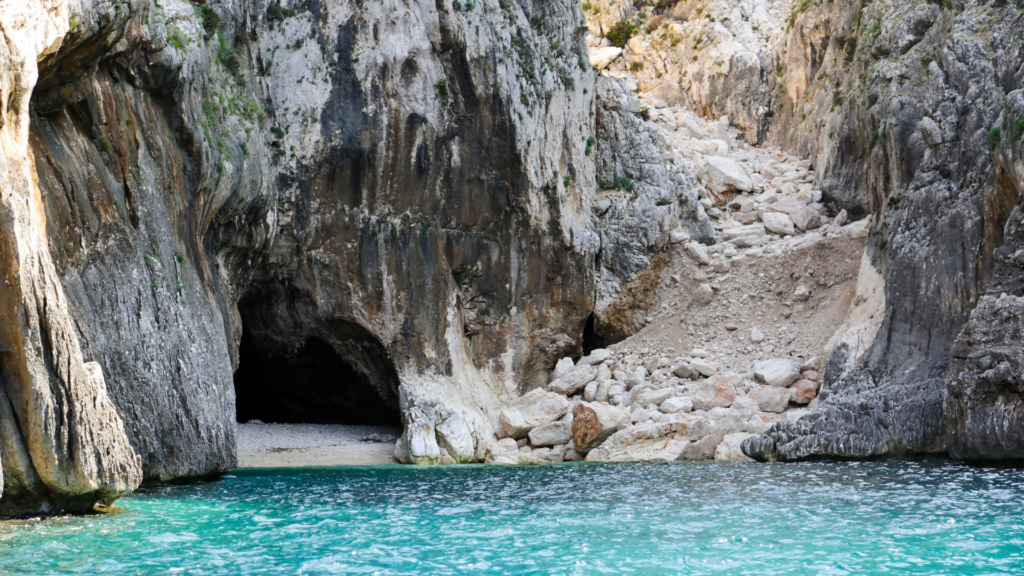
The Grotta del Bue Marino (Sea Ox Cave) is Cala Gonone’s defining attraction. The name comes from the monk seal, which shepherds used to call “su oe ‘e mare” (the sea ox), and which until the mid-20th century used the cave to wean its pups. The monk seal is now functionally extinct in Sardinia, but its memory defines the place.
The cave system is part of a karst network extending over 70 km inland, making it one of the longest in Italy. Visitors access the southern branch, a walkway of approximately 800 metres artificially lit and fitted with wooden footbridges. Inside, the meeting of fresh water and salt water creates shimmering light effects near the cave mouth, while deeper sections hold extraordinary stalactite formations and Neolithic rock carvings.
A guided tour takes about one hour. The cave ticket is not included in any boat transfer price and must be purchased separately at the concessionaire ticket office at the port, or in advance at the official online booking portal linked from the Dorgali municipality website. Adult price is approximately €12; children around €5. The cave is open daily from 9am to around 4pm, subject to seasonal variation.
To visit, you take a boat from the port (approximately 10 minutes each way) and the cave entrance is located between the port and Cala Luna. The most practical approach is to combine the cave visit with a Cala Luna boat trip in a single half-day excursion, as detailed in the activities section above.
The Gulf of Orosei guide has further detail on the broader coastal stretch surrounding the cave.
Beyond the sea: inland day trips from Cala Gonone
Cala Gonone is a genuinely spectacular base for inland exploration. Most visitors never leave the coast, which means the mountain side of this area is considerably less crowded.
Gola di Gorropu
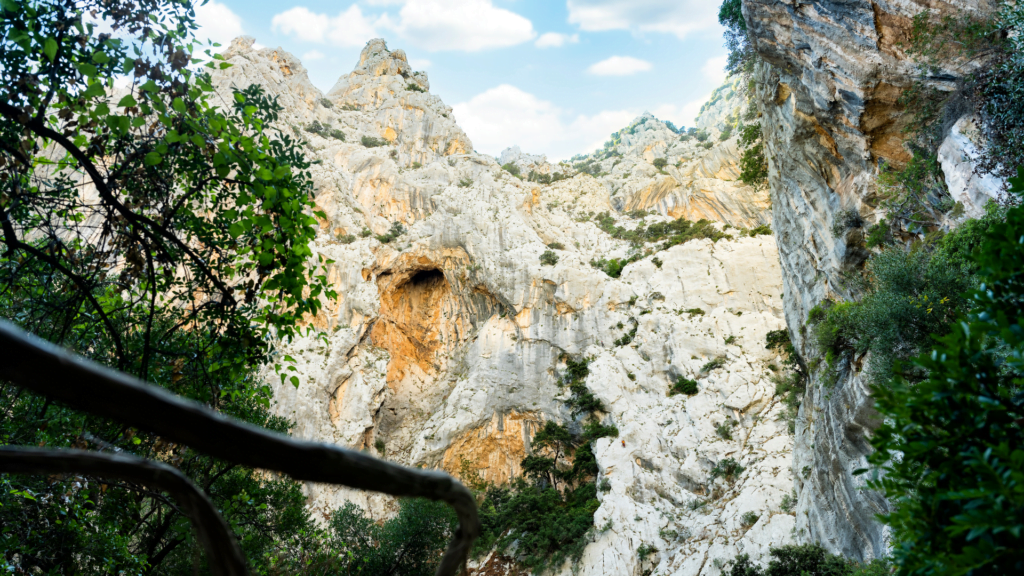
The Gorropu Gorge is arguably the most dramatic natural landscape in Sardinia and one of the most impressive canyons in all of Europe. The walls reach 500 metres in height in the narrowest sections, and the light at midday turns the limestone bone-white. The starting point for the most popular hike is roughly 20 km from Cala Gonone via Dorgali, accessible by car to the Su Monte Orrùbiu sheepfold car park. From there, a trail follows the Flumineddu stream for about 45 minutes before entering the canyon itself. The deeper you go, the more technical the terrain becomes. A guided excursion (see activities above) is strongly recommended for anyone without experience in canyon hiking.
Nuraghe Mannu and the archaeological sites
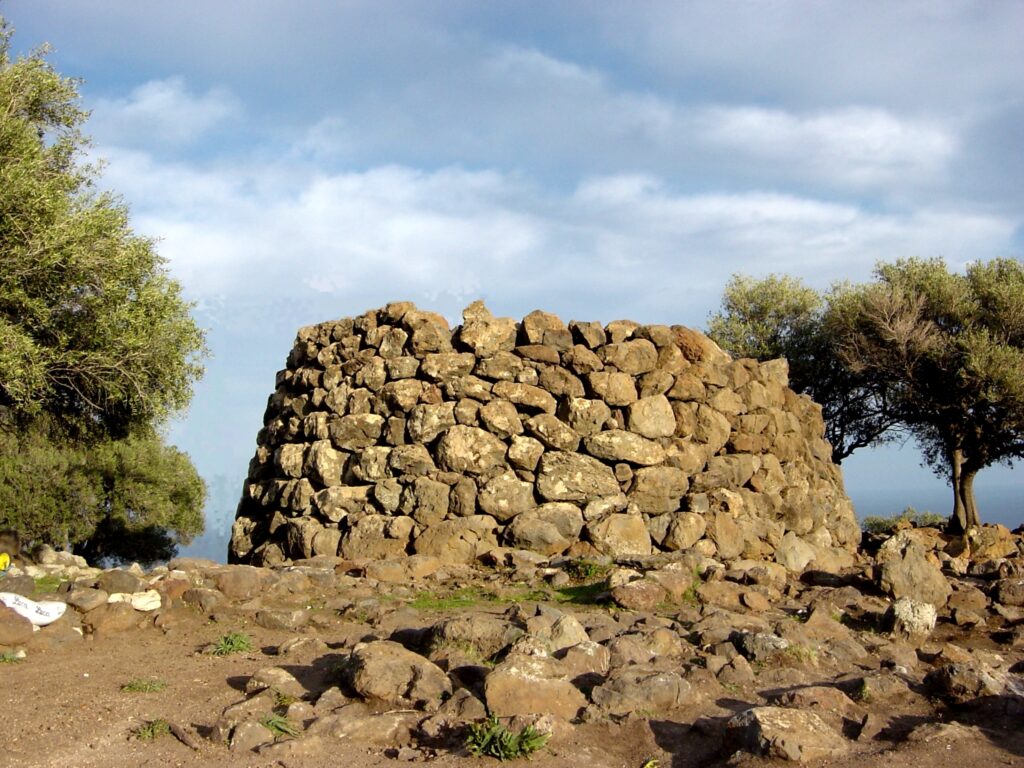
Nuraghe Mannu is one of the most impressive Bronze Age sites directly accessible from Cala Gonone. Located on a promontory overlooking the sea, the complex includes a tholos tower nearly 5 metres high and perimeter watchtowers surrounded by dozens of excavated huts. It is open daily from 9am to 6pm, with an entry fee of approximately €5 for adults and €3 for children.
In the broader Dorgali area, several other sites are worth the detour. The Tomb of the Giants S’Ena e Thomes is one of the best-preserved in eastern Sardinia. The Serra Orrios nuragic village contains over one hundred huts, two megaron temples and a meeting hall. None of these sites gets anywhere near the visitor numbers of Su Nuraxi di Barumini, which makes them far more atmospheric to visit. For context on Sardinia’s nuragic heritage, see our nuraghe guide.
Dorgali and its crafts
Nine kilometres up the mountain from Cala Gonone, Dorgali is a genuine Sardinian town with a working life of its own. The Dorgali Archaeological Museum holds artefacts from the surrounding nuragic and pre-nuragic sites and is worth an hour of your time. Local artisans still produce traditional filigree jewellery, and the town’s wine cantinas offer tastings of the excellent Cannonau produced on the surrounding limestone plateau. If you want a practical introduction to the town, our Dorgali guide covers the key attractions.
Getting around: car rental for Cala Gonone
A car is not just convenient here, it is the only realistic option. Cala Gonone is accessible through a single mountain road from Dorgali, there is no rail connection, and public bus services are infrequent and of limited practical use for moving between beaches and inland sites. The beaches of Cala Fuili, Cala Cartoe and Osalla all require a car. Getting to Gorropu independently requires one. Even reaching Dorgali for dinner requires one.
Book well ahead for July and August. Rental availability at peak times is tight and prices increase sharply as you approach the dates. The two most practical pickup points are:
- Olbia Airport (OLB), the closest airport at approximately 130 km: compare and book via DiscoverCars
- Cagliari Airport (CAG), for those starting their trip in the south: compare and book via DiscoverCars
A standard compact car handles the Dorgali-Cala Gonone road without difficulty. An SUV gives you added clearance and visibility on the narrower bends, which is worth considering if you plan heavy inland driving in the Supramonte.
Where to stay in Cala Gonone
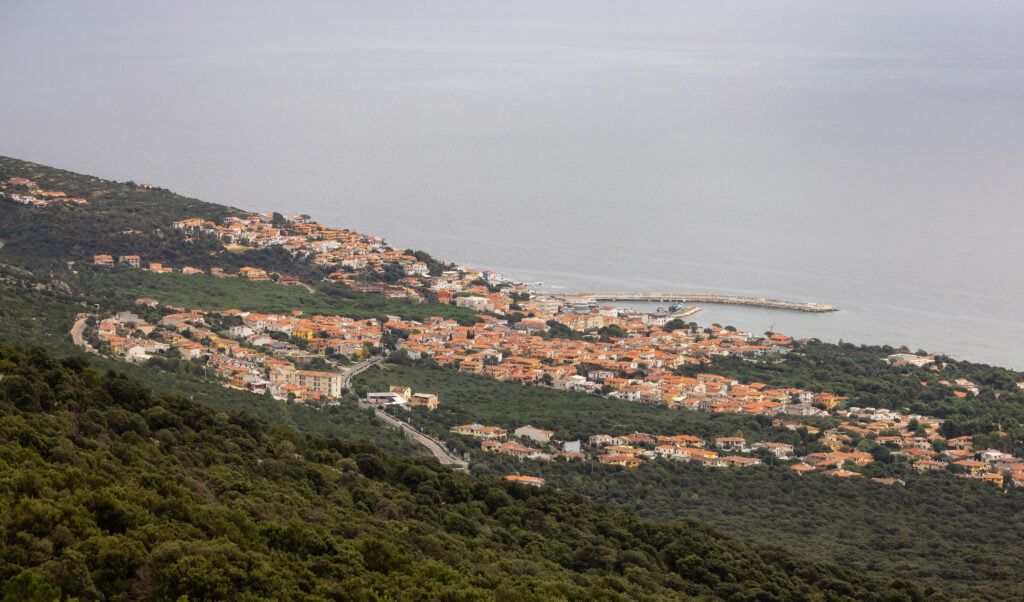
The village is small. This is both its charm and its practical challenge: accommodation fills fast in high season, particularly in the last two weeks of July and the first two weeks of August. Booking 2-3 months in advance for those dates is not overcautious, it is necessary. For a broader overview of accommodation options in this part of the island, see our guide on where to stay in central Sardinia.
Premium and 4-star options
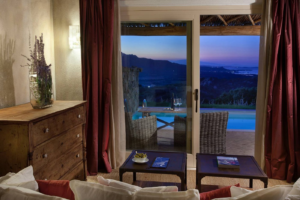
Hotel Resort Nuraghe Arvu is a 4-star property set among whitewashed buildings with arches in a private park, about 500 metres from the beach. The standout feature is a 400 sq/m outdoor pool with a children’s pool and hydromassage. Fifty individually furnished rooms with private garden entrances, a Sardinian restaurant on a covered terrace, and an airport shuttle service to Olbia. The style is understated, rooted in local stone, wood and terracotta. Rated 8.7 on Booking.com. Ideal for couples and families who want space and quiet without sacrificing proximity to the village centre.
Margaida Boutique Hotel & SPA is an adults-only 4-star property just 200 metres from Spiaggia Centrale. Modern design, infinity pool, full spa facilities including steam room and fitness centre, and sea-view rooms with balconies. Rated 8.9 on Booking.com. Notably, it is one of the few properties in Cala Gonone that feels contemporary rather than traditionally rustic. The location is ideal for the port and the restaurants of the main promenade.
Mid-range options
BUE MARINO Hotel & Roof Lounge is a 3-star hotel directly opposite Spiaggia Centrale with one of the best positions in the village, rated 9.7 for location on Booking.com. The roof lounge has panoramic views of the entire Gulf of Orosei and hosts evening events in summer. Rooms with sea views and balconies. Steps from the port, meaning boat excursions are organised directly from the front door. Excellent for those who want to be in the middle of everything without paying 4-star rates.
Hotel Nettuno is a well-regarded family-run 3-star hotel 200 metres from the sea, rated 9.0 on Booking.com. The key appeal here is the staff, consistently described in reviews as knowledgeable, warm and genuinely helpful with itinerary planning. Outdoor pool, good buffet breakfast, all rooms with air conditioning and private bathrooms. Some rooms have balconies. Parking on the nearby street is generally available, though not guaranteed.
Budget and agriturismo
Il Nuovo Gabbiano is a renovated 3-star hotel sitting directly in front of the tourist harbour, rated 8.5 on Booking.com. Rooms have balconies, some with sea views. The terrace and restaurant overlook the Gulf of Orosei. This is the starting-point hotel for those who want to organise their days around boat trips, since the embarkation point for most excursions is literally 50 metres away. Rates are among the most accessible of any seafront option in the village.
Hotel Pranos Turismo Rurale is a rural property about 1.5 km from the sea, surrounded by nature, with an outdoor pool and stunning views of the surrounding mountains. Ideal for hikers and those who want a more authentic, quieter base rather than a village-centre hotel. Consistently top-rated for breakfast quality and staff helpfulness.
The local perspective: what Sardinians think
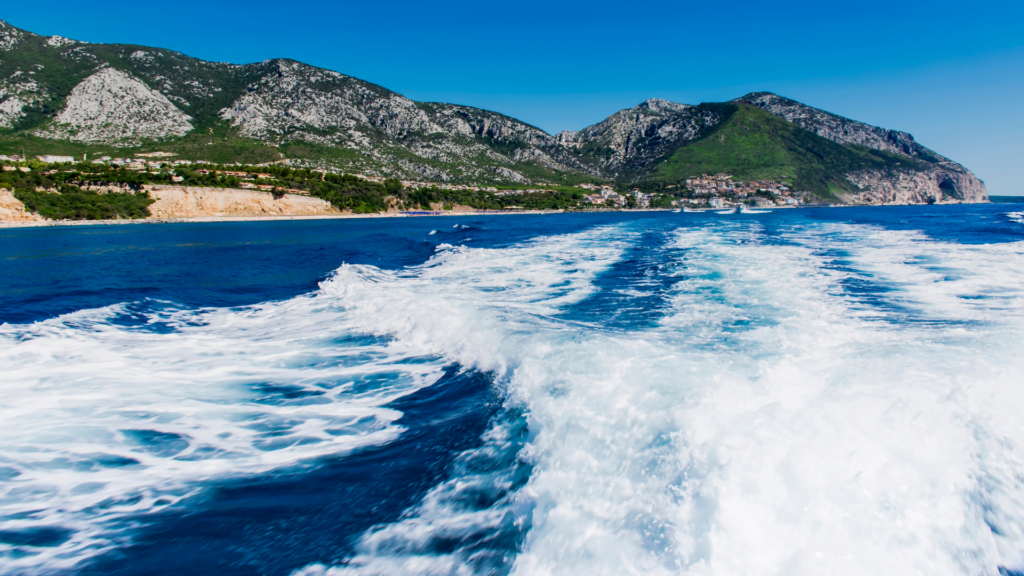
Those of us who know this stretch of the coast well tend to think about Cala Gonone in three distinct ways that rarely appear in standard travel guides.
The wind. The Maestrale (northwest wind) funnels through the limestone mountain system and can shift conditions at sea very quickly. A calm morning at the port does not guarantee a calm afternoon at Cala Mariolu. Experienced boat operators monitor conditions continuously and will adapt or cancel if necessary. This is the right call for passenger safety, and it is worth building flexibility into your itinerary rather than booking all boat tours for consecutive days. If you plan a morning departure and conditions look borderline, ask the skipper directly at the ticket office.
The pebble reality. Cala Mariolu and Cala Goloritze have no sand. The pale material in every photograph is fine pebbles, small but firm underfoot. Water shoes are genuinely necessary, not a luxury. We have seen first-time visitors arrive in flip-flops and have a miserable time scrambling across the shore. Pack a pair.
The tunnel and the road. The tunnel from Dorgali to Cala Gonone was completed in the 1960s. Before that, the village was accessible only by sea. The road down from the tunnel exit is genuinely steep and tight. Drive slowly, keep to your side, and if you encounter oncoming traffic at a narrow point, one of you will need to reverse to a passing place. It happens. It is not stressful if you expect it. Coming down in a rental car with full luggage on the first evening of a holiday is when it catches people off-guard.
Cala Gonone Weather
 -
- -
- -
- -
- --------------
FAQ about Cala Gonone
How do you get to Cala Gonone?
By car from the SS125 road, turning inland towards Dorgali and then following the signs through the Dorgali tunnel and down the mountain descent. The nearest airport is Olbia (OLB), approximately 130 km away. There is no direct train or frequent public bus service from the airports.
How do you get to Cala Luna from Cala Gonone?
Two options. You can take a scheduled ferry or a guided boat tour from the port of Cala Gonone, with journey time of approximately 15-20 minutes. Alternatively, hike from the Cala Fuili car park along the coastal trail, approximately 6 km one way, with around 1 hour 30 minutes of walking. The hike returns the same way unless you arrange a boat transfer from the beach back to the port.
When is the best time to visit Cala Gonone?
June and September offer the best combination of sea temperature, sunshine and manageable crowds. Early July is very good. The last two weeks of July and the first two of August are peak season: boat queues are long, beaches are overcrowded and accommodation is at maximum prices. October and May are fine for hiking and landscape visits but sea conditions are more variable and some accommodation closes.
Is a car necessary in Cala Gonone?
Yes, without exception. There is no usable public transport to reach the village, no service to the beaches reachable by car (Cala Fuili, Cala Cartoe, Osalla), and no connection to inland sites like Gorropu and Dorgali. Anyone who arrives without a car will be limited to the village centre, Palmasera beach, and boat tours from the port.
How much does a boat trip to Cala Luna cost?
A standard return ferry ticket to Cala Luna from the port costs roughly €15-25 per person, depending on the operator and the time of year. Full-day guided tours that include the cave and multiple beach stops range from approximately €35-55 per person. Dinghy rentals with skipper for a full day run higher, typically €40-60 per person based on group size. All prices are approximate and vary by season and operator.
- What are the top things to do in Cala Gonone?
Besides the beaches, you must visit the Grotte del Bue Marino, spectacular sea caves once home to monk seals. - Is Cala Gonone a good base for exploring the interior?
Yes, it is just a short drive from the town of Dorgali, known for its wine and archaeological sites. - How do I reach Cala Gonone by car?
You have to drive through a panoramic tunnel from the mountains. Use our Sardinia tourist map to plan your journey through the Supramonte.
Sources
- Comune di Dorgali – Turismo — official municipal tourism information
- Cala Gonone official portal — village tourism and beach information
- Parco Nazionale del Golfo di Orosei e del Gennargentu — national park authority
- Grotta del Bue Marino – official page — cave visiting information, tickets and timetables