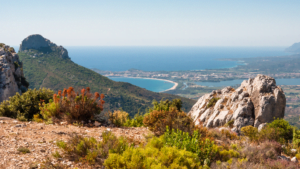
Costa Rei, Sardinia, is one of the most extraordinary stretches of coastline on the island’s southeastern coast, about 76 km from Cagliari. Miles of white sand, water that shifts from turquoise to deep cobalt, and the wild backdrop of the Sarrabus mountains: this guide covers everything you need to plan a genuine visit, from the best beaches to the activities worth booking in advance, and where to sleep on every budget.
What is Costa Rei: location, character and best time to visit
Costa Rei is a seaside village belonging to the municipality of Muravera, in the Sarrabus region of South Sardinia. It sits on the southeastern coast of the island, tucked between Villasimius to the south and the mouth of the Flumendosa river to the north, in an area that remains largely free from mass tourism compared to the northern Costa Smeralda.
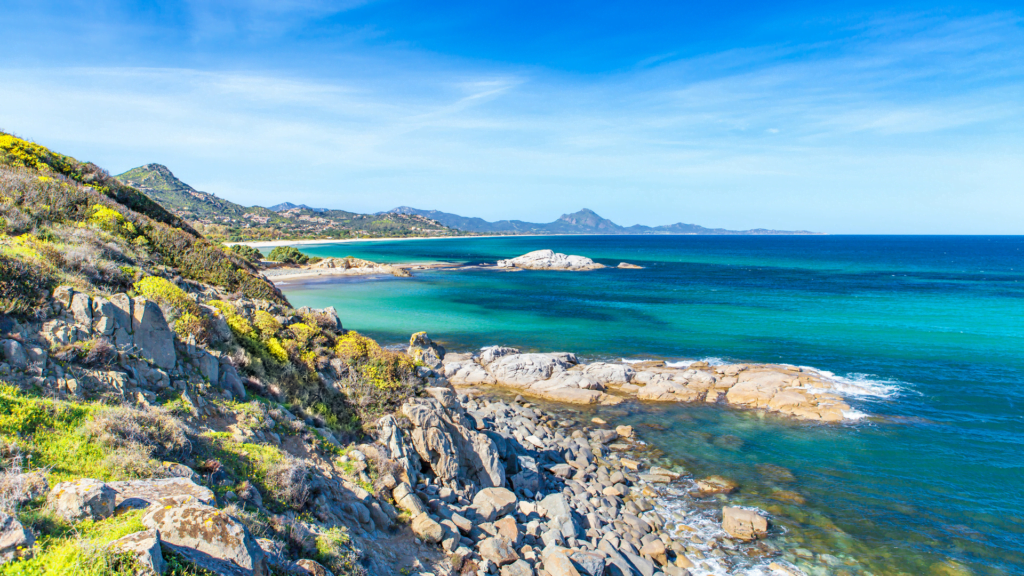
The coastline here stretches for roughly 12 kilometers, with long sandy beaches interrupted by rocky coves and headlands. The interior is backed by Mediterranean scrub, dense eucalyptus forest, and the distant silhouette of the Sette Fratelli mountains: the view inland is almost as impressive as the sea in front.
Getting here from Cagliari takes about one hour by car along the SS125, one of Sardinia’s classic scenic roads. From Olbia, count on roughly 3 hours. Buses from Cagliari to Muravera exist, but they don’t solve the problem of getting between beaches once you arrive. More on this below.
Best time to visit:
- May and June: ideal. Warm, uncrowded, most services open. The sea is already comfortable from late May.
- September and October: equally good. The crowds are gone, prices drop, and the water stays warm well into October.
- July and August: peak season. The beaches fill up, parking becomes a genuine challenge, and prices hit their highest point. Worth knowing what to expect before you go.
For a broader look at the south of the island, our guide on where to stay in South Sardinia is a useful starting point.
The best beaches in Costa Rei
The beaches are the main reason people come here, and they are genuinely world-class. What follows is a practical breakdown of the main options, organized by character and suitability. For the wider picture of Sardinia’s coastline, our guide to the top beaches in Sardinia covers the full island.
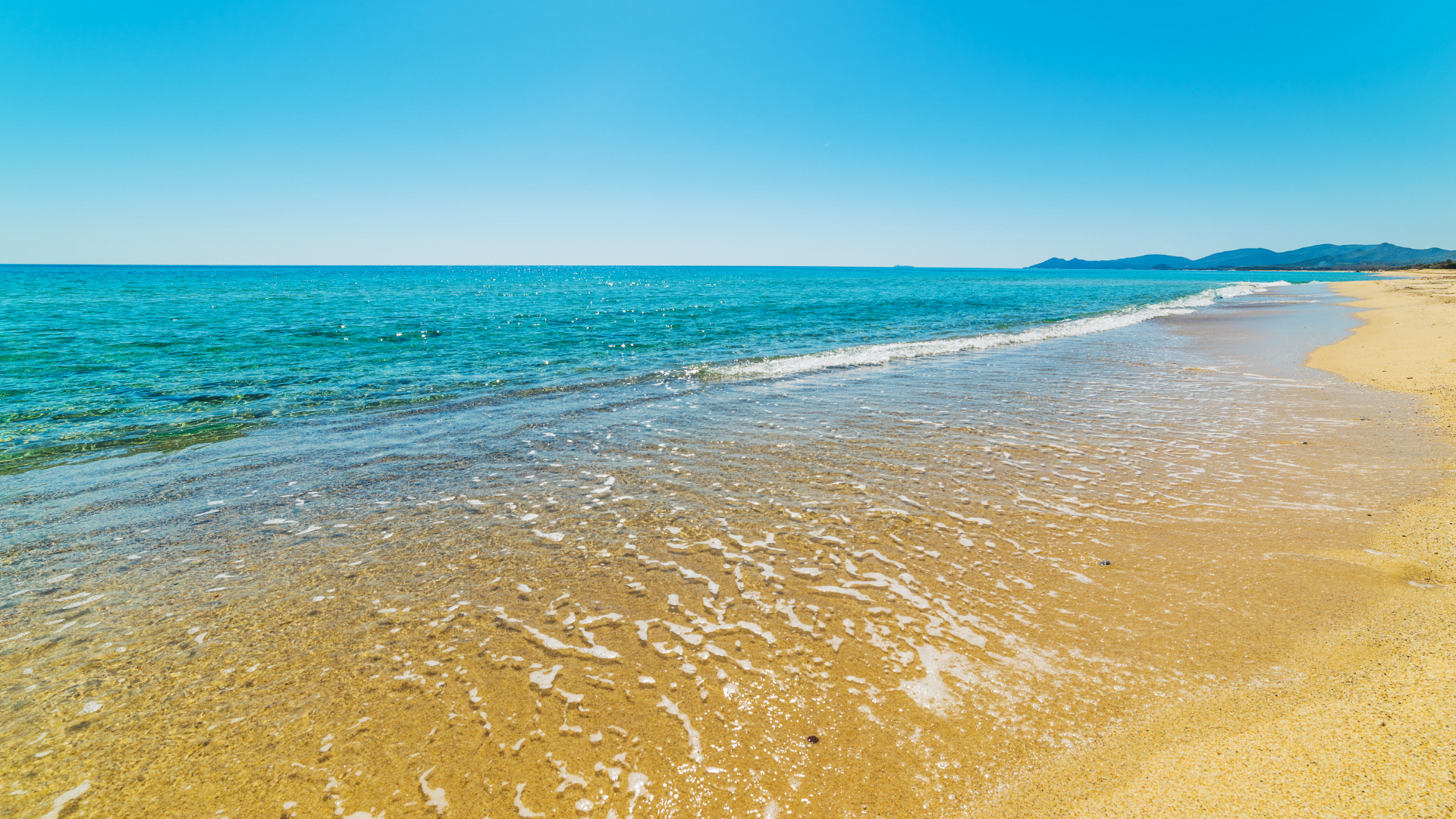
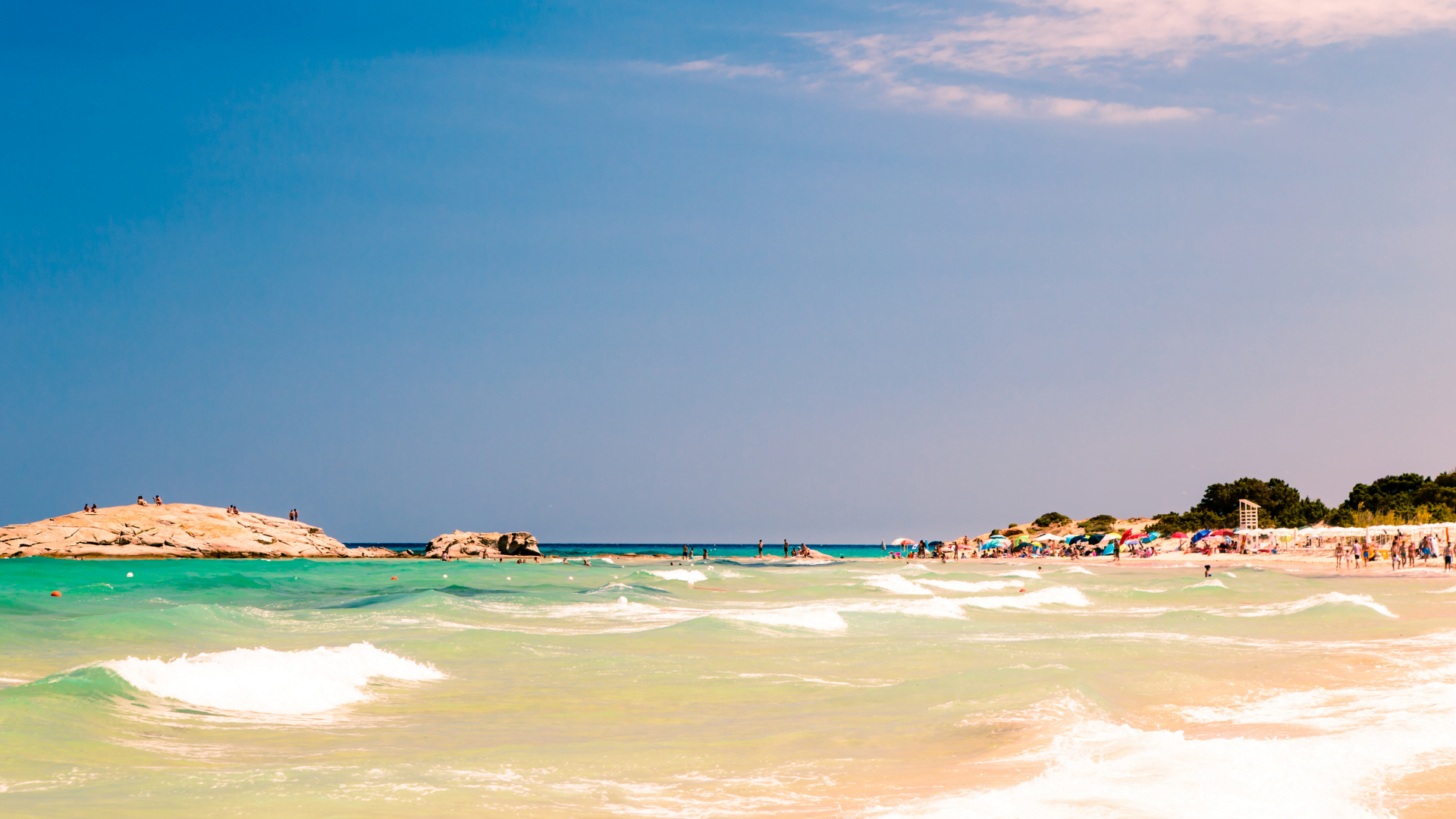
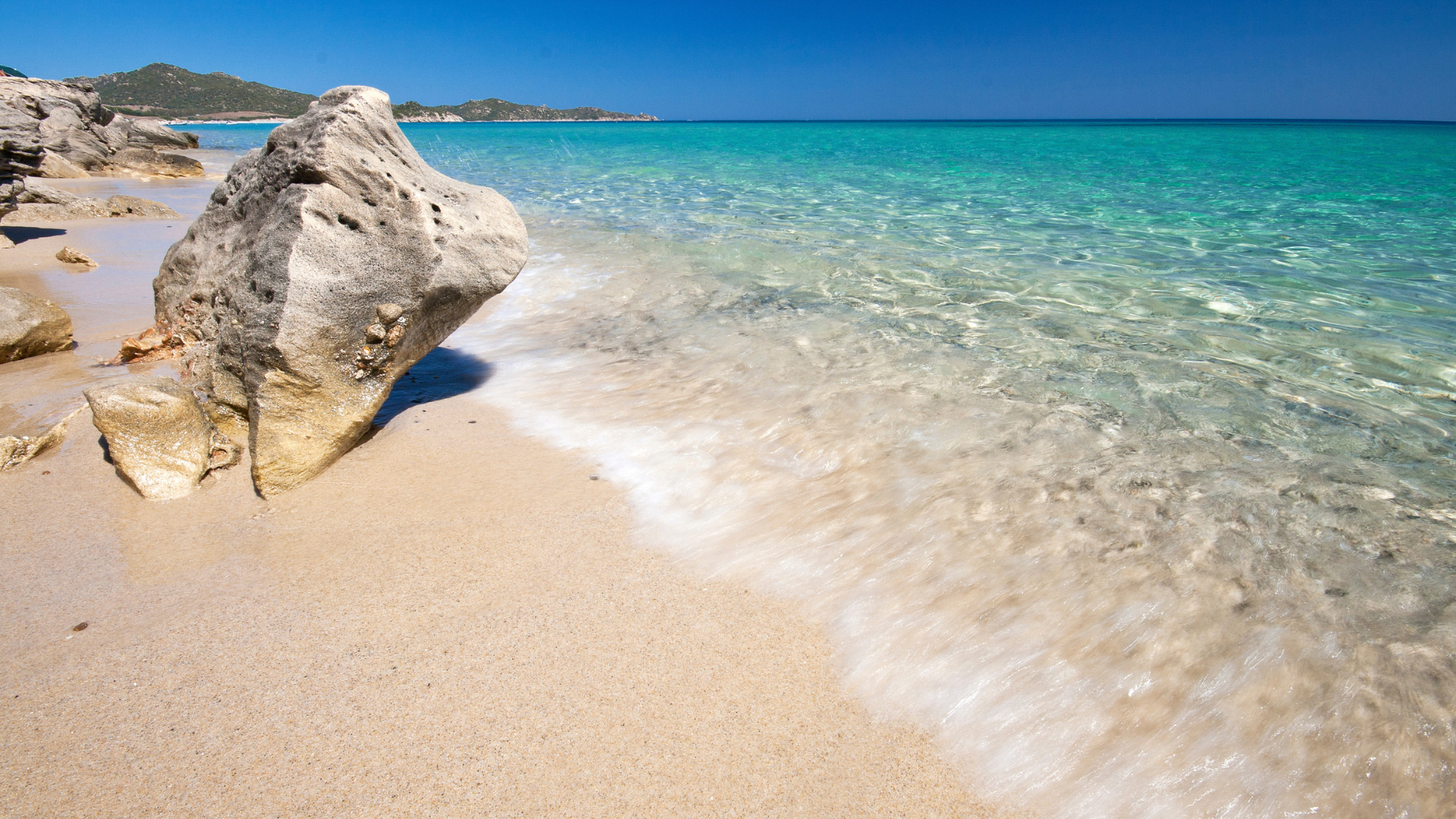
Costa Rei main beach
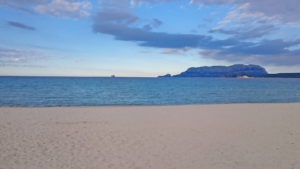
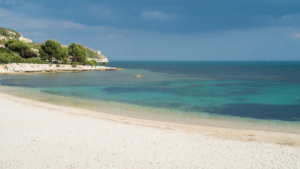
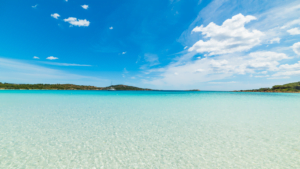
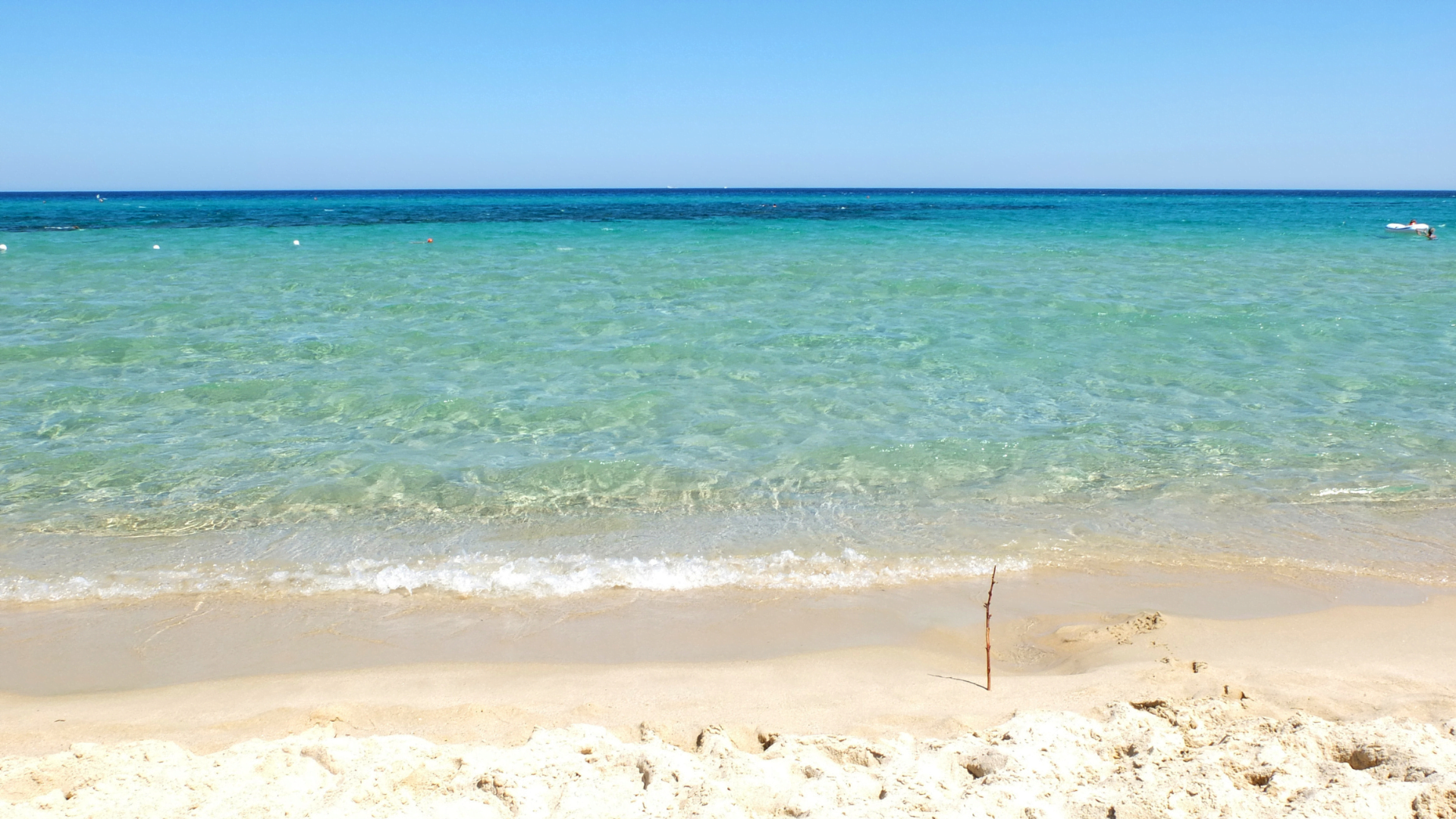
The main beach gives the resort its name. It runs for roughly 12 km of fine, golden sand with very shallow, crystal-clear water for several hundred meters out: excellent for families with young children and non-swimmers. Multiple access points along the road, some with disabled access and space for prams.
One important caveat: this beach is fully exposed to the Maestrale, the dominant northwestern wind. When it blows strongly, conditions on the main stretch deteriorate fast. Locals have a mental list of sheltered alternatives for those days. Check the wind forecast the night before.
Santa Giusta beach and Scoglio di Peppino
Santa Giusta is a short drive from the village center and has two very different personalities depending on which side you choose.
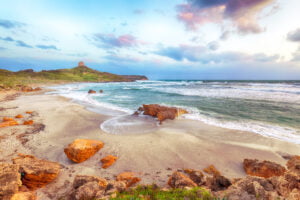
The resort side faces the famous Scoglio di Peppino: a megalithic rock formation that rises directly from the sea and has become the unofficial symbol of Costa Rei. It gets packed in August. The small cove on the opposite side is quieter, wind-sheltered, and ideal for a morning swim. If you want photos of the rock without the crowd, go in late September.
Parking is a 500-meter walk from the water. Plan accordingly.
Cala Monte Turno
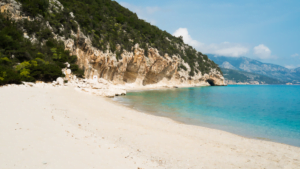
Located 5 km south of Costa Rei by car along the SP18, Cala Monte Turno is a compact, well-protected cove with amber-colored sand and calm, remarkably transparent water. The natural protection from the wind makes it a reliable fallback on breezy days, which is exactly why locals use it.
The Iki Beach club operates here with sunbeds, umbrellas, bar, and a restaurant. It fills by mid-morning in July and August. Paid parking is nearby. Arrive early.
Cala Sinzias
Located 10 km south of Costa Rei, Cala Sinzias is one of the iconic beaches of southern Sardinia. Fine white sand, the classic turquoise-to-cobalt gradient, and very transparent water. A lifeguard is usually on duty in summer, and beach clubs, kiosks, and sunbed rental cover the whole stretch.
Note that the water is deeper than at the main beach, which suits stronger swimmers and snorkelers but requires more attention with young children. It gets very crowded: plan to arrive before 9am to secure a parking spot.
Cala Pira
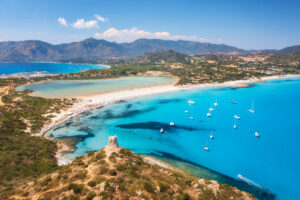
Cala Pira sits within the municipality of Castiadas, roughly 15 km south of Costa Rei. The beach is small, protected, and has very shallow water: one of the most suitable spots for toddlers in the entire area. An 18th-century Aragonese watchtower dominates the sand dunes from above, adding a touch of history to the natural setting.
Paid parking is available a short walk from the beach. The access road is narrow: drive slowly.
Sant’Elmo beach
Sant’Elmo is the quiet alternative that few visitors bother to find. Less famous than the others, it sees a fraction of the crowds even at peak season. The sand is light-colored with patches of granite rock, the water is clear, and the atmosphere is relaxed. No beach club services, but free parking.
For nearby beaches just outside this stretch of coast, our dedicated guides to Punta Molentis and Porto Giunco cover two extraordinary spots in the Villasimius area.
Things to do in Costa Rei: top activities (from a local)
Costa Rei is more than a beach destination. Here are the most worthwhile activities in the area, from organized tours you can book directly to experiences you can set up independently.
Costa Rei boat trip with snorkeling
The most popular water activity in Costa Rei is a boat tour departing directly from the main beach. Most tours last 3-4 hours and combine navigation along the coast with snorkeling stops in the clearest coves. It’s the most efficient way to see the rocky outcrops and hidden spots that are impossible to reach on foot.
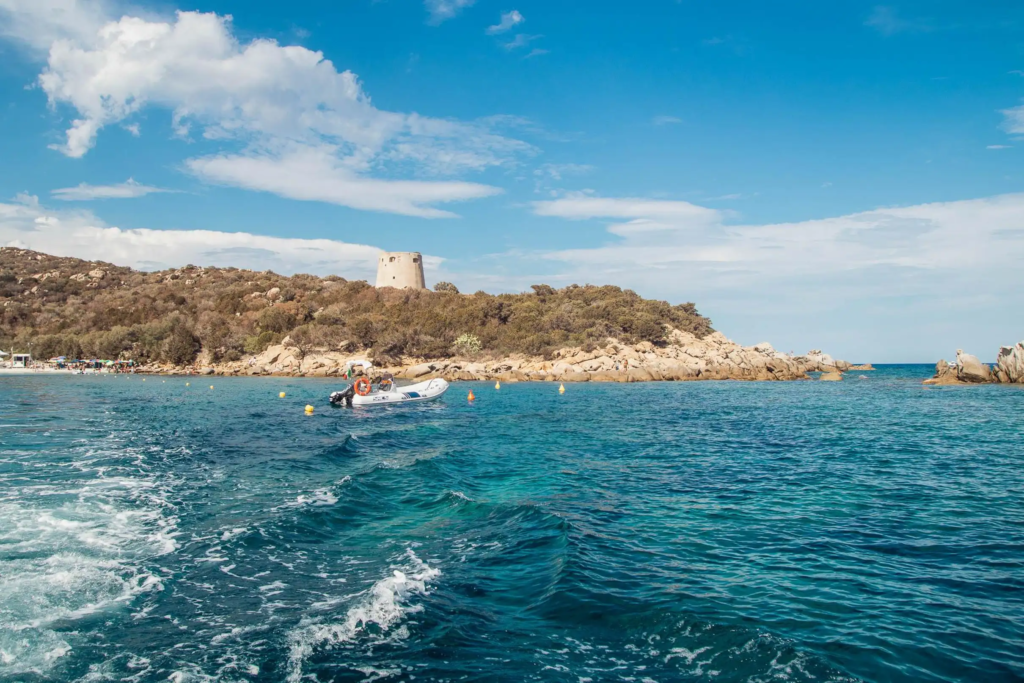
Book directly: Costa Rei boat trip with snorkeling (GetYourGuide) – 3.5 hours, from $82 per person, snorkeling equipment included.
For a private group option: Costa Rei Private Dinghy Tour with Snorkeling (GetYourGuide) – full flexibility for groups up to 11 people.
Snorkeling and diving in the Capo Carbonara Marine Park
The Capo Carbonara Marine Protected Area is one of the finest snorkeling destinations in the Mediterranean. The park covers waters between Capo Boi and Serpentara, with the richest biodiversity concentrated around Isola dei Cavoli, where protected zones A and B are home to groupers, sea bream, moray eels, and occasional sea turtles.
Guided snorkeling tours run from Villasimius, about 24 km south. They are conducted by licensed marine guides, often with a marine biology background: worth it if you want to understand what you’re seeing underwater.
- Villasimius: Capo Carbonara Boat and Snorkeling Tour (GetYourGuide) – guided by a qualified marine biologist, Cavoli Island included.
- Villasimius Marine Park 3.5hr snorkeling with drinks (GetYourGuide) – luxury 10-meter RIB, small group, from ~$60 per person.
For certified divers or those wanting a discover dive, book: Discover Scuba Diving at Capo Carbonara (Viator) – theory session, pool practice, and open water dive in the protected area.
Boat tour to Serpentara and Isola dei Cavoli
Serpentara and Isola dei Cavoli are the two small islands visible from Costa Rei’s coast, both within the Capo Carbonara Marine Protected Area. The water around them is exceptional.
Isola dei Cavoli has a unique underwater feature: in 1979, Sardinian sculptor Pinuccio Sciola placed a statue of the Virgin of the Sea on the seabed. It remains an underwater landmark for snorkelers and divers today. Tours to both islands depart from the main beach during summer months.
Our dedicated guides to Serpentara Island and Isola dei Cavoli cover everything you need to know before going.
Southeast coast beaches day tour from Cagliari
Arriving from Cagliari without a car? Two solid organized tours cover the southeastern coast and reach the Costa Rei area without requiring you to drive.
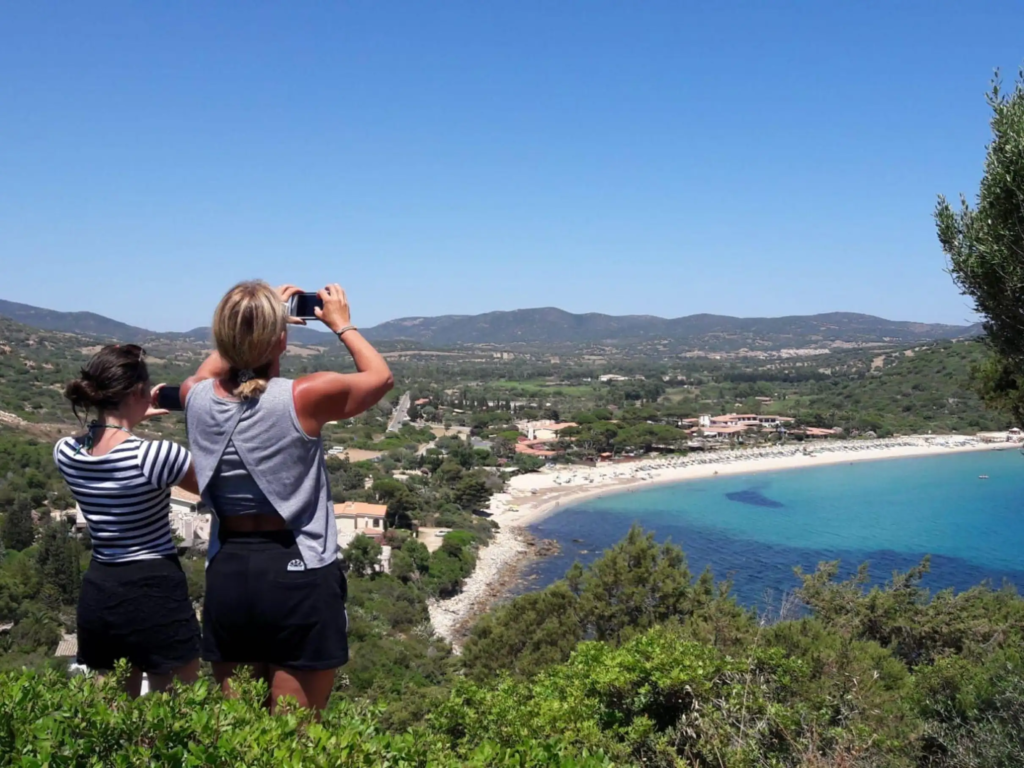
- Porto Giunco and Cala Sinzias beach day tour from Cagliari (GetYourGuide) – rated 4.7 by 52 travelers, small group, 8 hours from Cagliari, free time at the beach.
- Sardinia Southeastern Coast Small-Group Tour (Viator) – scenic route past flamingo ponds, panoramic stops, Porto Giunco and Cala Sinzias swim stops.
Windsurfing and kitesurfing
The Maestrale wind that challenges beachgoers becomes an asset for wind sports. Costa Rei’s long exposed shoreline offers good conditions for windsurfing, kitesurfing, and hobie cat sailing when it blows. Equipment rental and beginner lessons are available from kiosks along the main beach during summer.
Wave surfing is not suitable here: the geography doesn’t produce the right swell. If that’s your priority, our surfing guide for Sardinia points to the right spots elsewhere on the island.
Day trip to Su Nuraxi Barumini
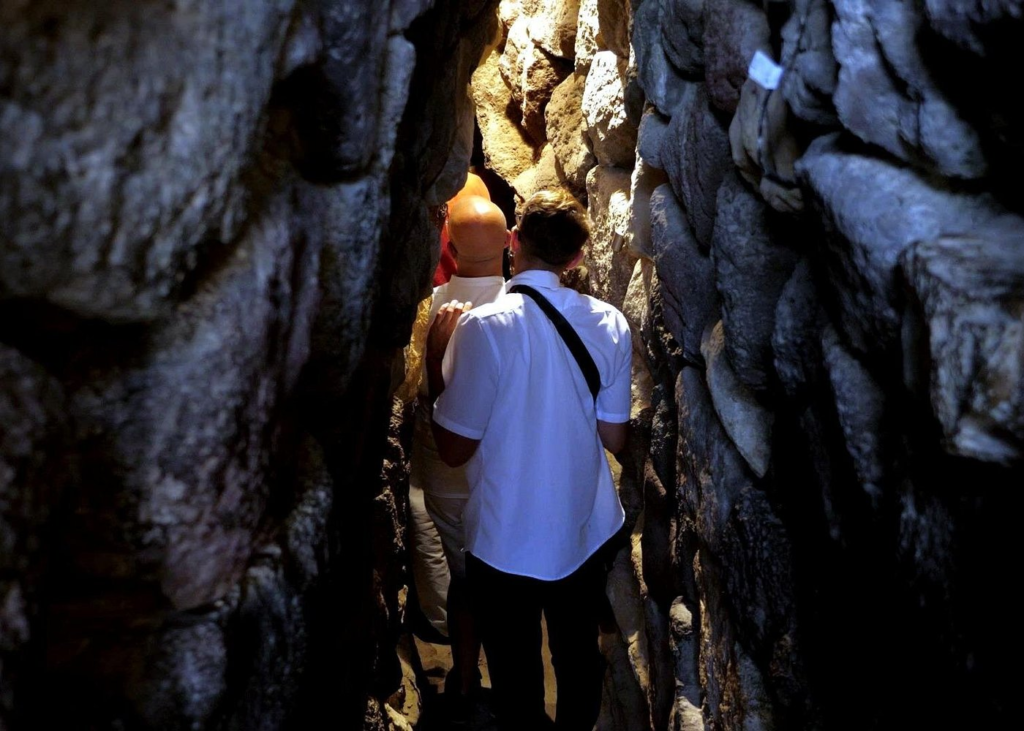
A full day away from the coast is time well spent at Su Nuraxi di Barumini: a Nuragic settlement dating to around 1500 BC and Sardinia’s most important prehistoric site. It was inscribed as a UNESCO World Heritage Site in 1997. The drive from Costa Rei takes about 90 minutes through the island’s agricultural interior.
Several tour operators offer pickup from Villasimius and Costa Rei area at an additional charge.
Book: Su Nuraxi Barumini UNESCO World Heritage Site tour (Viator) – rated 4.8, guided tour with licensed archaeologist, pickup from resort area available.
Visit the Castiadas Penal Colony
When the weather turns or you need a day away from the sand, the Colonia Penale di Castiadas is the most historically interesting site in the area. Opened in 1875, this penal colony operated until the 1950s. Prisoners were brought in by sea at Cala Sinzias (there were no roads at the time) and put to work reclaiming malarial land. They planted the eucalyptus forests you see throughout the area: brought from Australia specifically for their water-absorbing properties.
The complex has been converted into a museum. Guided tours walk through the cells, communal areas, and agricultural spaces. A strange and quietly moving place that most beach tourists completely miss. Confirm seasonal opening hours locally before visiting.
The Pools of Sarrabus
Near the towns of Muravera and Villaputzu, the Piscine del Sarrabus are a complex of natural ponds and wetlands home to exceptional birdlife. Pink flamingos, grey herons, cormorants, and a range of migratory species use this lagoon system as a stopping point along the Mediterranean flyway.
It’s a short drive from Costa Rei and a completely different experience from the beach: good for a quiet morning walk, particularly in spring and autumn when migration is at its peak.
Getting around: car rental in Costa Rei
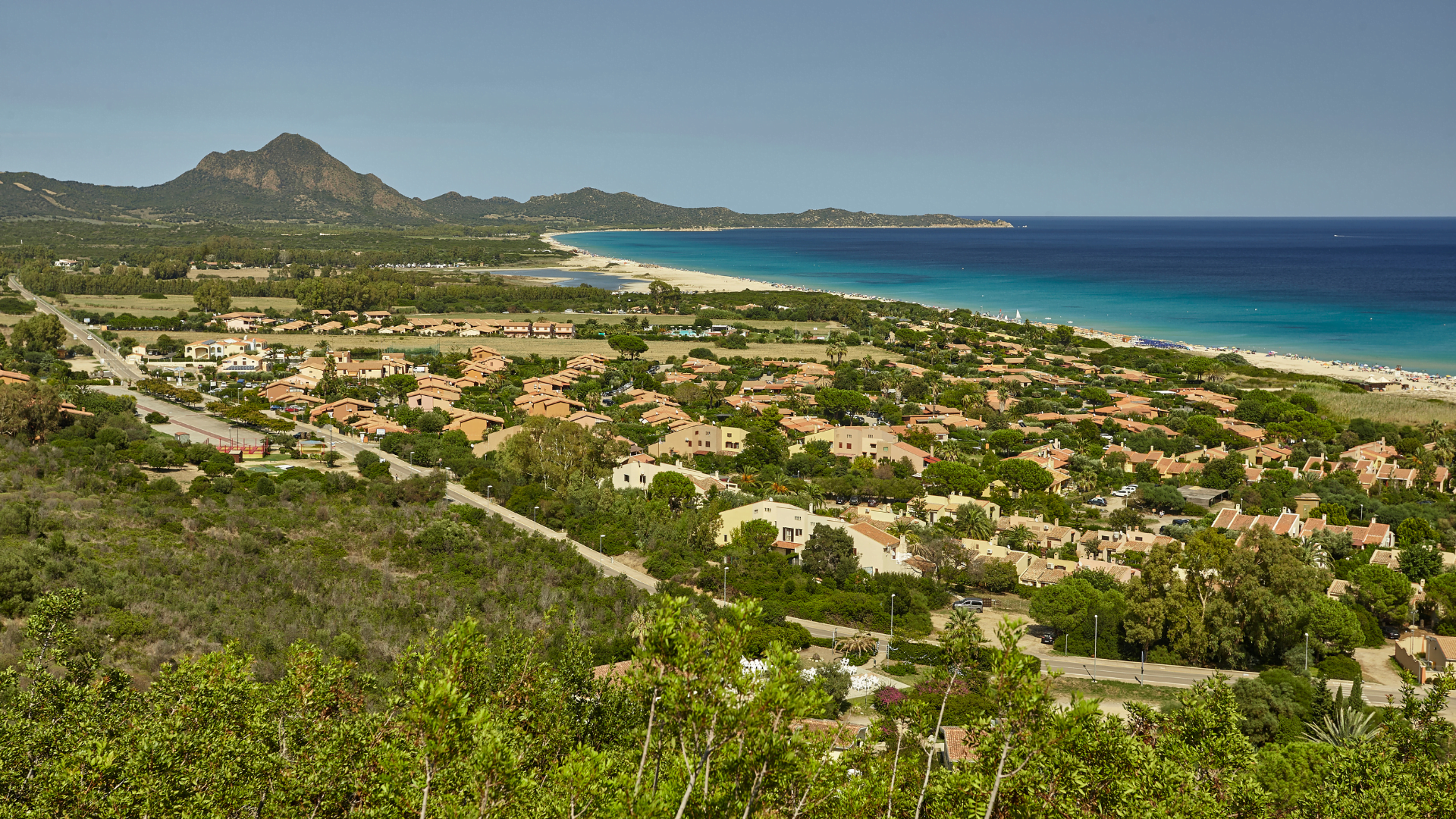
To visit Costa Rei properly, a car is not optional: it is essential. There are no local buses connecting the beaches to each other. The village has basic services, but every worthwhile beach requires a drive, and some require parking in lots that fill up fast.
The transfer from Cagliari airport (76 km away) is most efficiently done by car. Booking well in advance is critical for July and August, when both availability and prices become problematic.
Compare rates and book directly:
- Cagliari Airport (CAG): Discovercars – Cagliari
- Sardinia in general: Discovercars – Sardinia
Where to stay in Costa Rei
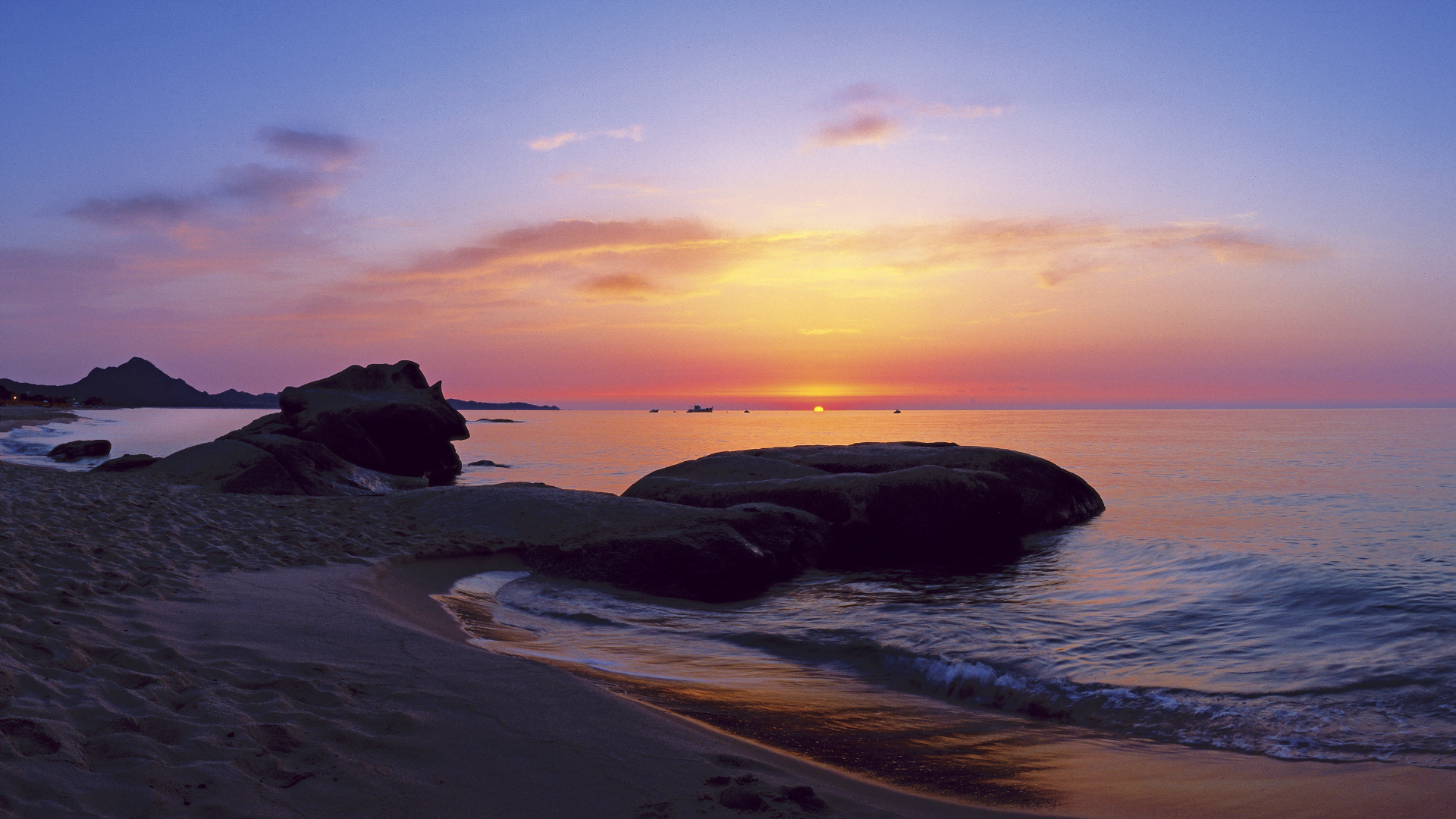
The accommodation range in Costa Rei covers large all-inclusive resorts, mid-range hotels with pools, beach clubs with rooms, and a wide variety of private apartments and villas. Most Sardinian families who return here year after year rent a private apartment: the most economical option for stays of a week or more, and the one that gives you the most independence.
For a broader search across the south of the island, our full guide on where to stay in South Sardinia is the right place to start.
TH Costa Rei Free Beach Resort (luxury, all-inclusive)
The largest resort on the coast, with direct beach access on one of the most beautiful stretches of the main beach. The TH Costa Rei offers multiple swimming pools, six tennis courts, children’s entertainment by age group, a wellness center, three restaurants, and an open-air theater. All-inclusive rates cover full board with local Sardinian and Italian cuisine.
It works particularly well for families with young children: the structure and daily entertainment program remove any planning burden from parents. Less suited to travelers looking for a quiet, intimate stay.
Book: TH Costa Rei Free Beach Resort (Booking.com) – from ~$240/night, sells out early for July and August.
Costa Rey Wellness & Spa Resort (luxury, adults only)
For couples or adult-only groups, the Costa Rey Wellness & Spa Resort is the better choice. It sits 300 meters from the beach, with sea access, a pool, a wellness center, and a calmer atmosphere than the full resort next door. The adults-only policy is strictly maintained.
Rated 8.1 on Booking.com, with particular praise for the location and the quietness of the property.
Book: Costa Rey Wellness & Spa Resort (Booking.com) – from ~$276/night.
Hotel Albaruja (mid-range, best value in the area)
The Hotel Albaruja is the standout choice for a classic hotel experience. Located 2 minutes’ walk from the main beach, surrounded by well-maintained gardens, with an outdoor pool and an excellent breakfast. 34 rooms with independent access, spread around the garden buildings.
Rated 8.5 on Booking.com (355 reviews) with a location score of 9.1. The hotel can organize boat trips and quad excursions on request. It’s also pet-friendly. A solid, mid-range option with no surprises.
Book: Hotel Albaruja (Booking.com) – from ~$128/night, excellent value for the location.
Budget and camping options
The Tiliguerta Camping Village is the best-organized campsite in the area, well-maintained and pet-friendly. For self-catering apartments and villas, the Booking.com search for Costa Rei covers a wide range of private accommodations at various price points, including studio apartments from around $90/night and private villas at the higher end.
Browse all options: Hotels and accommodations in Costa Rei (Booking.com)
The local perspective: what Sardinians think about Costa Rei
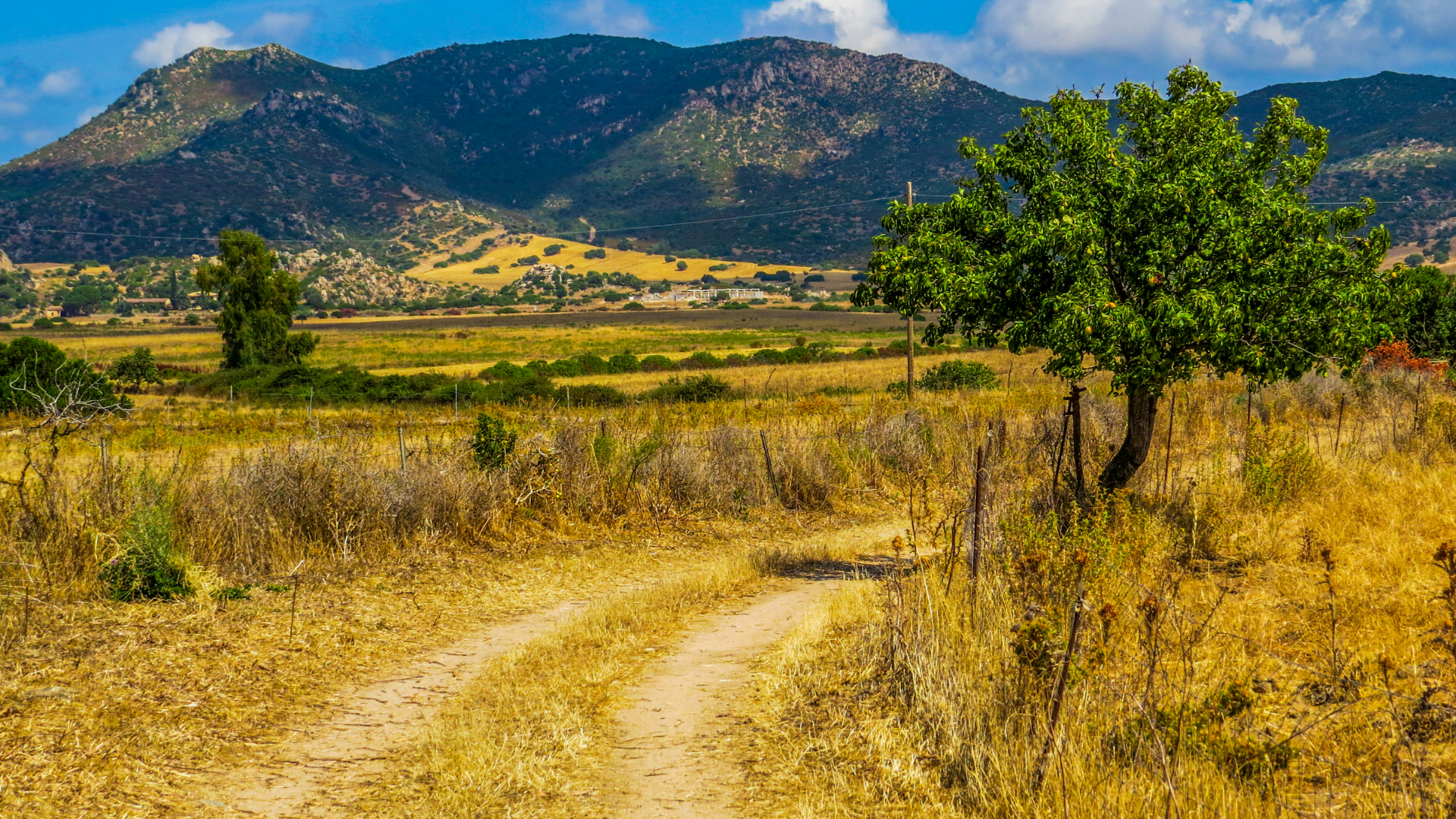
Costa Rei is genuinely one of the most beautiful places on the island. Anyone who grew up in southern Sardinia knows this without needing to be told. But there are things you only learn after years of going there.
The name tells a story worth knowing. “Costa Rei” derives from “Costa dei Rei”, coast of the criminals. The entire area was reclaimed from malaria in the late 19th century by prisoners sent from Cagliari directly by sea. They planted the eucalyptus forests you see everywhere, brought from Australia for their extraordinary capacity to absorb groundwater. The Castiadas penal colony museum is less than 10 km from the main beach and two hours of your time there puts the landscape in a completely different light.
The wind is real and it matters. The main beach is fully exposed to the Maestrale, the dominant northwestern wind that can define a week in Sardinia. When it blows hard, the open beach becomes unpleasant: sand in the air, rough water, and nowhere to sit comfortably. Locals know exactly where to go in those moments: Monte Turno and Cala Pira are the fallbacks. The south-facing coves are consistently calmer. A traveler who monitors the wind forecast has a fundamentally better experience than one who doesn’t.
August is a different reality from the brochure. The photos of wide, empty Costa Rei beaches? Taken in May or October. In August, the parking lots fill by 8:30am, the road through the village backs up during morning beach rush, and every centimeter of Cala Sinzias is taken by 10am. This doesn’t mean August is bad: the sea is extraordinary, the evenings are warm and social, and many people genuinely love the atmosphere. But arrive knowing what you’re walking into.
A car is not a convenience, it’s a precondition. No local would attempt Costa Rei without one. Parking at Cala Sinzias costs money and fills fast. The road into Cala Pira is narrow and one-directional in practice. Monte Turno has a sharp turn that’s easy to miss. Get a car with a small footprint if you can.
Weather in Costa Rei
 -
- -
- -
- -
- --------------
FAQ about Costa Rei, Sardinia
Is Costa Rei good for families with children?
Yes, very much so. The main beach has shallow, calm water for several hundred meters, suitable for toddlers. Cala Pira and the quiet cove at Santa Giusta are also good options for families. Avoid the main beach on windy days and head to the sheltered coves instead: the wind is the main variable to monitor.
When is the best time to visit Costa Rei?
May, June, and September offer the best combination of warm weather, open services, and manageable crowds. July and August are peak season: beautiful but expensive and busy. October is excellent for those who can handle the occasional overcast day, with empty beaches and warm enough water for swimming.
How do I get to Costa Rei from Cagliari?
By car along the SS125, the drive takes about one hour. ARST buses run from Cagliari to Muravera, with limited onward connections, but they don’t solve the between-beach transport problem. Renting a car at Cagliari Airport is the practical solution. See also our Sardinia map for tourists for geographic orientation.
Is Costa Rei crowded in August?
Honestly, yes. The main beach, Cala Sinzias, and Santa Giusta all get very full. The rule is simple: arrive before 9am, park early, and target the less accessible spots when you want space. The northern sections of the main beach, reachable only on foot, are always quieter than the areas accessible by car.
What islands can I visit from Costa Rei?
The closest islands are Serpentara and Isola dei Cavoli, both part of the Capo Carbonara Marine Protected Area. Boat tours depart from the main beach during summer. Our guides to Serpentara and Isola dei Cavoli cover both in detail.
Is Costa Rei suitable for snorkeling and diving?
Yes. Scoglio di Peppino (reachable on foot from Santa Giusta) is a good free snorkeling spot accessible without a boat. For the best underwater experience in the area, a guided tour in the Capo Carbonara Marine Park around Isola dei Cavoli is the right choice: the protected zone there has some of the clearest water and richest marine life in southern Sardinia.
- What are the best nearby attractions for a day trip?
If you are staying in this area, a visit to the nearby resort town of Villasimius is highly recommended for its vibrant nightlife and marine protected area. - Can I practice water sports in Costa Rei?
Absolutely. The area is great for snorkeling and windsurfing. If you are an adventure seeker, you might also be interested in surfing spots in Sardinia found along the coast. - What is the best way to reach this coast?
The most convenient way is to drive from the south. Check our map of Sardinia for tourists to see the scenic coastal routes from Cagliari.
Sources:
- Costa Rei – Sardegna Turismo – Official tourism portal of the Regione Sardegna
- Castiadas Penal Colony – Sardegna Turismo – Official description of the Colonia Penale di Castiadas
- Museo del Territorio di Castiadas – Ministero della Cultura – Ministry of Culture museum record
- Comune di Muravera – Official municipal website
- AMP Capo Carbonara – Official website of the Capo Carbonara Marine Protected Area
- Fondazione Pinuccio Sciola – Official foundation dedicated to the Sardinian sculptor, author of the Virgin of the Sea statue at Isola dei Cavoli