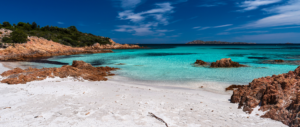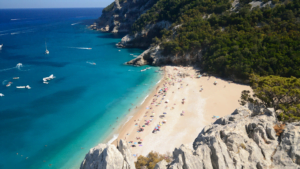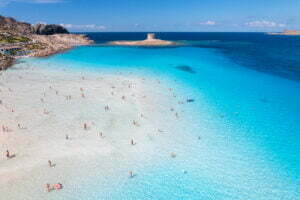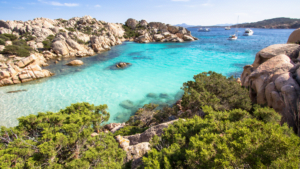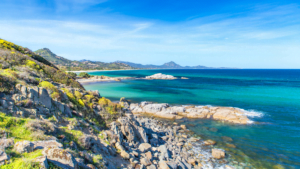
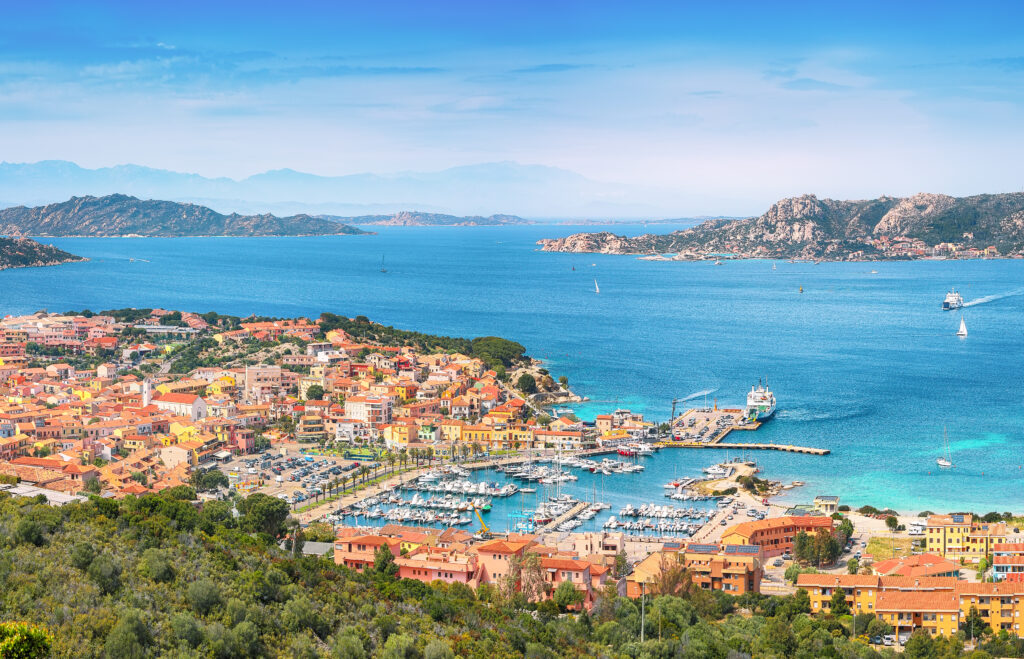
Discover the best things to do in Palau Sardinia, where sculpted granite meets turquoise sea. As a Sardinian I share my honest local guide to this northern haven.

Many international visitors treat Palau merely as a quick transit dock to catch the car ferry across to the islands. Yet taking time to explore the town unveils dramatic wind-carved granite headlands, hidden sandy bays, energetic windsurf shores, and imposing 19th-century fortifications.
In this guide, I share my firsthand advice on what to see across the mainland coast, how to select beaches based on daily wind shifts, top boat tours, trusted accommodations, and practical tips gathered from years of exploring our island.
What to see in Palau: top attractions and landmarks
Palau occupies a prime granite coastline where millenary winds have carved the rock into wondrous natural monuments. The surrounding hills also hold remarkable coastal defense forts and prehistoric stone tombs set amid fragrant Mediterranean macchia.
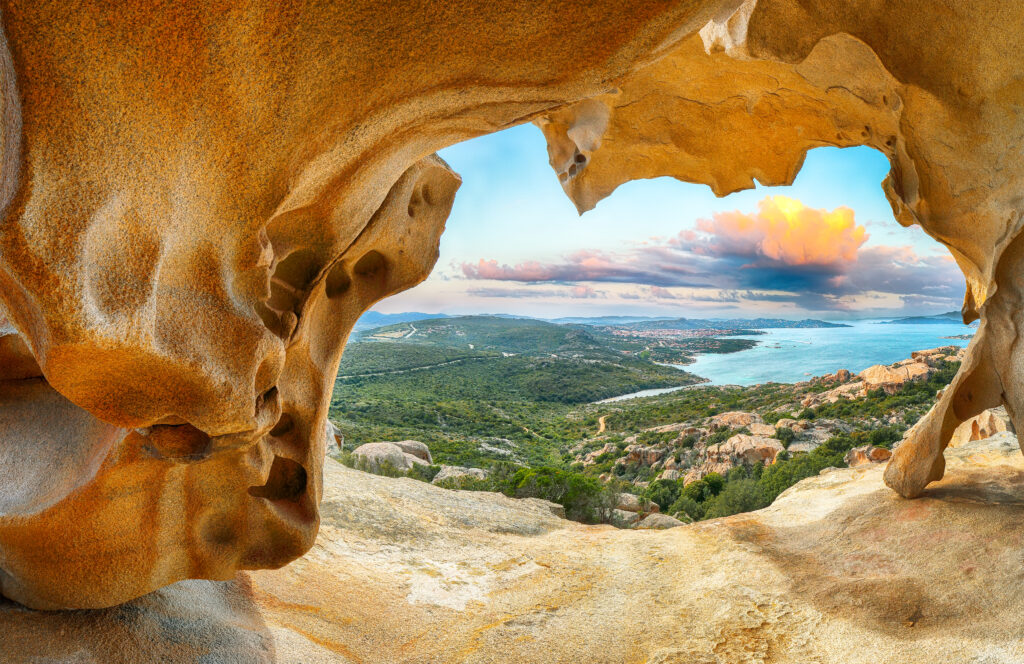
Roccia dell’Orso (Bear Rock on Capo d’Orso)

Perched 122 meters above sea level on the promontory of Capo d’Orso stands a colossal natural sculpture resembling an enormous bear gazing out across the sea. Wind and chemical weathering have hollowed out the yellow-pink granite over millions of years. These forces shaped curious hollow tafoni chambers that ancient Greek and Roman navigators cited as a prominent navigational beacon.

I advise hiking up early in the morning before daytime heat and tour groups gather. From the ticket booth and parking area, a well-kept stone footpath with steps takes roughly 15 minutes to reach the base of the rock. Once you stand beneath the bear, the viewpoint opens over La Maddalena island and, on clear days, reaches all the way to Corsica.
Fortezza di Monte Altura

Why did 19th-century military strategists select this specific granite summit above all others? Rising commanding over the coast, Fortezza di Monte Altura was built between 1887 and 1889 to safeguard the strategic maritime passage of the Bocche di Bonifacio. Contemporary engineers regarded the complex as an architectural masterpiece because its handcrafted stone walls blend harmoniously into the natural granite ridge.

Visits are organized through guided tours operated during the main season by Palau Turismo. Touring its defensive bastions, gunpowder storerooms, and vaulted tunnels gives visitors a real glimpse into Savoy military history, capped with a sweeping 360-degree panorama of the northern coastline.
Porto Rafael

Porto Rafael is an exclusive coastal hamlet founded in the 1960s by the eccentric Spanish nobleman Count Rafael Neville de Berlanga del Duero. Driven by an artistic dream, Count Rafael designed a village characterized by white Mediterranean villas, wooden shutters, and lush bougainvillea gardens woven directly into the granite boulders.
The social focus of the hamlet is the Piazzetta, a small paved terrace that sits beside a sandy cove facing the island of Santo Stefano. I enjoy stopping here in the late afternoon for an espresso or a quiet drink. The atmosphere stays discreet and understated, standing in pleasant contrast to the high-tempo flash of nearby Porto Cervo.
Li Mizzani Giant’s Tomb (Tomba dei Giganti Li Mizzani)
In the countryside southwest of Palau stands the Tomba dei Giganti Li Mizzani, a Bronze Age collective burial site built by the Nuragic civilization over 3,000 years ago. The tomb features a central arched stone stele surrounded by curved granite slabs that outline an exedra, symbolizing the horns of a sacred bull.
Local folklore in Gallura often credits this serene spot with calming natural magnetic energy. Framed by ancient cork oaks and wild mastic bushes, the monument provides a quiet historical detour that connects travelers with Sardinia’s prehistoric heritage.
Palau Old Town and Marina

Unlike medieval villages on our island such as Castelsardo or Alghero, Palau grew as an active port and railway terminus in the late 19th century. The core of village life runs along Via Nazionale and the broad harbor promenade.

On summer evenings, the main avenue becomes pedestrian-only. Craft vendors set up colorful open-air market stalls while seaside restaurants serve fresh seafood landed daily by local fishermen. The whole waterfront remains clean, friendly, and easy to stroll.
Best beaches in Palau: from windsurf meccas to secret coves
Palau’s coastline spans around 24 kilometers of diverse shoreline. How should you pick the right beach when the northern breeze picks up? You can choose between sheltered family coves, scenic nature trails leading to secluded sands, or famous windsurfing bays.

Porto Pollo and Isola dei Gabbiani

Porto Pollo is a renowned wind sport destination located five kilometers west of Palau. A slender sandy sandbar connects the mainland shore to the peninsula of Isola dei Gabbiani. This unique natural causeway separates two bays. It creates flat water on one side and rolling swell on the other.
Because local geography funnels consistent winds through the strait, athletes come from all over Europe to windsurf, kitesurf, and wingfoil here. Even non-surfers appreciate the wide golden sand and laid-back beach bars, where you can sip chilled drinks with relaxed music playing in the background.
Spiaggia La Sciumara

Located just south of Palau center, La Sciumara takes its name from the local Gallurese term for a river mouth. It features coarse golden sand and clear, calm water that slopes gradually, so younger children can wade safely without sudden drop-offs.
A grove of fragrant maritime pine and eucalyptus trees flanks the rear of the beach, which provides cool natural shade during hot summer afternoons. Visitors will find dedicated car parking, umbrella rentals, and kayak hire available on site.
Cala di Trana
For travelers who value peaceful wilderness above convenience, Cala di Trana is my favorite coastal spot in the municipality. Enclosed between tall granite cliffs and sloping sand dunes, this secluded inlet offers pinkish sand and crystalline waters resembling a natural swimming basin.
No asphalt roads lead directly to this bay. You can arrive by sea or by walking an invigorating 45-minute coastal trail from Porto Rafael or Costa Serena. Be sure to bring sturdy walking shoes, ample drinking water, and hats, because the beach has zero commercial kiosks.
Spiaggia di Palau Vecchio
Situated immediately opposite the historic railway stop and an easy walk from town hotels, Palau Vecchio is clean, calm, and convenient. A line of shaded pine trees runs parallel to the shore, offering an inviting retreat right next to the water.
When the strong northwesterly Maestrale wind sweeps over northern Sardinia, Palau Vecchio stays sheltered from rough waves. It makes a restful spot for an afternoon swim before dinner in town.
Porto Faro and Baia di Nelson
Resting beside the white lighthouse of Palau, Porto Faro is a postcard-like cove overlooking the blue sound toward Santo Stefano. Its calm, clear waters make it a delightful place for casual snorkeling along the submerged rocks.
A short path leads eastward to Baia di Nelson. The cove bears the name of British Admiral Horatio Nelson, whose fleet sheltered in these deep waters between 1803 and 1805 during the Napoleonic campaign. Today, it remains an attractive, peaceful swimming bay bordered by fragrant green scrub.
Things to do in Palau: top activities
Palau serves as the premier departure base for sea excursions in northern Sardinia. Should you captain a small dinghy independently or relax aboard a skippered sailboat? Booking an organized tour from Palau Marina lets you experience the protected marine park in comfort.
Full-day boat tour to La Maddalena Archipelago
The classic archipelago cruise departs each morning from Palau pier aboard comfortable vessels such as the Lady Luna 3, sailing along a scenic route across the national park. The excursion includes extended swim stops at the pristine sands of Spargi, a slow passage past the protected Pink Beach on Budelli island, and leisure time to explore the boutique-filled historic center of La Maddalena town.
Book the 4-stops boat tour to La Maddalena Archipelago on GetYourGuide
Palau dinghy tour in La Maddalena Archipelago
Travelers seeking a brisk pace and an intimate group setting will love this skippered rigid inflatable boat (gommone) trip from Palau. Carrying no more than 12 guests, this nimble boat maneuvers easily into narrow granite coves that larger ferries cannot approach, giving you memorable swimming sessions at Cala Corsara, Cala Granara, and the clear shallows of Porto della Madonna.
Book the Palau dinghy tour in La Maddalena Archipelago on GetYourGuide
Snorkelling tour of the Maddalena Archipelago by sailboat

Board an elegant sailboat directly at Palau port for a relaxing journey propelled by quiet coastal breezes. The crew supplies snorkel sets and stand-up paddleboards so guests can explore healthy marine life among the rocks of Spargi, Budelli, and Razzoli, finished with a fresh Sardinian aperitif on deck.

Book the sailboat snorkelling tour from Palau on GetYourGuide
La Maddalena Archipelago and Caprera maxi-boat tour from Palau

Operated by Elena Tour Navigazioni from Palau harbor, this comprehensive day trip visits both the western archipelago coves and the pine-fringed shores of Caprera island. With spacious covered seating, multilingual safety commentary, and swim stops, it suits families with young children or elders who want a restful cruise.
Check availability for the maxi-boat tour to Caprera on Viator
Private RIB tour to Spargi and Budelli from Palau
For parties and families who prioritize privacy, booking a private RIB charter with a licensed skipper provides total flexibility. You can set the itinerary, decide how long to linger in each cove, and swim in quiet corners along Spargi’s coast away from the regular tourist vessels.
Book the private RIB tour in La Maddalena Archipelago on Viator
Palau private tour of the fortresses with sunset aperitif

Step off the beach to uncover the defensive heritage of northern Sardinia alongside an expert historical guide. You will visit panoramic forts, hear why Admiral Nelson and Italian kings guarded these channels, and conclude the evening tasting chilled Vermentino di Gallura DOCG wine and local sheep cheeses at sunset.
Discover the private fortress and sunset aperitif tour on Viator
Getting around: car rental in Palau
To tour northern Sardinia easily, renting a car is essential. While Palau town center and the marina can be explored on foot, regional buses to outer beaches like Porto Pollo, trailheads for Cala di Trana, and traditional Gallurese country restaurants run infrequently.
Most visitors fly into Olbia Costa Smeralda Airport (OLB), located about 45 minutes south of Palau along scenic highway SS125. You can compare rates across major car rental brands before your flight:
- Olbia Costa Smeralda Airport (OLB): Discovercars Olbia Airport
- Sardinia rental network: Discovercars Sardinia
For practical tips on navigation, driving customs, and rental insurance, read my practical guide to renting a car in Sardinia.
Where to sleep in Palau
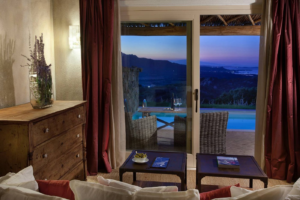
Palau features a well-curated selection of hotels, from secluded luxury resorts surrounded by private parklands to welcoming family resorts and convenient town-center lodgings near the marina.

Hotel Capo d’Orso Thalasso & Spa – Five-star luxury hideaway situated in a private park facing Capo d’Orso, featuring a marine spa, fine dining, and private marina – Book Hotel Capo d’Orso on Booking.com
Park Hotel & Spa Cala di Lepre – Four-star panoramic resort set in green Mediterranean scrub with large seawater pools and extensive sports amenities – Book Park Hotel Cala di Lepre on Booking.com

Hotel Palau – Four-star hilltop hotel overlooking town and the islands, featuring panoramic swimming pools and wellness services – Book Hotel Palau on Booking.com
Palau City Hotel – Modern four-star hotel located right in central Palau, within easy walking distance of ferry docks and local cafes – Book Palau City Hotel on Booking.com
Hotel Piccada – Friendly, budget-conscious three-star hotel located 300 meters from the beach and ferry harbor with comfortable rooms – Book Hotel Piccada on Booking.com
The local perspective: what Sardinians think
As a Sardinian who travels through Gallura frequently, I urge readers to look past superficial travel lists. Palau has an authentic local identity shaped by three fundamental aspects that every informed traveler should recognize.

First, the geographic wind reality. The Bocche di Bonifacio channel between Sardinia and Corsica concentrates maritime breezes. On our island, we always study the morning wind forecast before deciding where to swim. When the brisk northwesterly Maestrale blows, outer beaches like Porto Pollo transform into thrilling windsurf arenas, while families should seek calm waters at sheltered bays like Palau Vecchio and La Sciumara.
When the southerly Scirocco or easterly Levante blows, the situation flips: Porto Pollo and northern coves become mirror-still. If your travel dates are flexible, plan your stay for June, September, or early October. During these months, the sea is pleasantly warm, roads are quiet, and the heavy peak of August tourism has cleared.
Second, the logistics of dinghies and driving. Travelers frequently ask whether they should hire an open 40-horsepower dinghy on their own without a boating license. Italian law allows hiring boats up to 40 hp without a license, but the waters of the archipelago hide shallow granite reefs, shifting shoals, and swift tidal channels.
Unless you have solid nautical background and know how to read marine nautical charts, I recommend choosing a skippered boat tour. A local skipper handles shallow passages safely, preserves the delicate seabed, and steers you to peaceful coves away from large groups. In town, pay close attention to blue parking bays near the harbor, where meter fees apply during summer.
Third, our historical identity and culinary traditions. Palau started taking shape in the early 19th century when shepherd Giapètu Mannoni erected the first stone homestead on the hill of Palau Vecchio. Italian authorities later expanded the harbor, added the scenic railway, and built granite artillery batteries to guard the channel.
When sitting down for dinner, seek out authentic Gallurese cooking rather than generic resort meals. Try Zuppa Gallurese, locally known as Suppa Cuata, a comforting baked specialty made with layered country bread, savory meat stock, fresh cow’s milk cheese, and grated mature pecorino. Enjoy it with a chilled glass of Vermentino di Gallura DOCG, our island’s premier white wine, distinguished by clean mineral notes derived from weathered granite soils.
FAQ about Palau Sardinia
Is Palau Sardinia worth visiting?
Yes, Palau is certainly worth visiting. Far from being just a ferry departure port, the town offers iconic natural monuments like Bear Rock, historic military fortresses, world-class windsurfing at Porto Pollo, peaceful hiking beaches, and an attractive harbor promenade lined with welcoming restaurants.
How do you get from Palau to La Maddalena Island?
Regular car and passenger ferries managed by Delcomar and Maddalena Lines depart from the port of Palau to La Maddalena harbor throughout the day and night. The crossing takes only 15 to 20 minutes, with departures every 15 to 30 minutes during the high summer season.
What are the best beaches in Palau that are sheltered from the wind?
During strong northwesterly Maestrale winds, Spiaggia di Palau Vecchio and Spiaggia La Sciumara offer the calmest waters because of their south-facing orientation and protecting headlands. During southerly Scirocco winds, Porto Pollo and surrounding northern coves remain flat and sheltered.
Do you need a car in Palau Sardinia?
While you can manage on foot if you remain strictly within the port area, renting a car is strongly recommended. Having personal transport enables you to visit Bear Rock, Fortezza di Monte Altura, Porto Rafael, and untamed beaches across Gallura that buses do not serve regularly.
How many days should you spend in Palau?
Spending two to three full days provides a balanced stay. You can devote one day to a boat excursion through La Maddalena Archipelago, a second day to exploring Bear Rock, Monte Altura, and Porto Rafael, and a third day to windsurfing at Porto Pollo or hiking to Cala di Trana.
Sources and historical references
- Parco Nazionale dell’Arcipelago di La Maddalena
- Palau Turismo – Official Tourist Office of the Municipality of Palau
- Sardegna Turismo – Official Tourism Portal of the Autonomous Region of Sardinia