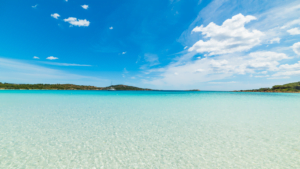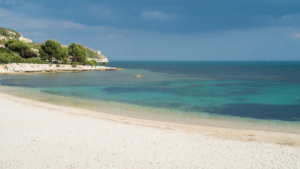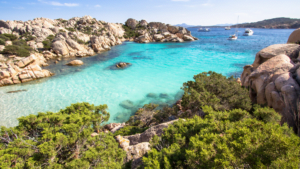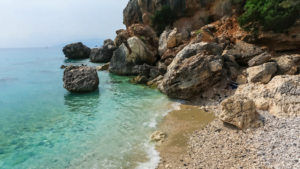
Sardinia in July is exactly what most people dream of when they picture a Mediterranean summer: long days, a sea so clear it looks photoshopped, and the scent of maquis drifting down from the hills. It is the island’s peak month. That is both the best and the most important thing to know before you go.
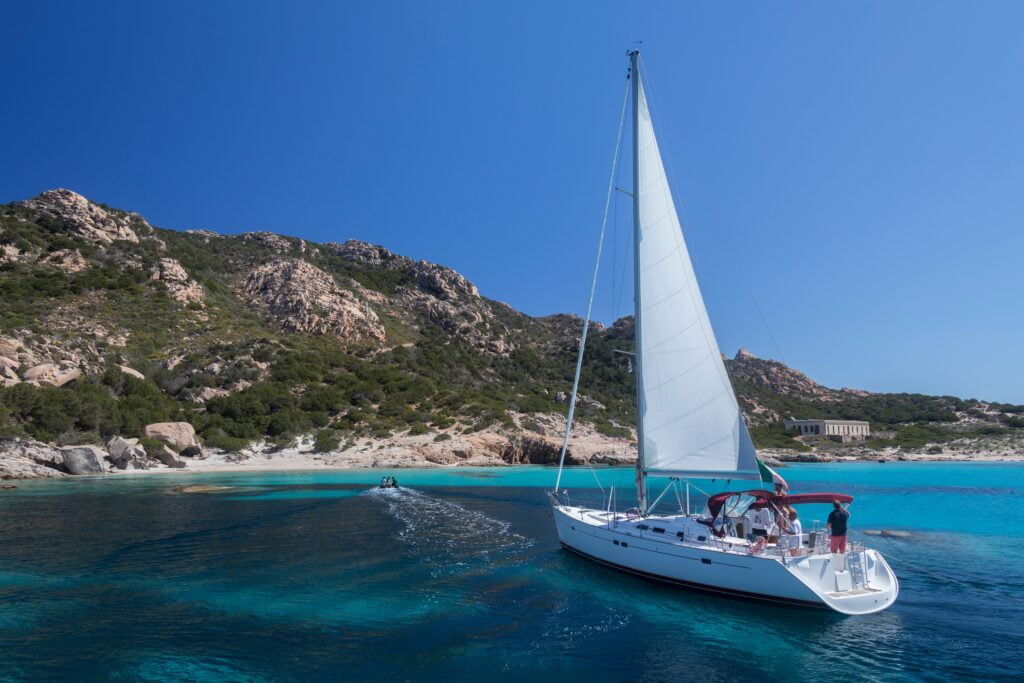
July delivers near-perfect beach conditions. But it also brings crowds, higher prices, and logistics that require planning. Go in prepared, and it is unforgettable. Go in blind, and you may spend half your holiday stuck in traffic on the SS125 wondering where the dream went.
This guide gives you the honest picture, from someone who lives here.
Sardinia in July: what the weather is really like
July is Sardinia’s sunniest month, period. There is almost no rain, the sky stays blue for days on end, and the sea reaches temperatures that genuinely feel warm the moment you step in.
That said, “hot” means different things in different parts of the island.
Temperatures and sunshine hours
Average daytime highs sit around 29-31°C, with inland areas regularly hitting 34-36°C during heatwaves. Nights are warm but comfortable on the coast, dropping to around 19-21°C. You get roughly 12 hours of sunshine per day, which is the annual peak.
Cagliari in the south tends to be slightly more humid and can feel heavier than Alghero in the north-west, where the Maestrale (north-westerly wind) keeps the air drier. Olbia and the Costa Smeralda area sit somewhere in between: warm, very bright, and breezy along the coast but still on exposed days.
UV levels are high. Sunscreen, a hat, and shade between noon and 4pm are not optional.
Sea temperature in July
The sea averages 23-24°C around the island in July. That is warm enough for extended swimming with no discomfort whatsoever.
One detail most guides miss: the west coast runs slightly cooler than the east. The Maestrale wind keeps surface temperatures a degree or two lower around Is Arutas, Piscinas, and the Sinis Peninsula. The east coast, especially the Gulf of Orosei, is calmer, warmer, and more sheltered. If you run hot, go west. If you want mirror-flat water, go east.
Early July vs late July: what changes
This is the single most useful piece of information in this entire guide.
Early July (1-14 July) is genuinely still manageable. Beaches are busy but not saturated. Restaurants have tables without a 90-minute wait. Accommodation prices, while high, have not yet hit their absolute peak. The roads are moving. This is the window locals will often choose if they need to travel in summer.
Late July (15-31 July) is a different animal. Italian school holidays kick in fully, mainland tourists and Europeans flood the island, and everything tightens: parking at La Pelosa fills by 8am, the SS125 coast road grinds to a halt around midday, and the best beach restaurants need a reservation days in advance. Prices for accommodation and car hire jump noticeably after July 15.
If you can choose your dates, arrive in the first two weeks of July. The experience is genuinely better.
The best beaches in Sardinia in July
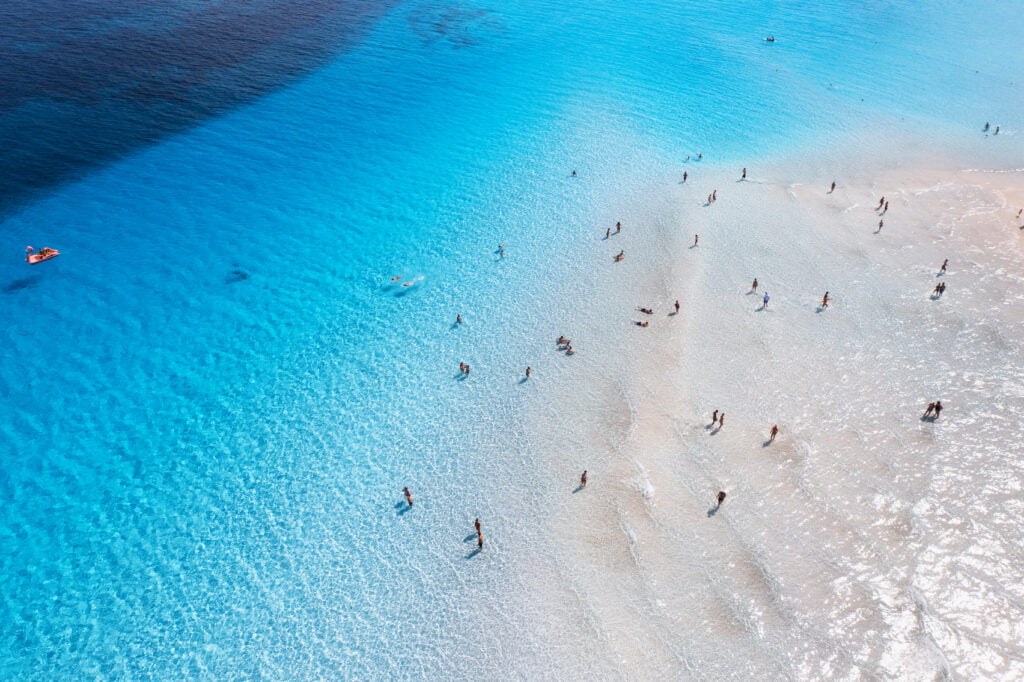
Sardinia has over 1,800 km of coastline. The challenge in July is not finding a beautiful beach. It is finding one that does not feel like a public swimming pool.
Here is where to go by area, with honest crowd ratings for July.
North Sardinia beaches in July
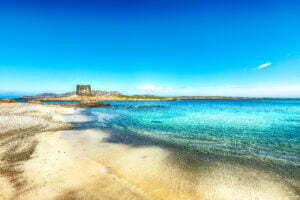
La Pelosa near Stintino is the most photographed beach on the island. In July, it operates a mandatory booking system for entry – you must reserve in advance via the Comune di Stintino. Numbers are capped. Arrive before 9am or after 5pm for the best light and the thinnest crowds. It is worth it, but do not show up unbooked and expect to get in.
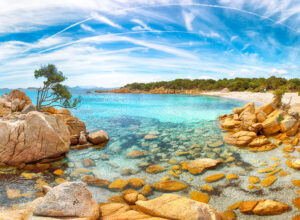
Capriccioli in the Costa Smeralda is a far quieter alternative to the glamorous beaches nearby. Granite boulders, pine trees to the shoreline, and water that cycles through every shade of green and blue. July crowds are real here but it never becomes unpleasant. Small beach bar on site.
Rena Bianca near Santa Teresa di Gallura is wide, practical, and has good facilities. In July it gets busy with Italian families but remains well-organised. The view toward Corsica from the northern end is genuinely spectacular.
East Sardinia beaches in July
The Gulf of Orosei is where Sardinia’s most dramatic coastline lives. Cala Goloritze, Cala Luna, and Cala Mariolu are all accessible only by boat or after long hikes in July. The boat is the only sensible option in the heat.
Book your boat excursion at least 2-3 days ahead in July. These tours sell out.
La Cinta near San Teodoro is a long sandbar enclosing a lagoon. It is popular with windsurfers and families. In July it fills up but its sheer length means you can always find space. The lagoon side is shallow and safe for children.
South Sardinia beaches in July
The Villasimius area is one of the best-value choices in July. Porto Giunco with its pink flamingo lagoon is genuinely unique, and Punta Molentis requires a short walk that keeps numbers down even at peak season.
Further west, the Chia area offers Su Giudeu and Tuerredda: both stunning, both served by shuttle buses from designated parking areas in July. The shuttle system works well and removes the parking nightmare entirely.
West Sardinia beaches in July
Is Arutas and Mari Ermi on the Sinis Peninsula are famous for their quartz-crystal sand, which looks like tiny white pearls under water. In July the west coast benefits from the Maestrale, which makes beach days feel fresher and less oppressive. The wind can pick up in the afternoon – a plus on a 32°C day.
Piscinas in the Costa Verde has dunes up to 100 metres high and a dramatically wild feel. In July it is still relatively uncrowded because it takes effort to reach – which is exactly its appeal.
Things to do in Sardinia in July: top activities
Beyond the beaches, July is rich with things to do. Book ahead: capacity is limited on most of these experiences during peak summer.
Boat excursion in the Gulf of Orosei
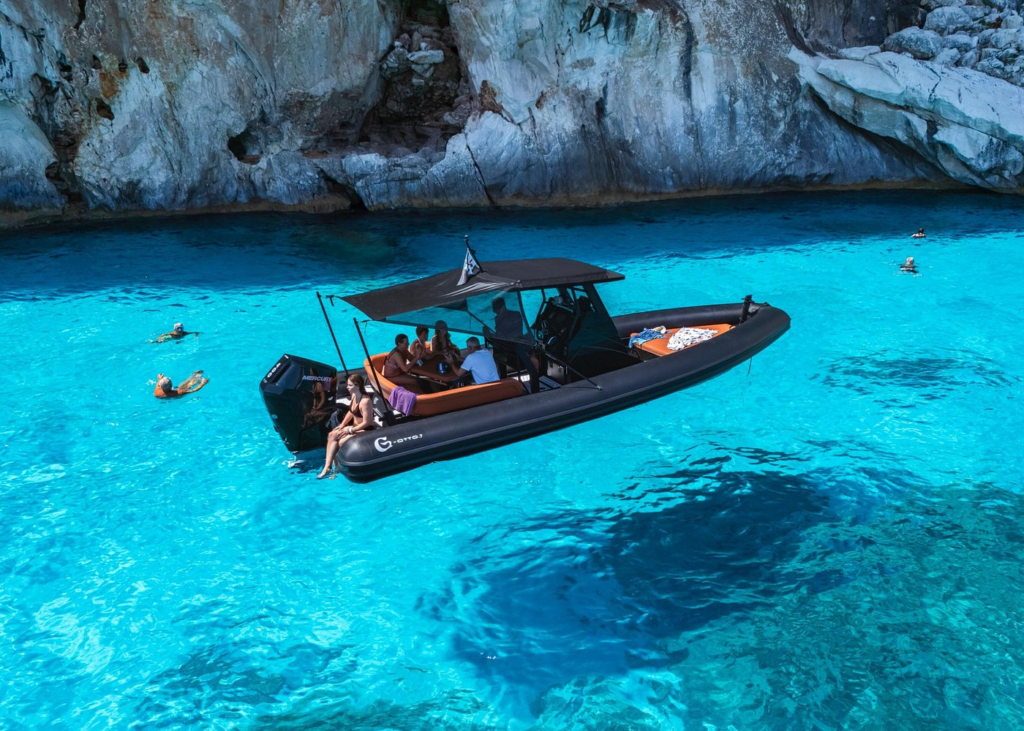
The Gulf of Orosei coastline is one of the most beautiful stretches of Mediterranean coast anywhere. A guided RIB or dinghy tour from the port of Cala Gonone takes you to Cala Mariolu, Cala Luna, Cala Biriala, and sea caves accessible only from the water. Small-group tours offer an intimate experience with knowledgeable local skippers who know every inlet. Book your spot via Viator – Boat excursion in the Gulf of Orosei.
Full-day sailing tour of La Maddalena Archipelago
Set sail from Palau to explore the La Maddalena Archipelago, a national park of seven islands and dozens of islets with some of the clearest water in the Mediterranean. Full-day tours include swimming stops at Spargi, a pass by the pink-pebbled Spiaggia Rosa on Budelli, and a traditional Sardinian pasta lunch on board. Snorkeling equipment and paddleboards included. Book via Viator – Sailing tour of the Maddalena Archipelago.
Cagliari boat tour with aperitif
For those based in the south, this small-group wooden gozzo tour out of Cagliari covers the Gulf of Angels: Cala Bernat, Sella del Diavolo, Cala Fighera, and Poetto beach. Five swimming stops, snorkeling gear on board, traditional Sardinian antipasto and wine included. A relaxed and well-priced half-day on the water. Book on Viator – Cagliari boat tour: 5 swim stops, aperitif and Sardinian lunch.
Su Nuraxi di Barumini: guided tour of a UNESCO site
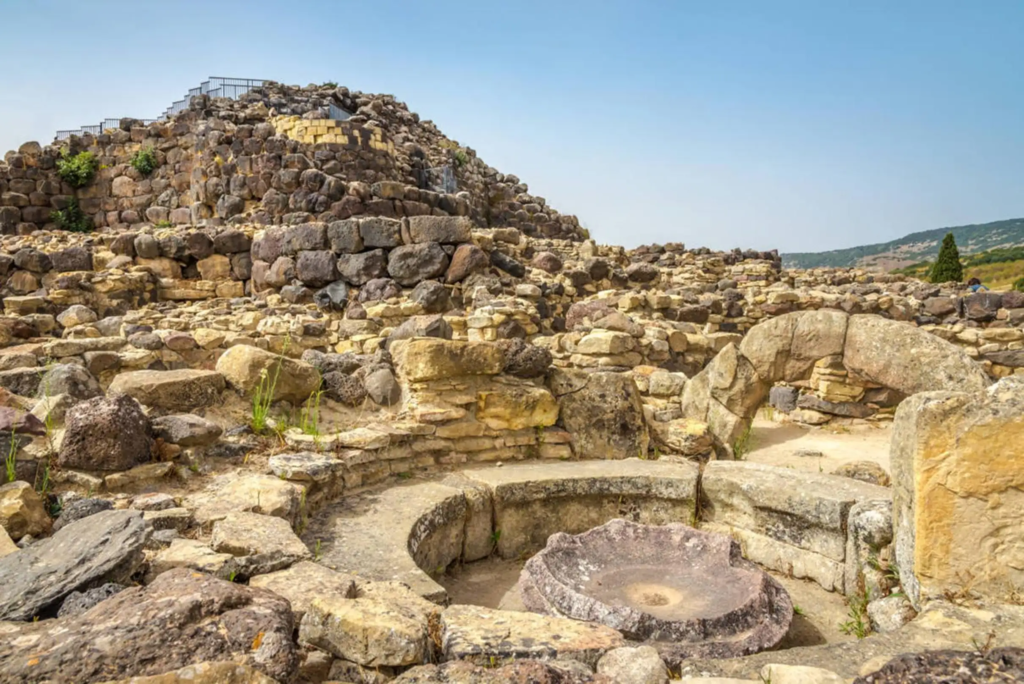
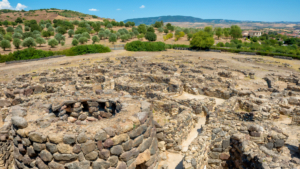
Su Nuraxi di Barumini is the best-preserved Nuragic complex on the island and a UNESCO World Heritage Site since 1997. In July the site stays open until 7:30pm, making a late afternoon visit possible when the heat softens. A guided tour takes you through the Bronze Age towers, the inner passageways, and the surrounding village. Plan 2 hours on site. Book a guided tour from Cagliari via GetYourGuide – Cagliari: Su Nuraxi di Barumini UNESCO Site Guided Tour.
Gorropu Canyon guided hike (early morning only in July)
Gola di Gorropu is one of Europe’s deepest canyons, with walls rising 400 metres above the canyon floor. In July, you must start by 7am at the latest. By 10am the canyon floor becomes extremely hot with no shade. Guided hikes from Orosei or Dorgali include off-road 4×4 transfers and take around 6-8 hours total. A genuine adventure, and one of the most spectacular walks in the Mediterranean. Book via GetYourGuide – Gorropu Canyon Guided Hike from Orosei or Dorgali.
Dolphin watching tour with marine biologists, Alghero
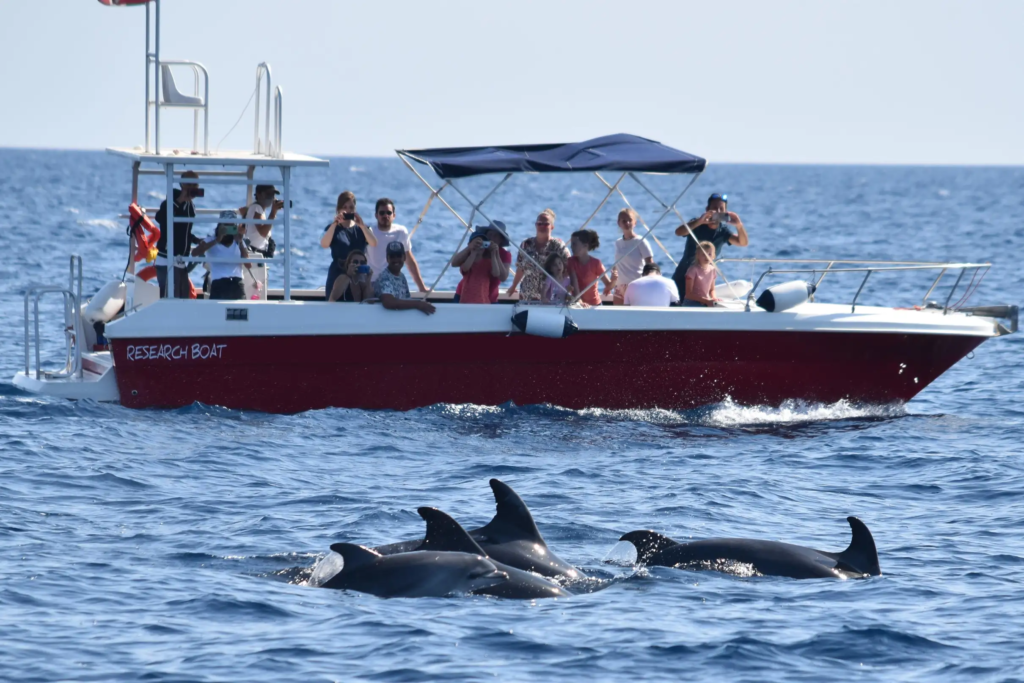
The waters north of Alghero around Capo Caccia host resident populations of bottlenose and striped dolphins. Marine biologist-led tours depart from Alghero port and include 4 hours of dolphin spotting and guided snorkeling (June to September). A genuinely educational experience and a moving one, especially with children. Book via GetYourGuide – Alghero: Dolphin Watching Tour with Marine Biologists.
Sunset aperitif cruise to Tavolara
From Porto San Paolo on the east coast, a vintage boat takes you to Tavolara, a sheer limestone monolith rising from an emerald sea. Sunset tours include a local aperitif with Sardinian snacks, plus the unique option of night swimming by underwater lights as the sky darkens. A beautiful and undemanding evening activity, perfect after a full day at the beach. Book on GetYourGuide – Porto San Paolo: Vintage Cruise Sunset Aperitif to Tavolara.
July events and festivals in Sardinia
This is where most travel guides fall flat. July in Sardinia is not just about the sea. There are events worth planning your dates around.
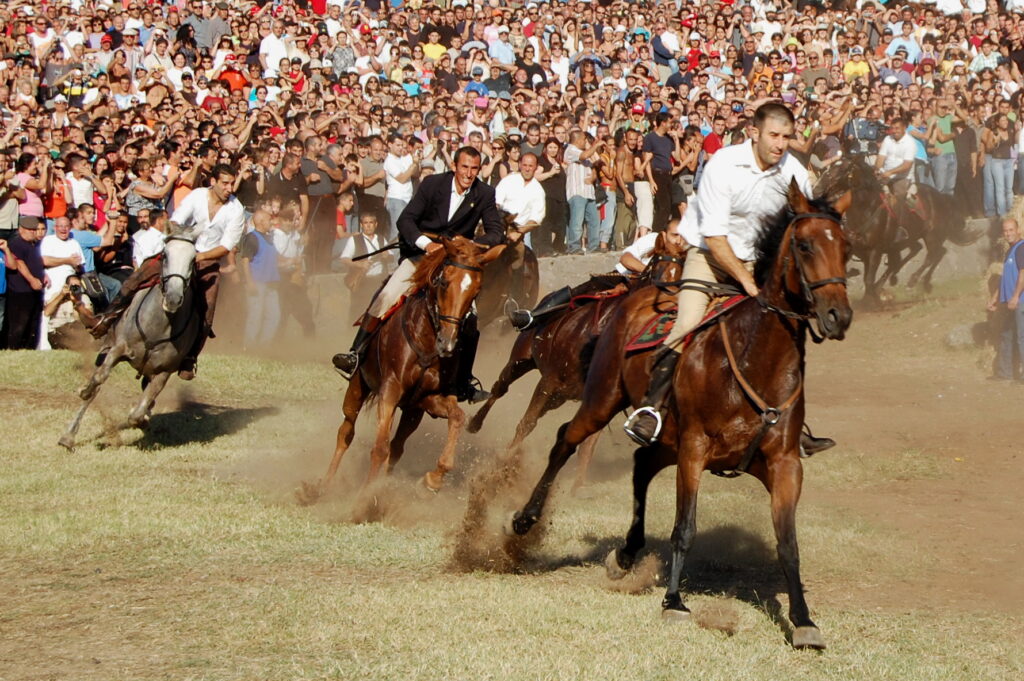
S’Ardia di San Costantino (6-7 July, Sedilo, near Oristano) is one of the most raw and authentic festivals on the island. Over 100 horsemen race at full gallop around the small sanctuary of San Costantino in honour of Constantine’s victory at the Battle of Milvian Bridge. The noise, the dust, and the proximity to the horses are nothing like any equestrian event you will have seen before. Entry is free. The village of Sedilo is small, so arrive early. This is not a tourist production – it is a living Sardinian tradition that has run since 1806.
Dromos Festival (Oristano province, July) is an international world music and jazz festival set in outdoor locations across the Oristano area. Performances take place in archaeological sites, rural churches, and village squares. Some events are free, some require tickets. Check the official Dromos programme for exact dates each year as the lineup evolves annually.
Jazz Alguer runs through the summer season in Alghero (May to October), bringing jazz concerts to wine cellars, archaeological sites, and historic squares. July offers some of the most atmospheric performances, particularly at outdoor venues in the old city.
Sagre del Pesce (Fish Festivals): several coastal towns hold summer fish festivals in July where freshly grilled fish, local wine, and live music fill the waterfront. Dates vary by village. Stintino, Bosa Marina, and various Gallura fishing ports typically host these communal summer evenings. Ask locally or check the relevant municipal websites for confirmed dates.
Getting around: car rental in Sardinia in July
A car is not optional in July. It is the only way to reach the best beaches, the festival sites, the nuraghi, and the inland villages. Public transport exists but it will not get you to Cala Goloritze, Piscinas, or the S’Ardia festival.
The critical warning: rental car availability in Sardinia in July runs out early. By May, the cheapest categories at all three airports are often fully booked. If you are travelling in July, book your rental car now. Prices also spike significantly in the last two weeks of July.
Compare and book in advance directly from the airports:
- Olbia Airport: discovercars.com – Olbia
- Cagliari Airport: discovercars.com – Cagliari
- Alghero Airport: discovercars.com – Alghero
- All Sardinia options: discovercars.com – Sardinia
Book a compact or mid-size car with air conditioning. In July, AC is non-negotiable.
Where to stay in Sardinia in July
Book accommodation well ahead of your travel dates – ideally by April for July travel. Availability at reputable properties drops sharply after March, and prices climb steeply.
A mix of premium and mid-range options across the island:
- Baglioni Resort Sardinia (San Teodoro, north-east) – Luxury beachfront property with Michelin-starred dining (Gusto by Sadler), perfectly placed for the Gulf of Orosei and Costa Smeralda. Private beach, 82 rooms, stunning pool. Rated 8.4/10 on Booking.com.
- Almar Timi Ama Resort & Spa (Villasimius, south) – Beachfront 5-star spa resort near Villasimius, adults-focused with private beach and direct access to the Capo Carbonara marine protected area. Good value for the category in July compared to Costa Smeralda alternatives.
- VOI Tanka Village (Villasimius, south) – Well-organised 4-star village resort with private beach, 5 restaurants, golf and spa. Consistently rated by families for its reliability and setting. Rated 8.2/10 on Booking.com with over 1,300 reviews.
- Agriturismo options (interior villages) – For those who want cool temperatures, local food, and near-zero crowds, an agriturismo in the Barbagia or Logudoro interior is a genuinely different experience in July. Rates are a fraction of coastal hotels. Search Booking.com – Sardinia farm stays and filter by “bed and breakfast” or “farm stay.”
The local perspective: what Sardinians think about July
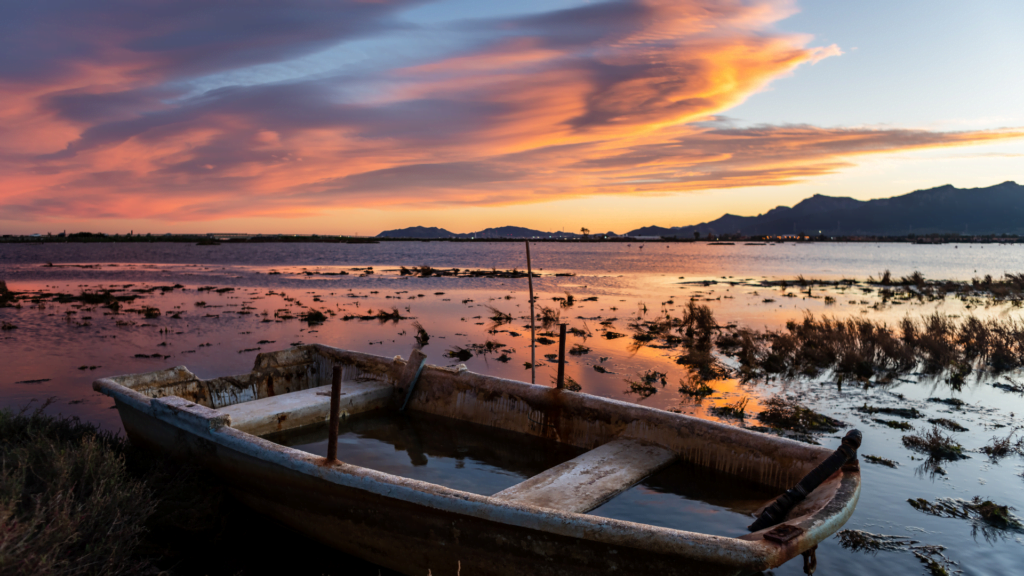
We Sardinians have a complicated relationship with July. We love what the season brings to the island – the economy, the energy, the long evenings. We also know things the brochures leave out.
Geographic and climatic reality: The Maestrale is your best friend on the west coast. When it blows steadily, it cuts the humidity, keeps the air breathable, and makes 32°C feel manageable. When it drops, the west coast can feel oppressively still. The east coast (Gulf of Orosei, Villasimius) is beautiful precisely because it is more sheltered – but that shelter also means more humidity and higher perceived temperatures inland. If you are heat-sensitive, the north-west and west are your better bet in July.
Logistical truth: The SS125, the main coastal road running down the east coast, becomes genuinely difficult to drive from the third week of July. Locals avoid it between 10am and 2pm if they can. The Stintino area roads fill up fast on weekend mornings – aim for weekday visits to La Pelosa if your schedule allows. The ferry to La Maddalena from Palau runs frequently but queues build quickly in high season: arrive 30-40 minutes before your intended departure, especially on weekends.
On prices: July is expensive. But it is meaningfully cheaper than August, particularly in the first two weeks. A hotel that costs €300 per night on August 10 may cost €180-210 on July 5. The island is also noticeably less crowded before July 15 – the difference in experience is real, not marginal. If you have flexibility, early July is one of the best-kept open secrets on Sardinian travel.
FAQ about Sardinia in July
Is July a good time to visit Sardinia?
Yes, with clear conditions. The weather is excellent, the sea is warm, and the island is in full summer mode. The trade-off is crowds and higher prices, particularly in the second half of the month. Early July gives you the best of both worlds: peak conditions with manageable logistics.
How hot is Sardinia in July?
Average daytime highs are around 29-31°C on the coast, and higher inland. During heatwaves the interior can reach 35-38°C. Sea temperatures average 23-24°C. With 12 hours of sunshine per day, UV protection is essential throughout the day.
Is Sardinia too crowded in July?
It depends on where you go and when. The most famous beaches – La Pelosa, Costa Smeralda – get very busy, especially in late July. Lesser-known spots, the west coast, and the interior remain accessible and calm. Planning matters more than the month itself.
Is early or late July better for visiting Sardinia?
Early July (1-14) is significantly better for logistics, prices, and crowd levels. Late July (15-31) brings the full peak season and all that comes with it. If you can, book the first two weeks.
Do I need a car in Sardinia in July?
Yes. Without a car you are limited to resorts with direct beach access and organised transfers. The island’s most beautiful beaches, archaeological sites, and festivals are unreachable by public transport. Book your rental well in advance as July stock runs out early.
What should I pack for Sardinia in July?
High-SPF sunscreen (50+ for fair skin), UV-blocking sunglasses, a reusable water bottle, light cotton or linen clothing, a good hat, and sandals you can walk in. A light layer for evenings. If you plan to hike, light trail shoes and start very early in the morning.
What events happen in Sardinia in July?
The S’Ardia horse race in Sedilo (6-7 July) is the unmissable local event. The Dromos Festival brings world music to the Oristano area throughout July. Jazz Alguer in Alghero runs through the summer. Various village fish festivals take place along the coasts throughout the month.