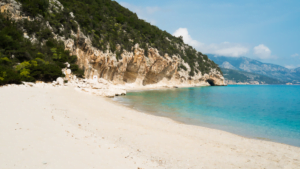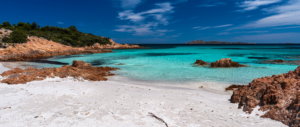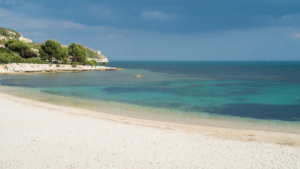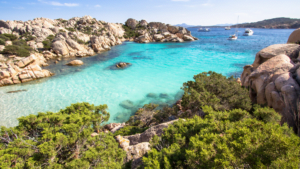
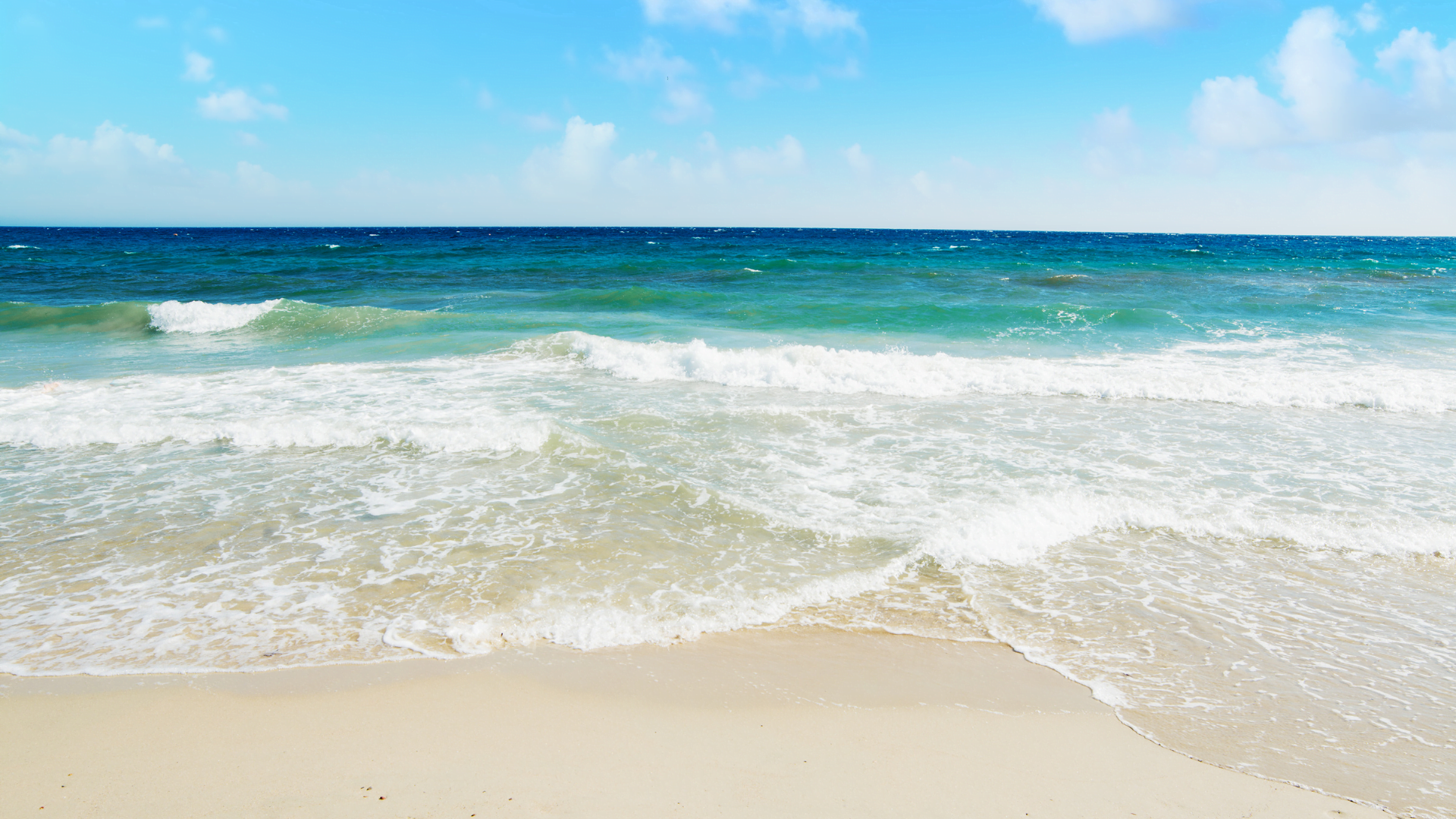
Poetto beach is Cagliari’s most iconic stretch of sand: 8 kilometres of white shoreline running from the rocky promontory of Sella del Diavolo all the way to the flat coast of Quartu Sant’Elena. It is not the most spectacular beach in Sardinia. Every Cagliaritano will tell you that without blinking. But it is the beach where the city actually lives – in every season, at every hour of the day. If you are visiting Cagliari and want to understand what the city feels like beyond the old town, spending time at Poetto is not optional.
This guide covers everything you need to plan a day here: what to do, where to swim, which tours are worth booking, how to get there, and where to stay nearby.
What is Poetto beach: the essentials
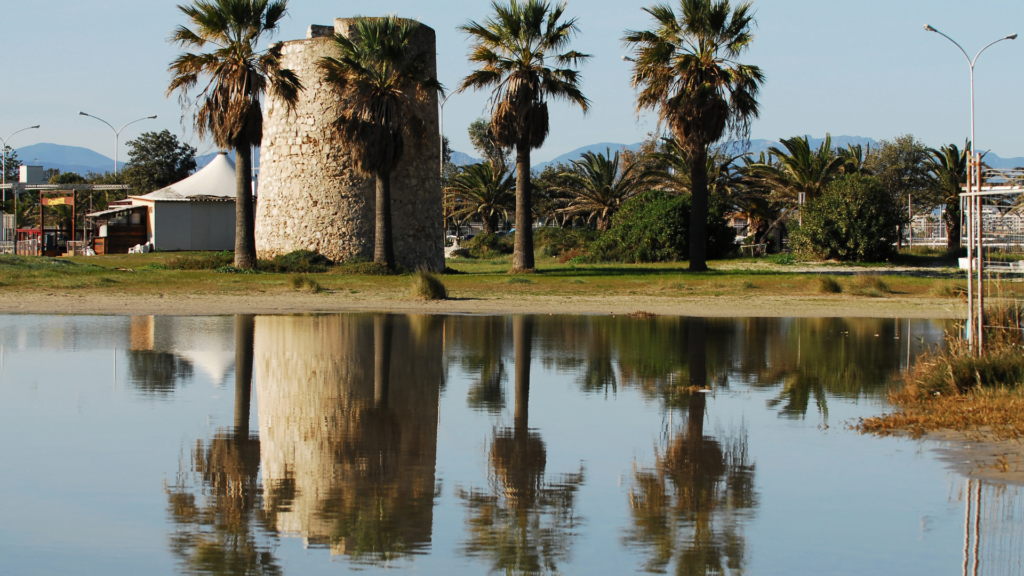
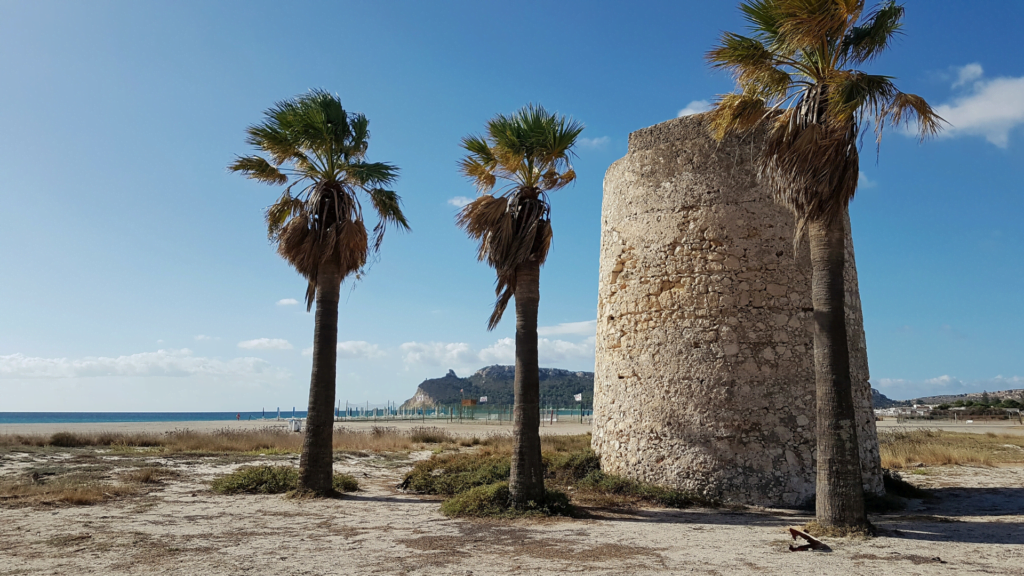
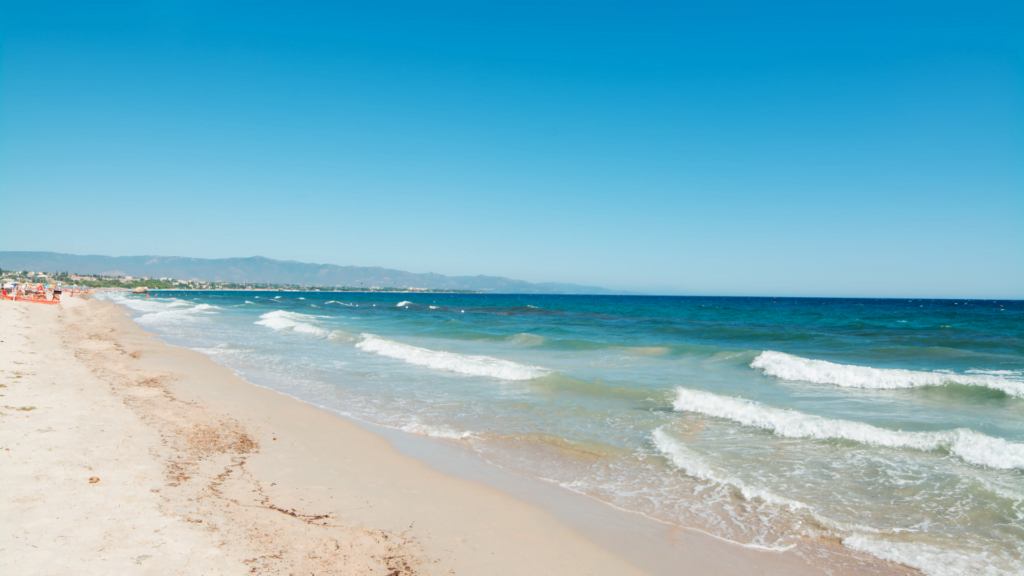
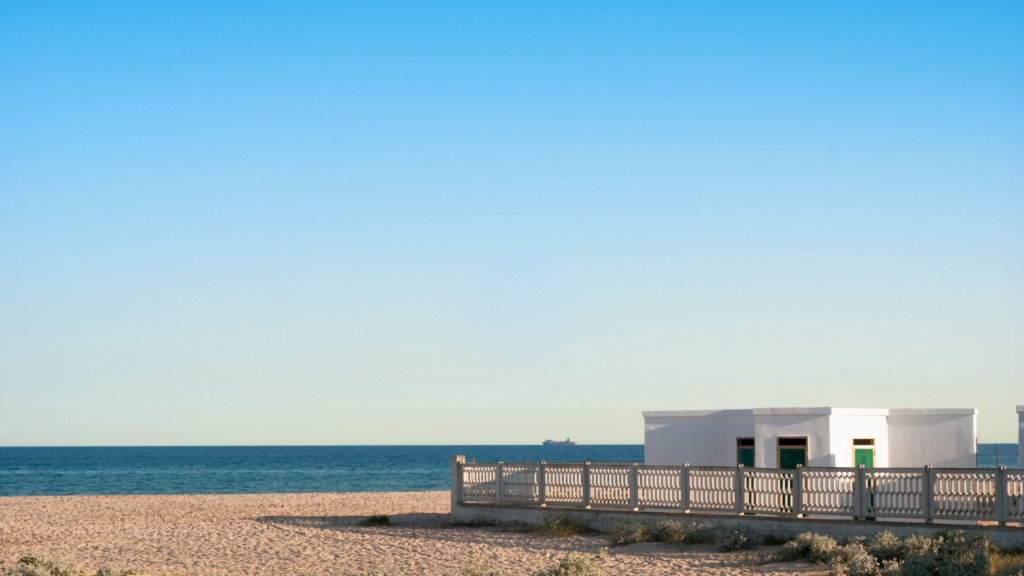
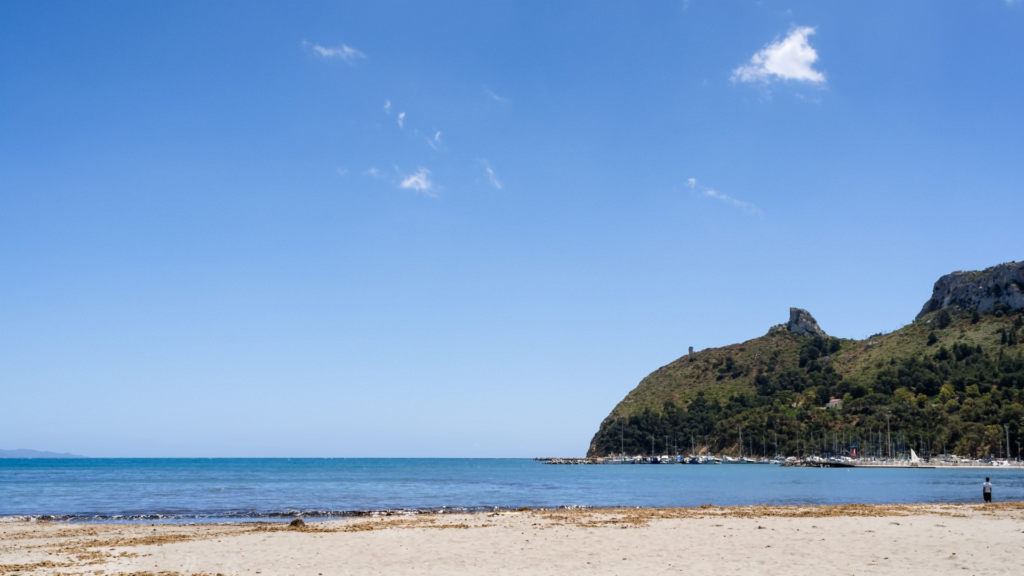
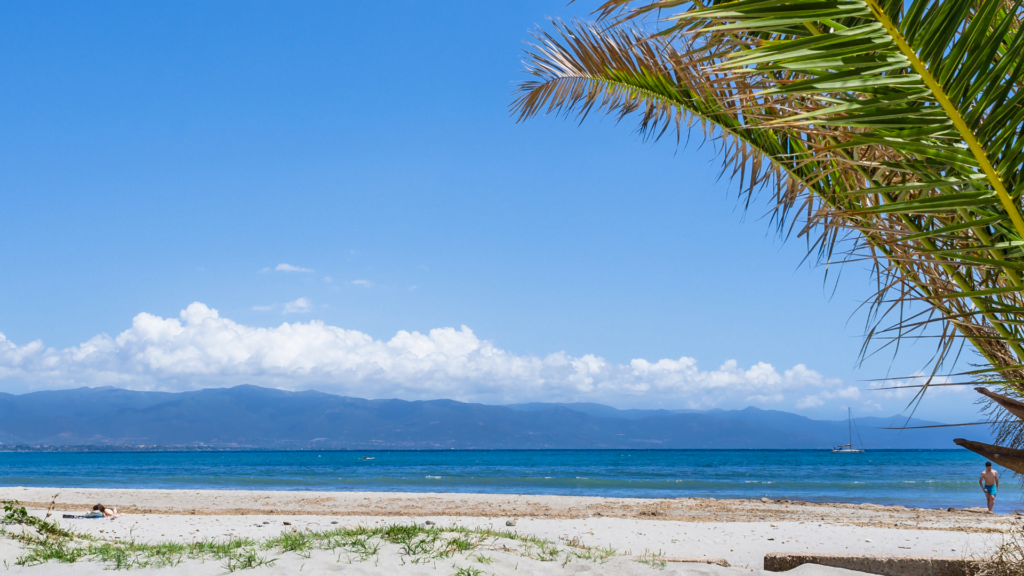
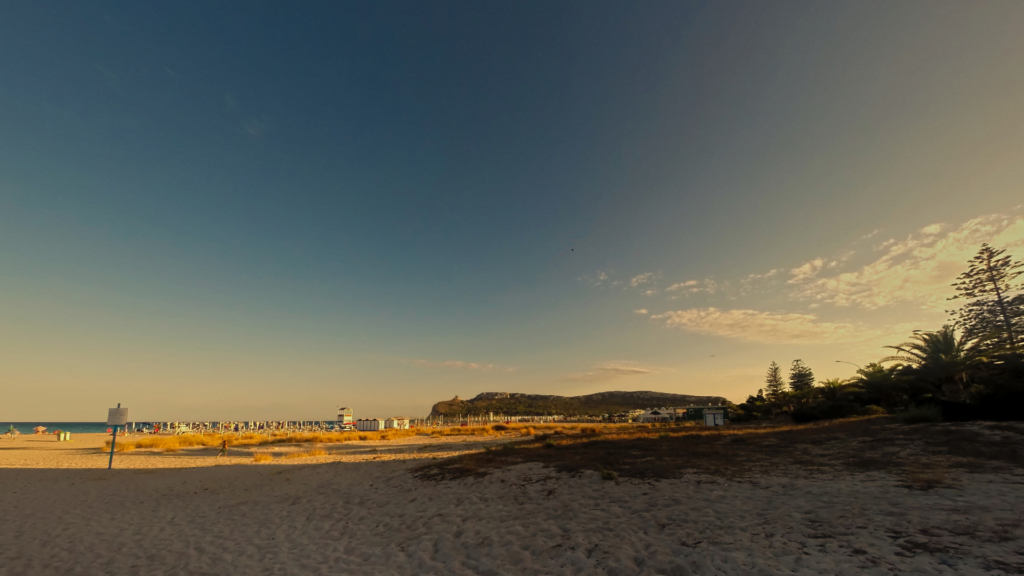
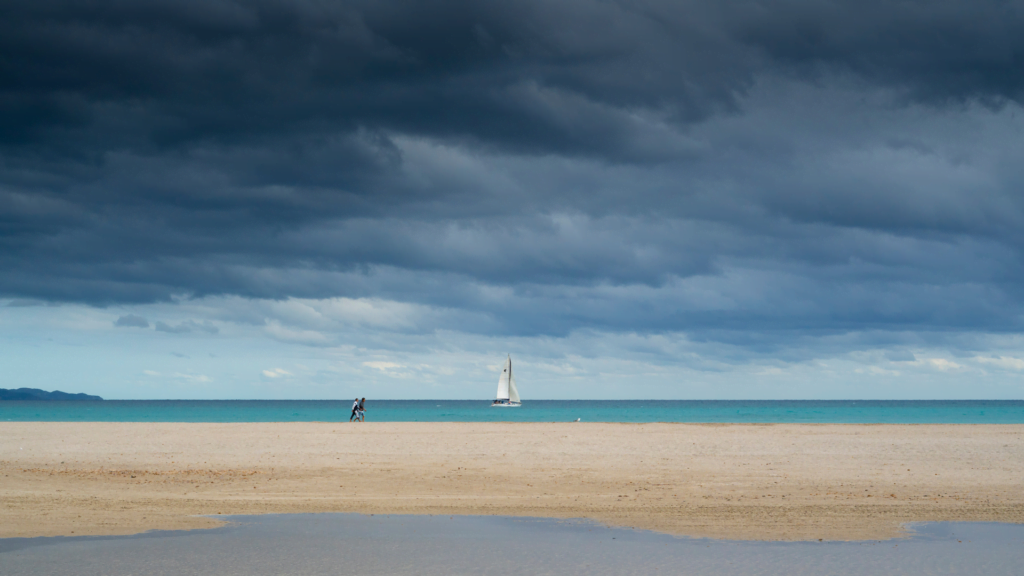
Poetto stretches along the southern edge of the Gulf of Quartu, facing south-east. It begins at Marina Piccola – the small marina at the foot of the Sella del Diavolo – and ends at Margine Rosso, the reddish cliffs marking the border with Quartu Sant’Elena. The total length varies slightly by source, but eight kilometres is the most cited figure.
The name itself has an interesting root. It most likely derives from the Catalan word “Pouet”, from “Pou” meaning well – a reference to the freshwater springs that once marked this stretch of coast. Catalonia governed Sardinia for centuries, and many place names in the Cagliari area still carry that linguistic trace.
The nickname most locals use is “Spiaggia dei Centomila” – the beach of the hundred thousand – which refers, half-jokingly, to the volume of people it can hold on a busy summer day.
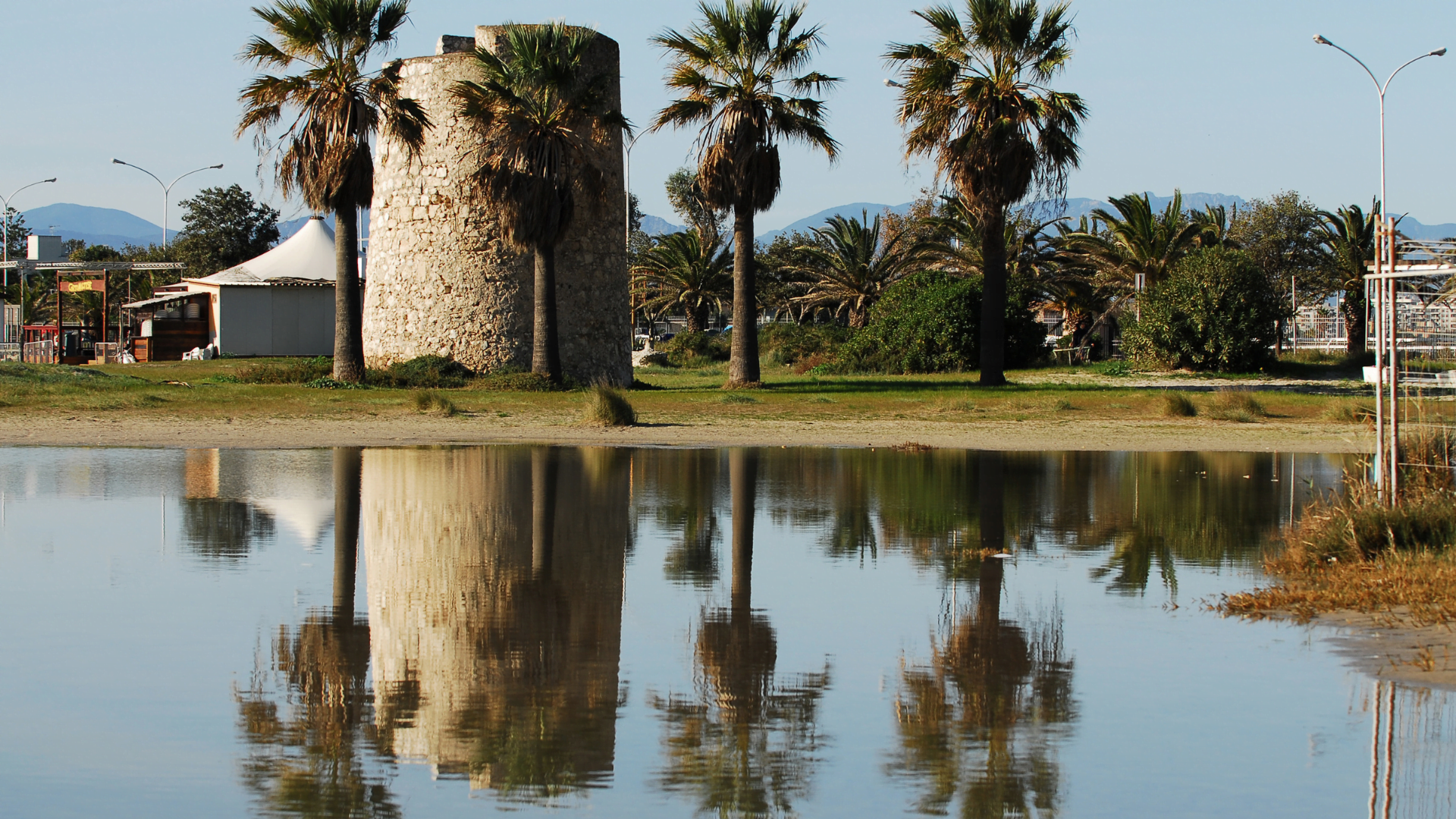
Behind the beach lies the Molentargius-Saline Regional Park, a vast wetland that was used for salt extraction from Roman times until the official closure of operations in 1985. Along the beach itself, the remnants of several 16th-century Spanish watchtowers still stand: the most visible is the Torre di Mezza Spiaggia, positioned roughly at the midpoint of the shore. These towers were built during the Spanish domination of Sardinia as lookout posts against pirate raids.
12 things to do at Poetto beach
Hiking at Sella del Diavolo (Devil’s Saddle)
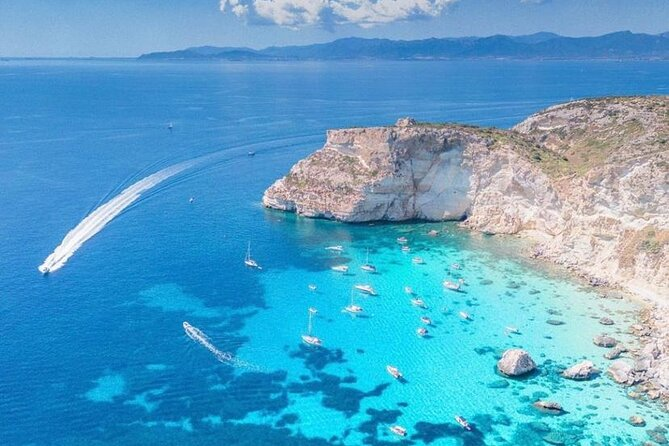
The Sella del Diavolo (Devil’s Saddle) is the rocky headland that rises at the western end of Poetto, separating the beach from Calamosca and Cala Fighera. It takes its name from a local legend in which Lucifer himself – captivated by the beauty of the Gulf of Cagliari – lost his saddle trying to claim it as his domain.
The hike to the summit is accessible from two starting points: Marina Piccola on the Poetto side, or Calamosca beach on the other side. Both trails are clearly marked and take between 30 and 50 minutes at a comfortable pace. The views from the top are among the best in Cagliari: Poetto stretching east, the Molentargius wetlands below, the city skyline, and the Gulf of Angels in front.
The trail from Calamosca also passes near the start of the path to Cala Fighera, a small cove accessible only on foot (or by boat) that is popular with locals for snorkelling and, unofficially, for nudism.
Birdwatching at Molentargius-Saline Regional Park
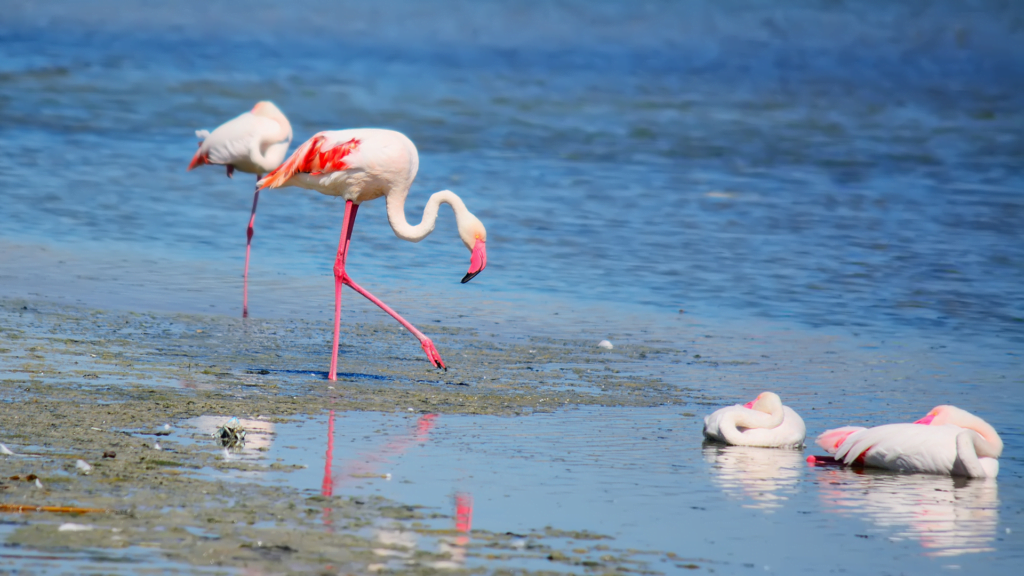
Adjacent to Poetto Beach is the Molentargius-Saline Regional Park, a vast wetland area that was once used for salt extraction. Today, it serves as a crucial habitat for various bird species, including pink flamingos. The park is a paradise for birdwatchers and nature enthusiasts, offering several trails and observation points. Visitors can explore the
Swimming and sunbathing
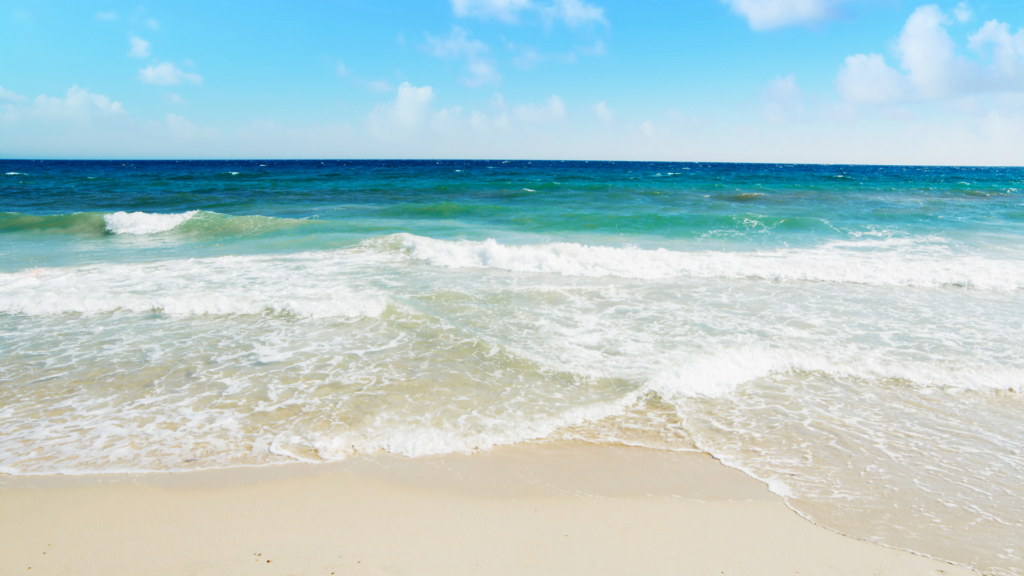
The water at Poetto is generally calm, with a sandy bottom and a gradual depth increase that makes it suitable for families and casual swimmers. It faces south-east, which means mornings are often glassy and afternoons pick up a breeze as the wind rotates.
The beach is divided between free public stretches and lidos (stabilimenti balneari) with sunbeds, umbrellas, showers, and bar service. Free sections are abundant and easily identified by the absence of coloured sunbeds. The easternmost part of the beach, toward Quartu Sant’Elena, tends to be quieter and freer even in August.
Water quality is regularly monitored and has improved significantly over the past decade. The seafloor is sandy and clean, with no rocks at the waterline along most of the length.
Water sports: windsurfing, kitesurfing and SUP
This is where Poetto genuinely excels. The beach is exposed to both the Maestrale (north-westerly) and the Libeccio (south-westerly), which makes it one of the most consistent wind spots in southern Sardinia. International kitesurfing and windsurfing competitions are held here regularly, and several schools operate along the shore offering lessons and equipment rental.
Spring and autumn are the best seasons for wind sports. The Maestrale blows more reliably, conditions are less crowded, and the whole experience is qualitatively different from the saturated summer weeks.
Stand-up paddleboarding (SUP) is popular on calmer days, especially in the mornings before the sea breeze builds.
Running, cycling and walking the promenade
One of the things that surprises visitors is how actively Poetto is used when the beach itself is empty. A flat running and cycling path runs the entire length of the promenade, with distance markers placed every 100 metres. Locals use it year-round: early morning runs at sunrise, evening rides after work, winter walks on January weekends. There is no fee, no queue, and no crowd outside of July and August.
The path extends beyond the beach toward Quartu Sant’Elena, connecting to a longer coastal route. Bikes can be rented in Cagliari city centre and at several points along the promenade.
Explore Molentargius-Saline Regional Park
Directly behind Poetto, separated only by the promenade road, lies the Molentargius-Saline Regional Park. The park covers 1,600 hectares of shallow pools, reed beds, and salt flats. It is one of the most important wetlands in the Mediterranean.
The pink flamingos are the main attraction: they are present year-round and number in the thousands during nesting season (spring). Beyond flamingos, the park hosts over 230 bird species. Access is free on foot, and several marked paths cross the reserve. Bikes are also permitted on designated routes. Early mornings and late afternoons offer the best light and the most active bird behaviour.
Visit Marina Piccola and Calamosca
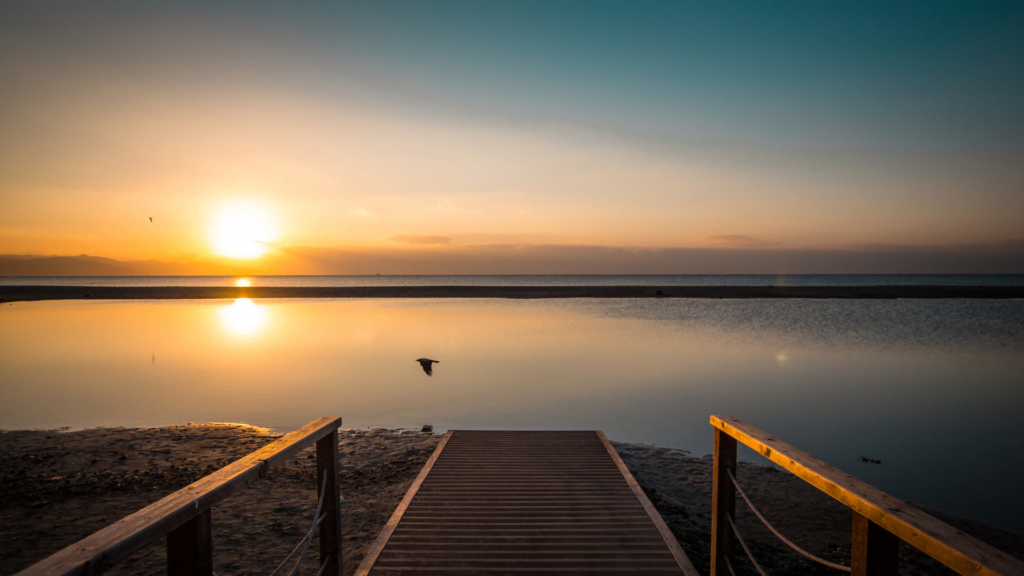
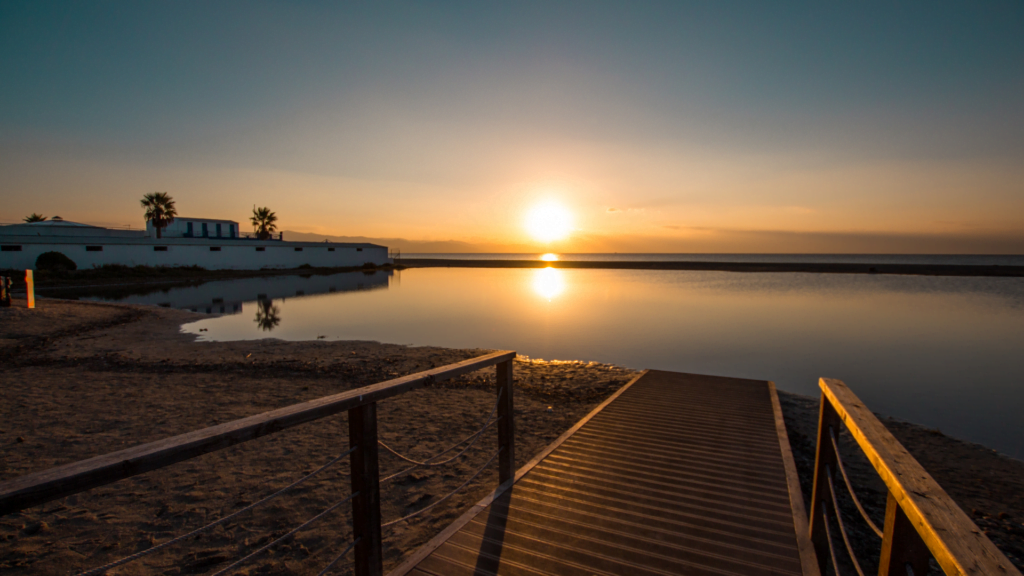
Marina Piccola, at the western end of Poetto, is often overlooked in generic guides. It functions as its own destination: a small-boat marina with a couple of restaurants, kiosks, an amphitheatre used for occasional live events, and a front-row seat for the sunset over the Sella del Diavolo. Locals walk here in the evenings even when they have no intention of going to the beach.
Calamosca, on the other side of the headland, is smaller and more sheltered. When the Maestrale blows strongly and Poetto gets choppy, Calamosca is the wind-protected alternative. Hotel Calamosca overlooks it directly and has its own private beach access.
SUP rental at Sella del Diavolo and Poetto (Crabonaxa)
Self-guided stand-up paddleboarding along the coast between Marina Piccola, Poetto, and Calamosca. Boards are delivered to your location. A relaxed, independent way to explore the waterline at your own pace, with no instructor and no schedule.
Book SUP rental on GetYourGuide
Kayak rental at Sella del Diavolo and Calamosca (Sea Rent)
Two- or three-person kayaks for independent exploration of the coves below the Devil’s Saddle. Suitable for beginners. You choose the route and timing, with guidance on the best areas to paddle and safety rules for the Gulf. A practical option for families or couples who want flexibility.
Book kayak rental on GetYourGuide
Sella del Diavolo boat magic tour with drinks and snacks (Capitan Valter)
A two-hour RIB tour with five cave stops along the Sella del Diavolo coast: Piscina della Sella, Grotta dei Colombi, Cala Fighera, Cala Mosca, Cala Bernat. Swimming stops at each point, Sardinian snacks and aperitivo included. The skipper runs commentary on the history of the coast throughout. One of the most consistently well-reviewed short boat tours in Cagliari.
RIB tour of the Gulf of Cagliari (3 hours)
Three-hour rigid inflatable boat tour covering Cala Bernat, Cala Mosca, Cala Fighera, the natural pools under the Sella del Diavolo, and a swim stop off Poetto beach. Snorkelling gear provided. Includes a complimentary Spritz on board. Departs from the marina near the city centre. Maximum ten passengers.
Cagliari boat tour: 5 swim stops, aperitif and Sardinian lunch
A half-day trip on a classic wooden gozzo visiting Cala Bernat, Sella del Diavolo, Cala Fighera, Calamosca, and Poetto beach. SUP boards on board, snorkelling gear included, Sardinian cold cuts, cheese, and local wine served during the tour. Small group of eight passengers maximum.
Full-day excursion in the Gulf with lunch (sailboat Mafalda)
A full-day sailing trip departing from Cagliari and heading east toward Mari Pintau and Torre delle Stelle (weather permitting). Stops at the Devil’s Saddle and Poetto beach. SUP on board, Sardinian aperitivo and customisable lunch included. The only full-day sailing option regularly available in the Gulf of Cagliari.
How to get to Poetto: buses, parking and bikes
By bus – the most practical option in summer. CTM lines PF and PQ run from Piazza Matteotti in the city centre directly to Poetto, with frequent service from June through September. The ride takes roughly 15-20 minutes and a single ticket costs around €1.30. Bus stops are distributed along the entire promenade, so you can alight at any point along the beach. Card payment is not accepted on the bus: buy tickets in advance at a tabacchi or via the CTM app.
By car – free white-line parking is available along the promenade road for most of the year. Paid lots operate near Marina Piccola in high season. The honest advice: in July and August between 10am and 1pm, finding parking is genuinely frustrating. The bus solves this problem entirely.
By bike – Poetto is approximately 4-5 kilometres from the city centre on flat terrain, making it an easy and enjoyable ride. A dedicated cycle path runs most of the route. Bike-sharing stations are available in Cagliari, and rentals are straightforward to find near the waterfront.
Getting around: car rental in Cagliari
Poetto itself does not require a car. The bus is convenient, and the beach is long enough to explore on foot. A car becomes useful when you want to combine a morning at Poetto with a drive south toward Villasimius or the beaches of Chia, both within an hour of the city. For that kind of flexibility, compare rental rates at Cagliari Elmas Airport through Discovercars:
Car rental at Cagliari Airport – Discovercars
Where to eat and drink at Poetto
The beach is lined with chioschi – kiosks serving coffee, fresh juices, filled focaccia, aperitivo, and cold beer. They open early and stay busy until late. Standards vary, but the quality of a morning coffee at a beach kiosk with the Sella del Diavolo in front of you is hard to beat on principle alone.
For a more structured meal, Antica Cagliari Lungomare is the most well-known option, occupying a prime position on the promenade with a terrace looking out toward the sea. I Caddozzoni is a local institution: a cluster of food trucks parked near the Lido end of the beach, serving sandwiches and grilled food that locals have been eating since childhood.
In the evenings, several kioschi convert into bars with outdoor seating and occasional DJ sets. The nightlife is lower-key than it was a decade ago – noise complaints from nearby residents led to the cancellation of large concerts and organised events – but the stretch remains lively on summer evenings until midnight.
Where to stay near Poetto beach
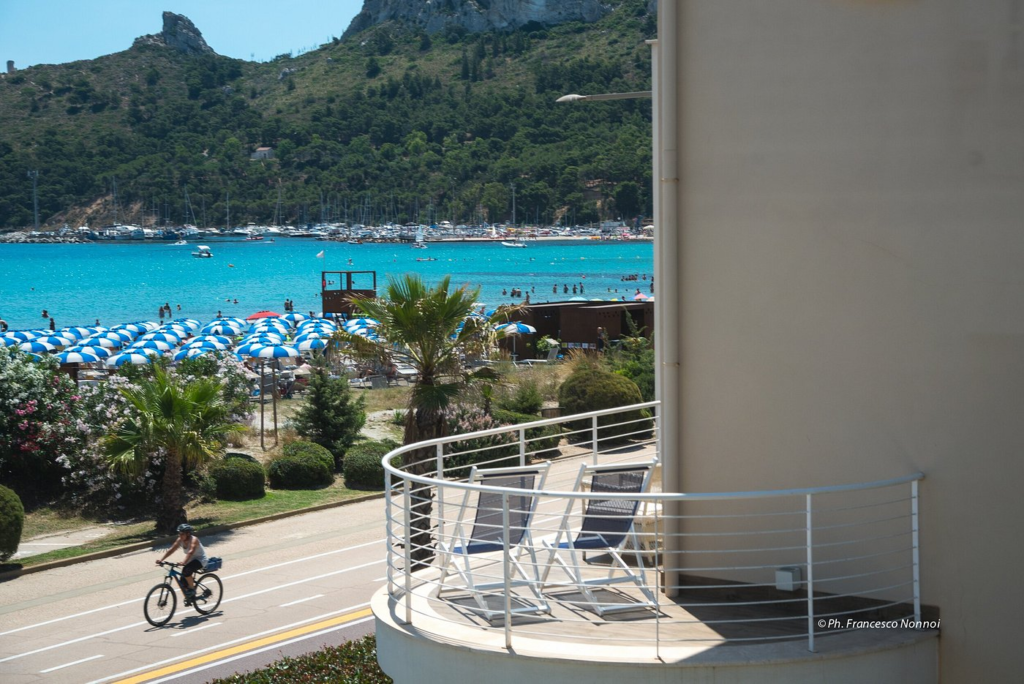
Hotel Chentu Lunas – a boutique hotel a few steps from the beach, managed by Graziella and Johnny, who are known for giving guests genuinely useful local recommendations. Rated 9.2 on Booking. Mid-range, consistently praised for its personal service and location.
Hotel Nautilus – overlooks Poetto directly, with a garden, bar, and free WiFi. Simple and reliable. A solid mid-range option for those who want to wake up with the beach in view.
Hotel Poetto – located 50 metres from the beach, rated 8.6, with free parking nearby and a bus stop outside. The best value-for-money option in the immediate Poetto area. Good for travellers who want straightforward, clean accommodation at a reasonable price.
Villa Maria Luisa – a guest house sitting directly on the Poetto promenade, with sea-view terraces and rooms. Rated 9.4. The host Alessandro is attentive and provides practical guidance on the area. The premium choice for those who want to be on the waterfront with a boutique feel.
For those who prefer staying in Cagliari’s historic centre and taking the bus to the beach, the city offers significantly more options at all price points.
The local perspective: what Sardinians think about Poetto
This is not a beach that Cagliaritani “visit.” It is the beach they grow up with. For generations of teenagers in Cagliari, Poetto has been the after-school beach: the closest stretch of sea to the city, reachable by bus for €1.30, open every day. On a warm May afternoon, after classes end, you find groups of students from every school in the city changing on the sand in the middle of the week. No plan, no itinerary. Just the nearest sea.
Geographically, Poetto faces south-east and picks up the Maestrale – the prevailing north-westerly wind – reliably in spring and early autumn. This is what makes it excellent for wind sports but occasionally choppy for casual swimming. The Sella del Diavolo acts as a partial wind block on the western end, meaning the stretch near Marina Piccola is often calmer than the open eastern portion toward Quartu. The bottom is sandy throughout, and the water entry is gradual – there are no rocks or sudden drops, which is part of why it works well for families.
Logistically, the bus is not a compromise. It is what Cagliaritani actually use. In August, the roads along the promenade slow to a crawl by mid-morning. Locals who drive know to arrive before 9am or after 5pm. Everyone else takes the bus and spends the energy they saved on a drink instead.
Culturally, Poetto carries a wound that every Cagliaritano still remembers. On 8 March 2002, at 11am precisely, a Dutch dredger called Antigoon began pumping sand onto the beach as part of a €30-billion-lire coastal restoration project managed by the Province of Cagliari. The beach had been shrinking for decades – partly natural erosion, partly the consequence of large-scale sand extraction from the seabed in the 1940s-70s to supply Cagliari’s construction industry.
The project was meant to reverse this: a gradual two-year operation using fine, pale sand delivered carefully in the autumn-winter months. What happened was the opposite. In three weeks, 370,000 cubic metres of dark grey sand mixed with shell fragments and marine debris were dumped directly onto the beach. The dredger had switched extraction zones after the very first day, ignoring the approved project specifications. The original white sand disappeared under a grey-black layer.
Officials initially insisted the colour would return after a few storms. It never did. The Corte dei Conti eventually quantified the damage at nearly €2.9 million. The former President of the Province and the assessore for public works were among those condemned to pay. A civil settlement of around €600,000 was later reached with the contracting companies.
The sand today – more than twenty years later – is still not what it was. It is coarser, darker in places, and mixed with shell debris. The beach has also continued to erode: by 2023, measurements showed that some sections had lost up to 20 metres of width compared to the mid-20th century. Locals still talk about it. And they still come back every day.
Best time to visit Poetto
- July and August – hot, busy, and vivid. Water temperatures peak around 26-27°C. The beach is at its most social and its most crowded. Parking is difficult. The experience is worth having at least once, but it is not the full picture.
- June and September – the best compromise. Water is warm, the beach is manageable, and the kioschi are still operating at full capacity. September in particular has consistently good conditions for swimming and clear skies.
- May and October – ideal for water sports, hiking, and quiet beach mornings. The Maestrale blows frequently. Temperatures are mild (18-22°C). Most lidos are closed or just opening, which means the free beach is wide and empty. This is the season that Cagliaritani who know the beach best tend to prefer.
- November to March – the beach is open but the lidos are shut. Morning runs, dog walks, and the odd brave swimmer. Wind sports continue on good days. A completely different and genuinely worthwhile atmosphere.
Where is Poetto Beach?
Poetto Beach is located in Cagliari, the capital city of the Italian island of Sardinia. It stretches for about 8 km, from Sella del Diavolo (‘Devil’s Saddle’) up to the coastline of Quartu Sant’Elena. Poetto is the main beach of Cagliari and is considered one of the largest city beaches in Europe.
FAQ about Poetto beach
Is Poetto beach free?
Large sections of Poetto are free public beach, accessible without charge. Lidos with sunbeds, umbrellas, showers, and bar service operate along the length of the beach and charge rental fees that vary by establishment. The free sections are plentiful and clearly distinguishable.
How do I get to Poetto from Cagliari city centre?
Take CTM bus line PF or PQ from Piazza Matteotti. The ride takes roughly 15-20 minutes depending on traffic, and runs frequently throughout the day. A single ticket costs approximately €1.30. Buy tickets in advance at a tabacchi or via the CTM app – the bus does not accept card payments.
Is Poetto beach good for families?
Yes. The water entry is gradual with a sandy bottom and no rocks. The shallow zone extends several metres from the shore, which is suitable for young children. Facilities including restrooms and food are available throughout the beach. The free sections are spacious enough that crowding is rarely a problem outside peak August hours.
Can I bring my dog to Poetto?
Dogs are permitted on Poetto beach. Specific sections are designated for dogs year-round, while rules on other sections follow seasonal regulations. Keep your dog on a lead on the promenade and near other beach users, and bring water – the sun and sand get hot in summer.
What is the best time to visit Poetto beach?
June and September offer the best overall combination of warm water, manageable crowds, and good weather. May and October are the best months for water sports and a quieter atmosphere. July and August are the most social but also the most crowded and logistically demanding.
- How long is Poetto beach?
It stretches for about 8 km. It is the main beach for those staying in Cagliari and is very easy to reach by public transport. - Is there a promenade for walking or cycling?
Yes, the renovated waterfront is perfect for outdoor activities. It’s a favorite spot for locals to practice sports and maintain a healthy lifestyle. - What can I do near the beach?
You can visit the adjacent Molentargius Saline Park to see the pink flamingos in their natural habitat. - Are there other beaches near Cagliari?
If you want something smaller and more secluded, you can head west towards the beaches of Pula.
Sources
- Ministero della Cultura – IDESE: Spiaggia del Poetto – official heritage entry with historical notes on salt extraction and Spanish towers
- Italia.it – Poetto Beach – official Italian tourism portal, facilities and general description
- Cagliaripad.it – A 20 anni dal ripascimento restano gli effetti di quel disastro epocale – detailed reconstruction of the 2002 sand intervention and its lasting effects (April 2022)
- La Nuova Sardegna – Ripascimento, condannati a risarcire – Corte dei Conti sentencing and damage figures
- Sardiniapost.it – Sabbia grigia al Poetto, 600mila euro alla Provincia – civil settlement details (December 2015)
- L’Unione Sarda – Quando una montagna di sabbia nera seppellì il Poetto – timeline and reconstruction of the 2002 events
- Vistanet.it – Poetto, dopo il ciclone Harry il mare restituisce la sabbia bianca – current beach conditions and erosion update (February 2026)
- Casteddu Online – Cagliari, torna l’incubo erosione al Poetto – 2023 erosion data and 20-metre loss figures
- Gruppo d’Intervento Giuridico – Un nuovo ripascimento del Poetto? – environmental analysis and sediment deficit assessment
- CTM Cagliari official bus network information