

.
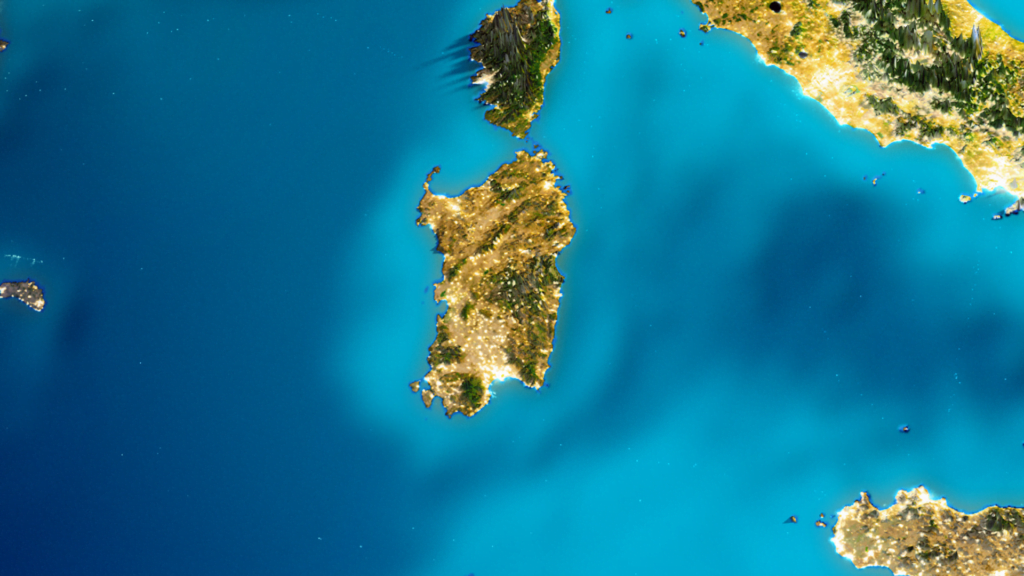
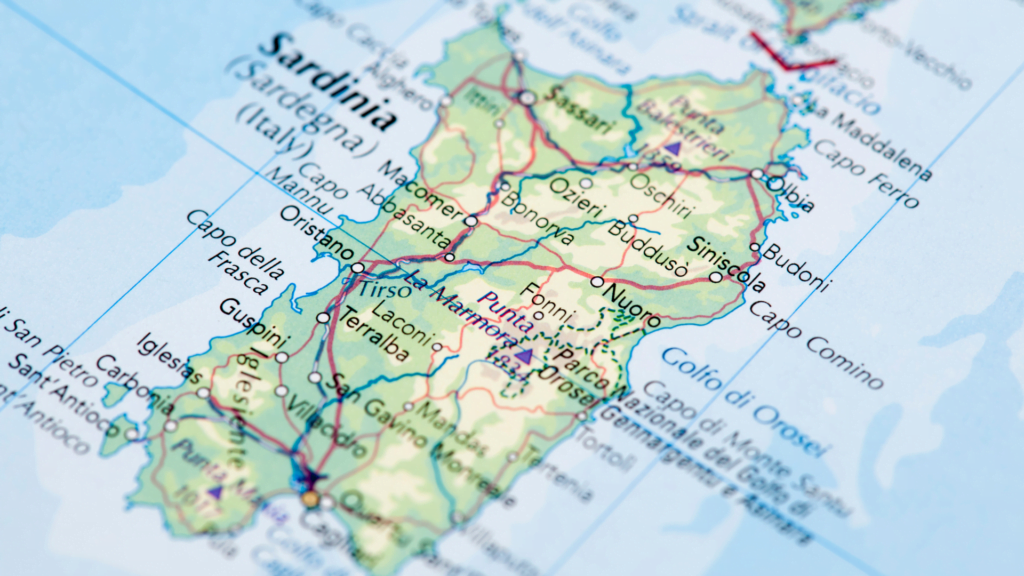
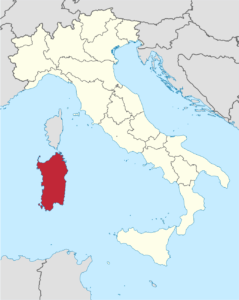
Sardinia is not a single destination: it is four islands in one, each with a distinct character.
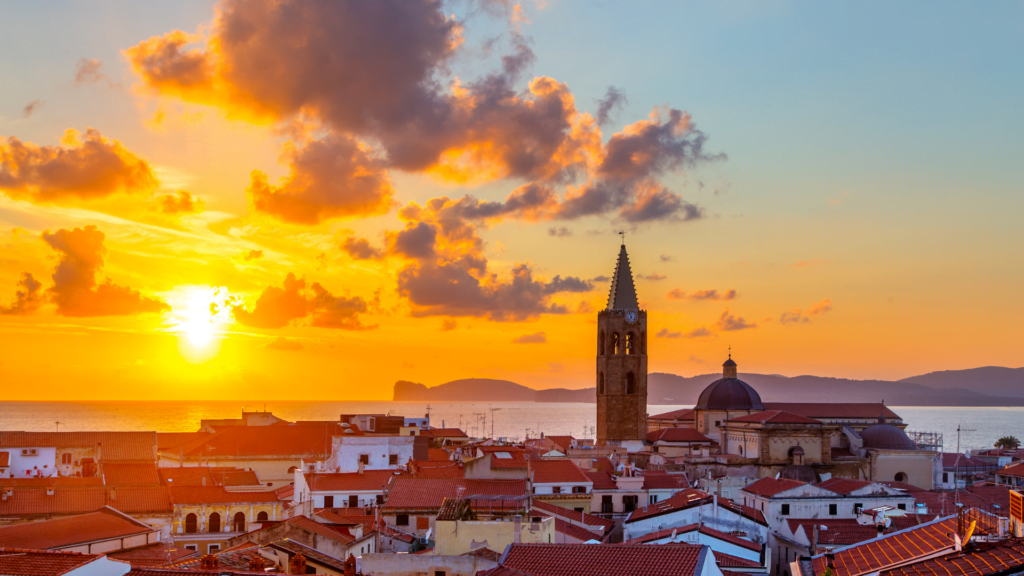
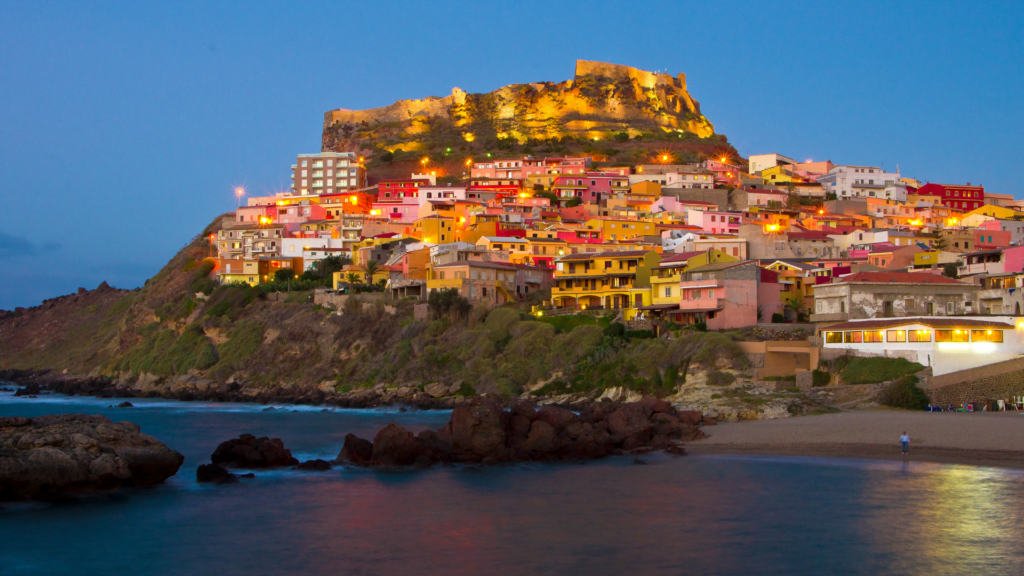
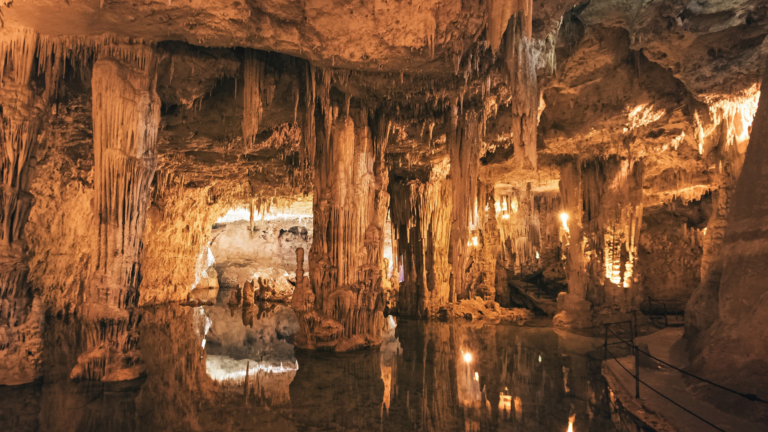
The north is granite, wind, and glamour: the Costa Smeralda, the Maddalena Archipelago, and the white beaches of Gallura attract those seeking the best of the Mediterranean, with exclusive resorts and wild coves just a few kilometers apart. The north-west has a more authentic and less glamorous soul: Alghero with its Catalan walls, Castelsardo with its village perched on the promontory, and Capo Caccia with the Neptune’s Grottoes accessible by sea.
The center is the island’s true and wildest hinterland: nuraghes, Barbagia, the Gennargentu mountains, and villages where Sardinian is still spoken every day. It is the Sardinia for those who want to understand the island, not just see it.
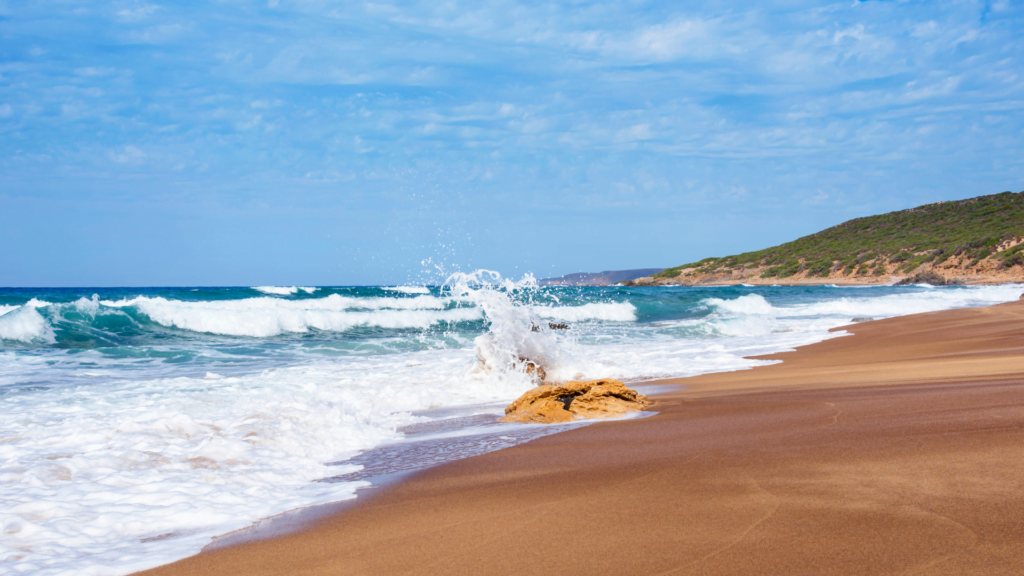
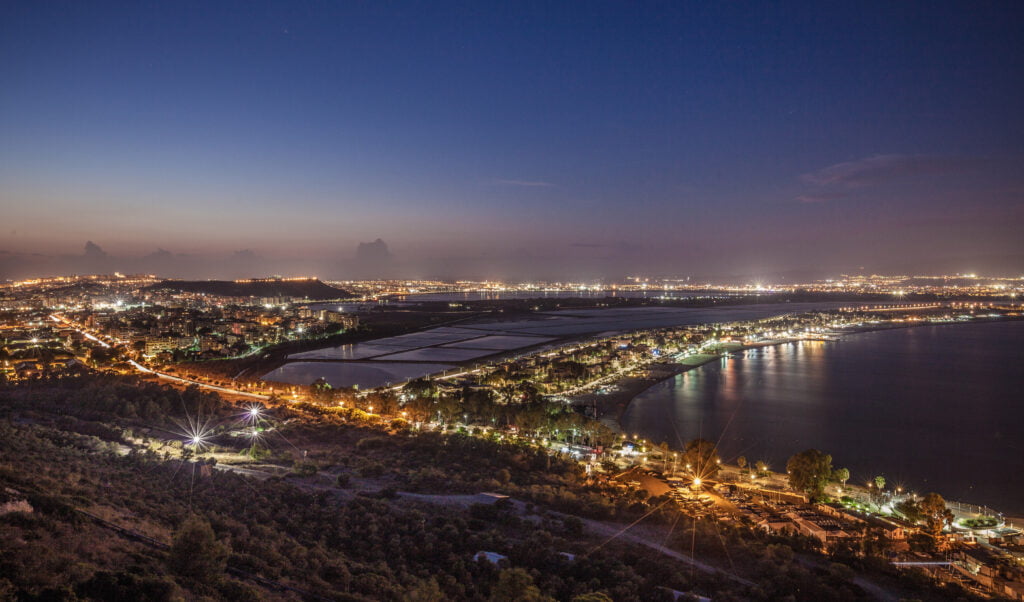
The south offers the island’s greatest variety within a few kilometers: the dunes of Piscinas, then Cagliari with its lagoons and history, up to the waters of Chia and the cliffs of Villasimius.
Added to all this are the minor islands, each with its own identity: La Maddalena and its protected archipelago, Asinara the former prison turned nature reserve, San Pietro with its Ligurian community and bluefin tuna, Sant’Antioco with three thousand years of history.
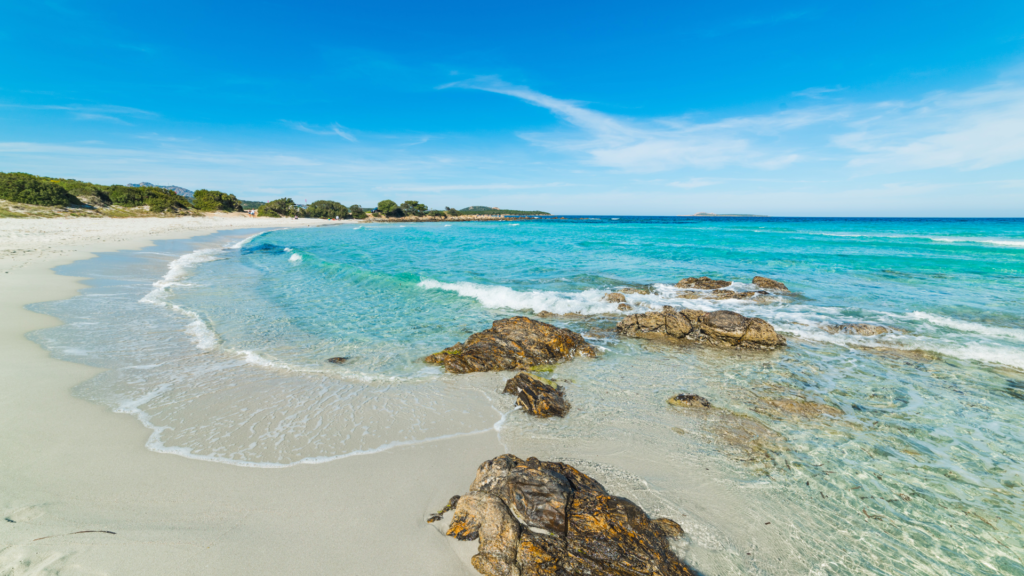
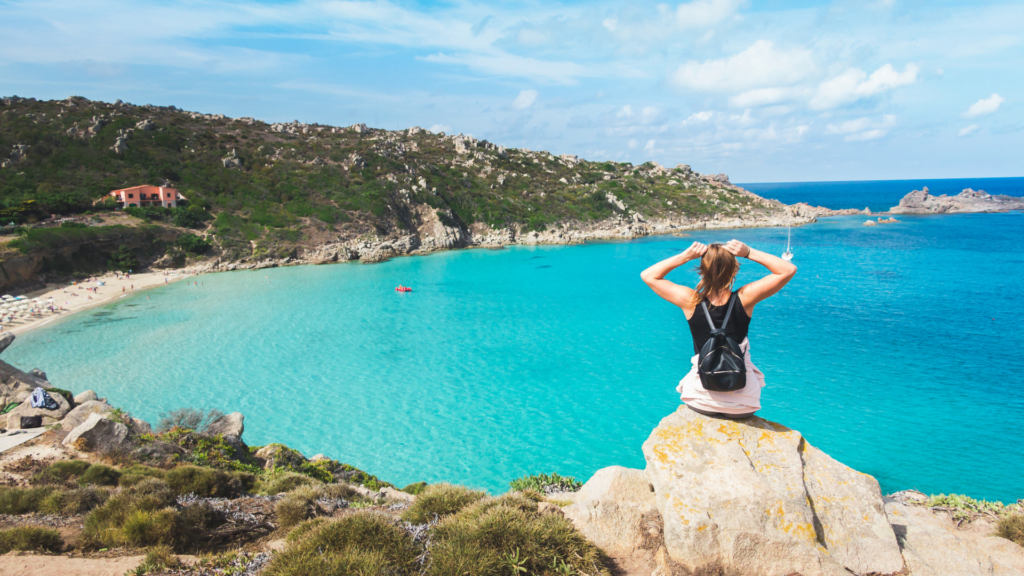
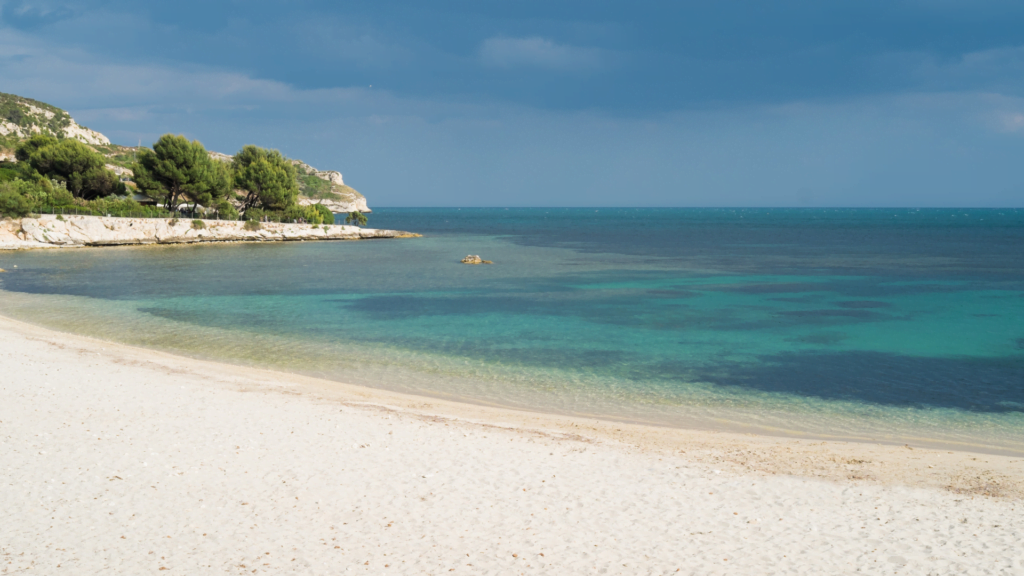
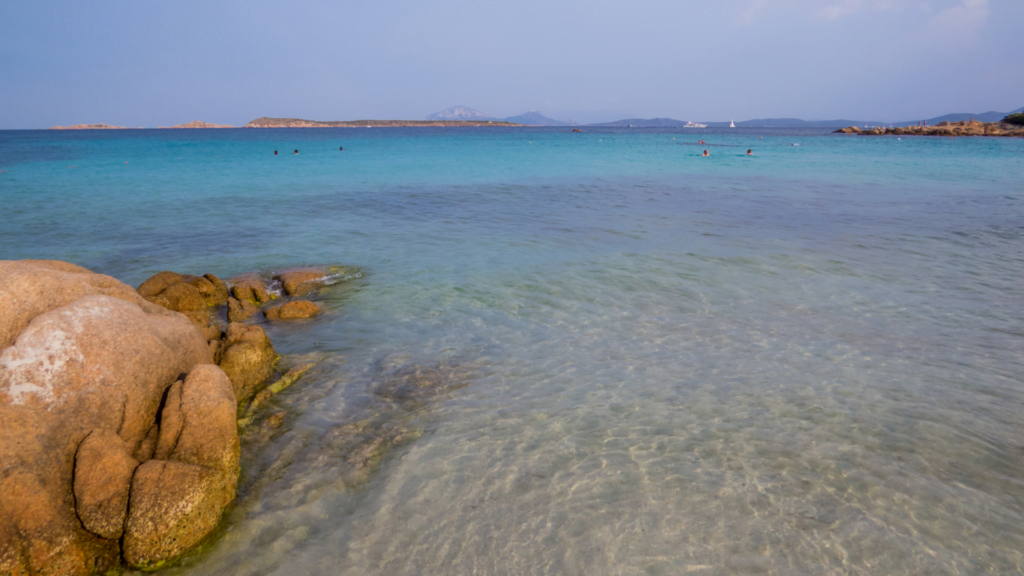
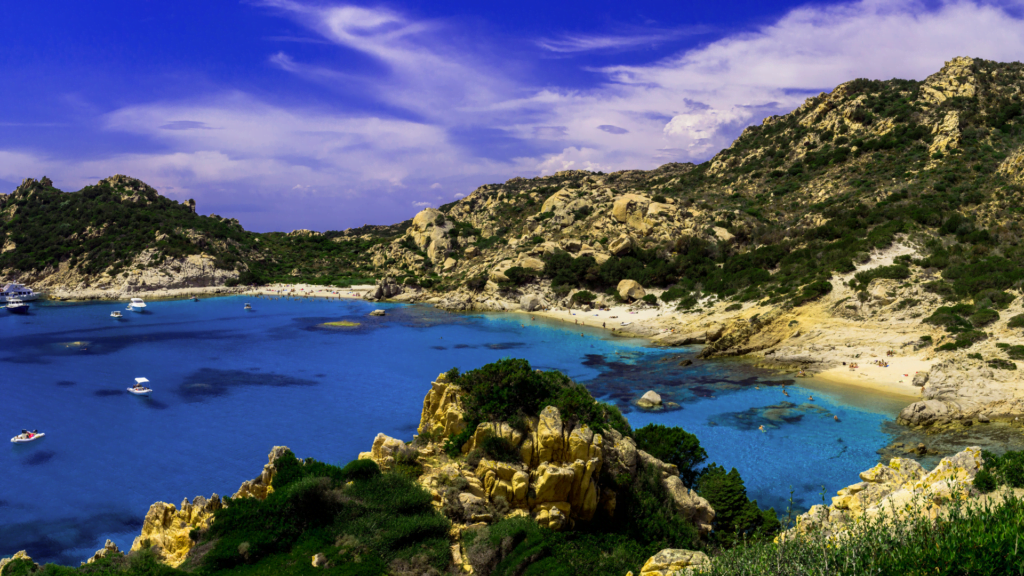
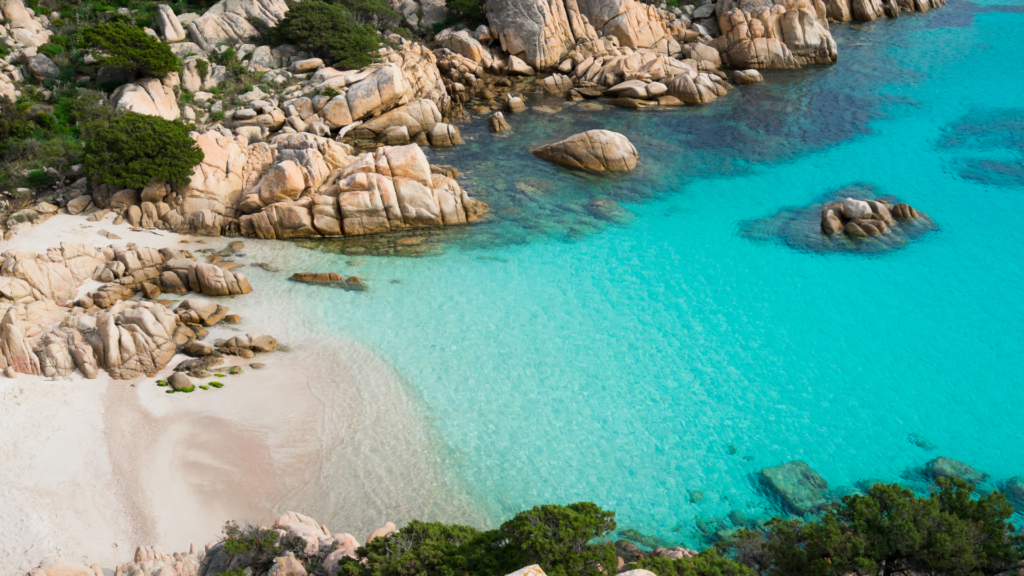
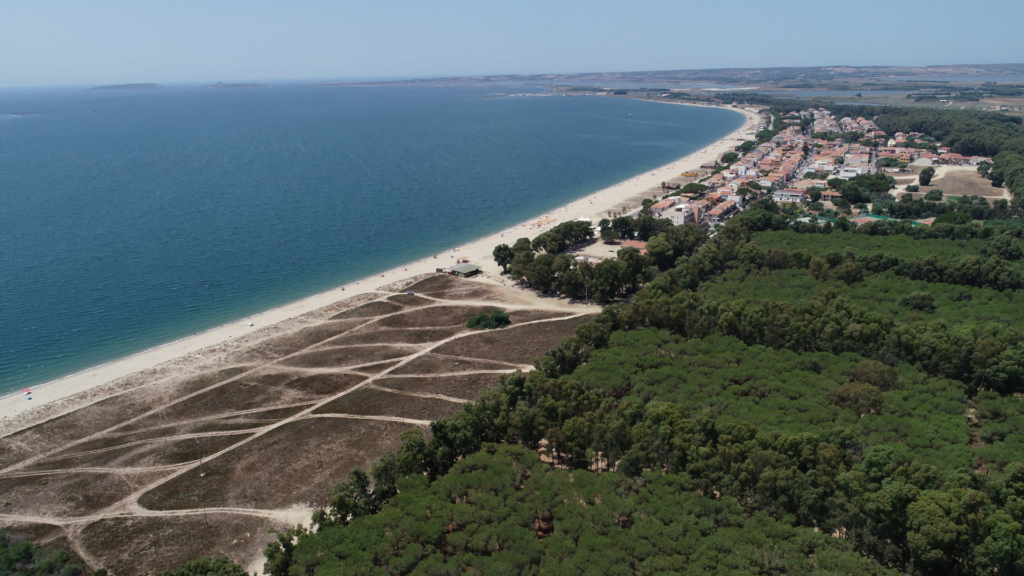
The beaches of Sardinia do not have a single face. The island offers over 1,800 kilometers of coastline where stretches of fine sand, rocky coves accessible only by sea, dunes up to twenty meters high, and seabeds that change color from turquoise to deep blue in a matter of meters alternate. It is this variety, even more than the beauty, that makes the Sardinian coast hardly comparable to any other Italian coast.
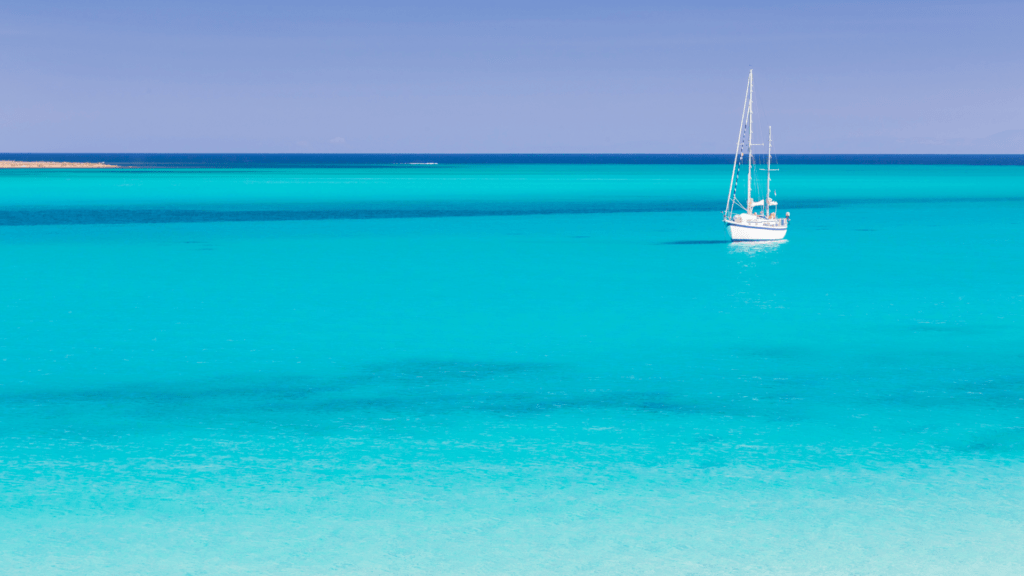
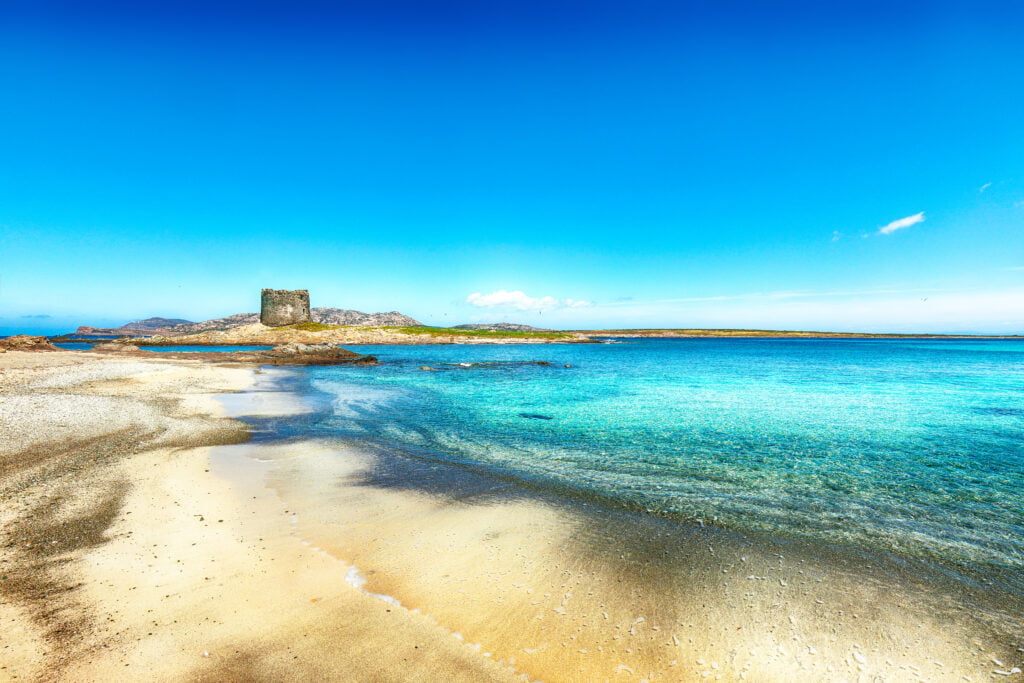
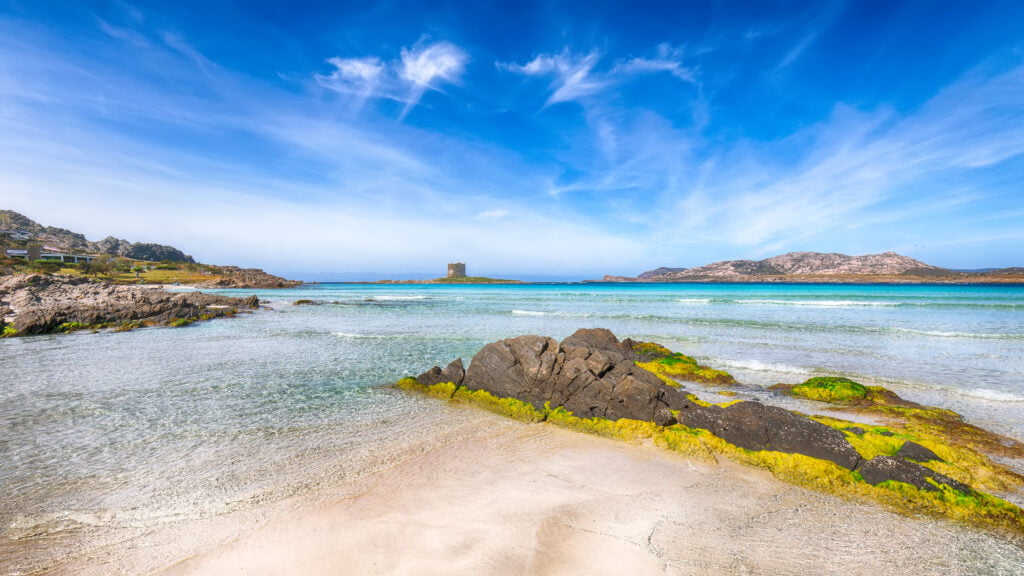
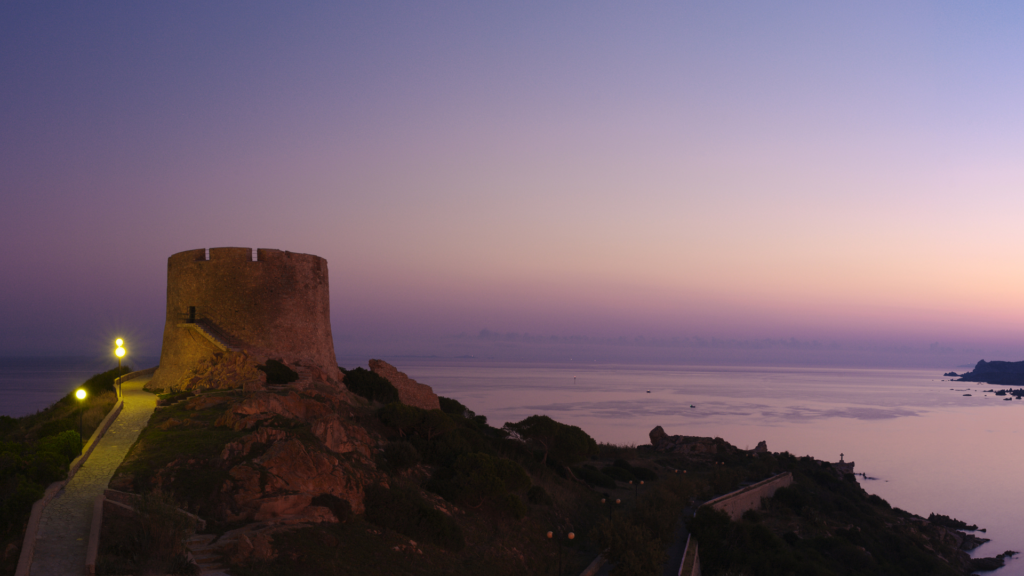
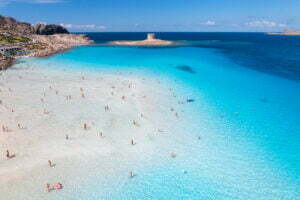
In the north-west, La Pelosa di Stintino is the most photographed beach in Sardinia: white sand, shallow waters, and the Aragonese tower in the background make it an recognizable icon throughout the Mediterranean.
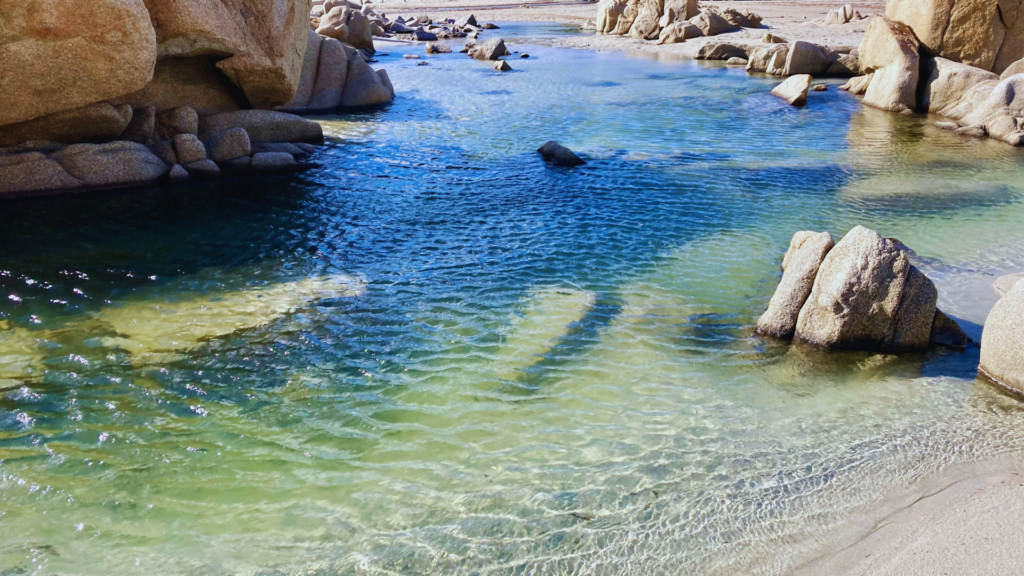
Descending towards the central-western coast, along the Sinis Peninsula, the landscape changes register. Is Arutas surprises with its sand composed of grains of white and pink quartz, with a unique texture not found elsewhere in Europe. On the central-eastern coast, the Piscine di Venere (Venus Pools) are natural pools of salt water separated from the sea by a thin strip of sand: a geological as well as a bathing spectacle.
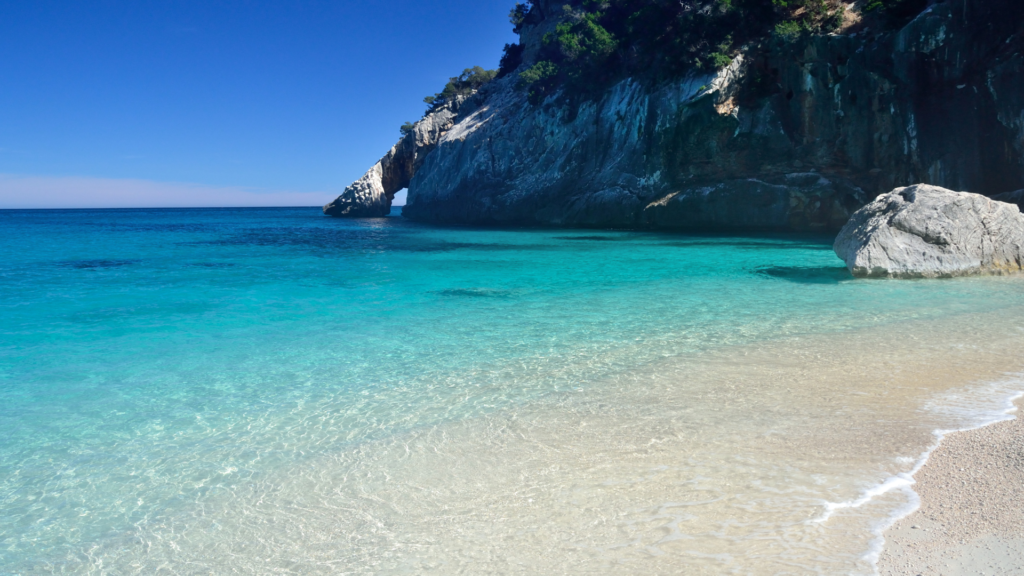
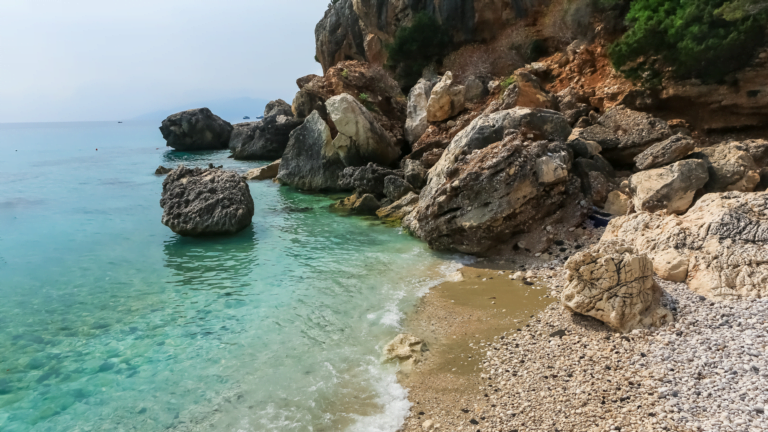
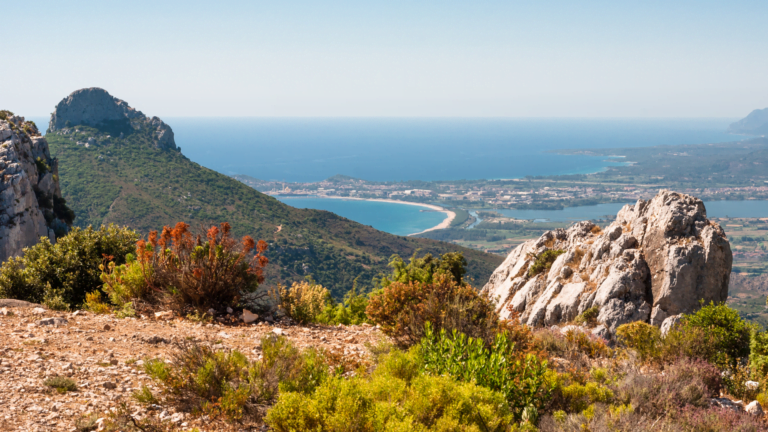
On the eastern side, Cala Goloritzè in the Gulf of Orosei is reachable only by sea or after a hiking excursion: a cove of white pebbles surrounded by vertical limestone walls, a UNESCO heritage site and an international sport climbing destination.
If you are looking for services, beach establishments, and organized beach life, the coasts of Gallura and Sulcis are the most equipped areas. If you prefer isolated, less crowded beaches that require a bit of effort to reach, the Gulf of Orosei and the west coast still offer corners where few arrive and from which you leave with the feeling of having found something authentic.
Sardinia offers accommodation for every type of traveler, from a tent by the sea to a resort overlooking yachts. The right choice depends on where you want to go, how much you want to spend, and how you imagine your holiday.
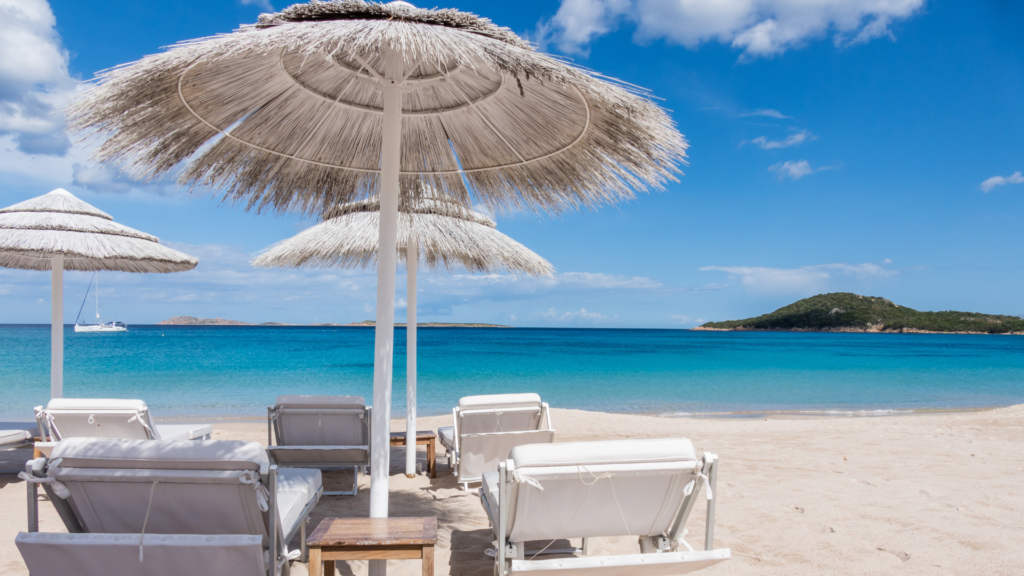
Resorts and hotels are the ideal solution for those seeking complete services, a pool, private beach, and worry-free dining. The high end is concentrated along the Costa Smeralda and in Villasimius, but quality hotels are found throughout the island, including in the cities. Range: medium, high, luxury.
B&Bs and agriturismi (farm stays) are the best choice for those who want to experience the island from the inside. Inland farm stays often offer breakfast and dinner with local products, a direct opportunity to discover Sardinian cuisine without looking elsewhere. Range: economical, medium.
Campsites are widespread along the coast and allow you to stay near the most beautiful beaches at low costs. Some are structured with bungalows and services, others are more essential for those traveling with a tent or camper. Range: economical.
Holiday homes and apartments are the preferred solution for families and for those staying longer than a week. They offer autonomy, their own kitchen, and the chance to live at the local pace. They can be found both in coastal centers and in inland villages. Range: economical, medium.
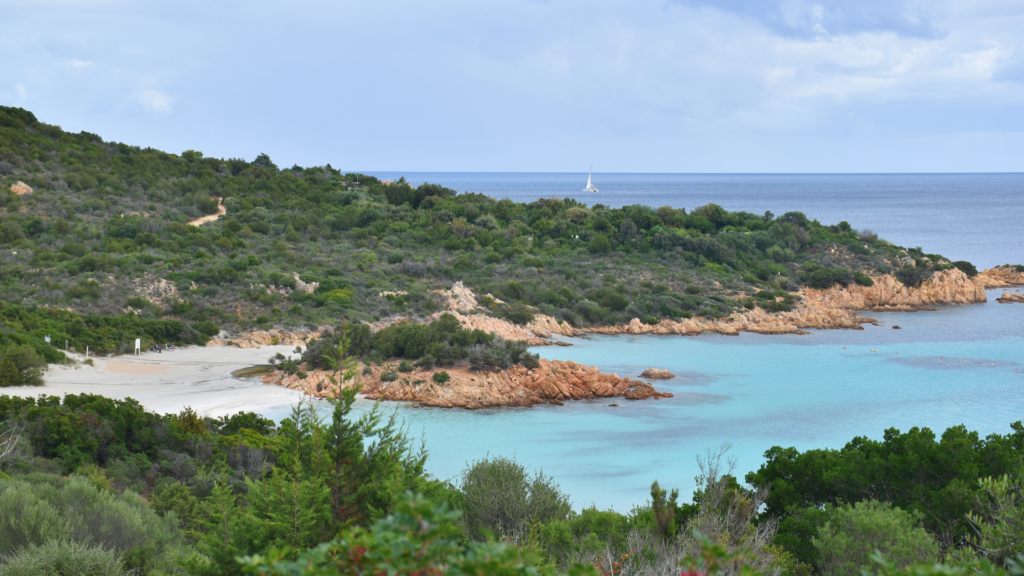
The Costa Smeralda is the most famous stretch of coastline in Sardinia and one of the most renowned in Europe. It extends for about 55 kilometers in the north-east of the island, among granite rocks, Mediterranean scrub, and a sea that gave the name to the entire destination.
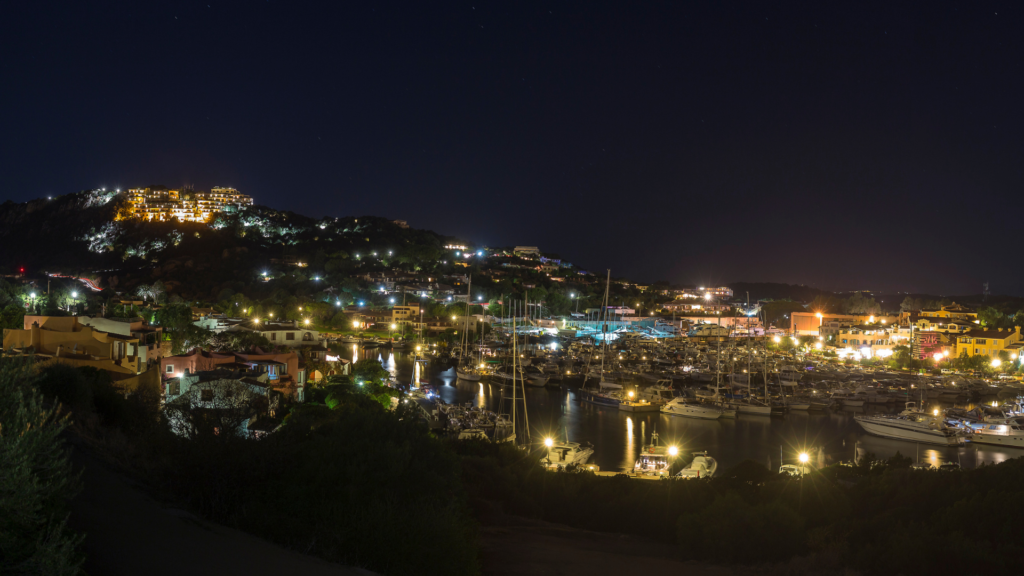
Porto Cervo is the nerve center of the Costa Smeralda: the port, the boutiques, the restaurants, and the nightclubs that come alive from June to September make it one of the most sought-after destinations in the Mediterranean for those looking for luxury, high-level services, and an international atmosphere. The hotels of the Costa Smeralda are consistently in the high-end and luxury bracket, with some structures figuring among the best resorts in Italy.
What is surprising is the contrast with the surrounding nature: a few minutes from Porto Cervo you can find isolated coves, coastal paths, and white sand beaches accessible only by sea, where mass tourism has never arrived. It is this duality between worldliness and pristine nature that makes the Costa Smeralda unique.
Those who want to experience the same environment with quieter rhythms or lower prices can explore the neighboring locations: Baja Sardinia, Poltu Quatu, and Porto Rotondo offer the same quality of the sea with a more intimate and familiar character.
Sardinia is not just one island: dozens orbit around the main coast, some inhabited with their own cultural identity, others wild and accessible only by boat. Visiting them is one of the best ways to understand how varied this region is.
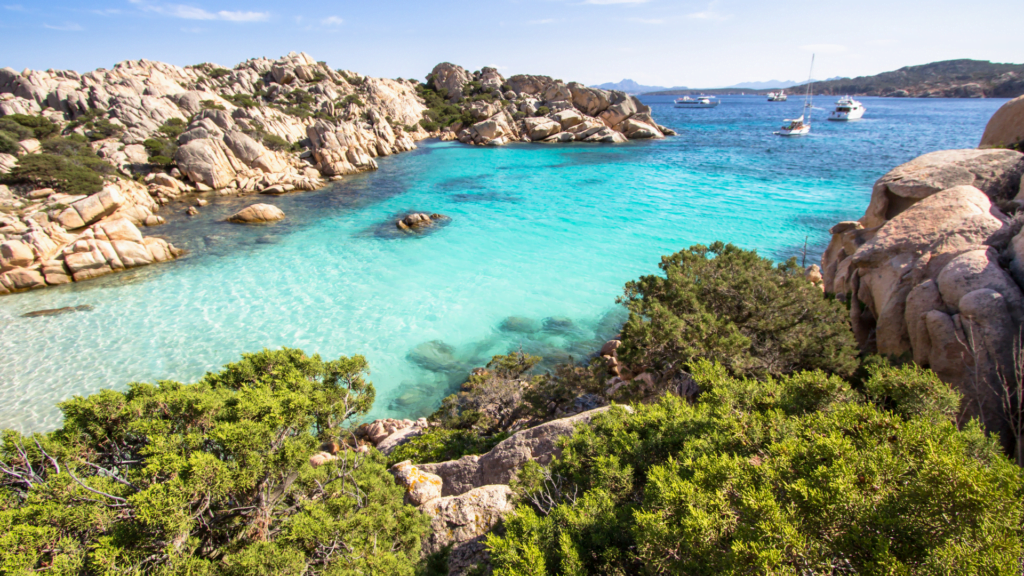
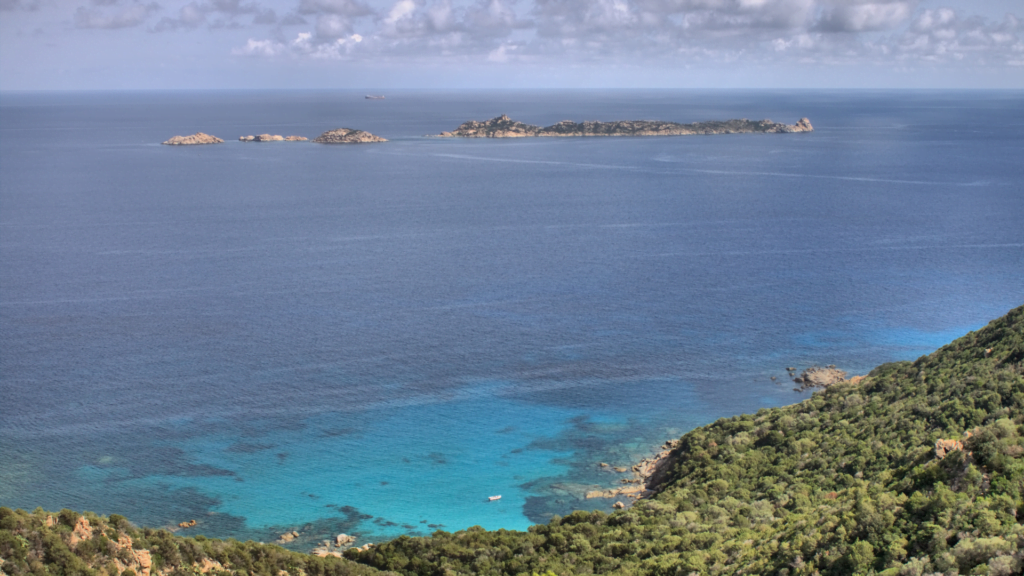
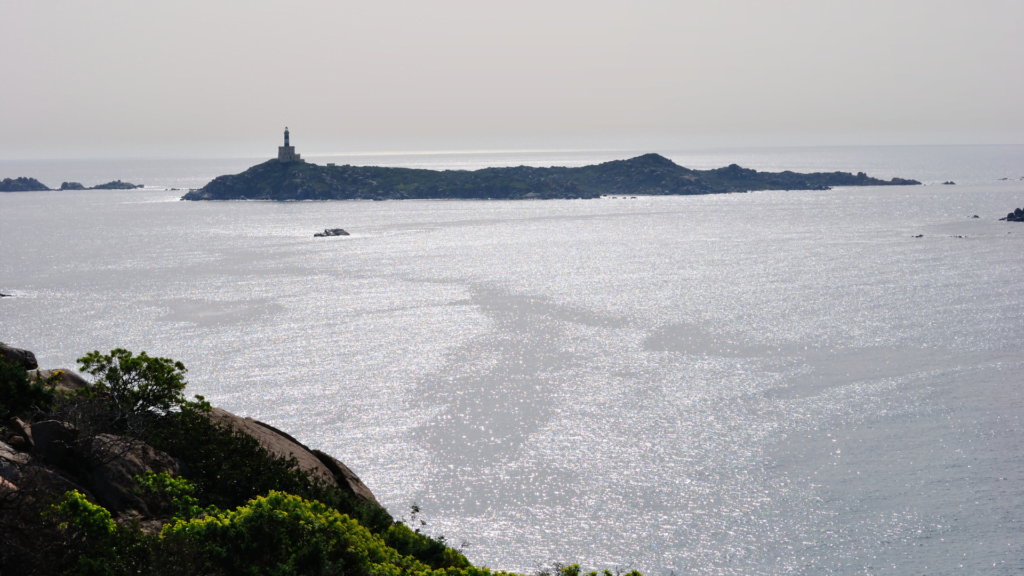
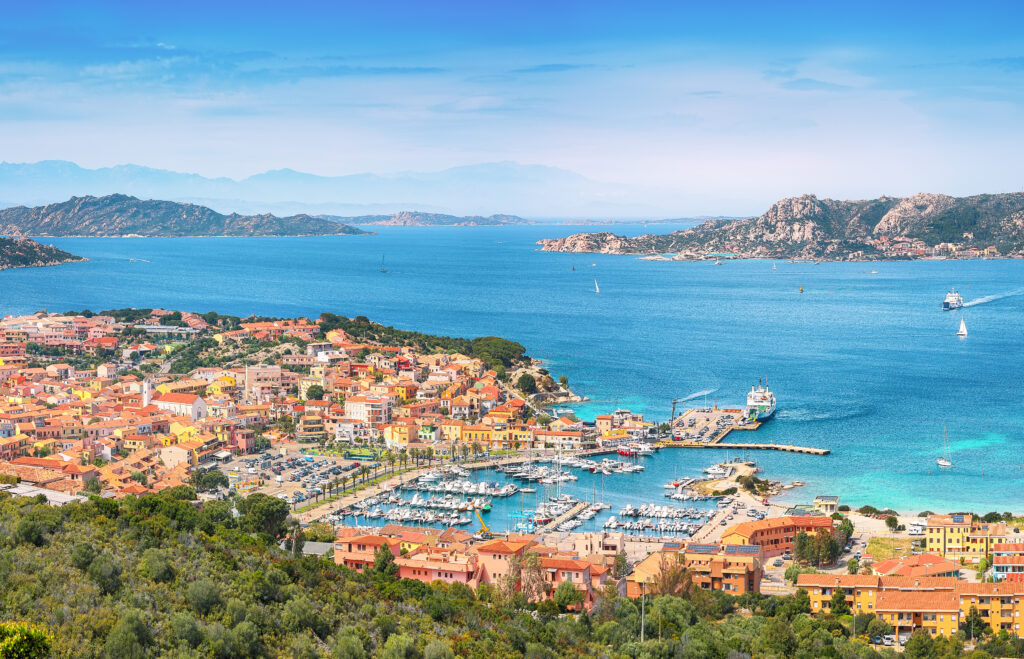
La Maddalena is the main island of the Maddalena Archipelago, in the north-east of Sardinia: a system of seven major islands and numerous islets protected by the National Park, with some of the most transparent waters in the Mediterranean. The town of La Maddalena has a compact historical center, a lively port, and beaches reachable in a few minutes. It is the ideal base for exploring the archipelago by boat or kayak.
Caprera, connected to La Maddalena by a short bridge, is an oasis of almost intact nature. It is known throughout Italy for having been the residence of Giuseppe Garibaldi, whose house is now a museum that can be visited. Beyond history, Caprera offers trekking paths through the Mediterranean scrub and hidden coves that can only be reached on foot or by swimming.
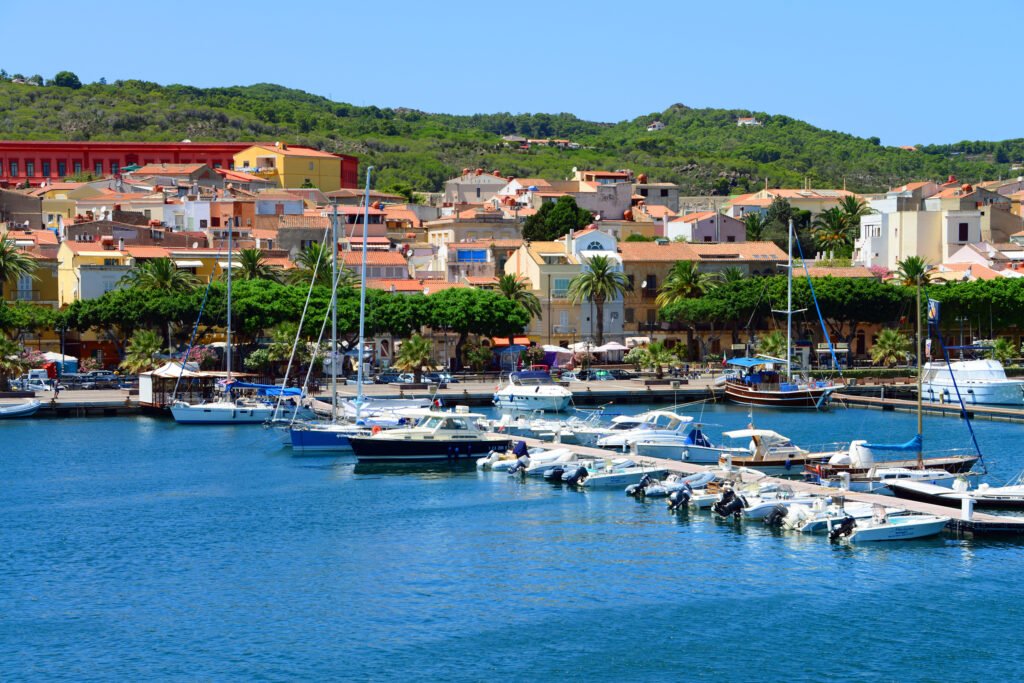
Descending towards the south, the islands change character. San Pietro is home to Carloforte, the only inhabited center, founded in the eighteenth century by a Ligurian community that left clear traces in the dialect, architecture, and the tradition of bluefin tuna fishing. Sant’Antioco, connected to Sardinia by a natural isthmus and a bridge, is the largest of the Sardinian islands and preserves one of the island’s richest archaeological heritages, with Phoenician, Punic, and Roman testimonies stratified over the centuries.
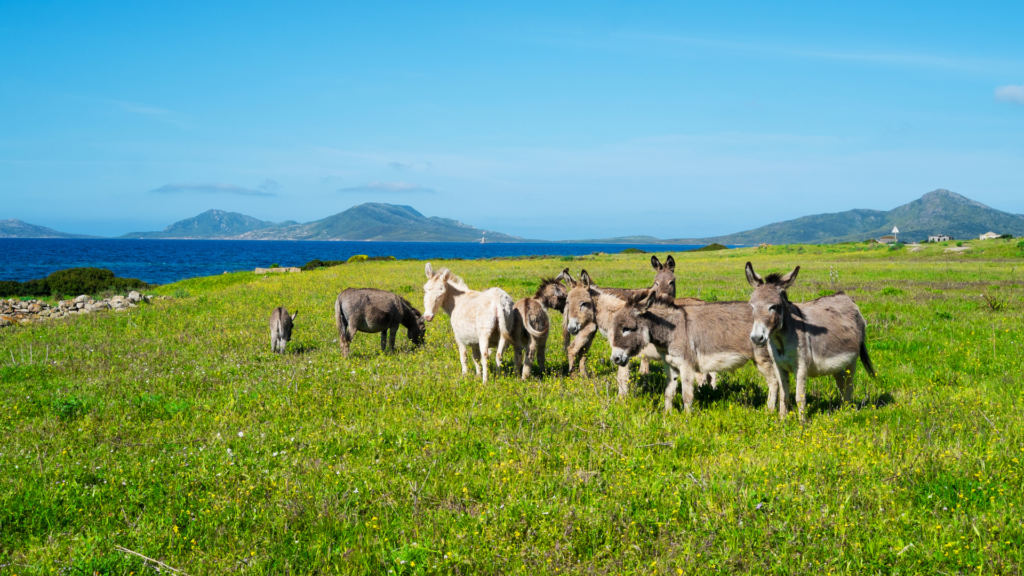
The minor islands complete the picture with even more extreme characters. Asinara, a former maximum-security prison now an integral nature reserve, can only be visited with authorized guides and hosts an endemic colony of white donkeys.
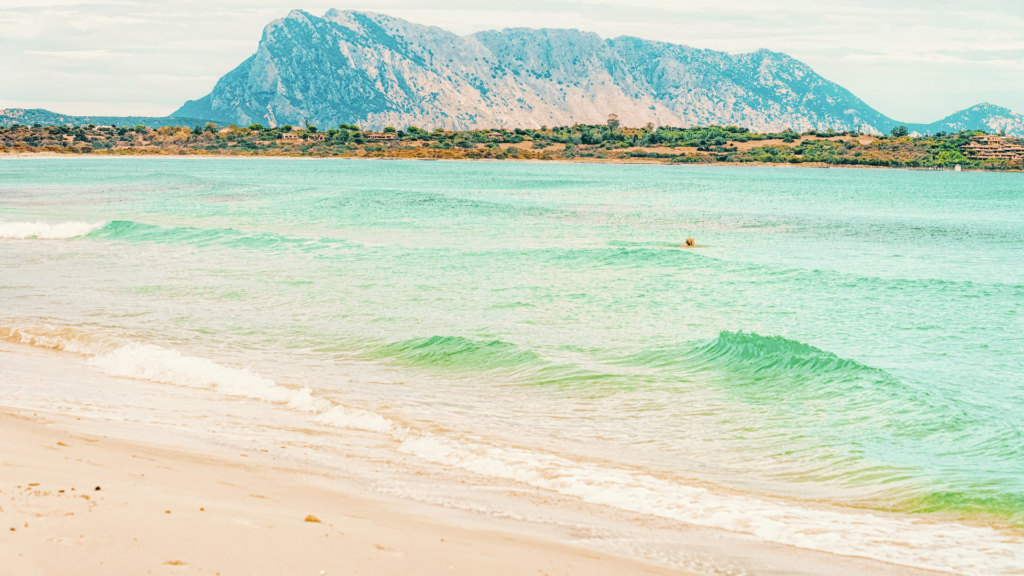
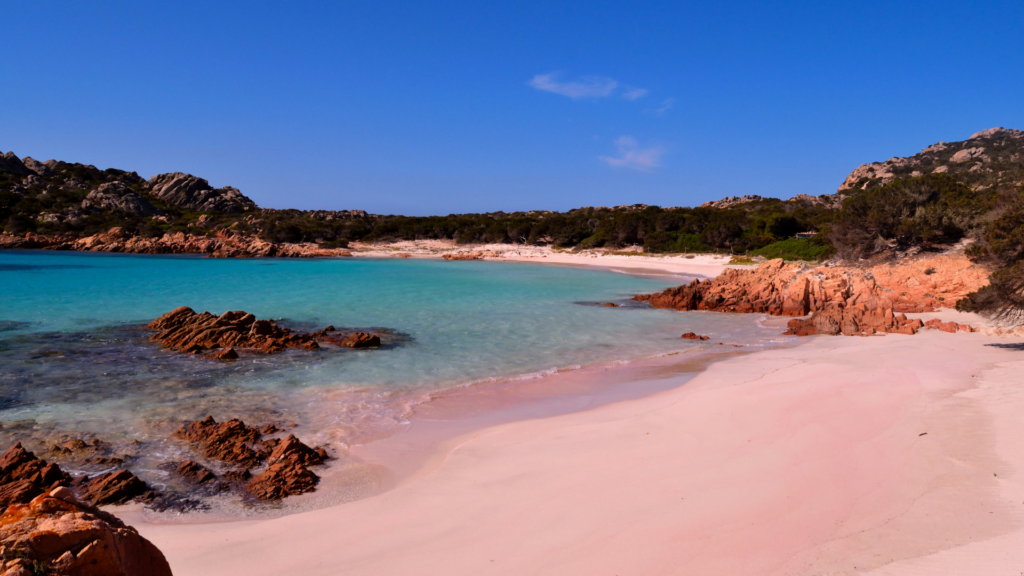
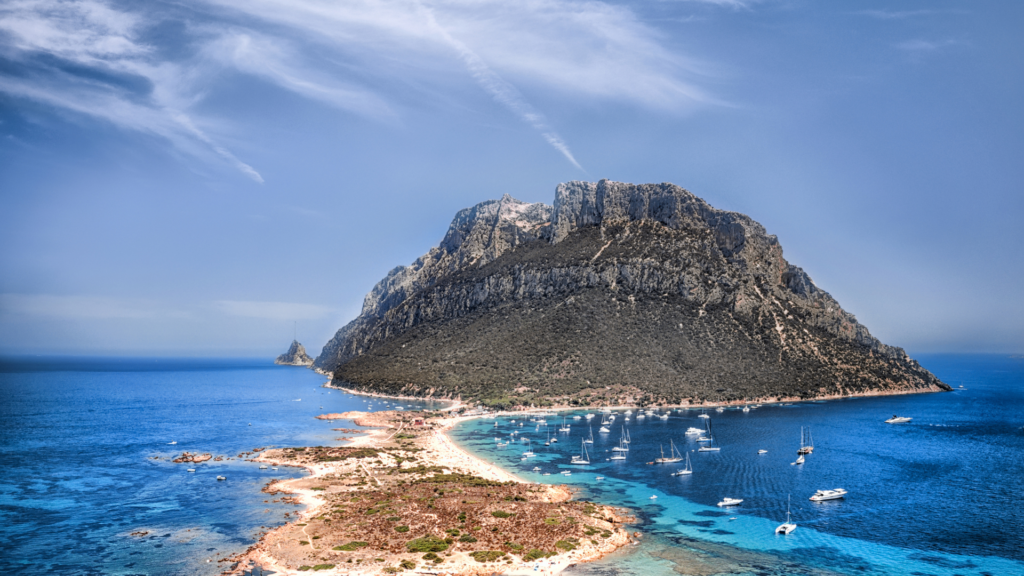
Tavolara, east of Olbia, is an island with an unmistakable profile: vertical limestone walls rising up to 560 meters above the sea and the story, between legend and reality, of being the smallest kingdom in the world, with a local dynasty recognized by the Savoys in the 19th century. The Isola dei Cavoli, off Villasimius, is one of the most popular diving destinations in Sardinia. Budelli is famous for the Spiaggia Rosa (Pink Beach), whose unique color is given by fragments of coral and shells: today it is a protected area and is no longer accessible for swimming.
Sardinia is not just a coast. Its cities and towns tell of centuries of history, different dominations, and a local culture that has maintained completely original traits in the hinterland. Each center has a precise character: knowing it before leaving helps to choose where to stop and what to look for.
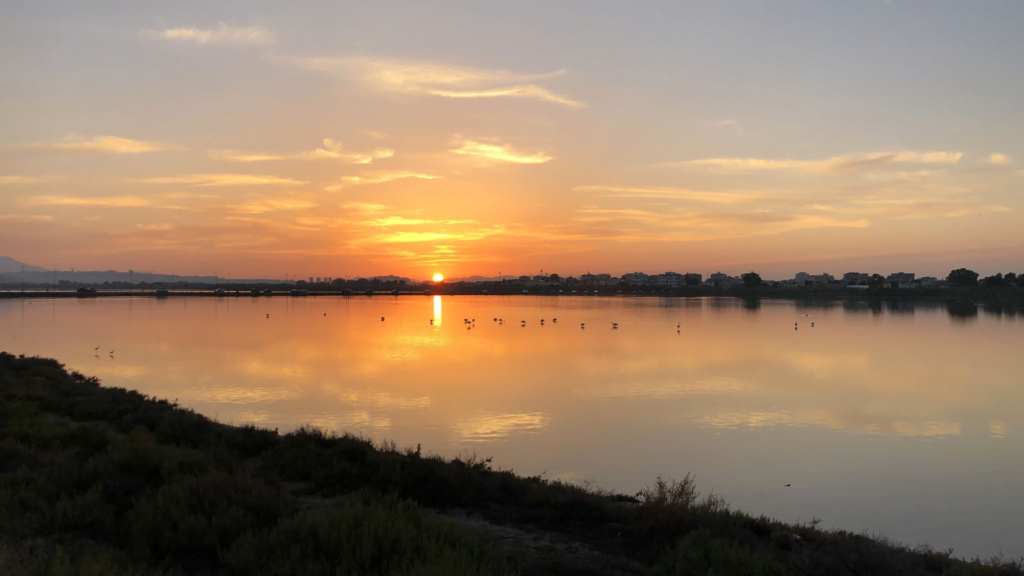
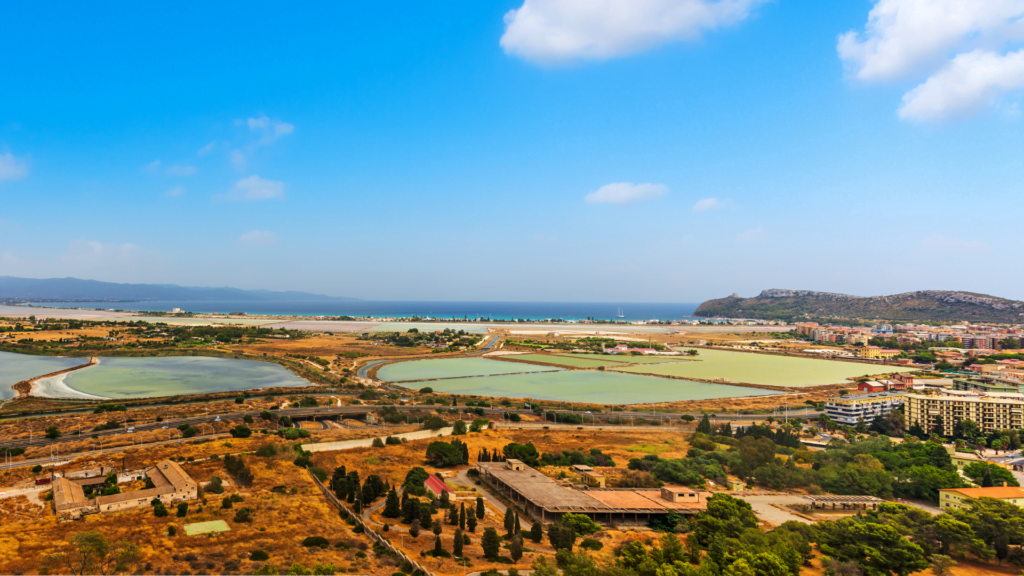
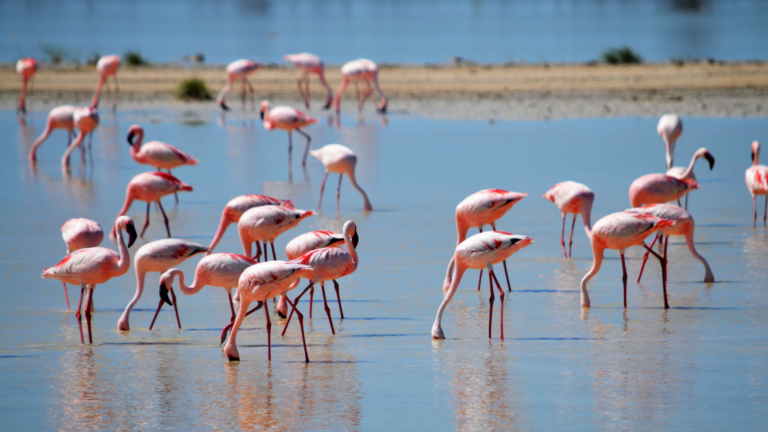
Cagliari, the capital, is a city that surprises those who visit it for the first time. The historic Castello district dominates the city from above with its Pisan towers and narrow alleys, while a few kilometers from the center are the beaches of Poetto and the Molentargius lagoons, frequented by pink flamingos. It is the Sardinian city with the greatest variety of offerings: museums, markets, nightlife, and the sea, all reachable on foot or by public transport.
Alghero, in the north-west, is the only city in Sardinia where Catalan is still spoken, a legacy of an Aragonese colonization that shaped the architecture, cuisine, and even the surnames of the inhabitants. The medieval walls overlooking the sea, the entirely pedestrian historic center, and the alleys of the ancient village make it one of the most pleasant Sardinian cities to visit even out of season.
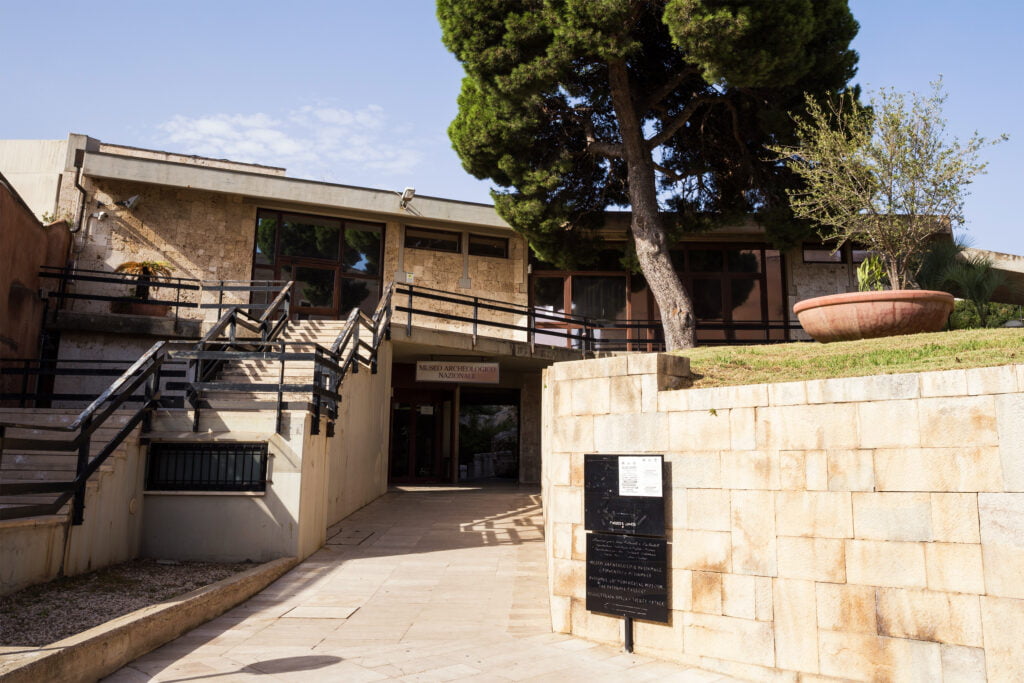
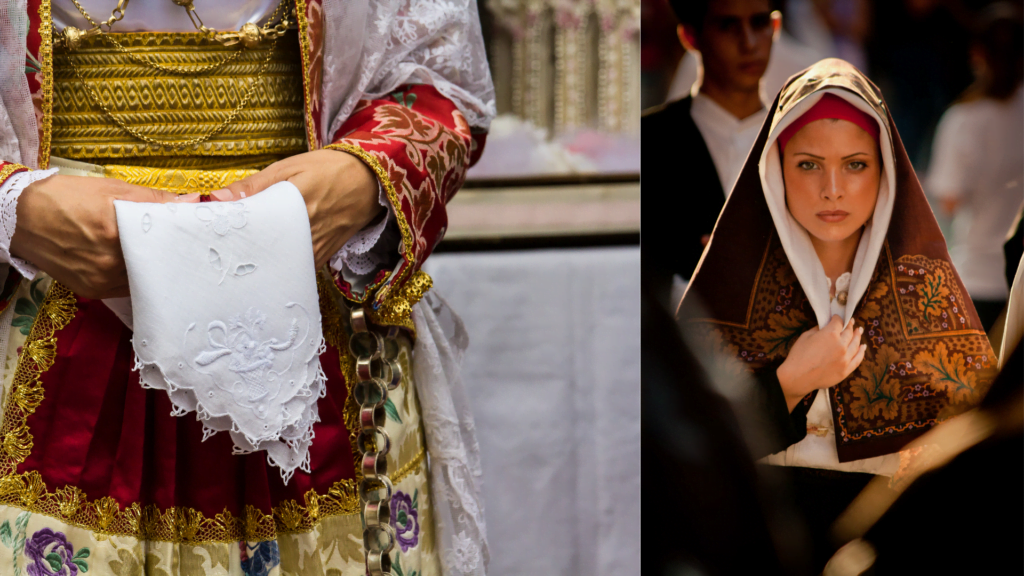
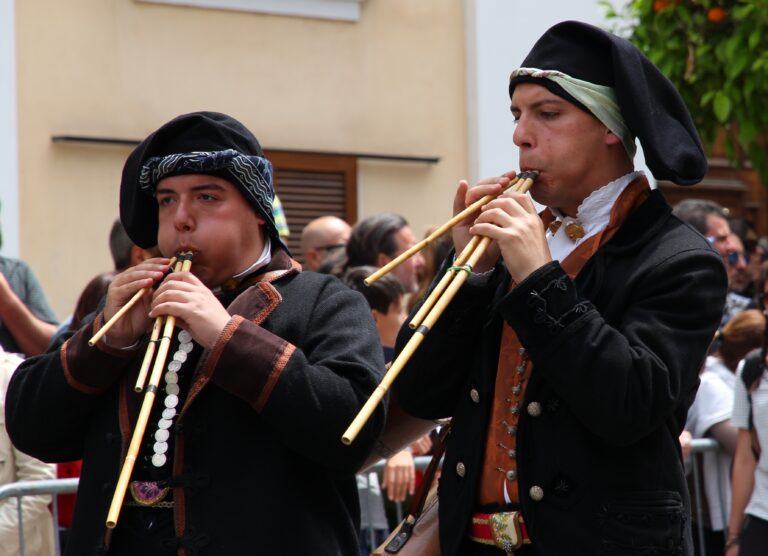
Sassari is the second city in Sardinia by population and the main cultural center of the north. It hosts one of the oldest universities on the island, a national museum of great value, and the Cavalcata Sarda (Sardinian Cavalcade), the largest traditional costume parade on the island, held every year in May.
Nuoro is the heart of the most authentic Sardinian identity. It is the city of Grazia Deledda, Nobel Prize for Literature in 1926, and hosts the Museum of Sardinian Life and Popular Traditions, the most complete ethnographic collection on the island. For those who want to understand Sardinia beyond beach tourism, Nuoro is an essential stop.
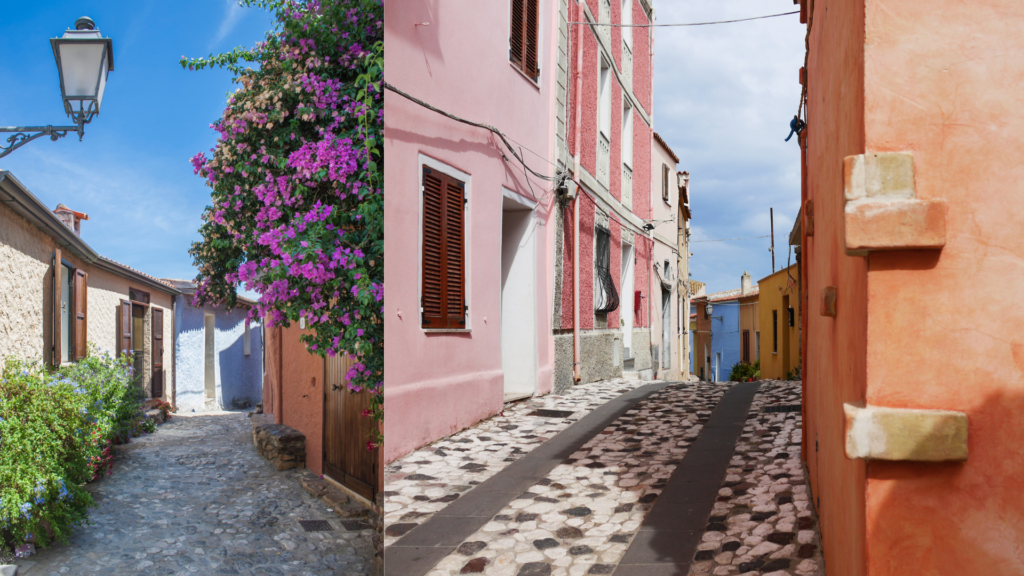
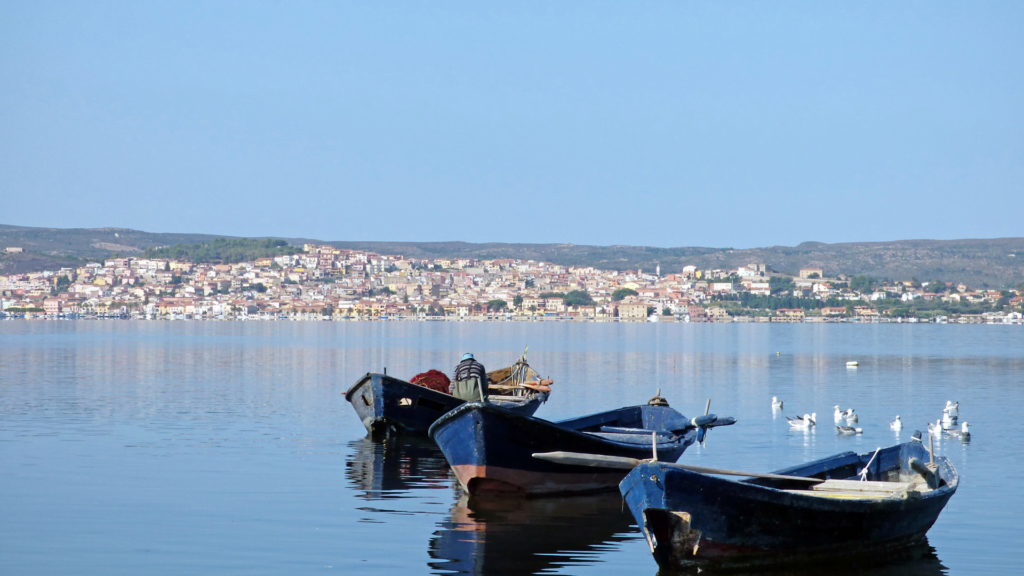
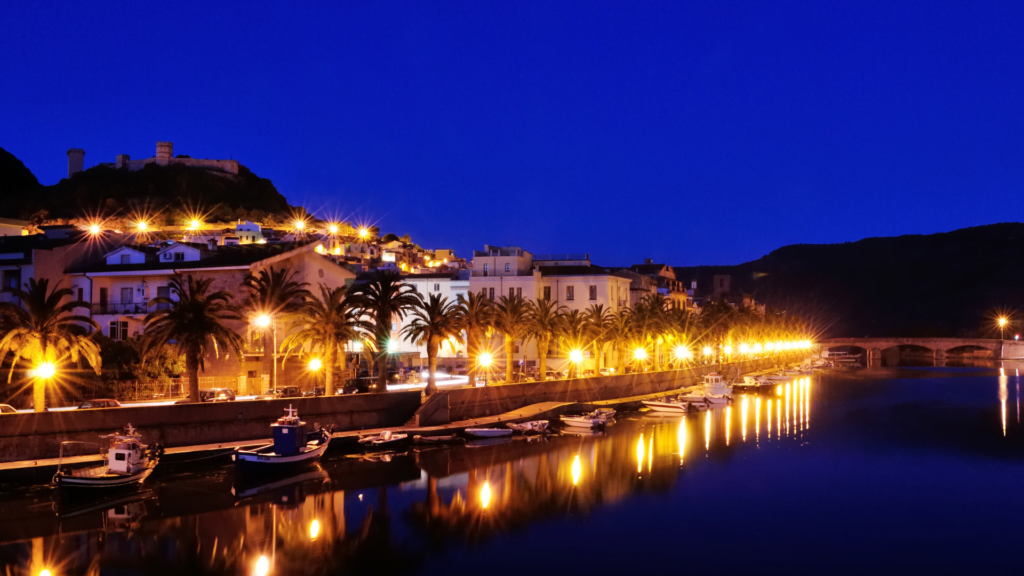
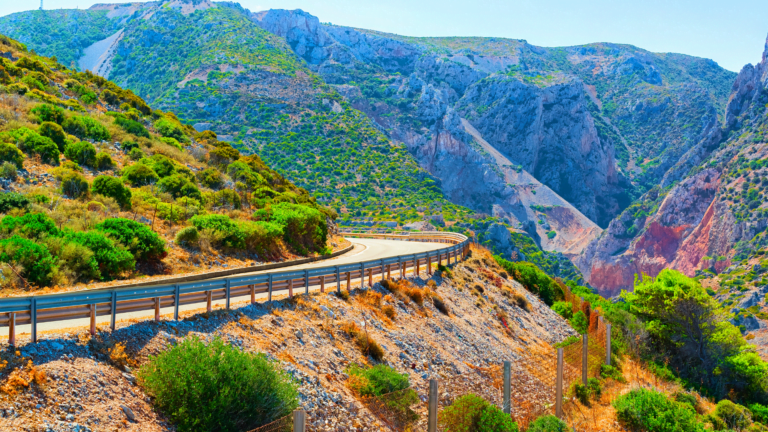
Oristano preserves one of the oldest and most spectacular traditions on the island: the Sartiglia, the equestrian joust in mask held every year during Carnival, with medieval origins and a ritual codified over the centuries. Around the city extend the ponds and salt pans that host colonies of flamingos and herons, in a landscape that combines history and nature in a completely unique way in the Sardinian context. Bosa is the most picturesque village in western Sardinia. Its colorful houses are reflected in the Temo river, the only navigable river on the island, while the Malaspina castle dominates the town from above. A few kilometers away are little-frequented beaches and one of the most panoramic coastal roads on the island, the one connecting Bosa to Alghero.
Choosing what to do in Sardinia depends on what kind of traveler you are. The island offers very different activities, all feasible at different levels of experience and in different seasons of the year. Here are the main macro-categories to orient yourself.
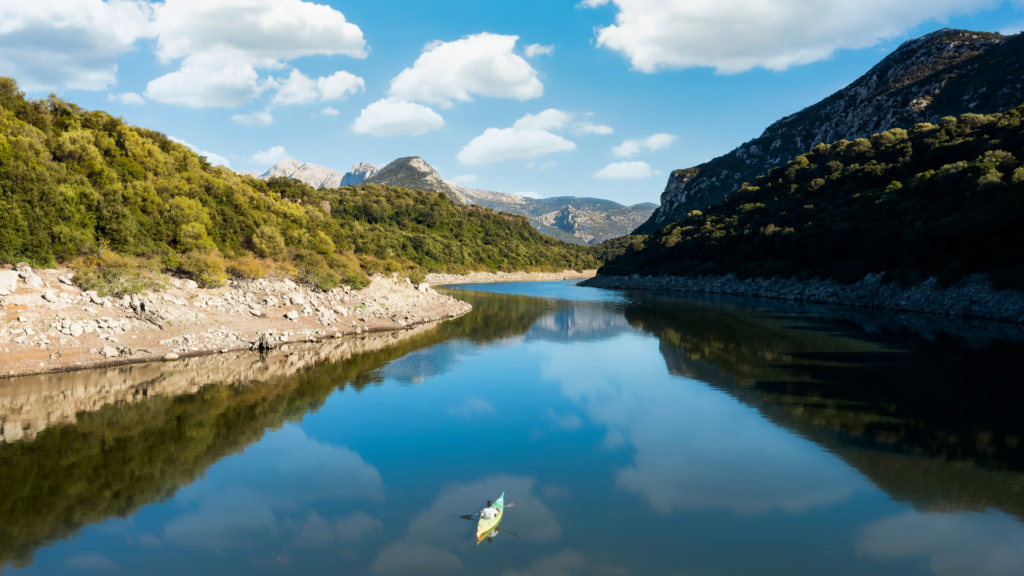
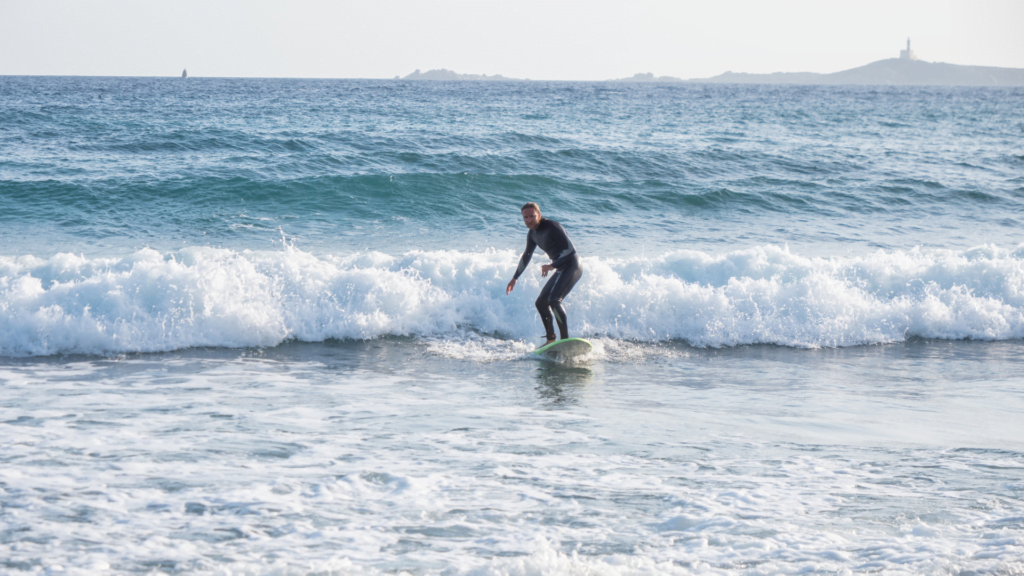
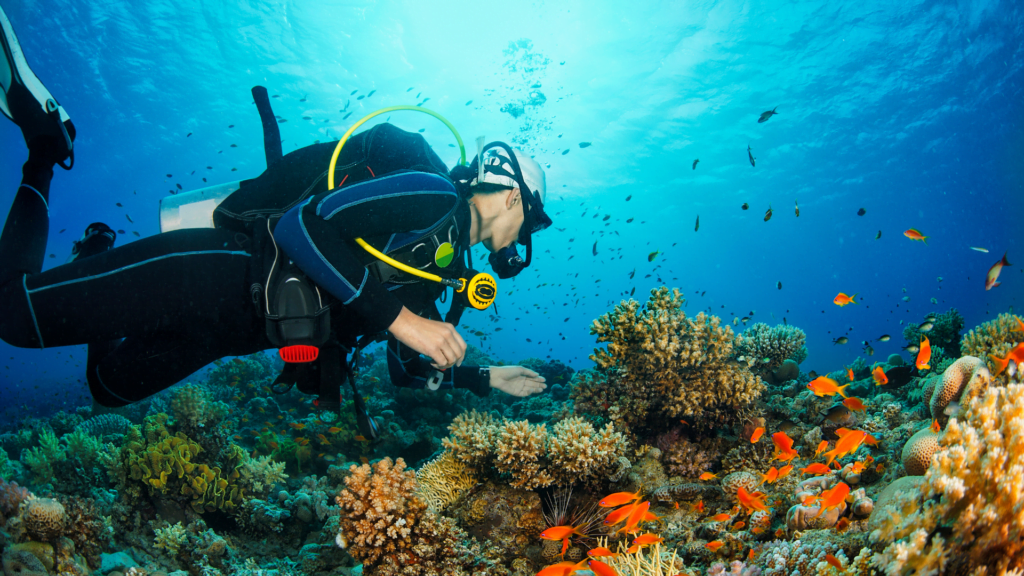
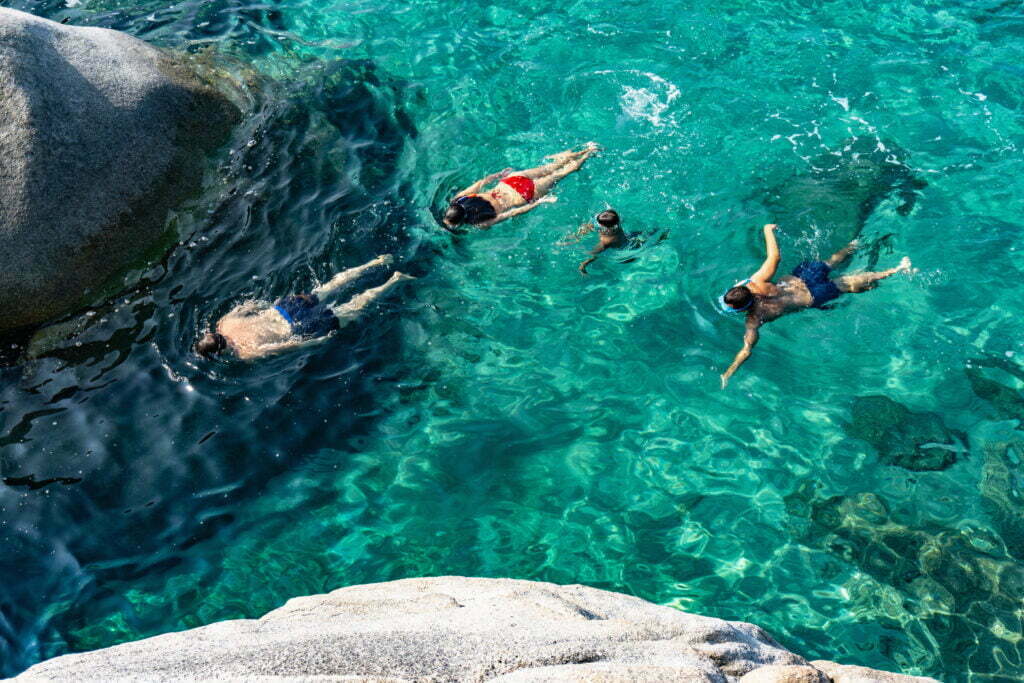
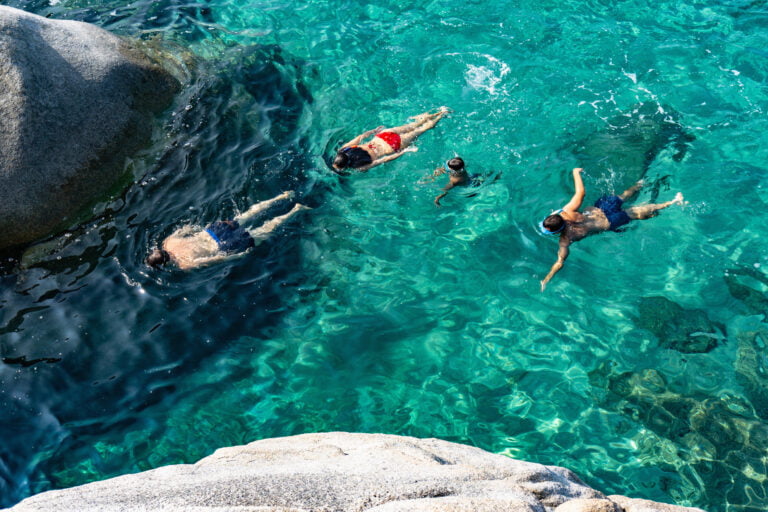
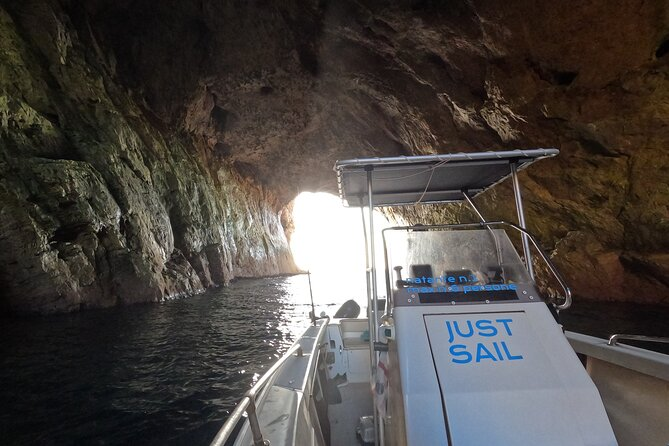
Sea. Underwater activities are among the most requested on the island. Diving in Sardinia boasts some of the best dives in the Mediterranean: the seabeds of the Maddalena Archipelago, Capo Carbonara, and the Isola dei Cavoli offer caves, wrecks, and posidonia meadows with visibility that exceeds 30 meters in summer. Snorkelling is accessible practically along the entire coast, even without experience, thanks to the natural transparency of the waters. Those who prefer the surface can explore the coast by kayak or sailing, with rentals available in the main coastal centers from April to October.
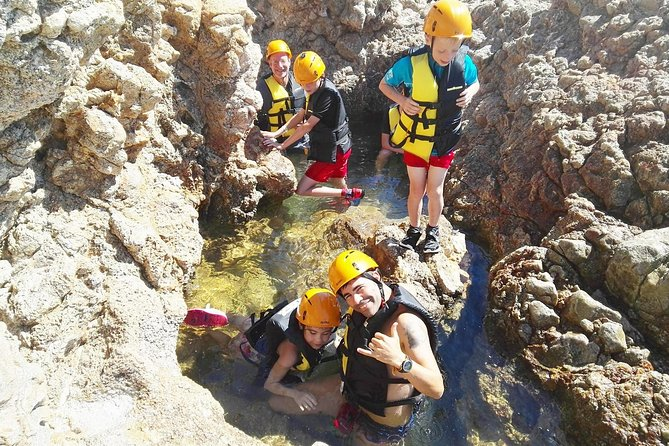
Land. Trekking in Sardinia ranges from easy walks through the vineyards of Gallura to technical routes like the Selvaggio Blu in the Gulf of Orosei, considered the most challenging coastal trek in Italy. Mountain biking is feasible all year round in the hinterland, with marked trails in the Gennargentu and Supramonte. Sport climbing has some of the most appreciated walls by European climbers in Cala Goloritzè and the cliffs of Sulcis.
Culture. Sardinia’s events calendar is distributed across all seasons: from the Sartiglia of Oristano in February to the summer music festivals of the Costa Smeralda, up to Autunno in Barbagia in October. Food and wine is a category unto itself: wineries, oil mills, and festivals offer tasting tours of Cannonau wine, PDO cheeses, and traditional desserts that vary from area to area. The archaeological sites, distributed throughout the island, are often visited independently and represent a concrete way to understand the history of Sardinia beyond the beaches.
The Sardinia that is not seen from the sea is often the one that leaves the deepest mark. The interior of the island hides a mountainous, wooded, and geological landscape of rare integrity, largely protected and walkable all year round.
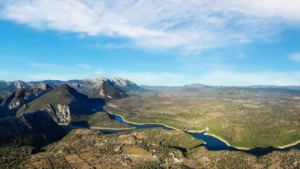
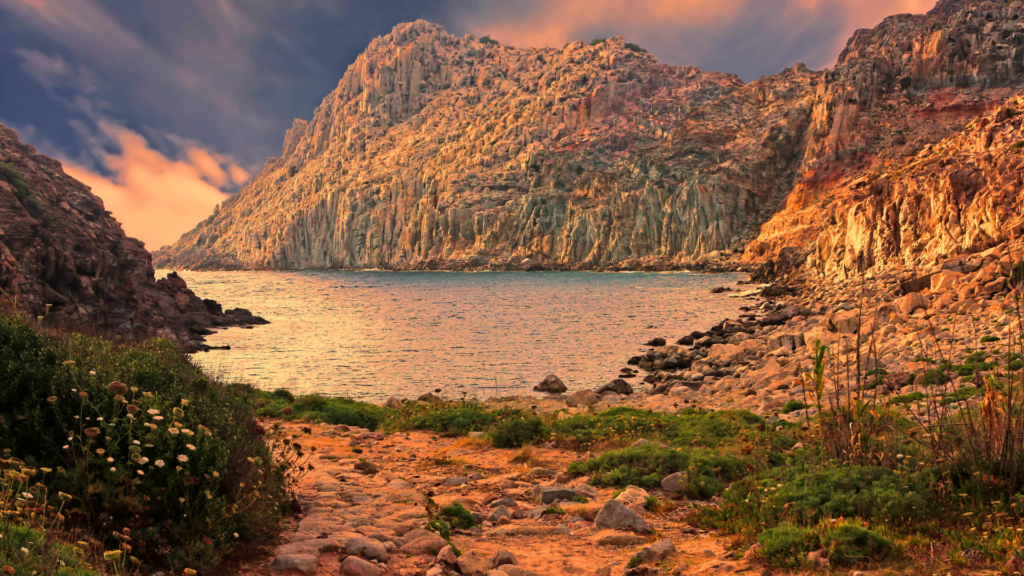
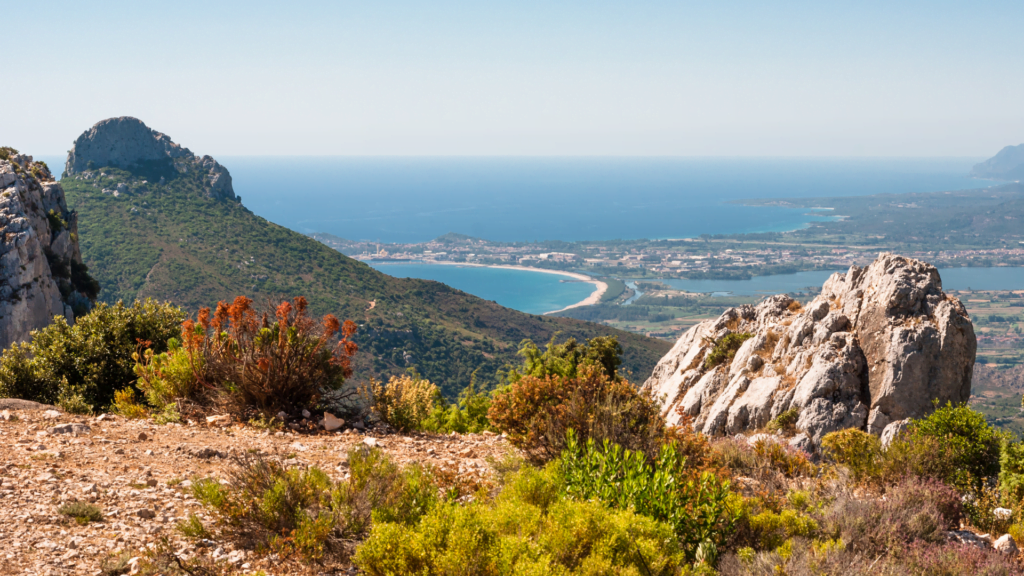
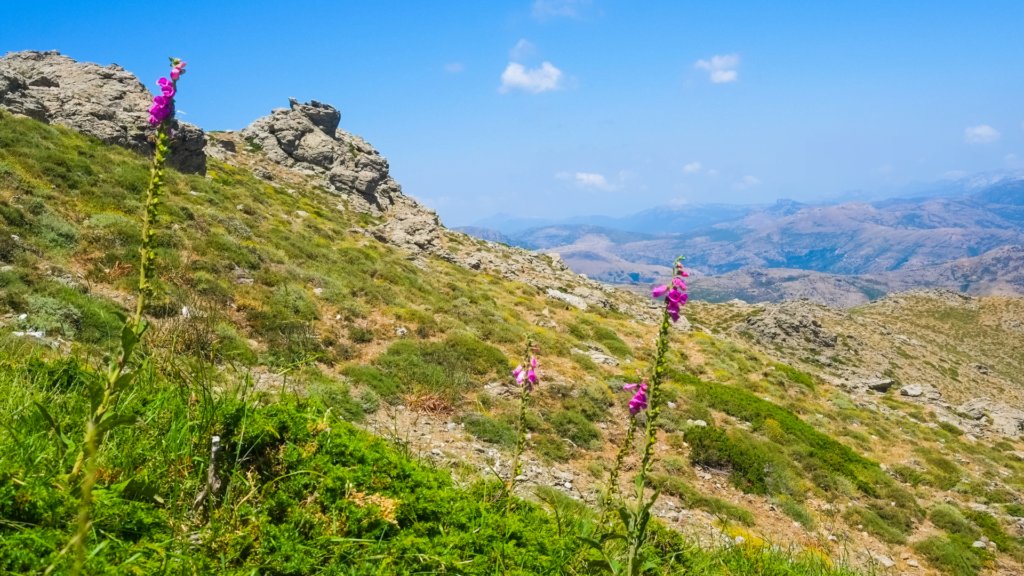
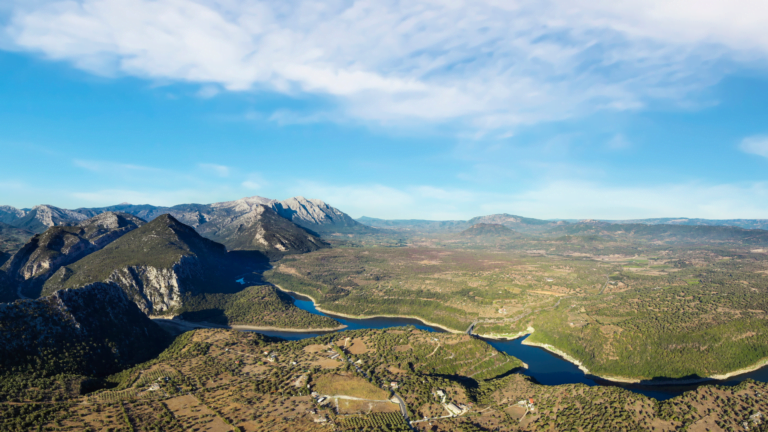
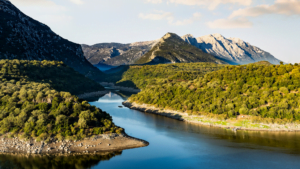
The Supramonte, in central Sardinia, is the most spectacular mountainous region of the island. Deep valleys carved into the limestone, some of the deepest canyons in Europe such as Su Gorropu, and the Golgo plateau alternate with vertical walls that fall directly into the sea. The Selvaggio Blu (Wild Blue), the most challenging coastal trek in Italy, crosses this area for seven stages: a route without roads or services, where nature has remained exactly as it was before mass tourism arrived. It is one of the most sought-after trekking experiences in Sardinia by expert hikers from all over Europe.
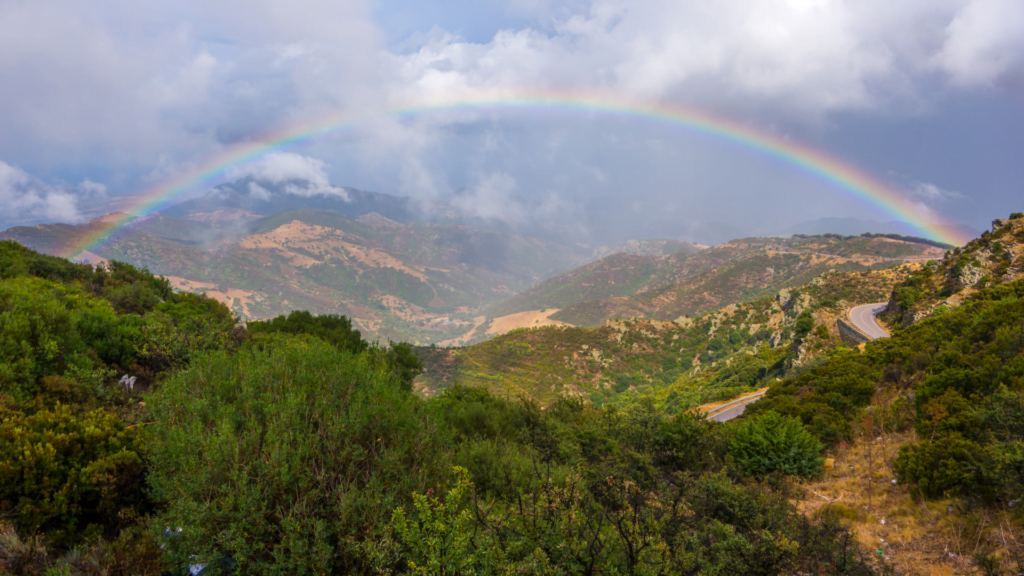
The Gennargentu is the highest mountain range in Sardinia, with Punta La Marmora at 1,834 meters as the main peak. Its forests of holm oaks, chestnuts, and yews host endemic species such as the Sardinian deer and the mouflon, rarely sighted elsewhere. In winter, the snow-capped peaks offer an unexpected scenario for a Mediterranean island; in summer, the park’s trails are frequented by hikers and birdwatchers looking for the Sardinia furthest from the coast. Protected nature in Sardinia does not stop at the hinterland.
The natural parks of Sardinia also include valuable marine areas: the Sinis Peninsula with the Cabras lagoon, frequented by pink flamingos, and Capo Carbonara, off Villasimius, with seabeds hosting posidonia, groupers, and sea turtles. Land and sea, in Sardinia, are part of the same ecosystem to be protected and explored with respect.
Sardinia is one of the territories with the highest archaeological density in Europe, and much of this heritage is still visible, visitable, and little known outside the island.
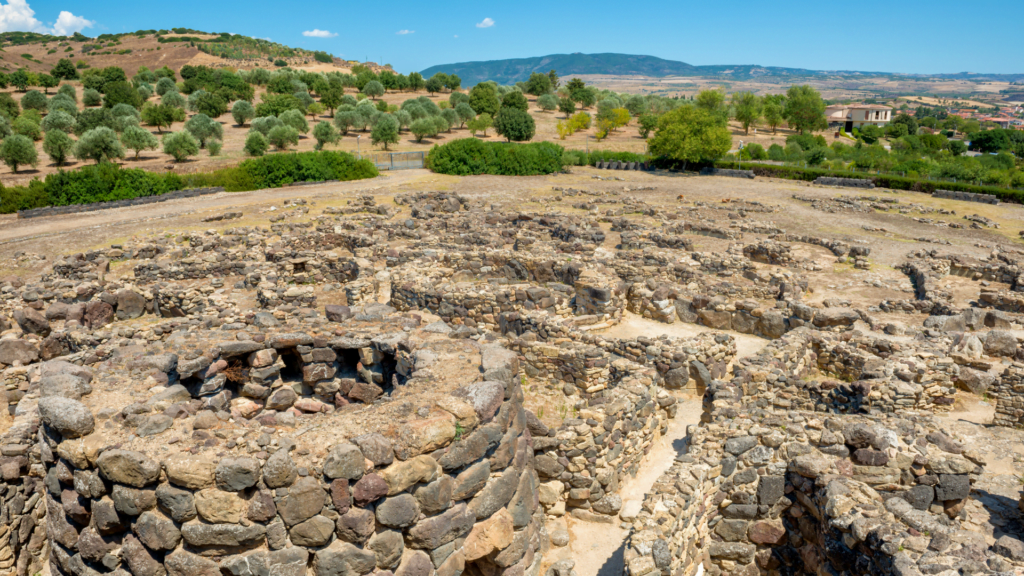
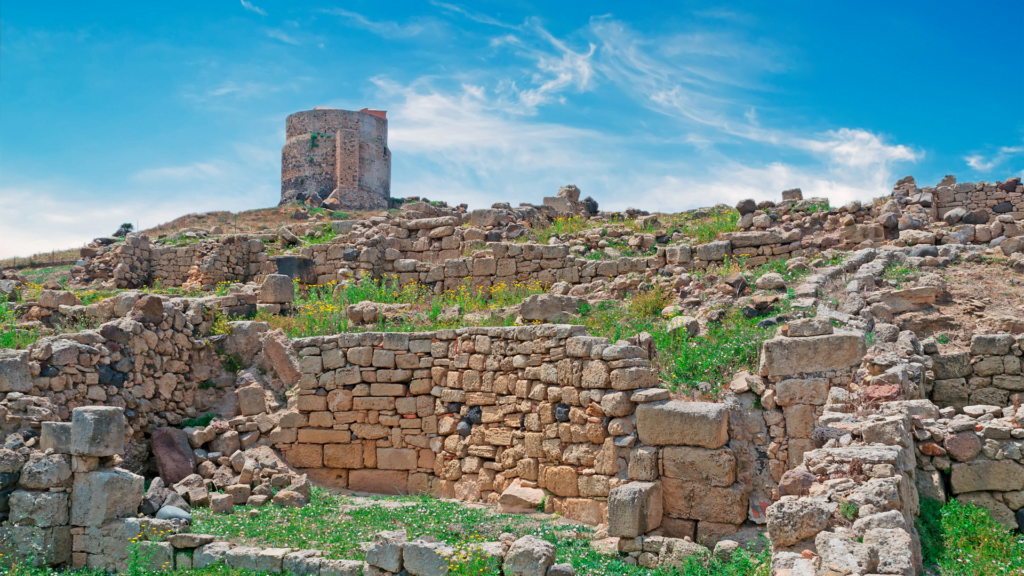
The Nuraghes are the most imposing testimony of the Nuragic civilization, which flourished in Sardinia between approximately 1800 and 500 BC. They are truncated cone towers built of dry basalt stone, without mortar and without metal tools: a world unique, because no other civilization produced similar structures in technique, diffusion, and scale. There are over 7,000 of them in Sardinia, distributed throughout the island. The most famous and best preserved is the Nuraghe Su Nuraxi of Barumini, recognized by UNESCO as a World Heritage Site in 1997: a complex of towers and a Nuragic village that allows us to understand how these Bronze Age communities lived and organized themselves.
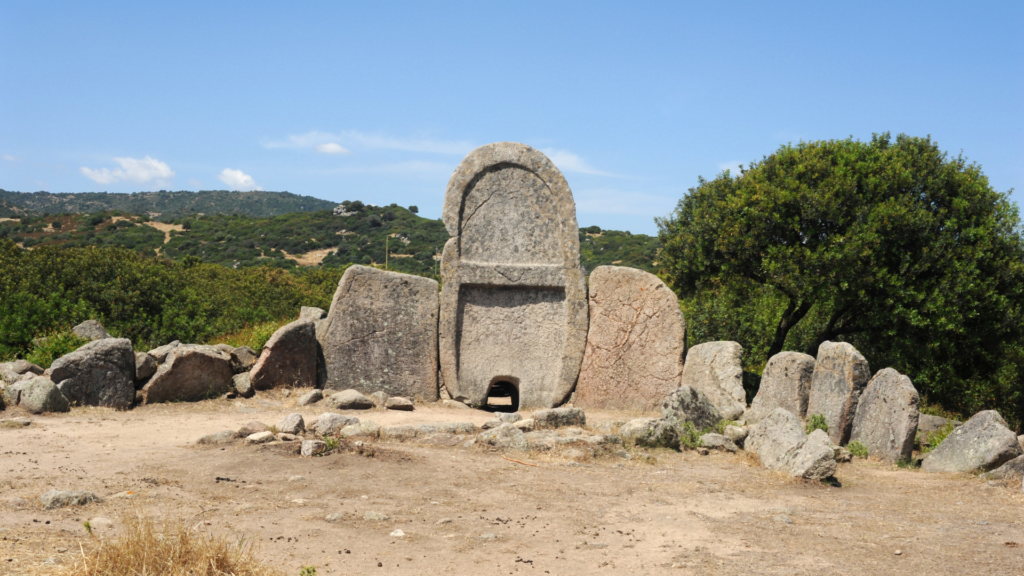
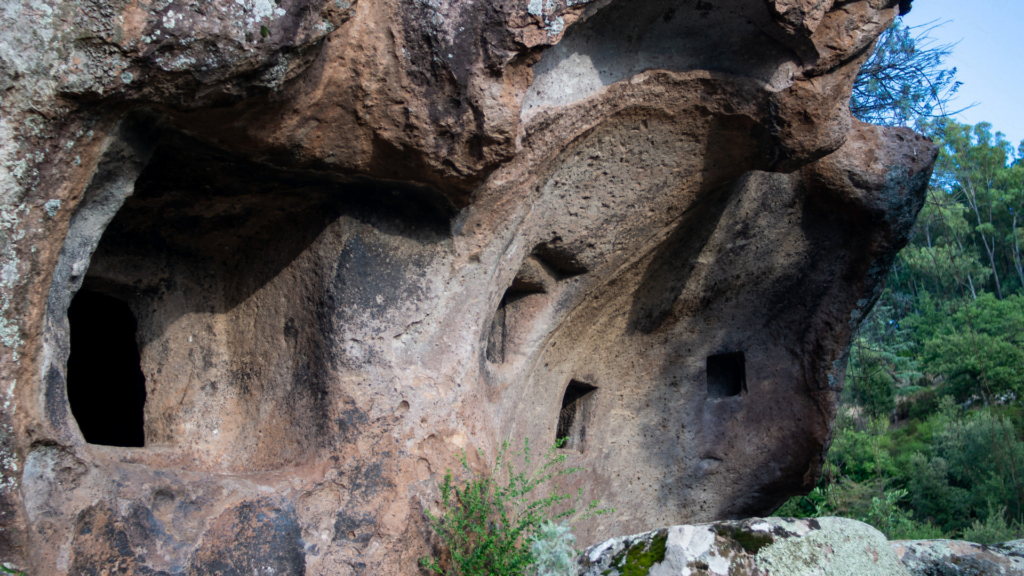
Next to the Nuraghes, the prehistoric Sardinian culture has left two other types of monuments worth knowing. The Tombs of the Giants are open-air collective tombs, recognizable by the large central stele and the stone burial corridor: their shape evokes a stretched-out body, hence the popular name. The Domus de Janas, literally “houses of the fairies” in Sardinian, are necropolises carved into the rock, often decorated with incisions and pigments, which tell the funeral rituals of the pre-Nuragic populations.
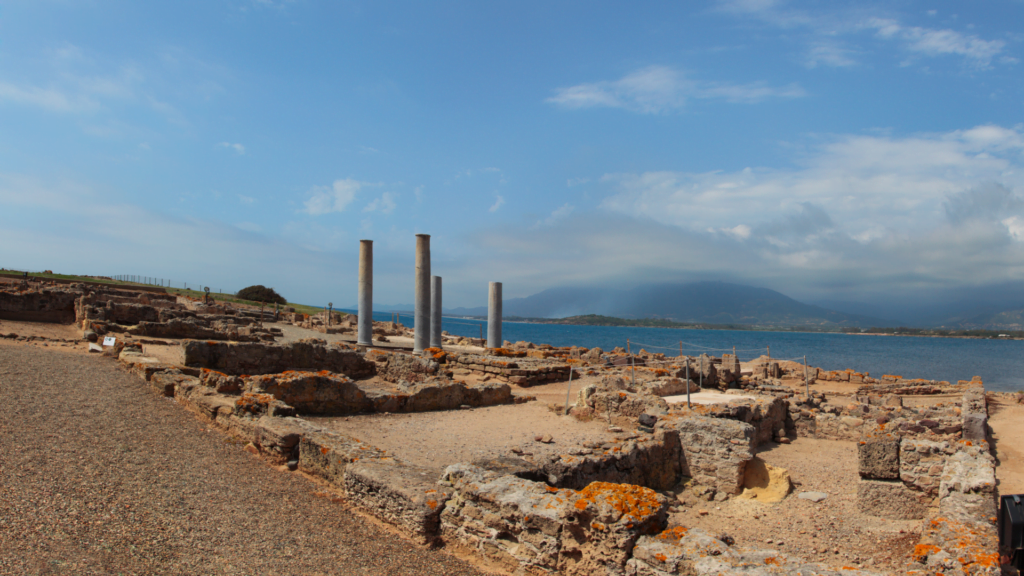
The history of Sardinia does not stop at prehistory. The sites of Tharros, on the Sinis Peninsula, and Nora, in the south of the island near Pula, bear witness to the Phoenician, Punic, and then Roman presence: ports, temples, baths, and mosaics that emerge partly from the sea and partly from the land, visitable with a ticket and in some cases still subject to active excavations. They are among the most accessible and visually spectacular archaeological sites in Sardinia, also suitable for those who are not passionate about archaeology.
Sardinia’s climate changes character with the seasons, and with it changes the type of holiday the island can offer you.
In spring (April-May) nature is at its best: the trails of the Supramonte bloom, the beaches are almost deserted, and temperatures are ideal for excursions and visits to archaeological sites. It is the favorite season for trekkers and for those who want to explore the island without crowds. Practical advice: it is the right time to visit the nuraghes and the inland villages without queues and with the best light for photography.
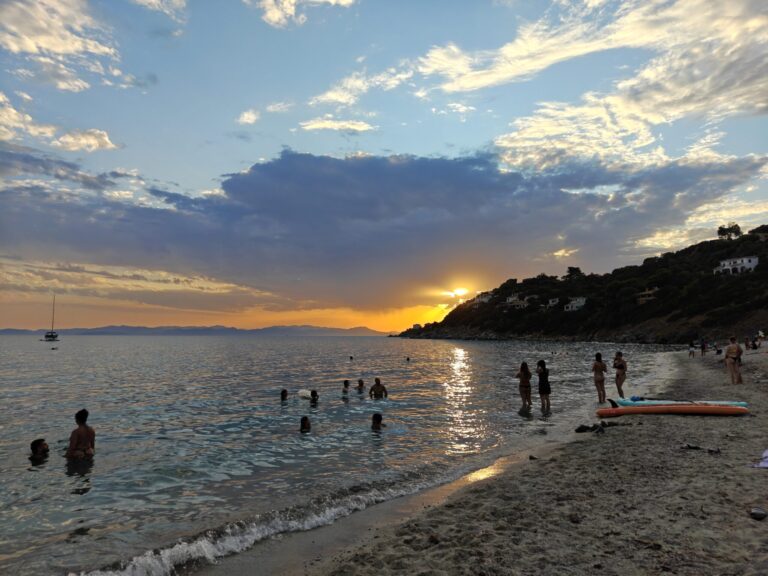
In summer (June-September) Sardinia becomes one of the most requested beach destinations in the Mediterranean. The beaches come alive, the sea reaches 26-28 degrees, and nightlife concentrates along the coast. It is the ideal season for those who put the sea first. Practical advice: ferries and accommodations in the July-August period sell out months in advance, especially on the Costa Smeralda and in La Maddalena.
In autumn (October-November) prices drop, the sea is still warm until mid-October, and the island returns to its slow rhythms. It is the season for festivals, the grape harvest in Barbagia, and local events. Practical advice: the second week of October coincides with Autunno in Barbagia (Autumn in Barbagia), the tour through the inland villages most appreciated by travelers looking for the authentic Sardinia.
In winter (December-March) the island empties of tourists and reveals its truest soul. Cagliari, Alghero, and Sassari are experienced as those who live there experience them: markets, trattorias, museums without waiting. It is the right season for those who love slow tourism and gastronomy. Practical advice: the Carnival period, with the Sartiglia of Oristano and the traditional masks of Barbagia, is one of the most original spectacles that Sardinia offers all year round.
Before leaving for Sardinia, some practical information can make the difference between a well-organized trip and a badly improvised one.
How to get there. Sardinia can be reached by plane or ferry. The three main airports are Cagliari-Elmas, Olbia-Costa Smeralda, and Alghero-Fertilia, connected to the main Italian and European cities all year round, with greater frequency in summer. The ferry leaves from Genoa, Livorno, Civitavecchia, Naples, and Palermo towards the ports of Cagliari, Olbia, Golfo Aranci, and Porto Torres: the crossing lasts from 6 to 14 hours depending on the route and allows you to bring your car onto the island without additional rental costs.
How to get around. Car rental is the most convenient choice for exploring Sardinia freely. Public transport connects the main cities but does not reach most of the beaches and archaeological sites in the hinterland. Booking your rental in advance, especially in July and August, allows you to save significantly.
General information. The official language is Italian; in many areas of the hinterland, Sardinian is still spoken, a Romance language recognized by the Region with its own grammar and vocabulary. The currency is the euro. The time zone is CET (UTC+1) in winter and CEST (UTC+2) in summer. The climate is Mediterranean, with hot, dry summers and mild winters: the bathing season runs from May to October, with heat peaks between July and August.
Ultimi contenuti
Lasciati ispirare
Altri contenuti
Sardinia offers a unique combination of turquoise waters, rugged mountains, and ancient history. Whether you are looking for luxury or wilderness, there are many compelling reasons why Sardinia is worth visiting at least once in a lifetime.
You can travel by ferry from mainland Italy or fly into one of the three international hubs. To choose the most convenient route, check our guide on how to get to Sardinia and which airport is closest to your destination.
The north is famous for its glamour and iconic coves, while the south offers wilder landscapes and historic ruins. To help you decide, we have mapped out the best areas to stay on the island based on your travel style.
From the white dunes of the west to the hidden coves of the east, the options seem to be endless. You can explore our local selection of the top-rated beaches in Sardinia, including the famous shores of the Orosei Gulf.
The island is home to the mysterious Nuragic civilization. You should not miss the UNESCO site of Su Nuraxi in Barumini or the fascinating prehistoric Giants’ Graves scattered across the territory.
Absolutely. It is a paradise for active travelers, offering world-class trekking and hiking paths, as well as incredible spots for diving and windsurfing along the coast.
Sardinia has a very strong identity, characterized by its own distinct language and ancient traditions and religious festivals that have remained unchanged for centuries.
Sardinian cuisine is a treat for the senses, from the famous roasted suckling pig to unique pasta shapes. For a full list of local delicacies, consult our comprehensive Sardinian food guide.
While summer is the peak for beach lovers, the shoulder seasons offer milder weather and fewer crowds. Check our weather guide for Sardinia or discover why visiting the island in October is a great idea.
Planning a road trip is the best way to see the island’s diversity. To organize your itinerary, use our Sardinia tourist map which includes the best places to see in the North, South, and Central regions.