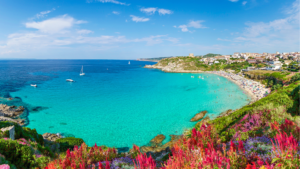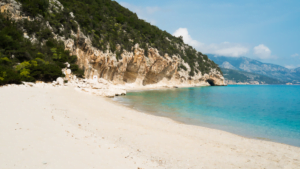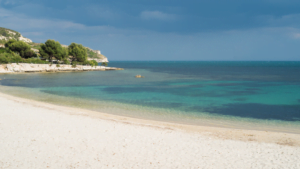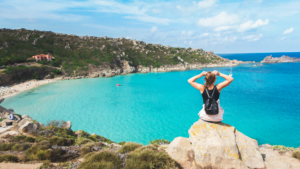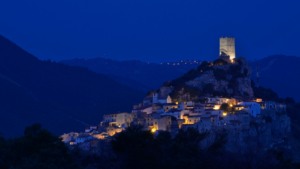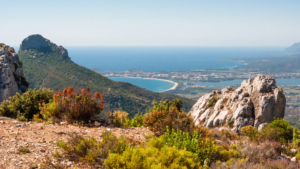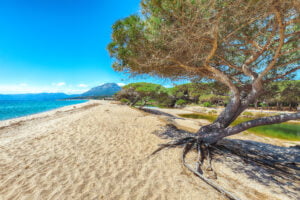
Tucked between the rugged granite bastions of Ogliastra and the cobalt waters of the Tyrrhenian Sea, Tortolì is one of the most multifaceted coastal destinations in eastern Sardinia. If you are searching for authentic things to do in Tortolì, you will quickly discover that this vibrant hub is actually a dual soul: the historic agricultural and commercial inland town of Tortolì, and its scenic port hamlet of Arbatax just four kilometers down the road. As a Sardinian, I have always seen this stretch of coastline as the ultimate transition zone where the wild mountains of Gennargentu tumble directly into miles of soft sand and dramatic red cliffs.

Whether you arrive looking for sweeping family-friendly beaches like Lido di Orrì, secret coves framed by fragrant pine woods, prehistoric nuragic towers, or the gateway to the legendary Baunei coast, Tortolì delivers a travel experience that feels genuine and unhurried. In this comprehensive guide, I will share the top things to do, the sights worth your time, logistical realities, and local secrets that typical tourist brochures leave out.
What to see in Tortolì and Arbatax: the iconic landmarks
Before heading to the beaches, taking time to understand the cultural and historical fabric of Tortolì and Arbatax enriches your entire stay. The area preserves thousands of years of human settlement, from the Bronze Age through Spanish coastal defense up to contemporary open-air art.
Rocce Rosse: the legendary red cliffs of Arbatax
No trip to eastern Sardinia is complete without standing in front of the Rocce Rosse (known in Sardinian as Is Scoglius Arrubius). Situated right next to the port entrance in Arbatax, these dramatic needles and cathedral-like slabs of red porphyry rise abruptly from deep emerald waters.
Geologically, this formation represents an ancient volcanic intrusion that contrasts vividly with the white limestone cliffs dominating the northern part of the gulf. For decades, the site has served as a natural amphitheater for international musicians during the Rocce Rosse Blues festival, and film buffs will recognize it as the opening backdrop of Lina Wertmüller’s 1974 masterpiece Swept Away. I recommend visiting in late afternoon when the setting sun illuminates the porphyry with an intense, fiery crimson glow that photographs spectacularly.
Spanish watchtowers and Capo Bellavista
During the 16th and 17th centuries, the Kingdom of Spain fortified Sardinia’s perimeter to repel Barbary pirate raids. Around Tortolì, three defensive sentinels were erected, and visiting them offers some of the best vantage points in the region:
- Torre di San Gemiliano: Standing atop a headland between the bays of Porto Frailis and San Gemiliano, this slender tower built around 1639 offers an unobstructed 360-degree panorama of the entire Ogliastra coast. The gentle trail to the top takes under ten minutes and makes for an invigorating morning walk.
- Torre di Arbatax: Located near the port and often called Torre di Mezzo, this squat defensive structure monitored traffic entering the harbor.
- Capo Bellavista Lighthouse: Standing tall at 156 meters above sea level on the Bellavista promontory, this historic 19th-century lighthouse overlooks steep granite cliffs and the open sea. While the interior installation remains restricted for maritime navigation, the panoramic views along the crest are breathtaking.
S’Ortali ‘e Su Monti: prehistoric nuragic complex
Just south of Tortolì, near the road leading toward Lido di Orrì, lies one of the most complete archaeological parks in eastern Sardinia: the megalithic complex of S’Ortali ‘e Su Monti.
Occupying a strategic hill overlooking the coastal plain, the site contains over two millennia of human history on a single plot:
- A central nuraghe featuring a main stone tholos tower and defensive bastions dating back to 1500 BC.
- A surrounding Nuragic village with circular hut foundations and large stone silos (silos de gran) used for grain storage, demonstrating the agricultural wealth of the ancient plain.
- A monumental Giants’ Tomb (Tomba dei Giganti), an ancient collective burial monument fronted by a curved ceremonial stone exedra. If you are intrigued by prehistoric stone monuments across our island, you can explore our detailed Giants’ Grave guide and map.
- Pre-nuragic menhirs dating to the Neolithic Ozieri culture (circa 3000 BC), highlighting how sacred this hill was long before the nuraghe was built.
A guided tour here provides essential context on how ancient Sardinians mastered astronomy, dry-stone engineering, and coastal defense.

Su Logu de s’Iscultura: contemporary open-air museum
Tortolì holds a unique surprise for art enthusiasts: Su Logu de s’Iscultura. Founded in 1995 as the first open-air contemporary sculpture museum in Sardinia, the initiative placed major three-dimensional installations by celebrated international and Sardinian artists directly into the urban fabric and surrounding countryside.
As you stroll through public gardens, roundabouts, and squares, you will encounter bold granite, bronze, and iron works by masters such as Mauro Staccioli, Maria Lai, Hidetoshi Nagasawa, and Pietro Consagra. Unlike a traditional museum confined within four walls, the artwork here enters into a living dialogue with everyday Sardinian street life.
Ex Cathedral of Sant’Andrea and historical center
The town center of Tortolì clusters around the Ex Cattedrale di Sant’Andrea, a stately 18th-century Baroque church dedicated to the apostle Andrew, the patron saint of local fishermen. Built over an older medieval structure, its interior preserves marble altars, fine religious paintings, and a venerated wooden statue of Saint Andrew.
In the evening, the surrounding pedestrian stretch along Corso Umberto I fills with families, locals enjoying an evening stroll (passeggiata), gelaterias, and small artisan shops selling traditional Sardinian jewelry, ceramics, and textiles.
The best beaches in Tortolì and surroundings
Tortolì’s coastline stretches for over sixteen kilometers, alternating between expansive ribbons of fine granite sand, sheltered horseshoe coves, and dramatic rocky reefs. Whether you are traveling with toddlers who need calm shallows or looking for underwater marine life with mask and snorkel, there is a beach tailored to your style.
Lido di Orrì: miles of golden sand and turquoise shallows
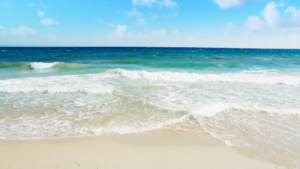
The crown jewel of Tortolì’s seaside is undoubtedly Lido di Orrì. Extending for almost four kilometers, this renowned beach is celebrated for its powdery, pale golden sand and water so crystal-clear that you can easily spot small fish swimming around your feet.
The seabed slopes outward with incredible gentleness, remaining knee-deep for dozens of meters from the shore, which makes Orrì an absolute haven for families with young children. Backed by fragrant Mediterranean pine groves, the beach is divided into several sections:
- The northern and central sections offer excellent beach amenities (lidi), kayak rentals, sunbed concessions, and beach bars serving chilled Ichnusa and light lunches.
- The southern stretches, particularly around Il Golfetto and Cala Ginepro, become wilder, framed by smooth granite boulders sculpted by wind and waves that resemble natural open-air sculptures.
Spiaggia di Cea: the twin red sea stacks
Located about eight kilometers south of Tortolì, Spiaggia di Cea is an unforgettable visual spectacle. What sets Cea apart are Is Scoglius Arrubius, two monumental red porphyry sea stacks that jut twenty meters high out of the sea just a short swim from the shoreline.
The sand here is blindingly white and fine as talcum powder, creating an intense contrast with the emerald water and the crimson stone. Swimmers and snorkelers love paddling out to the red stacks to explore the crevices beneath the surface. Cea has ample parking, a couple of laid-back beach restaurants, and shallow waters ideal for wading.

Baia di Porto Frailis: the sheltered family bay
If strong northwestern winds (Maestrale) are blowing across the island, local families head straight to Porto Frailis. Nestled in a deep, horseshoe-shaped bay protected by the rocky headlands of Capo Bellavista and San Gemiliano, the waters here remain smooth and mirror-like even when open seas are rough.
The sand is fine and golden, the water is transparent with a safe, shallow entry, and several waterfront restaurants and hotels overlook the shore. It is also an ideal launchpad for stand-up paddleboarding (SUP) and leisurely kayaking around the cliffs toward the Spanish watchtower.
Cala Moresca: wild inlet framed by pine woods
Tucked directly under the steep cliffs of Capo Bellavista, Cala Moresca offers an intimate, rugged change of pace. Reached by descending a series of stone steps shaded by coastal pines, the cove features a mix of golden sand, smooth pebbles, and red porphyry shelves.
Because of the rocky perimeter, Cala Moresca is arguably the best spot in Tortolì for snorkeling: colorful wrasses, sea bream, octopuses, and starfish hide among the submerged boulders. Note that the beach is relatively compact, so during peak summer months like July and August it is best enjoyed in the early morning.
San Gemiliano and Basaùra beaches
Stretching northward from the San Gemiliano headland toward Arbatax, the long shoreline of San Gemiliano and Spiaggia di Basaùra provides vast open spaces that rarely feel crowded.
The sand here has a slightly grainier texture, and because the beach faces the open sea, it catches moderate breezes that make it popular for windsurfing, wing foiling, and kitesurfing. The northern portion near the former local airfield features a pine forest trail popular with morning runners and dog walkers.
Things to do in Tortolì: top activities and boat tours
While relaxing on the beach is tempting, Tortolì and the port of Arbatax serve as the premier base camp for some of the most thrilling sea and outdoor excursions anywhere in the Mediterranean. Below are the top six verified experiences to elevate your itinerary.
1. Full-day Gulf of Orosei cruise to Baunei coves and Grotta del Fico
The single most sought-after sea adventure departing from the Marina of Arbatax is a cruise heading north along the monumental limestone cliffs of the Baunei coast. Because the world-famous coves of the Gulf of Orosei have no direct road access, seeing them by boat is the ultimate experience.
Major operators like Glentor run full-day motorboat excursions that take you past Pedra Longa, Capo Monte Santo, and into the gulf. The itinerary includes:
- Extended beach landings at Cala Mariolu and Cala Sisine.
- A cruise directly in front of the soaring stone needle of Cala Goloritzé.
- An optional guided walking visit inside the Grotta del Fico, the historic sanctuary of the Mediterranean monk seal, where wooden walkways lead through spectacular stalactite-filled galleries.
You can verify live schedules and book this essential journey directly:
Explore Gulf of Orosei boat tours from Arbatax on GetYourGuide
If you want an in-depth breakdown of every cove along this coastline before boarding, take a look at our complete Gulf of Orosei best beaches guide.
2. Small-group maxi-RIB dinghy expedition
For travelers who prefer a faster, more agile vessel that gets right inside sea caves and narrow limestone arches, booking a skippered maxi-RIB (gommone) is unmatched. Providers such as Aquae Ogliastra run dedicated small-group excursions (often capped at 10-12 passengers) departing from the Arbatax marina.
Because of their maneuverability, RIBs can approach the turquoise natural basins known as the Piscine di Venere (Pools of Venus) and small sea caverns like Grotta dei Colombi for swimming sessions directly off the boat. Snorkeling gear is typically provided on board.
Check small-group dinghy and boat excursions on Viator
3. Sunset sailing cruise with local wine and aperitivo
If your idea of a perfect evening involves silence under canvas, gentle breezes, and golden-hour light washing over red porphyry cliffs, reserve a spot on an intimate sailboat charter from Arbatax.
These trips usually cruise around the Isolotto d’Ogliastra, a cluster of reddish porphyry islets sitting just a mile off the coast of Lotzorai, before dropping anchor in a sheltered inlet. As you swim in twilight waters, the skipper serves an authentic Sardinian aperitivo featuring crispy pane carasau, aged pecorino cheese, artisanal cured meats, and chilled glasses of local Vermentino or Cannonau wine.
Browse sailing charters and coastal tours on GetYourGuide
4. Self-drive gommone rental (no nautical license required)
If you have basic boating confidence and crave total independence, you can rent a 40-horsepower rubber dinghy (gommone senza patente) directly from the tourist port of Marina di Arbatax. Under Italian maritime regulations, boats with outboard engines up to 40 HP do not require a skipper’s license.
After a thorough safety briefing on navigation markers, anchor protocols, and protected reserve limits, you take the helm. You can chart your own pace, anchoring at designated buoys along the coast and escaping the crowds for a private swim whenever you spot a glowing patch of turquoise water.
5. Ride the historic Trenino Verde into the Ogliastra mountains
For a break from the salt water, step aboard the legendary Trenino Verde della Sardegna (Green Train). Departing right from the historic Arbatax railway station by the red rocks, this vintage narrow-gauge train snakes slowly inland, conquering dramatic elevation gains.
The journey winds past olive groves, climbs through the granite canyons of Lanusei and Arzana, crosses breath-taking viaducts, and reaches the lonely mountain station of Gairo Taquisara near the ghost town of Gairo Vecchio. It is an affordable, slow-travel immersion into the rugged, untamed interior that defines the Sardinian soul.
6. Oyster and bottarga tasting at Stagno di Tortolì
Tortolì’s coastal lagoon, the Stagno di Tortolì, is one of the most productive and biologically rich wetlands in the Mediterranean. Managed by a historic local fishermen’s cooperative (Cooperativa Pescatori Tortolì), the lagoon produces world-class seafood, including the prized Sandalia oysters and exquisite mullet roe (bottarga).
You can book a guided tour of the aquaculture facilities and lagoon channels to observe pink flamingos, cormorants, and traditional fishing fish-traps (lavorieri). Conclude the visit at the on-site ittiturismo restaurant with a tasting menu featuring raw local oysters, smoked mullet, and freshly grated bottarga over homemade pasta.
Getting around: car rental and transport tips
While Tortolì has basic regional bus links, the reality of traveling in Sardinia is simple: having your own rental car is virtually essential. Without an automobile, reaching secluded spots like Spiaggia di Cea, the trailhead of S’Ortali ‘e Su Monti, or mountain villages like Baunei and Ulassai becomes frustratingly limited and time-consuming.
- Driving from Cagliari: Tortolì is located about 135 kilometers north of Cagliari. Thanks to the modern sections of the new SS125 Orientale Sarda (a fast four-lane highway cutting through tunnels), the drive from Cagliari Elmas Airport takes just under two hours. You can read our advice on arriving through the capital in our Cagliari things to do and travel guide.
- Driving from Olbia: Coming from the north, Olbia Costa Smeralda Airport sits roughly 165 kilometers away (about 2 hours and 15 minutes by car). Check our Olbia travel guide for regional transit insights.
- The Scenic SS125: If you enjoy motorcycle riding or breathtaking road trips, the old, winding inland section of the SS125 through the Gola di San Giorgio and Quirra mountains offers stunning vistas, though it takes significantly longer than the new coastal highway.
For comparing transparent rental rates and booking with full insurance coverage from major airport hubs or local depots, I recommend using Discovercars:
Find the best car rental rates for Sardinia on Discovercars
Before booking your vehicle, make sure to read our detailed insider recommendations in our dedicated guide to renting a car in Sardinia. If you are considering bringing your own vehicle across the sea, explore our complete overview of ferry routes and ports in Sardinia.
Where to stay in Tortolì: best hotels and areas
Choosing where to stay in the Tortolì area depends largely on whether you prefer waking up with direct beach access in the bays of Arbatax or immersing yourself in the lively evening atmosphere of Tortolì’s town center. Here are the top verified properties across diverse styles and budgets:
1. Hotel La Bitta (Baia di Porto Frailis, Arbatax) – Luxury waterfront boutique
Perched directly on the soft sands of Porto Frailis, Hotel La Bitta is one of the most romantic properties in eastern Sardinia (consistently rated 9.4/10 by guests). It boasts an infinity freshwater pool overlooking the bay, a dedicated Thalasso wellness sanctuary, private beach cabanas, and refined dining right over the water. It is the premier choice for couples seeking quiet sophistication.
Check availability for Hotel La Bitta on Booking.com
2. Hotel Club Saraceno (Baia di San Gemiliano) – Premier family beach resort
Located directly along the protected shore of San Gemiliano bay, Hotel Club Saraceno (rated 9.1/10) is the benchmark resort for active travelers and families. The property features a semi-Olympic seawater swimming pool, direct access to a private sandy beach equipped with loungers, professional sailing and scuba diving centers, and comprehensive children’s clubs set within manicured Mediterranean gardens.
View rates for Hotel Club Saraceno on Booking.com
3. Monte Turri Luxury Retreat (Capo Bellavista, Arbatax) – Panoramic cliffside sanctuary
Part of the vast 60-hectare Bellavista Natural Park, Monte Turri is a 4-star superior, adults-only stone retreat built high on the bluffs of Capo Bellavista. Guests enjoy sweeping panoramic views across the sea, tranquil swimming pools, access to the expansive Bellavista Thalasso & Spa, and a glass elevator that glides down the rock face to a private swimming cove.
Check Monte Turri Luxury Retreat on Booking.com
4. Hotel Orri (Corso Umberto I, Tortolì) – Elegant town living with private beach perks
Situated right on Tortolì’s central pedestrian avenue, Hotel Orri (rated 8.8/10) bridges town charm and beach convenience. The hotel features stylish contemporary rooms, a solar-heated rooftop pool, and its own private reserved beach club on the sands of Lido di Orrì, complete with a complimentary guest shuttle during summer.
Explore Hotel Orri on Booking.com
5. Hotel Il Vecchio Mulino (Tortolì center) – Rustic-chic character and heritage
Constructed within a lovingly restored 19th-century olive mill in a peaceful quarter of town, this 3-star superior hotel (rated 8.9/10) charms guests with exposed stone walls, wrought iron accents, and warm chestnut ceiling beams. It is celebrated for its generous traditional breakfast featuring artisanal cheeses, honey, and fresh local pastries.
Check rates for Hotel Il Vecchio Mulino on Booking.com
What and where to eat: Tortolì food, Blue Zone and wine
The Ogliastra subregion is universally recognized by scientists as one of the world’s rare Blue Zones, areas boasting an extraordinary concentration of centenarians. While clean air, daily mountain walking, and tight community bonds contribute, the wholesome, unprocessed local diet lies at the very core of this longevity.
When dining in Tortolì, you must sample these authentic culinary specialties:
- Culurgiones d’Ogliastra IGP: The undisputed culinary symbol of the region. These handmade pasta pockets are filled with boiled potatoes, aged pecorino cheese, garlic, and fresh mint, then meticulously pinched shut by hand using the traditional wheat-ear braid pattern (spighitta). Served simply with light tomato sauce and grated pecorino, they are divine.
- Gathulis: A hyper-local specialty found almost exclusively in Tortolì. These savory fried rings are made from a dough of mashed potatoes, grated aged sheep and cow cheeses (casu axedu or salted ricotta), and flour, fried golden until crispy on the outside and wonderfully molten within.
- Bottarga di Muggine and Fresh Oysters: Sourced fresh from the Cooperativa Pescatori in the Tortolì Lagoon. The cured mullet roe is sliced thin with celery or grated generously over spaghetti with clams.
- Porceddu Arrosto: Suckling pig slowly spit-roasted over aromatic wood embers (oak and juniper) and scented with wild myrtle branches.
- Cannonau di Jerzu: Ogliastra is the heartland of the Cannonau grape. The red wines produced here, particularly from nearby Jerzu and the Ogliastra hills, are rich in polyphenols and antioxidants, providing a robust, full-bodied companion to roasted meats and aged cheeses.
The local perspective: what Sardinians think
To get the most out of your holiday, it helps to understand how we Sardinians look at the geography, rhythm, and logistics of Tortolì. Here are three grounded pillars based on lived experience across our island:
1. Geographic and climatic reality: mastering the winds and shallows
In Sardinia, the wind determines your beach day. When the Maestrale (northwest wind) blows, the open western coast and parts of northern Sardinia can experience choppy surf and strong currents. In Tortolì, however, the Baia di Porto Frailis remains protected like a natural swimming pool because it sits tucked beneath the eastern shoulder of the Capo Bellavista ridge.
Conversely, when warm Scirocco or Levante winds blow from the southeast, open easterly beaches like Lido di Orrì and San Gemiliano can experience shore break and rolling waves. On those days, check conditions early or head toward the more sheltered coves.
Furthermore, keep water depths in mind: at Lido di Orrì, the water remains shallow and safe for dozens of meters, while at Cala Moresca, the seabed drops into deep water just a few steps from the gravel edge.
2. Road logistics, parking, and peak season crowds
While modern navigation apps show straightforward driving lines, visitors often underestimate real travel times once they leave the main highways. If you venture inland from Tortolì into the Gennargentu mountains toward Lanusei, Jerzu, or Ulassai, roads are winding and steep. Plan for leisurely journeys rather than rushing.
During the peak two weeks of August (Ferragosto), the most popular beach parking lots at Lido di Orrì and Spiaggia di Cea fill up quickly. If you visit during this window, aim to arrive before 9:30 AM to secure a convenient parking space close to the wooden walkways. From June through early July and throughout September, parking is abundant, relaxed, and stress-free.
3. Culture, pride, and the mountain-sea balance
Unlike towns built purely for modern tourism, Tortolì is a working Sardinian community that remains lively throughout the winter. Its people carry immense pride in their dual heritage: they are coastal fishermen and sailors at Arbatax, yet deeply connected to the agrarian and shepherd traditions of inner Ogliastra.
Respect for the natural environment is paramount. Never remove sand, pebbles, or shells from beaches like Cea or Orrì (doing so violates regional conservation laws and carries heavy fines), and always dispose of rubbish responsibly. When you treat the land with respect, local hospitality opens up with genuine warmth.
Weather in Tortolì and best time to visit
Tortolì enjoys an enviable Mediterranean climate characterized by long, hot, dry summers and mild, comfortable winters. Because the towering Gennargentu mountain range shelters the plain from intense Atlantic weather fronts, eastern Sardinia receives an exceptional number of sunny days annually.
 -
 -
 -
 -
 --------------
- May and June: These are two of the finest months to visit. Days are long, temperatures hover around a pleasant 23°C to 27°C, wild broom and cistus bloom across the headlands, and the beaches are peaceful without summer crowds.
- July and August: The warmest and most vibrant period. Daily maximums frequently exceed 30°C to 34°C, tempered by coastal sea breezes. Sea temperatures reach a glorious 25°C to 26°C, making it ideal for swimming and boat tours, though you must book accommodations and boat excursions well in advance.
- September and October: For many locals, September is the absolute sweet spot of the year. The sea retains all the accumulated summer heat, the air is gentle (around 26°C), and the atmosphere returns to a tranquil rhythm. Even October frequently offers beach-worthy swimming weather during the sunny spells we call the Ottobrata.
- November to April: Winter is mild with daytime temperatures around 12°C to 16°C. While beach services are closed, this is an inspiring season for hikers, mountain bikers, archaeology enthusiasts, and those wanting to experience authentic village life during cultural festivals like Autunno in Barbagia.
To plan your trip across the island with regional insights, take a look at our interactive Sardinia tourist map.
FAQ about Tortolì and Arbatax
What is Tortolì famous for?
Tortolì is famous for its vast white-sand beaches like Lido di Orrì, the striking red porphyry cliffs of Arbatax (Rocce Rosse), its rich Nuragic archaeological heritage at S’Ortali ‘e Su Monti, its open-air sculpture museum, and as the departure port for boat excursions into the legendary Gulf of Orosei. It is also renowned for culinary specialties of the Ogliastra Blue Zone, including handmade culurgiones and fresh lagoon oysters.
What is the difference between Tortolì and Arbatax?
Tortolì is the main administrative and commercial inland town, home to shopping streets, historic churches, and restaurants. Arbatax is its coastal marine borough and port, located four kilometers east. Arbatax hosts the ferry terminal, the marina for boat tours, the famous Red Rocks, and scenic headlands like Capo Bellavista. Together, they function as a single integrated community.
Which is the most beautiful beach in Tortolì?
It depends on what you seek: Lido di Orrì is the most celebrated for expansive fine sand, shallow clear waters, and beach services. Spiaggia di Cea is iconic for its two offshore red porphyry sea stacks, while Porto Frailis is beloved for its calm, sheltered waters protected from northwesterly winds.
How do I take a boat trip from Arbatax to Cala Goloritzé?
Boat tours, large passenger motor vessels, sailing catamarans, and inflatable dinghies (RIBs) depart daily every morning between 8:00 AM and 9:00 AM from the Marina di Arbatax during the summer season (typically May through October). These cruises head north along the coast, stopping at Cala Mariolu, Cala Sisine, Cala Luna, and viewing Cala Goloritzé from the sea.
Do I really need a rental car to visit Tortolì?
Yes, having a rental car is strongly recommended. While local ARST buses connect central Tortolì with Arbatax and major towns like Cagliari or Nuoro, reaching beaches like Cea and Orrì, archaeological sites, mountain trailheads, and traditional inland trattorias is difficult and restrictive without private transportation.