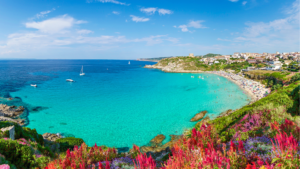

Renting a car in Sardinia is essential for exploring our wild island. Public transport connects major cities, but misses our most secluded beaches and mountain villages. Distances across our territory are vast, with dramatic mountain ranges dividing the coasts.

This comprehensive guide covers everything you need to know before sitting behind the wheel. We explain legal requirements, international driving permits, credit card deposit rules, and common insurance traps at airport desks. You will also discover local driving advice, speed camera regulations, parking rules, and the unwritten habits of navigating Sardinian roads safely.
Do you really need to rent a car in Sardinia?
Can you rely on regional buses for a beach holiday? If your entire stay consists of sitting at Poetto beach in Cagliari or staying at a self-contained resort in Villasimius with organized shuttles, you might manage without a vehicle. For any traveler who wishes to truly experience the island, renting a car in Sardinia is practically indispensable.
The Sardinian railway network connects only major urban centers such as Cagliari, Sassari, and Olbia. Regional ARST buses serve smaller inland towns, but their timetables cater to local school students and daily workers rather than travelers.
Weekend bus frequencies drop sharply during the summer months. Very few public lines stop directly at the trailheads of remote coves like Cala Mariolu or isolated Bronze Age ruins. Relying on public transit leaves you waiting for hours at roadside stops under the fierce Mediterranean sun.
A personal vehicle grants you total freedom to follow the weather and tides. You can chase sheltered bays when northern winds blow, take spontaneous detours through mountain villages, and stop at rustic roadside fruit stands. To plan a balanced road route across the island, check our tested Sardinia roundtrip itinerary.
Where to pick up your rental car: the 3 main airports
Sardinia features three primary international airports spread strategically across the north and south. Each airport hosts international rental brands alongside trusted Italian operators.
Olbia Costa Smeralda Airport (OLB)
Located in the northeast, Olbia is the busiest gateway for travelers heading to the Costa Smeralda, the Maddalena Archipelago, and the Gulf of Orosei.
The dedicated car rental village stands in a separate terminal building just fifty meters outside the passenger arrivals hall. You can walk straight to the rental desks across the pedestrian path without boarding any shuttle buses.
Cagliari Elmas Airport (CAG)
Located in the south, Cagliari Elmas serves as the island’s primary year-round airport. It is the ideal base for touring southern beaches such as Chia, Villasimius, and Costa Rei.
The car hire desks sit conveniently on the ground floor of the terminal annex, accessible within a brief two-minute stroll from the baggage reclaim carousels.
Alghero Fertilia Airport (AHO)
Located in the northwest, Alghero Fertilia provides direct access to the historic Catalan town of Alghero, the limestone cliffs of Capo Caccia, and the beaches of Stintino.
The car rental offices operate directly inside the main terminal arrivals concourse and within the adjacent parking lot.
Getting around: car rental in Sardinia
Booking your vehicle several months ahead is the best way to secure fair rates and prevent high-season price spikes. You can compare real-time fleet availability across international operators and reputable Italian agencies using Discovercars:
- Cagliari Elmas Airport (CAG): Compare car rentals at Cagliari Airport
- Olbia Costa Smeralda Airport (OLB): Compare car rentals at Olbia Airport
- Alghero Fertilia Airport (AHO): Compare car rentals at Alghero Airport
- Sardinia general fleet comparison: Search all rental locations across Sardinia
Requirements and documents for renting a car in Sardinia
Renting a vehicle in Italy requires specific paperwork that you must present in original physical form. Digital photos or smartphone screenshots are never accepted by counter agents.
- Valid Domestic Driver’s License: You must possess a full driver’s license held for at least one full year. EU and UK licenses are accepted directly.
- International Driving Permit (IDP): If your license was issued outside the European Union (such as in the United States, Canada, or Australia), Italian law requires an International Driving Permit alongside your domestic license. While desk clerks do not always inspect it, highway traffic police (Polizia Stradale) will fine you if stopped without one.
- Valid Passport or National ID: Required for every driver named on the rental agreement to verify identity and home residency.
- Minimum Age Rules: The legal driving age in Italy is 18, but most car hire companies require drivers to be at least 21 years old. Drivers under 25 almost always pay a daily young driver fee between 15 and 30 Euros per day. Drivers over 70 should check specific rental terms for upper age policies.
Credit card vs debit card: security deposit rules
Why are rental desks so strict about payment cards? The most frequent hurdle foreign visitors encounter at Sardinian desks involves the payment card presented for the security deposit hold.
The lead driver must present a physical credit card with embossed or printed characters matching the passport name exactly. The rental agency places a temporary pre-authorization hold on your card limit to cover potential collision damage, traffic tickets, or missing fuel.
This security deposit hold generally ranges from 500 Euros to over 2,000 Euros, depending on the car size and your insurance choice.
Prepaid cards, reloadable cards, and virtual cards on smartphones are systematically refused for deposit holds. Certain desks now accept standard bank debit cards, but they impose strict conditions. You must purchase their top zero-deductible insurance package on the spot, provide a confirmed return flight boarding pass, and allow an upfront cash deduction that can take up to thirty days to return to your account.
Choosing the right car: manual vs automatic and vehicle size
Selecting the right vehicle size will make a huge difference to your comfort while driving along winding coastal roads and navigating historic village centers.

Stick with a compact or economy car
Unless you are traveling with a large group and heavy luggage, always reserve a compact or economy car like a Fiat 500, Fiat Panda, or Volkswagen Polo.
Sardinian old town centers have narrow cobblestone alleys designed long before cars were invented. Beach parking spaces are tight, and steering a large SUV down rocky paths bordered by ancient granite stone walls causes unnecessary stress.
Manual vs automatic transmission
Most rental fleets across Italy consist of manual transmission cars. If you can drive only automatic vehicles, you must book your car months in advance. Automatic models form a small percentage of the regional fleet and cost considerably more during the summer rush.
Electric vehicles: proceed with caution
While electric vehicles are common in northern Europe, public charging networks across Sardinia remain sparse outside urban centers. Fast-charging stations exist around Cagliari and Sassari, but rural mountain villages often lack reliable chargers. A traditional petrol or diesel car remains the safest choice for island road trips without charging delays.
Insurance options and how to avoid counter surprises
What happens if a stray pebble chips your windshield? Understanding car hire insurance in Italy protects you from heated desk debates and surprise credit card charges.
Mandatory CDW and deductible
Under Italian regulations, every car rental quote includes third-party liability and basic Collision Damage Waiver (CDW) with theft protection.
Standard CDW always carries a financial deductible (known in Italy as the franchigia). If the vehicle sustains any damage, you remain liable up to that deductible cap, which usually sits between 1,000 and 2,000 Euros.
Full coverage options
You can add comprehensive damage coverage through your online booking site or use credit card travel insurance.
With third-party coverage, the airport counter still freezes the full deposit on your credit card. If scratches occur, the desk charges your card, and you claim a reimbursement from your insurer by submitting the damage report and receipts. Buying the desk’s zero-deductible policy removes the deposit hold entirely, but carries a higher daily price tag.
The pre-rental inspection ritual
Never leave the rental lot without performing a thorough inspection. Walk around the entire body slowly while recording a clear high-resolution video on your smartphone.
Capture every body panel, wheel rim, tire sidewall, hubcap, and the windshield. Inspect the underside of the front bumper, which often grazes steep granite curbs. Ensure the attendant notes every pre-existing mark on the official checkout sheet before you drive onto the public road.
Driving in Sardinia: road rules and local conditions
Driving across our island is peaceful and scenic, but navigating local road networks requires observing specific Italian traffic rules.
No toll highways
Sardinia is the only Italian region with zero toll highways (autostrade a pedaggio). The primary north-south artery is the SS 131 Carlo Felice, a dual-carriageway route linking Cagliari in the south to Sassari and Porto Torres in the northwest. A central branch, the SS 131 DCN, branches northeast toward Nuoro and Olbia.
Speed limits and Autovelox cameras
Standard national speed limits apply: 50 km/h in residential zones, 90 km/h on secondary country roads, and 110 km/h on the SS 131 dual carriageway. Speed limits drop abruptly near junctions and road repair works.
Speed cameras (Autovelox) are common along both major highways and quiet provincial routes. These automated boxes operate without police officers present and forward fines directly to your rental company, which adds an administrative processing charge to your credit card.
Beware of historic ZTL zones
Historic centers in Cagliari, Alghero, Sassari, and Bosa operate Limited Traffic Zones (Zona a Traffico Limitato or ZTL). Optical cameras monitor every entrance into these historic quarters.
Passing a ZTL sign without a resident permit triggers an automatic fine. Always leave your vehicle in designated public lots outside ancient city walls and explore historical centers on foot.
Gas stations: Self vs Servito
Pay close attention to pump signs when refueling. Lanes labeled Self are self-service, where you pump the fuel yourself at standard retail rates. Lanes labeled Servito mean an attendant fills the tank for you, adding a steep surcharge of 0.20 to 0.40 Euros per liter.
Rural petrol stations often close during afternoon lunch hours (13:00 to 16:00). During closing hours, pumps operate exclusively via automated card machines requiring a chip PIN, or with cash banknotes that do not give change.
Parking rules in Sardinia: lines, meters and beach lots
Parking bays throughout Italy follow strict color codes. Remembering these three markings will save you from hefty fines and towing fees:
- White Lines (Strisce Bianche): Free parking spaces for all motorists. Check nearby street signs for maximum parking durations that require displaying your dashboard parking disc (disco orario).
- Blue Lines (Strisce Blu): Paid parking bays. Locate the nearest automated ticket machine (parcometro), pay for your expected duration, and place the printed ticket clearly visible on your dashboard. Many towns also support the EasyPark smartphone application.
- Yellow Lines (Strisce Gialle): Strictly reserved for local residents, disabled permit holders, or delivery trucks. Never leave your vehicle in a yellow space, as municipal wardens tow unauthorized cars promptly.
Beach parking lots near iconic coastal stretches charge fixed daily fees between 5 and 15 Euros. Most beach parking machines accept contactless payment cards, but cellular connections in deep coastal valleys can fail unexpectedly. Keep ten to twenty Euros in coins stored inside your glove box.
Opportunistic car break-ins sometimes occur at packed beach parking areas during midsummer. Never leave luggage, backpacks, camera bags, or sunglasses resting on your seats. Stow all items inside the trunk before reaching the beach car park so nobody sees you hiding valuables.
Things to do in Sardinia: top activities

Having a car allows you to reach activity departure points, boat docks, and historic monuments effortlessly. Here are six highly recommended experiences across the island:
Maddalena Archipelago Full-Day Catamaran Tour
Sail across the turquoise coves of Spargi, Budelli, and Santa Maria on a small-group sailing catamaran departing from northern ports.
Book experience: Maddalena Archipelago catamaran sailing excursion
Su Nuraxi di Barumini Guided Archaeological Tour
Explore Sardinia’s premier UNESCO World Heritage site, featuring an imposing Bronze Age stone fortress dating back to the second millennium BC.
Book experience: Su Nuraxi di Barumini guided fortress visit
Gulf of Orosei Dinghy Excursion from Cala Gonone
Cruise past towering limestone cliffs and swim in the clear waters of Cala Mariolu and Cala Luna on a guided Zodiac dinghy tour.
Book experience: Gulf of Orosei coastal dinghy boat trip
Cannonau Wine Tasting and Vineyard Tour in Oliena
Drive through the rugged valley of Nepente to taste world-class Cannonau red wines paired with mature pecorino cheese and carasau bread at a local estate.
Book experience: Sardinian vineyard and Cannonau wine tasting
Underground Cagliari Walking Tour
Discover the subterranean chambers, crypts, and ancient cisterns hidden beneath the historic ramparts of the southern capital.
Book experience: Underground Cagliari historic walking tour
Tavolara Marine Protected Area Kayak and Snorkeling Tour
Paddle along the granite coastline of Porto San Paolo to explore the marine reserve and sea caves of Tavolara island.
Book experience: Tavolara marine reserve kayak and snorkeling trip
To discover additional coastal attractions and hidden viewpoints around the island, consult our guide to top attractions and things to do in Sardinia as well as our curated list of the best snorkeling spots in Sardinia.
Where to sleep in Sardinia
Choosing accommodations with dedicated private parking is essential when traveling by car. These verified options offer secure vehicle access across key geographic hubs:
- Villa Las Tronas Hotel & Spa (Alghero) – Luxurious historic five-star coastal villa perched on a private promontory with free private on-site parking – Reserve Villa Las Tronas on Booking.com
- Hotel Gabbiano Azzurro (Golfo Aranci) – Four-star panoramic beachfront hotel near Olbia with private guest parking and direct beach access – Reserve Hotel Gabbiano Azzurro on Booking.com
- Hotel Flora (Cagliari) – Refined central boutique hotel with private parking garage, located just outside the congested ZTL boundaries – Reserve Hotel Flora on Booking.com
- B&B Sa Domu Cheta (Cagliari) – Charming traditional guest house offering budget-friendly comfort and convenient access to nearby secure parking – Reserve Sa Domu Cheta on Booking.com
If you are visiting during the peak heat of summer, read our practical planning guides on visiting Sardinia in August and traveling in Sardinia during September to balance beach days with peaceful inland drives.
The local perspective: what Sardinians think
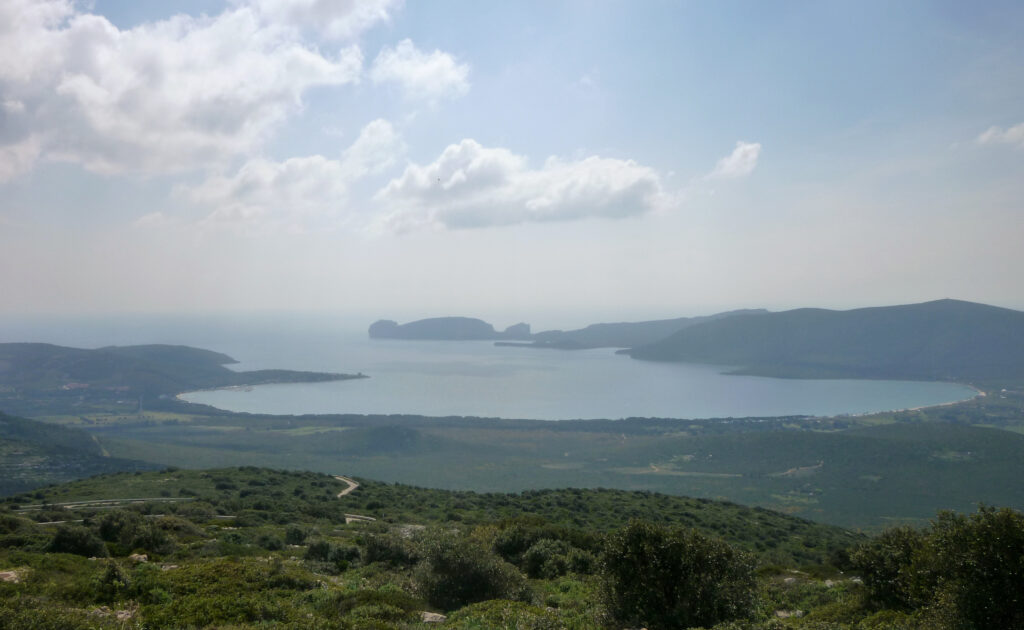
We Sardinians know that our island’s geography reveals its true character only when you venture off the modern dual carriageways. Driving here is an exhilarating experience, but understanding local realities will protect both your peace of mind and your rental deposit.
From a geographic and climatic standpoint, the northwest wind known as the Maestrale (Mistral) dominates life on our island. When gusts surpass 80 to 100 kilometers per hour along open coastal clifftops near Capo Caccia or Capo Testa, wind shear can catch an ajar car door and violently wrench it backward. This bends door hinges and creases exterior body panels in an instant.
Local drivers always grip their door firmly with two hands when parking on exposed coastal headlands. Summer cabin temperatures inside parked cars quickly exceed 50 degrees Celsius under midday sun. Always park facing away from direct sunlight when possible and purchase an inexpensive metallic sunshade for your windshield.
From a logistical standpoint, never rely uncritically on estimated driving times from smartphone GPS navigation. Satellite maps accurately calculate transit along the straight SS 131, but they drastically underestimate the winding curves of mountain highways like the SS 125 Orientale Sarda through the Supramonte.
A 60-kilometer mountain drive can easily take over two hours behind slow trucks or agricultural vehicles. In rural areas of Barbagia and Ogliastra, free-roaming cattle, goats, and Sardinian sheep frequently wander onto blind curves on provincial roads. Approach blind corners at moderate speeds and give animals plenty of room to clear the tarmac.
From a historical and economic perspective, modern vehicular transit transformed Sardinia following the mid-nineteenth-century construction of the Strada Statale 131 under the reign of King Carlo Felice. Before this trunk road unified northern and southern Sardinia, inland journeys required multi-day journeys on horseback across rugged mule tracks. Today, responsible vehicular tourism supports small family wineries, traditional craft workshops, and rural agriturismi that sustain our inland cultural heritage.
FAQ about renting a car in Sardinia
Do you really need a car to visit Sardinia?
Yes. Unless you plan to remain inside a single resort or central Cagliari, renting a car is the only viable way to reach pristine beaches, archaeological ruins, and authentic mountain villages that lack direct public transport connections.
Can you rent a car in Sardinia with a debit card?
Yes, but with restrictions. Major brands require a physical credit card for the deposit hold. Certain agencies allow debit cards with Visa or Mastercard logos, provided you purchase their maximum zero-deductible insurance policy and present a confirmed return flight ticket.
Is an International Driving Permit required for US and UK drivers?
Non-EU drivers (including Americans, Canadians, and Australians) are legally required under the Italian Highway Code (Codice della Strada) to carry an International Driving Permit alongside their valid national driver’s license. Drivers holding UK licenses are currently exempt under reciprocal agreements, but carrying an IDP provides added protection during police checks.
Are there toll roads in Sardinia?
No. Sardinia has zero toll highways (autostrade a pedaggio). All dual-carriageway superstrade and provincial routes are completely toll-free.
Can you take a rental car on ferries to Corsica or surrounding islands?
Taking a rental vehicle onto car ferries to local Sardinian islands like San Pietro (Carloforte) or La Maddalena is generally permitted. Taking a rental vehicle across international waters to French Corsica is prohibited by most rental contracts unless you pay an additional cross-border insurance fee at the counter.
Consulted Official Sources
- Normattiva: Decreto Legislativo 30 aprile 1992, n. 285 – Art. 135 Circolazione con patenti rilasciate da Stati esteri
- Automobile Club d’Italia (ACI): Guida al Codice della Strada: norme di circolazione, patenti e limiti di velocita
- Polizia di Stato: Polizia Stradale: sicurezza stradale, controlli di viabilita e direttive sulle strade italiane
- Regione Autonoma della Sardegna: SardegnaTurismo – Official Regional Tourism and Travel Portal