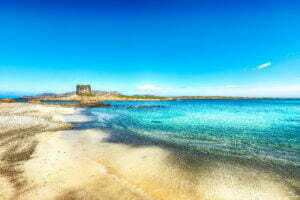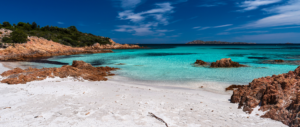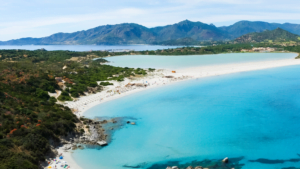

Taking a ferry to Sardinia is the most scenic way to reach our island. It allows you to bring your car and pack without luggage limits.
Why choose the sea over a quick flight? Standing on deck at dawn while Gallura granite cliffs rise from the water is unforgettable. Sailing gives you the freedom to bring your own vehicle. With your car, you can reach hidden coves, mountain villages, and wild beaches that buses never reach.

Choosing the right route requires practical planning. Sardinia is a huge island with rugged mountain ranges. Arriving at the wrong port can add four hours of driving to your day. This guide covers routes, ports, boarding rules, and local advice to help you travel smoothly.
Main ferry routes to Sardinia from mainland Italy and Europe
Multiple shipping lines connect mainland Europe to Sardinia. Your best route depends on where your drive starts and whether you want a day crossing or an overnight cabin.
| Departure Port | Arrival Port | Duration | Frequency | Operators |
|---|---|---|---|---|
| Civitavecchia (Rome) | Olbia | 5h 30m – 8h | Up to 4 daily | Grimaldi Lines, Tirrenia |
| Civitavecchia (Rome) | Porto Torres | 7h 30m – 8h | 2-3 weekly | Grimaldi Lines |
| Civitavecchia (Rome) | Cagliari | 13h – 15h | 3 weekly | Grimaldi Lines |
| Livorno | Olbia | 7h 30m – 9h | 2-4 daily | Grimaldi Lines, Moby Lines |
| Livorno | Golfo Aranci | 7h – 10h | 1-2 daily | Corsica Ferries – Sardinia Ferries |
| Genoa | Olbia | 10h – 12h | 1-2 daily | Moby Lines, GNV |
| Genoa | Porto Torres | 11h – 12h | Daily | GNV, Tirrenia |
| Naples | Cagliari | 15h | 3 weekly | Grimaldi Lines |
| Toulon (France) | Porto Torres | 10h – 14h | Up to 4 weekly | Corsica Ferries |
| Barcelona (Spain) | Porto Torres | 12h – 14h | 2-4 weekly | Grimaldi Lines |
| Bonifacio (Corsica) | Santa Teresa Gallura | 50m | Up to 8 daily | Moby Lines, Ichnusa Lines |
Ferries from Central and Southern Italy: Civitavecchia and Naples
Civitavecchia lies 70 kilometers northwest of Rome. It is the primary maritime hub for central Italy. The Civitavecchia to Olbia route is the fastest crossing from the mainland. Fast day ferries make the trip in 5.5 hours during summer. Standard night crossings usually take around 8 hours.
Direct ferries also link Civitavecchia and Naples with Cagliari. These are overnight sailings taking 13 to 15 hours. Book a private cabin so you wake up rested in the center of the southern capital. Grimaldi Lines also runs routes from Civitavecchia to Arbatax, granting direct access to the Ogliastra coast.
Ferries from Northern Italy: Genoa, Livorno and Piombino
Travelers driving south from Germany, Switzerland, the UK, or northern Italy usually depart from Genoa or Livorno.
Genoa is the classic choice for northern European road trips. Crossings to Olbia and Porto Torres are mostly overnight journeys of 10 to 12 hours. Moby Lines, GNV, and Tirrenia operate large ships with restaurants, cinemas, and play spaces.
Livorno sits on the Tuscan coast and offers shorter sea routes than Genoa. Ferries run regularly to Olbia and Golfo Aranci. Day sailings take roughly 7 to 8 hours, which serves as an excellent budget choice if you prefer to relax on deck and save on cabin costs. Seasonal departures from Piombino take around 5 hours during midsummer.
International ferries from France, Corsica and Spain
Direct international routes make it simple to combine Sardinia with other Mediterranean regions. Grimaldi Lines connects Barcelona to Porto Torres in 12 to 14 hours. This service provides a convenient link between Spain and northern Sardinia.
Corsica Ferries operates routes from Toulon and Nice to Porto Torres. This option is practical for motorists driving through southern France. Island-hoppers can take the ferry between Bonifacio in Corsica and Santa Teresa Gallura in Sardinia. The crossing takes just 50 minutes and runs several times daily from spring to autumn.
Which arrival port in Sardinia should you choose?
Which port should you choose for your stay? Selecting the right arrival harbor is critical when booking a ferry to Sardinia. Our island covers over 24,000 square kilometers, and travel across inland routes takes time.
Olbia and Golfo Aranci: best for Costa Smeralda and Gallura
Book Olbia or Golfo Aranci if your holiday centers on the Costa Smeralda, La Maddalena, San Teodoro, or Budoni. Olbia is our busiest passenger port. It handles multiple arrivals daily at the Isola Bianca dock.
Golfo Aranci sits 18 kilometers northeast of Olbia and offers a smaller harbor terminal. For helpful recommendations on local sights, read our Travel Guide to Olbia.
Porto Torres: gateway to the northwest and Alghero
Porto Torres sits on the northwestern coast inside the Gulf of Asinara. It is the best landing port for visiting Alghero, Stintino, and Sassari.
It also welcomes ships arriving from Genoa, France, and Spain. You can drive from the port gates to Alghero in 35 minutes along the SP42 road.
Cagliari and Arbatax: accessing the southern and eastern coasts
Cagliari is Sardinia historic southern capital. Docking here places you right beside the city center, with quick access to Chia to the southwest and Villasimius to the southeast. Before leaving the city for the beach, check our curated guide on things to do in Cagliari.
Arbatax is a peaceful harbor located beneath the red rocks of Tortolì. It suits travelers looking for hiking trails, mountain villages, and the coves of the Gulf of Orosei.
If you are still deciding where to base your trip, our comparison on whether to pick Sardinia north or south details the beaches, distances, and atmosphere of each coast.
Essential tips for taking a ferry to Sardinia with a car
Bringing a vehicle on a ferry to Sardinia gives you complete travel flexibility. Boarding during the summer season requires advance preparation.
Check-in times and vehicle boarding rules
Arrive at the ferry terminal at least 90 to 120 minutes before departure when traveling with a vehicle. Port roads in Livorno, Civitavecchia, and Genoa see heavy traffic in July and August, so leaving extra time is essential.
- Driver-only boarding: Port safety rules state that only the driver can stay inside the car during boarding. Passengers and children must walk on board through the passenger gangway after passing ticket checks.
- Pack a cabin bag: Vehicle decks are locked during the sailing for security. You cannot return to your car once the boat leaves port. Pack a small backpack with clothes, toiletries, medication, and valuables before driving into the garage.
- Turn off car alarms: Switch off internal motion sensors on your vehicle alarm system. The movement of the ship triggers car alarms constantly, which can drain your vehicle battery.
- Remember your garage floor: Take a photo on your phone of your car deck number, door letter, and staircase color. This simple step saves you from getting lost during disembarkation.
Cabins, pullman seats or deck passage: what to book
Should you book a cabin or save money on deck? Your choice depends on the length and timing of your sailing.
- Deck Passage (Passaggio Ponte): This is the lowest-cost ticket, giving you access to lounges, bars, and open decks. It works well for daytime sailings. For night crossings, finding comfortable rest on public seats can be challenging.
- Reserved Pullman Seats (Poltrone): Reclining armchairs in a dedicated quiet room. They offer a guaranteed seat, though lights may stay on during the night.
- Private Cabins: Highly recommended for any overnight journey. Cabins include beds, clean linen, and a private bathroom with a shower. You can pick inside cabins or outside cabins with a sea-facing porthole. Pet-friendly cabins are also available, but you must reserve them early.
Things to do in Sardinia: top activities

Once your ferry docks, exploring our coastlines and mountain trails by boat or guided tour shows you the finest scenery on the island. Here are six vetted activities:
La Maddalena Archipelago boat tour from Palau
Sail across the protected Maddalena marine park, stopping at the granite bays of Spargi and the turquoise waters of Budelli.
Book the La Maddalena boat tour on GetYourGuide
Gulf of Orosei dinghy cruise from Cala Gonone
Discover the limestone sea cliffs and coves of the east coast, including Cala Luna and Cala Mariolu.
Book the Gulf of Orosei cruise on GetYourGuide
Small group Devil’s Saddle boat tour in Cagliari
A scenic half-day boat trip past the limestone promontory of Sella del Diavolo, with swimming stops and a local aperitif.
Book the Devil’s Saddle boat tour on Viator
Tavolara Island and marine reserve boat tour
Depart from the Olbia area to visit the limestone island of Tavolara and snorkel in the clear shallows of Molara.
Book the Tavolara boat excursion on Viator
Alghero and Palmavera Nuraghe guided tour
Explore ancient stone towers and prehistoric ruins at the Palmavera complex with an informative local guide.
Book the Palmavera Nuraghe tour on GetYourGuide
Traditional handmade Culurgiones cooking class in Cagliari
Learn how to fold traditional Sardinian potato and mint culurgiones pasta in a friendly culinary workshop.
Book the Culurgiones cooking class on GetYourGuide
Getting around: car rental in Sardinia
To explore Sardinia independently, having a personal vehicle is practically essential. If you choose not to bring your own car on the ferry or travel as a foot passenger, hiring a rental car on arrival grants you total independence to tour secluded beaches and mountain roads. You can compare rates across verified suppliers from:
- Olbia Port and Airport: Olbia car rental on Discovercars
- Cagliari Port and Airport: Cagliari car rental on Discovercars
- Alghero and Northwest Sardinia: Alghero car rental on Discovercars
- Island-wide options: Sardinia general car rental on Discovercars
If you prefer exploring quiet coastal routes on two wheels, our article on cycling in Sardinia covers scenic routes, bike hire tips, and road profiles.
Where to sleep in Sardinia: best hotels near the ports
If your ferry arrives late in the evening or departs early in the morning, booking a hotel close to the docks makes your journey easier. Here are four well-rated properties near our main ferry ports:
- Hotel Panorama – Located in central Olbia, offering modern rooms and a rooftop terrace overlooking the harbor – Check availability on Booking.com
- Grand Hotel President – Situated on the Olbia waterfront, offering comfortable rooms with direct access to the ferry docks – Check availability on Booking.com
- Hotel Balai – Overlooking the sea in Porto Torres, located just three minutes by car from the ferry gates – Check availability on Booking.com
- Palazzo Doglio – A refined 5-star hotel in central Cagliari with an inner courtyard, perfect for arrivals at the southern port – Check availability on Booking.com
The local perspective: what Sardinians think
We Sardinians know that taking the ferry connects our island culture to the rest of the world. Understanding our sea winds and inland highways helps you travel with peace of mind.
Geographic and climatic realities: navigating winds and swell
The Mediterranean around Sardinia looks calm on summer postcards, but sea conditions depend on seasonal winds. Our dominant wind is the Maestrale (Mistral), a northwest wind that blows down from France and builds speed across the open sea.
When the Maestrale blows hard, waves rise across the Gulf of Asinara and through the Strait of Bonifacio. Crossings into Porto Torres from Genoa, Toulon, or Barcelona often encounter rougher seas during these conditions.
In contrast, routes heading to Olbia and Golfo Aranci from Civitavecchia or Livorno travel down the eastern coast of Corsica through the Tyrrhenian Sea. This body of water stays sheltered from westerly winds. If you suffer from seasickness, booking an eastern crossing to Olbia provides a much gentler journey.
Logistics and driving realities: navigating Sardinian highways
Visitors often underestimate driving times after leaving the port. Sardinia has no toll motorways. Our main expressways are four-lane dual carriageways: the SS131 Carlo Felice, running 230 kilometers from Porto Torres to Cagliari, and the SS131 DCN, which links central Sardinia with Olbia.
These roads are free of tolls and well-paved, but rural sections have few petrol stations. Driving from Olbia to the southern beaches of Chia takes about three and a half hours without pauses.
Port roads at Olbia Isola Bianca face heavy queues on July and August weekends when several large ships dock at the same time. Allow at least 45 extra minutes to clear port traffic in high summer. If you want to visit during a quieter season, our guide to Sardinia in November explains local weather and open attractions.
Historical and economic context: the lifeline of territorial continuity
For generations, the principle of territorial continuity (continuità territoriale) has supported our island community. Before regular commercial flights expanded in the 1960s, state passenger ships run by Tirrenia provided the main link between the mainland and Sardinian towns.
The introduction of modern roll-on roll-off ferries transformed our economy. They opened the island to international travelers and allowed local farmers, wine producers, and artisans to transport goods directly to continental markets.
Today, ferries transport more than 5 million passengers every year through Sardinian ports, according to the Sardinia Port Network Authority. For Sardinian families returning from work or study on the mainland, hearing the ship horn ring out over the harbor of Olbia or Cagliari remains the sweetest sign of being home.
FAQ about taking a ferry to Sardinia
How long does the ferry to Sardinia take?
Crossing times vary between 50 minutes and 15 hours. The shortest crossing connects Bonifacio in Corsica to Santa Teresa Gallura in 50 minutes. From the Italian mainland, Civitavecchia to Olbia is the fastest route, taking 5.5 to 8 hours. Livorno to Olbia takes 7 to 9 hours, while overnight sailings from Genoa or Naples take 10 to 15 hours.
Where do ferries to Sardinia depart from in Italy?
Mainland ferries leave from Civitavecchia (Rome), Livorno, Genoa, Naples, and Piombino. Seasonal ferries also connect Palermo in Sicily to Cagliari.
Which port in Sardinia is best to arrive at?
Match your arrival port with your holiday base. Pick Olbia or Golfo Aranci for Gallura, San Teodoro, and Costa Smeralda. Head to Porto Torres for Alghero, Stintino, and the northwest. Travel to Cagliari for southern beaches like Chia and Villasimius. Choose Arbatax for Ogliastra and hiking in the Gennargentu.
How much does a ferry to Sardinia cost with a car?
Ticket prices change based on season and booking dates. In spring and autumn, a one-way ticket for two people and a standard car costs between 70 and 150 euros. In July and August, that price rises to between 250 and 600 euros each way, especially if you add an overnight cabin. Booking two to four months ahead secures the best rates.
Can you sleep in your car during the ferry crossing?
No. International maritime safety rules forbid passengers from staying on car decks during the journey. Vehicle garages are locked and checked by crew members throughout the crossing. You must bring personal items upstairs and use a cabin, an airline-style pullman seat, or public lounges.
Official sources and maritime authorities
- Autorità di Sistema Portuale del Mare di Sardegna: Port statistics and passenger terminal regulations (adspmaredisardegna.it)
- Regione Autonoma della Sardegna: Assessorato dei Trasporti – Island territorial continuity framework (regione.sardegna.it)
- Corpo delle Capitanerie di Porto – Guardia Costiera: Maritime navigation and passenger safety rules (guardiacostiera.gov.it)