Pink flamingos in Sardinia can be spotted all year round, not just in postcards. They live permanently in the island’s lagoons, from Molentargius near Cagliari all the way to the wetlands of Oristano and San Teodoro, and with a bit of planning they are genuinely easy to find. This guide covers where to look for them area by area, when your chances are highest, and how to behave so you don’t disturb them.
When to see pink flamingos in Sardinia
No need to panic if you’re not arriving in June. Flamingos are present in Sardinia twelve months a year, with part of the population now settled year round near Cagliari. What changes is how visible they are and how many you’ll see.
Spring and summer, the nesting season
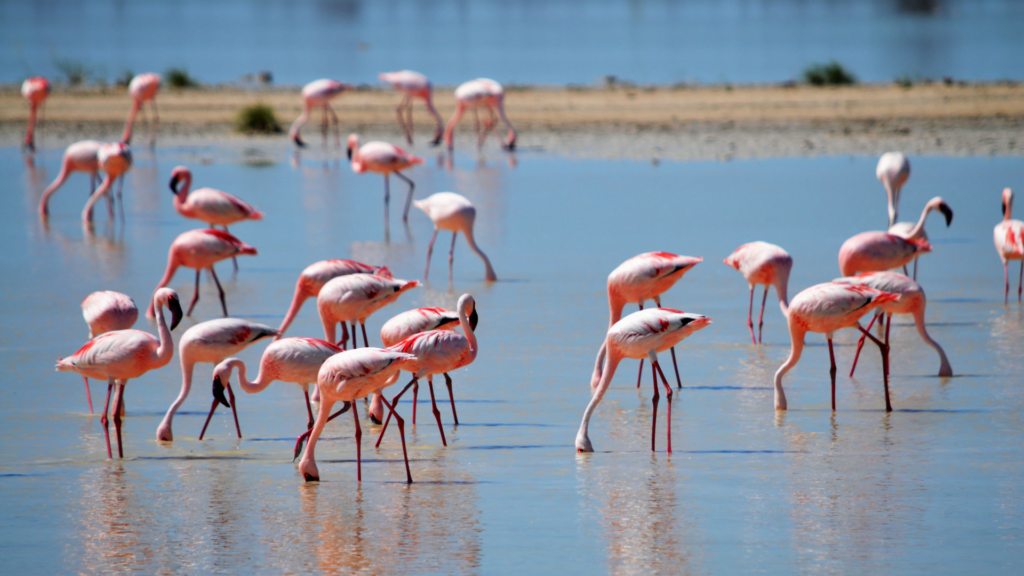
Between April and September the colonies grow larger and more active. This is nesting season: nest building, courtship, then grey chicks starting to move between the shallows. The first weeks of June remain the most photogenic moment, when the whole area turns pink. Online searches for this topic follow exactly this pattern, peaking between May and July.
Autumn and winter, quieter but constant
From October to March the groups are smaller and more scattered, but they don’t disappear. At Molentargius and Santa Gilla, where the colony has nested steadily since 1993, flamingos stay visible all winter. It’s actually the best time for anyone looking for peace and quiet, without the heat and crowds of August.
Where to see pink flamingos in Sardinia: area by area
Here’s the practical part. Each area has different characteristics in terms of accessibility, parking and distance from the sea.
Cagliari, Stagno di Molentargius and Santa Gilla
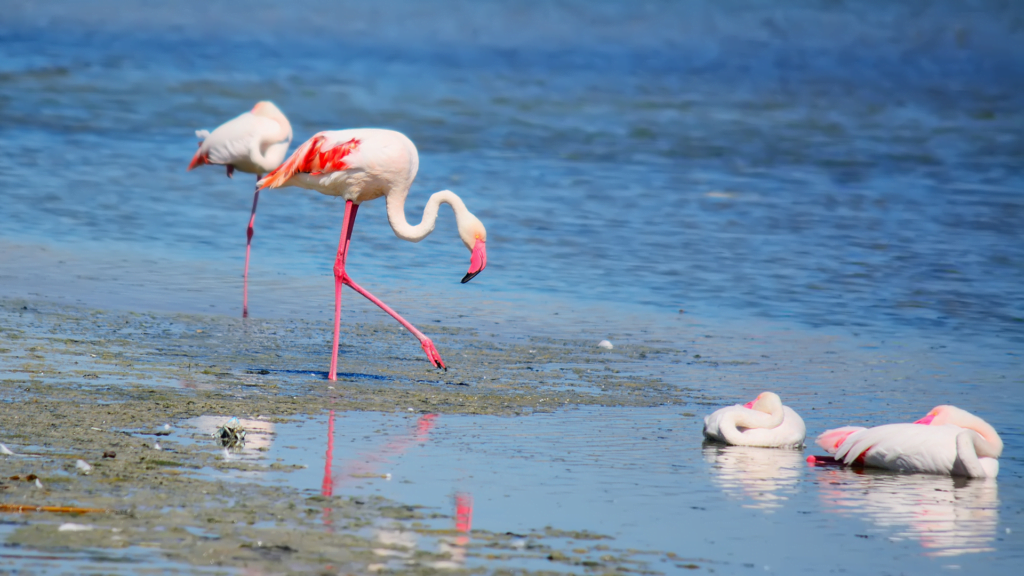
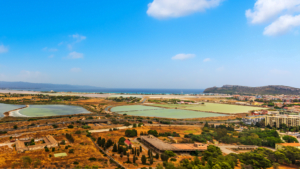
The Molentargius-Saline Nature Park is the easiest spot for anyone who doesn’t want to travel far from the city. It sits just a few kilometres from the centre and from Poetto beach, with official observation trails, birdwatching hides and electric minibuses that reach the protected areas where the flamingos actually nest. The name comes from the Sardinian word molenti, the donkeys once used to carry salt from the old salt pans.
A few minutes’ drive away, the Stagno di Santa Gilla offers a wilder, less structured experience, with one of the largest wetlands in Europe.
Oristano, Stagno di Cabras and S’Ena Arrubia
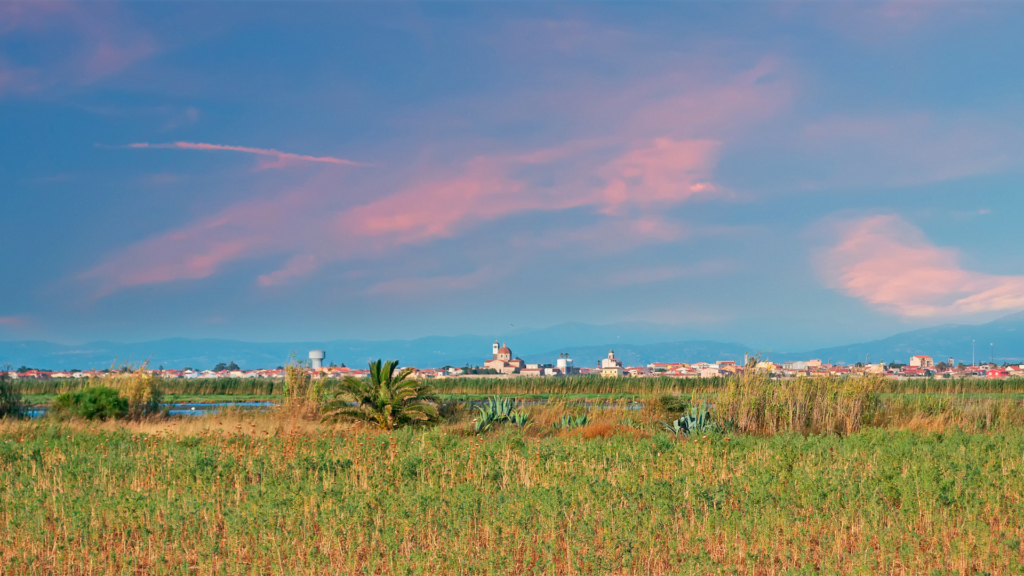
On the Sinis peninsula, Stagno di Cabras and the connected wetlands (Mistras, S’Ena Arrubia, Sale ‘e Porcus) host entire flamingo populations. It’s an internationally recognised Ramsar Convention site, less crowded by classic beach tourism and therefore more authentic for anyone after birdwatching without the crowds. Oristano itself is well worth a stop too.
Villasimius, Porto Giunco and Stagno di Notteri
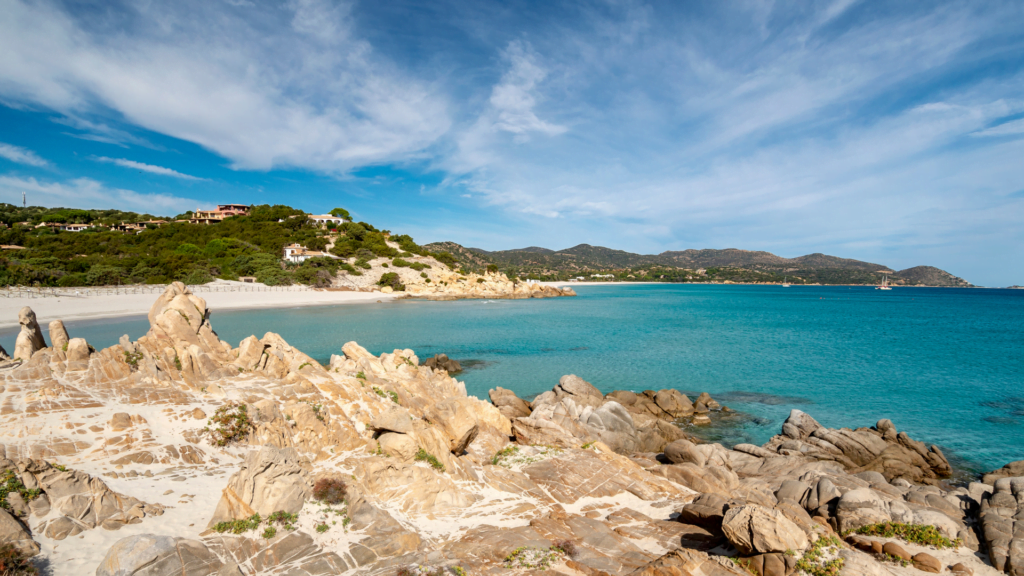
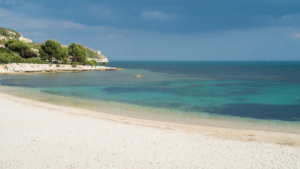
This is a genuinely unique combination: crystal clear sea on one side, Notteri lagoon on the other, separated by a thin strip of sand. It’s the so called flamingo beach, and a wooden boardwalk lets you walk alongside the lagoon without disturbing the colony. Worth knowing: the road doesn’t reach all the way to the end, the last stretch is on foot, by bike or on horseback. For more on the area, see our guide to Villasimius.
San Teodoro, the lagoon and its flamingos
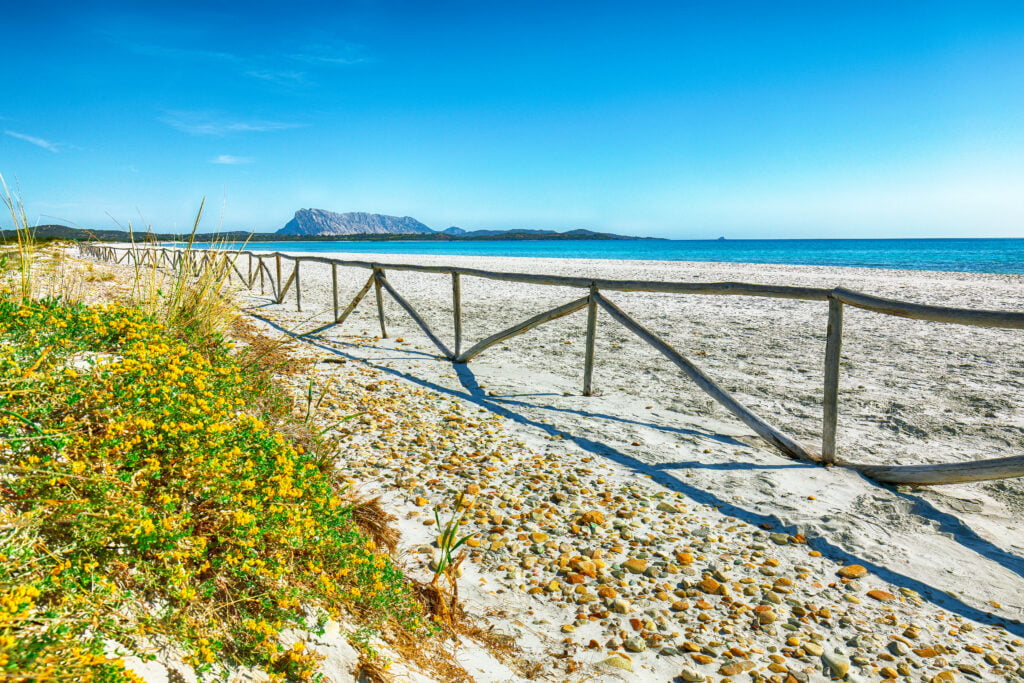
The San Teodoro lagoon, behind La Cinta beach, is another spot where flamingos are seen regularly, especially during the cooler hours of the day.
Other areas, Alghero, Stintino and Carloforte
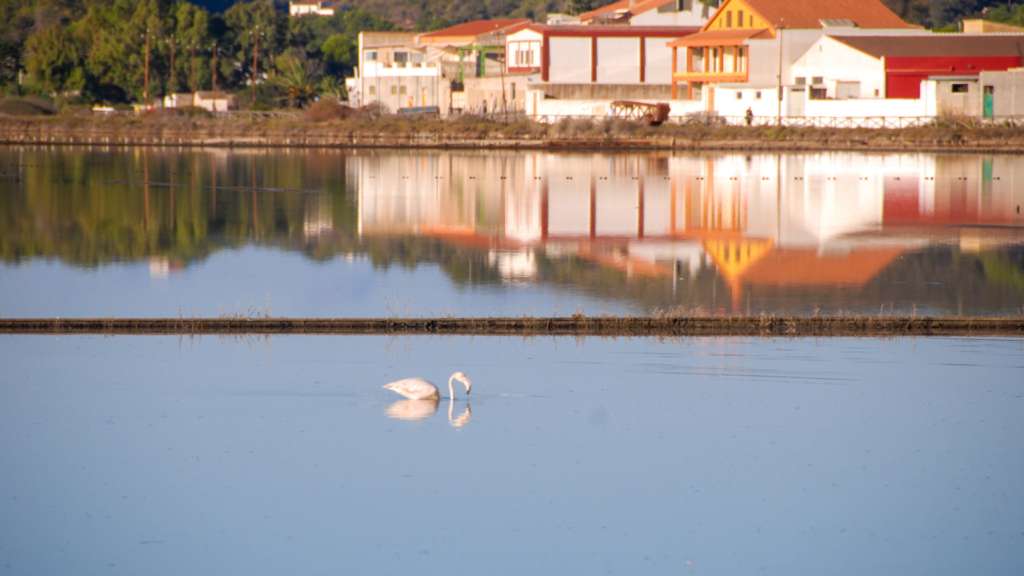
Less well known but just as worthwhile: the Stagno di Calich near Alghero, the Stagno di Pilo between Stintino and the Gulf of Asinara, and the salt pans of Carloforte on the island of San Pietro, where flamingos move between the basins creating striking colour effects.
How to watch them without disturbing them
Flamingos are sociable with each other but very shy around people. It doesn’t take much to startle them, and when it happens the whole colony moves together, at a real energy cost for the animals. A few simple rules.
- Always keep a safe distance, binoculars are better than getting closer
- Avoid bright colours, muted clothing works best
- In protected areas like Molentargius, stick to the marked trails
- Don’t fly a drone without authorisation, it seriously disturbs birdlife
- Early morning and sunset offer the best light and the most active animals
In my experience, whoever arrives quietly and waits sees far more than someone rushing around chasing the perfect shot.
Why flamingos are pink, and other curiosities
The colour isn’t innate. Flamingos are born grey and turn pink by feeding on tiny crustaceans like Artemia salina, rich in a carotenoid pigment that builds up in their feathers. The more colourful an individual is, the more attractive it becomes to a potential mate, so the colour becomes a real indicator of health.
In Sardinian we call them sa genti arrubia, the red people. A name that says a lot about how long these birds have been part of the island’s landscape, generations before they became a postcard subject.
Things to do in Cagliari and around: recommended activities
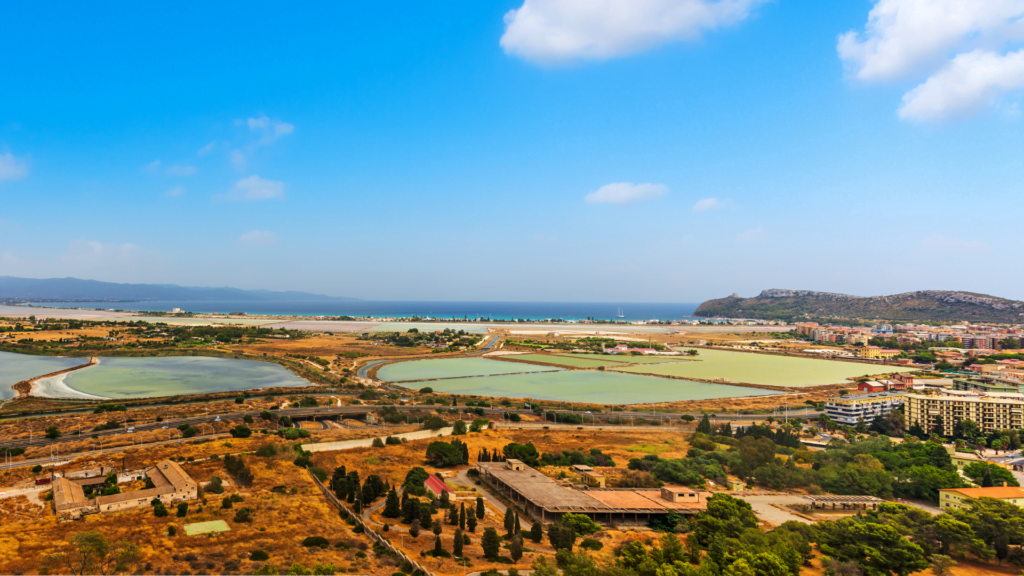
If you want to see the flamingos up close with an experienced guide, here are a few verified experiences, from the most affordable to the most exclusive.
E-bike tour in Cagliari: canals and flamingos at Molentargius
An electric bike ride through the park all the way to the Poetto seafront, the most affordable and active option.
Book on GetYourGuide
Cagliari: EcoSafari flamingo minibus tour of the Molentargius park
The official park tour, the only one with access to the protected areas, with licensed nature guides and binoculars provided.
Book on GetYourGuide
Segway tour of the Molentargius Nature Park with coffee
Combines the park visit with a coffee break in the Castello district, an original premium option.
Book on GetYourGuide
Cagliari Old Town and the Oasis of Flamingos, Segway tour
Historic centre and the flamingo oasis in a single experience, ideal if you’re short on time.
Book on Viator
Tuk Tuk tour of Cagliari’s old town with flamingo spotting
A budget friendly alternative to the classic tour, four historic districts plus a stop at the park.
Book on Viator
From Cagliari: 4×4 tour to Villasimius between beaches and flamingos
A full day between Porto Giunco and Cala Sinzias beaches, with flamingo sightings along the way. The most adventurous and complete option.
Book on GetYourGuide
Getting around: car rental for reaching the lagoons
The flamingo lagoons are scattered right across the island, and public transport only partially covers these areas. If you’re aiming to visit several sites on the same trip, say Cagliari and Villasimius, or Oristano and San Teodoro, a rental car makes everything easier and leaves you free to head out at dawn, the best time for spotting them.
You can compare prices and book directly here:
- Cagliari Airport, convenient for Molentargius, Santa Gilla and Villasimius: Discovercars Cagliari
- Olbia Airport, convenient for San Teodoro: Discovercars Olbia
- Sardinia in general, useful if your trip covers several areas including Oristano and Alghero: Discovercars Sardinia
Where to sleep near the flamingo lagoons
A few properties selected for location, handy for an early morning outing without a long drive.
- Hotel Poetto, Cagliari, steps from the beach and a kilometre from Molentargius Park. View on Booking.com
- Laguna Blu, San Teodoro, close to the lagoon and La Cinta beach. View on Booking.com
- Villa Giunco, Villasimius, about 50 metres from the Notteri lagoon. View on Booking.com
- Su Fassoi, Cabras, a good base for exploring the wetlands around Oristano. View on Booking.com
The local perspective: what Sardinians think
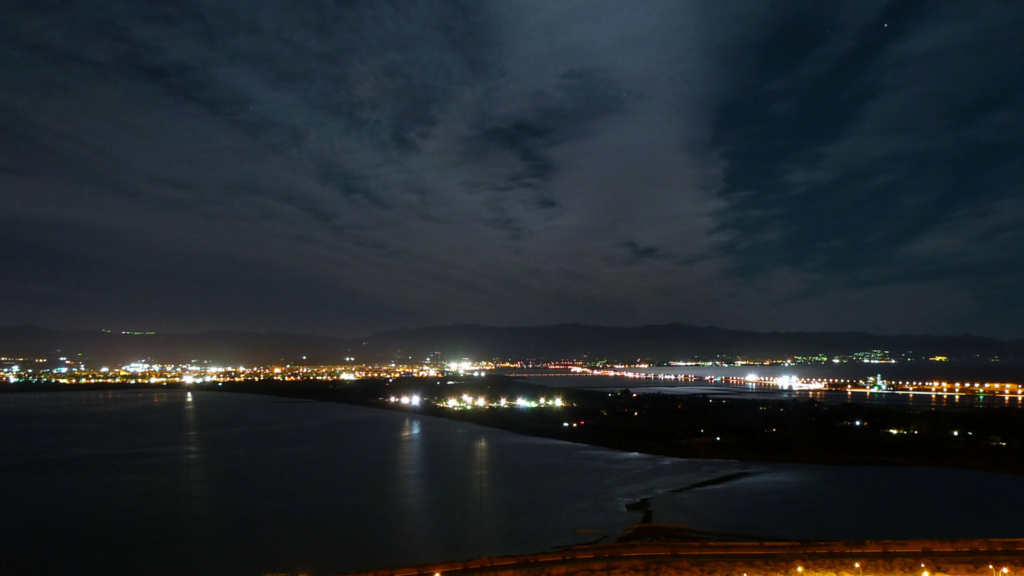
Those who live here know that flamingos aren’t some rare event to chase down with tourist anxiety, they’re an almost everyday presence. In Cagliari, it’s common to spot them just driving along the Asse Mediano di Scorrimento, when the car window happens to run alongside the lagoon.
Logistically, Molentargius remains the most convenient site because it has organised parking and paths that are accessible even without your own car, with city buses stopping near the entrance. Villasimius and Oristano, on the other hand, almost always require your own transport, since the lagoons sit away from the town centres.
On the historical side, a verifiable fact rather than hearsay: the Molentargius colony has nested steadily since 1993, after decades in which flamingos were present only as a migratory species passing through. That was a direct result of environmental protection policies for the wetland, not a lucky accident.
In August, to be honest, Porto Giunco can get very crowded, and the flamingos tend to move toward the quieter, more inland parts of the lagoon, where they’re harder to see from the beach. Anyone after the best viewing would do well to avoid the middle of the day during peak season.
FAQ about pink flamingos in Sardinia
When is the best time to see pink flamingos in Sardinia?
Between April and September, with a peak in the first weeks of June during nesting season. They’re visible year round though, especially near Cagliari where the colony is now settled.
Where can I see pink flamingos near Cagliari?
At the Molentargius-Saline Nature Park and at Stagno di Santa Gilla, both reachable in a few minutes from the city centre.
Are pink flamingos in Sardinia present all year?
Yes, part of the population is now settled year round, especially at Molentargius. In winter the groups are smaller but still observable.
Why are flamingos pink?
Because of the pigment in the tiny crustaceans they feed on, such as Artemia salina. The colour intensifies with age and with a diet rich in these organisms.
Can you see flamingos at Poetto beach?
Not directly on the beach. The best observation point near Poetto is Molentargius Park, just a few minutes away.
Sources
- SardegnaTurismo, official tourism website of the Sardinia Region
- Parco Naturale Regionale Molentargius-Saline
- Idealista News, travel section
- Ubersuggest, search data as of August 2026