Snorkeling in Sardinia is less about ticking off a list and more about picking the right stretch of coast for the day. The island has nearly 2,000 kilometers of shoreline, and a good chunk of it sits inside marine protected areas where fish have never learned to be afraid of people.
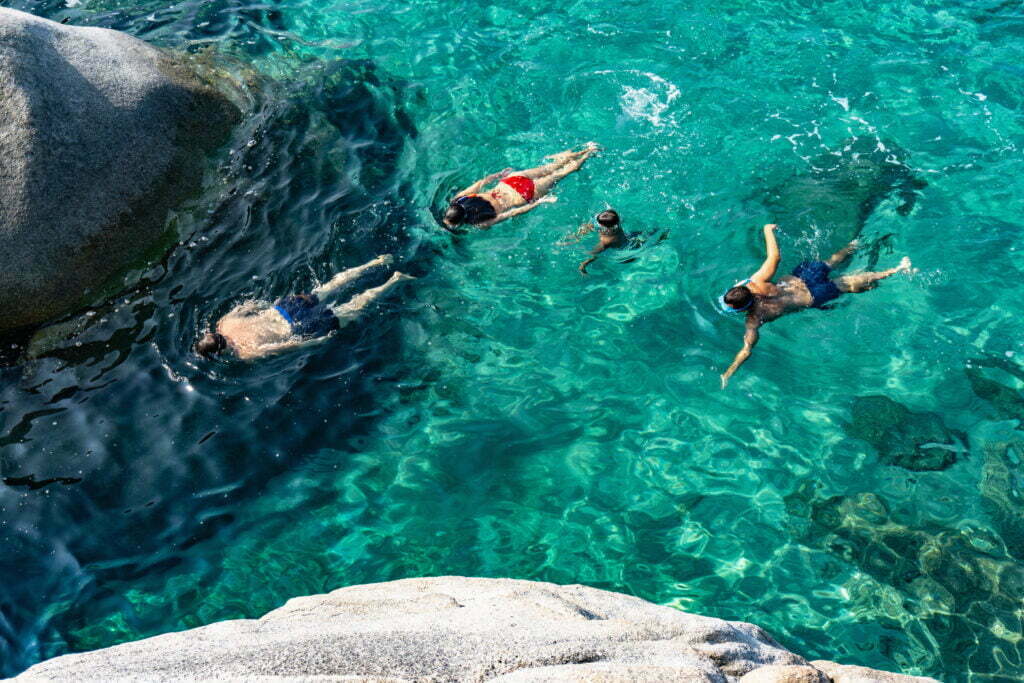
Some spots you reach on foot with a mask and fins in your backpack. Others only open up if you get on a boat, and a few sit far enough from a road that you need to plan the whole day around them. Below is a local’s shortlist of the ten that consistently deliver, plus the practical bits: when to go, how to get there, and what the water is actually like once you are in it.
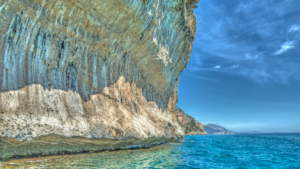
Why does the same island produce such different snorkeling depending on the coast? Mostly geology and exposure. The east coast, around the Golfo di Orosei, is limestone cliff dropping straight into deep water, which means dramatic caves but also less shallow, easy-access snorkeling. The northeast and south, around La Maddalena and Capo Carbonara, are granite, with more gently sloping seabeds and extensive Posidonia meadows. That difference shapes almost everything below: where you can walk in from the beach, and where you genuinely need a boat.
Best snorkeling spots in Sardinia
1. La Maddalena Archipelago
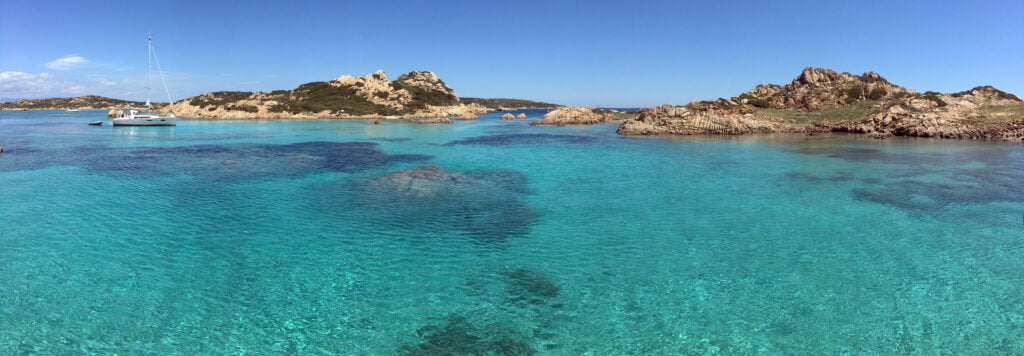
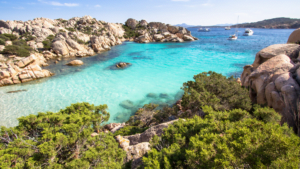
The La Maddalena Archipelago is the benchmark for a reason. Fishing has been banned across most of the protected seabed since the national park was created, so the fish here behave differently than elsewhere on the island. Punta Tegge, Cala Spalmatore and Cala Francese are all accessible straight from the shore on the main island of La Maddalena, which makes this a good entry point if you do not want to book a boat on day one. Further out, between Budelli and Santa Maria, the water turns almost lagoon shallow. Bring reef shoes: much of the seabed here is granite boulders rather than sand.
2. Cala Coticcio, Caprera
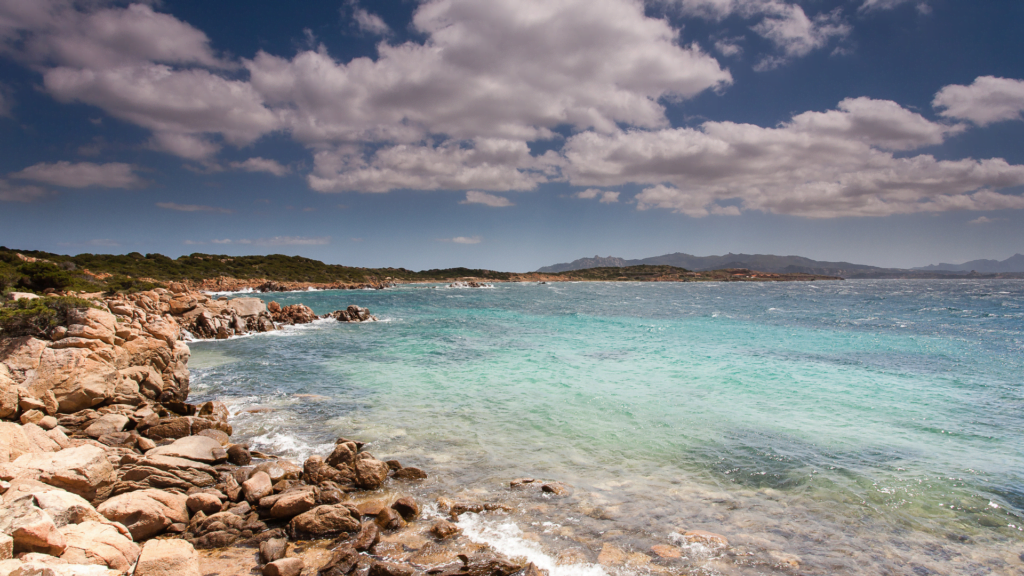
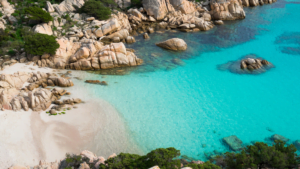
Locals sometimes call this one “Tahiti,” which tells you something about the color of the water. Cala Coticcio sits on the island of Caprera, reachable by a hiking trail or, more comfortably, by boat from Palau. The cove is small and rocky at the edges, with a sandy patch in the middle that drops off gently. It gets crowded fast in July and August because access is limited, so an early morning or a late afternoon session makes a real difference here.
3, 4, 5, 6. Golfo di Orosei: Cala Luna, Cala Mariolu, Cala Goloritzè, Cala Sisine
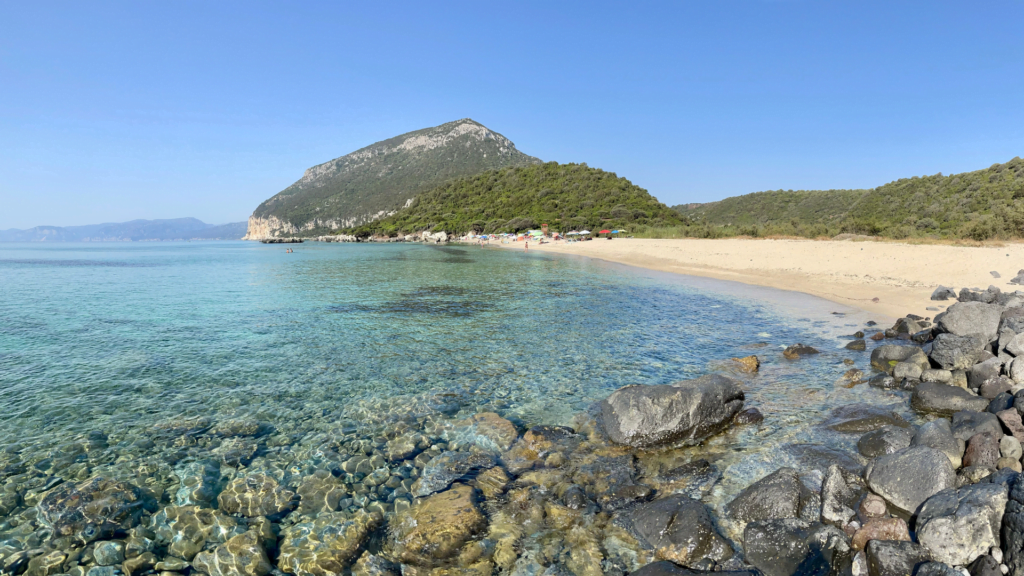
The Golfo di Orosei is where Sardinia’s snorkeling reputation was really built. Four coves along this stretch of coast are worth building a day around.
- Cala Luna has caves cut into the cliffs right at the waterline, and you can swim into some of them.
- Cala Mariolu is famous for its pebbles that turn almost white underwater, which bounces light back up and makes the sea look lit from below.
- Cala Goloritzè is a UNESCO-listed geological monument. The beach itself is protected and numbers are capped in high season, but the snorkeling around the rock spire just offshore is worth the walk in.
- Cala Sisine is quieter than the other three simply because it takes longer to reach, either by a long hike down a canyon or by boat.
None of these four has road access. That single fact does more to protect the water quality here than any sign ever could.
7. Capo Carbonara, Isola dei Cavoli and Serpentara
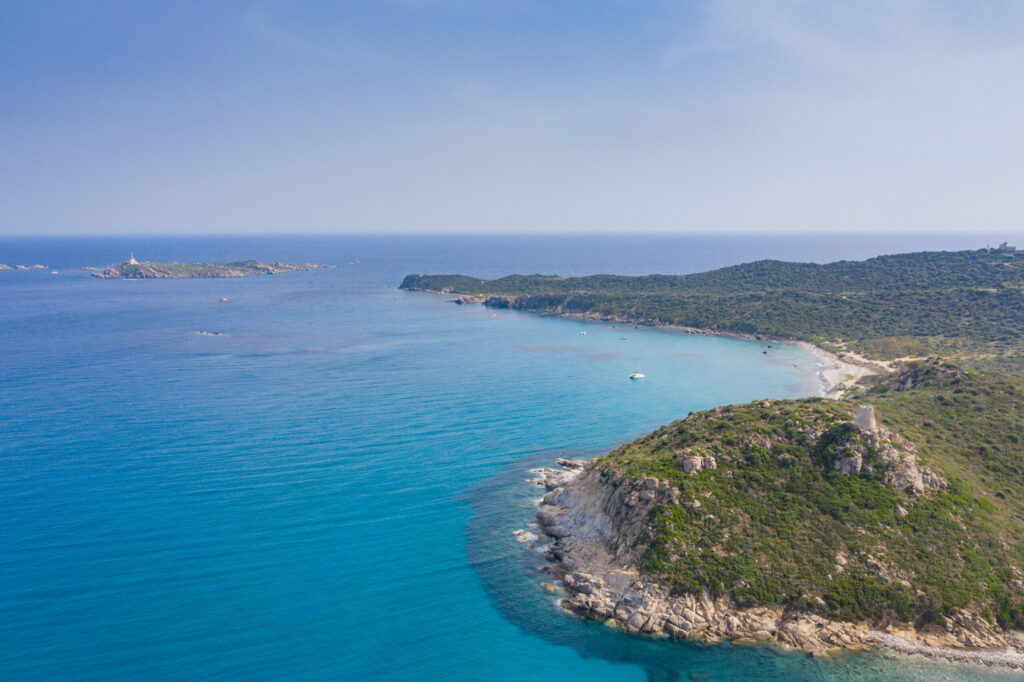
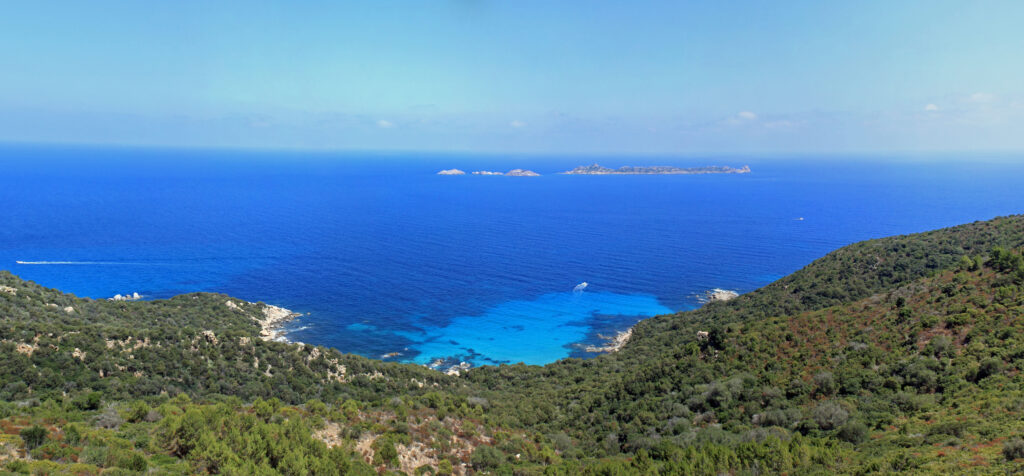
On the southeastern tip of the island, Capo Carbonara forms a marine protected area that wraps around the small islands of Isola dei Cavoli and Serpentara. Extensive Posidonia oceanica meadows grow here, and that seagrass is doing most of the work keeping the water so clear. Expect groupers, damselfish and, if you are patient, the occasional loggerhead turtle passing through. Boat access gets you to the best patches; shore snorkeling from Villasimius beaches is a reasonable second option if you are not up for a tour.
8. Cala Brandinchi, San Teodoro
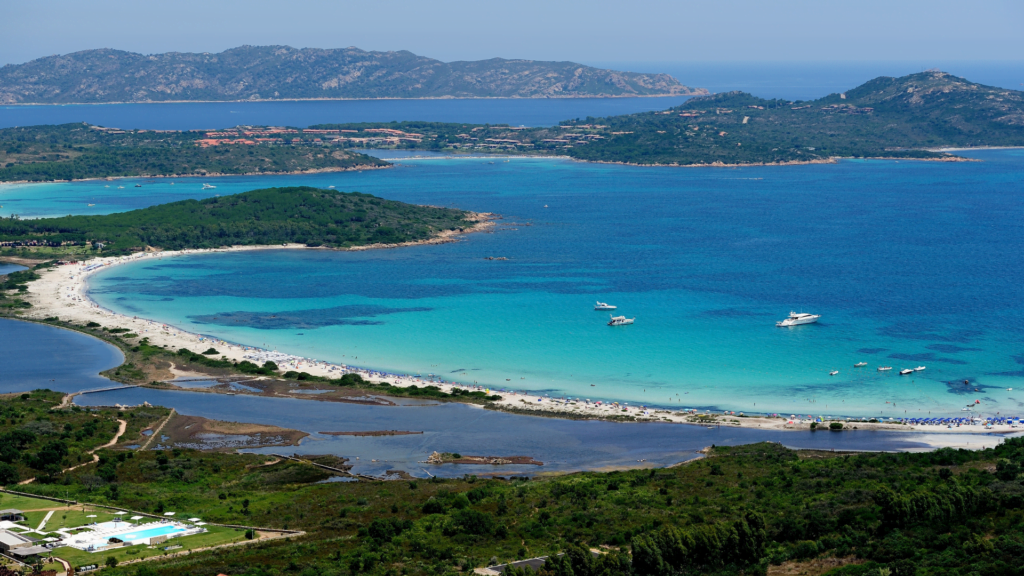
Cala Brandinchi, near San Teodoro, is nicknamed “little Tahiti” too, which shows how much the northeast coast likes that comparison. It is shallow and sandy, which makes it an easy, low-stress spot for beginners or for snorkeling with kids. The marine life is modest compared to the protected areas further south, mostly small schools of sea bream and the occasional flounder camouflaged in the sand, but the visibility on a calm day is hard to beat.
9. Porto Conte and Capo Caccia, Alghero
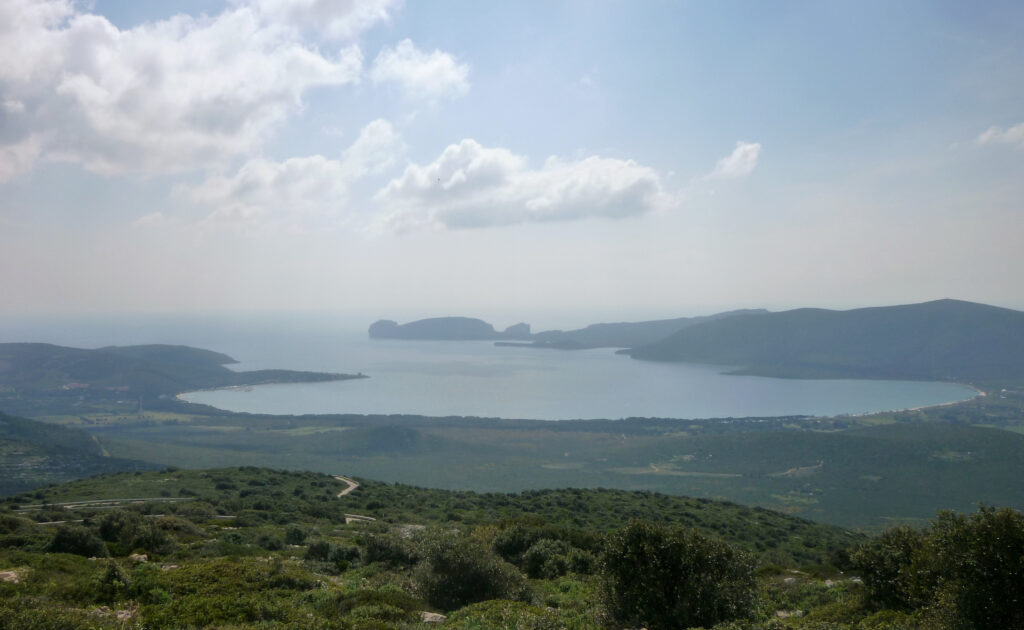
On the northwest coast, the Porto Conte Natural Park and the cliffs of Capo Caccia are reachable only by sea for the best coves. This side of the island faces different currents than the east coast, so the water tends to run a few degrees cooler even in summer. The payoff is a rockier, more dramatic underwater landscape, with small caves and swim-throughs along the base of the cliffs.
10. Tavolara and Molara, Olbia
Just off the coast near Olbia, the limestone islands of Tavolara and Molara sit inside a marine protected area with steep underwater walls. It is one of the few spots on this list where you might see larger pelagic fish passing along the drop-offs, not just the usual coastal species. A short boat ride from Olbia or San Teodoro gets you there in under half an hour.
Marine life and best time to snorkel
The water around Sardinia stays swimmable roughly from May to October, with temperatures generally sitting between 18 and 26 degrees depending on the month and the coast. July and August are the warmest but also the busiest, especially at the boat-only coves in the Golfo di Orosei. If crowds bother you more than a slightly cooler sea, June or September are worth considering.
Underwater, expect a fairly consistent Mediterranean cast: dusky groupers patrolling rocky ledges, damselfish and salema in loose schools, octopuses tucked into crevices, and starfish on sandy patches. Posidonia oceanica meadows, the underwater grass beds that cover much of the seabed in the protected areas, are not just scenery. They are one of the main reasons the water stays so clear, since the meadows trap sediment and produce oxygen. Loggerhead turtles do pass through Sardinian waters, particularly around the southern marine reserves, though sightings are never guaranteed.
A wetsuit is not strictly necessary in July or August, when surface temperatures climb toward the high 20s, but a thin shorty helps in May, June, September and October, when the water can still sit closer to 18 or 20 degrees, especially early in the morning before the sun has had time to warm the top layer. Visibility tends to be best on calm, windless days, which is not the same as sunny days. A bright sky with a stiff Maestrale blowing can still churn up enough sediment near the shore to cut visibility in half.
Things to do: snorkeling tours in Sardinia
Shore snorkeling covers a lot of ground, but several of the best coves are only reachable by boat, and a guided tour also means someone else deals with parking, permits and finding the actual good spots rather than the first rock you stumble on. Here are six tours worth booking, one for each area covered above.
Villasimius: Capo Carbonara Boat and Snorkeling Tour
A marine biologist leads this trip around the Capo Carbonara protected area, with stops for snorkeling near Isola dei Cavoli and Serpentara.
Santa Maria Navarrese: Cala Goloritzè and Mariolu Boat Tour
Covers Cala Goloritzè and Cala Mariolu by dinghy, which solves the access problem for two of the Golfo di Orosei’s best coves in one outing.
Olbia: Tavolara and Molara Snorkeling Boat Tour
A short, focused trip out to the Tavolara marine reserve, good if you are based around Olbia or San Teodoro and only have half a day.
Alghero: Boat Tour and Snorkeling with Aperitif, Porto Conte
Small group RIB boat tour through the Porto Conte Natural Park, with stops in coves you cannot reach on foot, and a Sardinian aperitif on board.
La Maddalena Archipelago Boat Tour
A full day among the islands of the archipelago, with multiple swim stops. Good option if you want to sample several spots in the park rather than commit to just one.
Sardinia: Morning Kayak Tour with Snorkeling and Local Aperitif
Based around San Teodoro and Golfo Aranci, this one mixes kayaking with a snorkeling stop in a quiet bay, ending with Sardinian snacks on the water. A gentler pace if a full boat day sounds like too much.
Getting around: car rental in Sardinia
Look at the list above again: half of these spots are nowhere near a train line or a bus stop. Cala Sisine, Cala Coticcio and the Alghero coves all require driving to a trailhead or a marina before you even get on a boat. A car is not optional if you want to string together more than one or two spots in a trip, and public transport along the Golfo di Orosei coast is close to nonexistent.
If you are flying into the northeast, renting from Olbia airport puts you closest to San Teodoro, La Maddalena and the northern access points to the Golfo di Orosei. Landing in the south, Cagliari airport is the better base for Villasimius and Capo Carbonara. For the Alghero coves and Porto Conte, pick up from Alghero airport directly.
If your trip spans more than one coast, for example a few days near the Golfo di Orosei followed by a stop in the south, a general Sardinia rental link lets you compare pickup and drop-off combinations across airports rather than being locked into a single depot. Comparing a few operators before you book usually turns up a noticeably cheaper option than the first result that comes up, and having your own car also means you are not stuck waiting for a bus back from a beach at sunset, since most of these coves have no public transport at all after the last tour boat leaves.
Where to sleep near the best snorkeling spots
Where you base yourself depends mostly on which coast you are prioritizing. If the Golfo di Orosei, La Maddalena and the northeast coves are the plan, our guide to where to stay in northern Sardinia breaks down the best towns for that stretch. For Capo Carbonara, Villasimius and the southern marine reserves, the where to stay in south Sardinia guide covers the options closer to Cagliari and the southeast coast. Either way, staying within a 30 to 40 minute drive of your target coves saves a lot of early mornings lost to traffic.
The local perspective: what Sardinians think
We grew up with these coves as the default weekend plan, not a bucket list item, and that changes how you read the postcard photos. A few things worth knowing before you go.
The wind decides your day more than anything else. The Maestrale blowing from the northwest and the Scirocco from the southeast can turn a flat, clear morning into a choppy, sediment-stirred afternoon within a couple of hours, especially on the exposed western and southeastern coasts. Boat operators cancel or reroute trips around this constantly, and it is not a sign of a bad tour, it is just how the coast works. If your first-choice cove looks murky, ask locally whether a spot on the opposite side of the island might be calmer that day.
The crowded-beach photos from Instagram are real, but they are almost always taken in the first two or three hours of the morning at the boat-only coves in July and August. By midday, Cala Mariolu or Cala Goloritzè can genuinely feel packed shore to shore. Arriving on an early departure, or choosing a shore-access spot like Cala Brandinchi instead, avoids most of that. The water clarity itself does not really suffer from crowding, but the peaceful, empty-beach feeling in the photos usually does not match the reality of an August afternoon.
Parking at the trailheads for the boat-free coves, Cala Sisine included, fills up early in summer, sometimes by mid-morning. If a boat tour is not for you and you would rather hike in, plan to arrive before nine. It is a small detail, but it is the difference between a relaxed morning and turning around at a full car park an hour from where you wanted to be.
FAQ about snorkeling in Sardinia
What is the best time of year for snorkeling in Sardinia?
May through October generally works, with water temperatures around 18 to 26 degrees. June and September offer a good balance of warm water and smaller crowds.
Do you need a boat to go snorkeling in Sardinia, or can you snorkel from the shore?
Both work depending on the spot. La Maddalena, Cala Brandinchi and parts of Porto Conte are accessible on foot. Cala Mariolu, Cala Goloritzè, Cala Sisine and most of the Golfo di Orosei coves require either a boat or a long hike.
What marine life can you see while snorkeling in Sardinia?
Dusky groupers, damselfish, salema, octopuses, starfish and, occasionally, loggerhead turtles, particularly around the southern marine protected areas.
Is snorkeling in Sardinia suitable for beginners and kids?
Yes, especially at shallow, sandy spots like Cala Brandinchi or the shore access points at La Maddalena. The boat-only coves in the Golfo di Orosei are better suited to confident swimmers.
What snorkeling gear do you need for Sardinia?
A mask, snorkel and fins cover most spots. Reef shoes are genuinely useful at rocky coves like La Maddalena and the Alghero coastline, where the seabed is boulders rather than sand.
Are there marine protected areas with rules for snorkelers?
Yes. Capo Carbonara, La Maddalena and the Capo Caccia area near Alghero are all protected zones with restrictions on anchoring, fishing and, in some cases, access numbers during peak season. Local tour operators are familiar with the current rules for each zone.
Sources
- Area Marina Protetta di Capo Carbonara, official park information
- Parco Nazionale dell’Arcipelago di La Maddalena, official park information
- Area Marina Protetta Capo Caccia – Isola Piana, official park information
- Comune di Baunei, official information on access rules for Golfo di Orosei coves including Cala Goloritzè and Cala Mariolu