
If you’re planning a trip to Sardinia and wondering when the sea is actually warm enough to swim, the answer depends on the month and the coast. The water here follows a clear seasonal rhythm, and knowing it in advance makes the difference between a perfect beach holiday and a cold surprise.
Sea temperature in Sardinia: overview by coast
The island has three distinct coastlines, each with its own temperature pattern. The south (Cagliari, Villasimius, Costa Rei) is consistently the warmest. The north-east (Olbia, San Teodoro, Golfo di Orosei) is close behind. The north-west (Alghero, Stintino) tends to run slightly cooler in summer, mainly because the Maestrale wind hits this side harder and can lower the perceived temperature even in August.
The table below shows historical monthly averages based on multi-year data from the three main reference points:
| Month | Cagliari (South) | Olbia (North-East) | Alghero (North-West) | Sardinia avg | Swimming? |
|---|---|---|---|---|---|
| January | 15.0°C | 14.2°C | 14.4°C | 14.5°C | No |
| February | 14.2°C | 13.8°C | 13.3°C | 13.8°C | No |
| March | 14.3°C | 14.0°C | 13.9°C | 14.1°C | No |
| April | 15.5°C | 15.1°C | 15.6°C | 15.4°C | No |
| May | 18.0°C | 17.6°C | 18.3°C | 18.0°C | Possible |
| June | 21.7°C | 21.4°C | 22.2°C | 21.8°C | Yes |
| July | 25.0°C | 23.9°C | 23.3°C | 24.1°C | Excellent |
| August | 26.3°C | 24.4°C | 24.4°C | 25.0°C | Excellent |
| September | 25.0°C | 23.9°C | 23.9°C | 24.3°C | Excellent |
| October | 22.2°C | 21.4°C | 21.7°C | 21.8°C | Yes |
| November | 19.4°C | 18.9°C | 19.4°C | 19.2°C | Possible |
| December | 16.5°C | 16.0°C | 16.7°C | 16.4°C | No |
Sources: seatemperature.info — Cagliari, seatemperature.info — Olbia, seatemperatu.re — Alghero — multi-year historical averages.
Month by month: what to expect
January and February
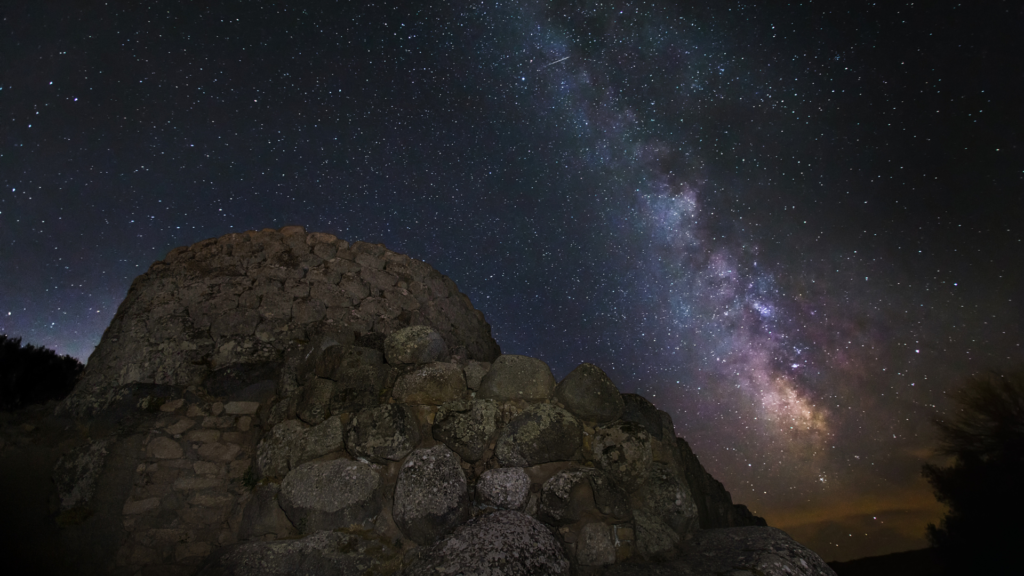
Water temperature sits around 13.8 to 14.5°C, cold by any standard. The sea is flat and empty, and the light is extraordinary. Nobody swims, but the coast in winter has its own quiet beauty.
If you visit Sardinia in these months, focus on the interior: the Barumini nuraghi, the Golfo di Orosei viewpoints, or the towns of Orgosolo and the Gennargentu plateau.
March and April
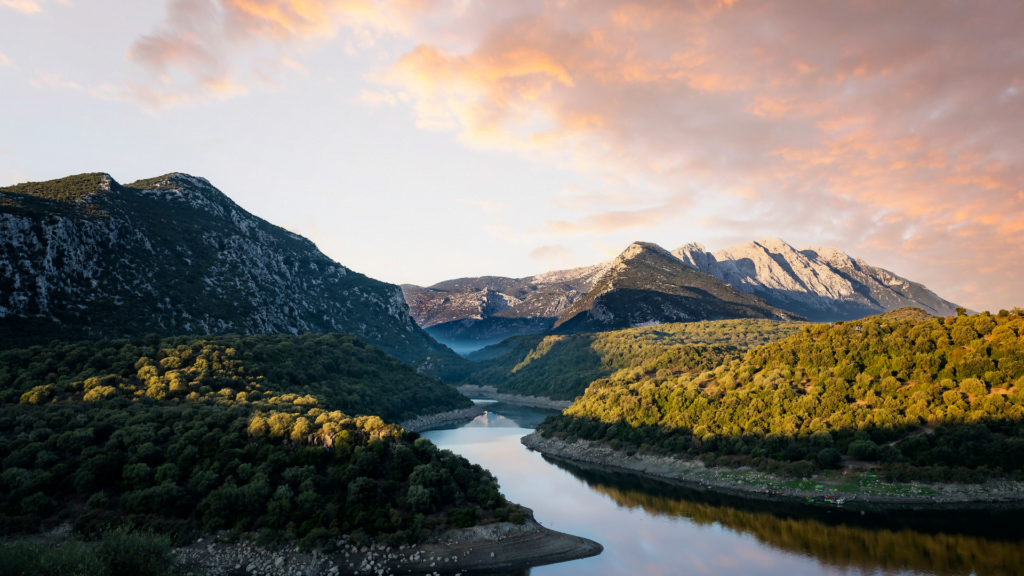
The water barely moves from winter levels: 14.1 to 15.4°C. Spring comes early on land, almond trees bloom in February, wildflowers cover the hills by April, but the sea lags behind by weeks.
April is a good month to visit if your priority is hiking, culture, and uncrowded beaches as scenery rather than swimming. The Supramonte trails and the archaeological sites are at their best.
May
Average temperature reaches 18.0°C. This is the threshold month: some people swim, many do not. Water this temperature feels cold after the first minute unless you keep moving. On sheltered southern beaches like Villasimius or Poetto, where the water heats up quickly in shallow bays, it can feel warmer than the average suggests.
May is also when boat tours start running regularly. A good option for the north-east is the Tavolara Boat Tour and Snorkeling from Olbia: the water is manageable and the island is still crowd-free. In the Golfo di Orosei, the morning kayak tour at the Biderosa Oasis from Orosei runs from spring onward and combines paddling with a pristine natural reserve.
June
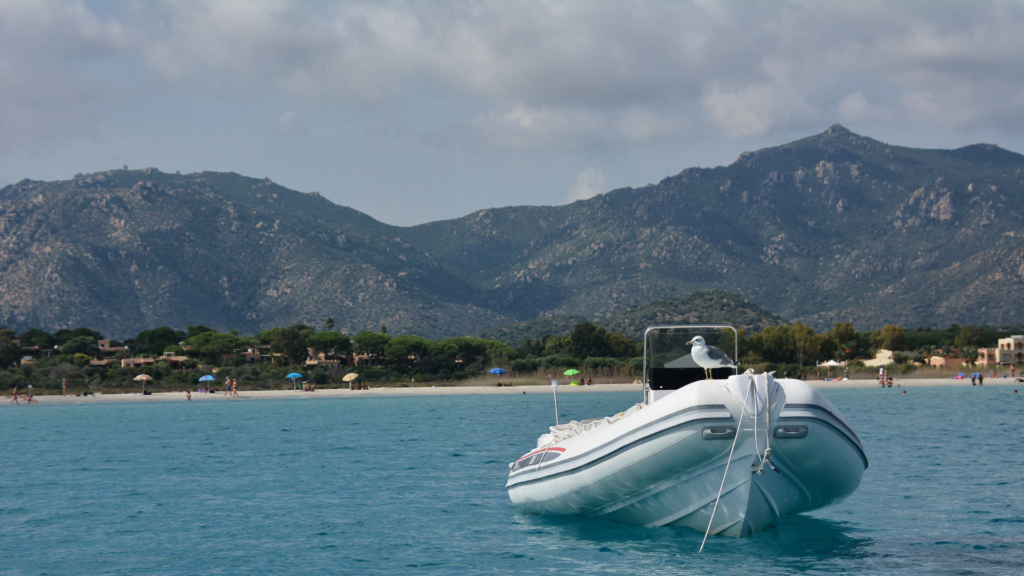
At 21.8°C average, June is the first reliably good month for swimming. The water is clear, still cool enough to be refreshing, and the beaches are not yet packed. This is one of the best months to visit Sardinia if you want sea and comfort together.
The south coast warms up fastest: Cagliari already touches 21.7°C, and sheltered coves can reach 23 to 24°C. The Gulf of Angels boat tour from Cagliari, the Gozzo Tour with 3 Swim Stops, Snorkeling and Local Food, is an excellent introduction to the sea around the capital. For snorkeling near Villasimius, the Capo Carbonara Boat and Snorkeling Tour is one of the best-rated on the island.
July
24.1°C average: the sea is fully warm. July is peak season, and the island fills up fast, especially the Costa Smeralda and La Maddalena. If you are in the north, the La Maddalena Archipelago Boat Tour from Palau covers the main islands including Budelli and Spargi with multiple swimming stops. For something more active, the Kayak Excursion to Cala Moresca with Aperitif and Dolphins from Olbia is a half-day tour suitable for beginners.
Water temperatures in July can exceed 26°C in the shallow bays of the south. The highest readings of the season often appear in the lagoons and sheltered inlets around Cagliari and Costa Rei.
August
The warmest month on record: 25.0°C average, with Cagliari peaking at 26.3°C. The sea is at its absolute best. It is also the busiest month by a wide margin. Parking at major beaches is difficult by 9am, and some of the most famous spots (La Pelosa, Cala Luna, Cala Mariolu) require booking in advance or arriving by boat.
For the north-west, a Private Sailboat Tour in the Maddalena Archipelago is worth the investment in August: it takes you away from the crowds and into smaller, quieter anchorages. On the east coast, the Guided Kayak Tour of the Biderosa Oasis at Sunset from Orosei is a great alternative to crowded beach days.
September
Often described by regular visitors as the best month: the sea holds its summer heat at 24.3°C, the crowds thin out after the first week, prices drop, and the weather remains consistently sunny. The water in September is warmer than June, and the beaches feel spacious again.
All the boat and kayak tours listed above run through September with smaller groups. If you have not been to Cala Goloritze or Cala Mariolu yet, September is the ideal moment: the water is crystal clear and the hike down to the beach is not done in 38°C heat.
October
Still swimming weather: 21.8°C average, which feels genuinely comfortable for most people. The Maestrale starts to blow more often, especially on the west coast, and the sea can get choppy on exposed beaches. The sheltered coves of the east coast and the south hold their temperature better.
October is excellent for diving: visibility underwater is at its annual peak because summer algae have settled and the water is still warm. The Cagliari snorkeling tours run into October and are far less crowded than in summer.
November and December
November averages 19.2°C, not warm enough for most people, though wetsuits make it workable for surfers and divers. December drops to 16.4°C, and swimming is essentially over until the following May.
The island pivots toward the interior in these months. The Gennargentu National Park, the villages of Barbagia, and the archaeological heritage of Barumini are all worth visiting in autumn and winter without the summer traffic.
The local perspective: what Sardinians know about the sea
The temperature data tells part of the story. What it does not capture is the role of the Maestrale, the north-westerly wind that is a structural feature of Sardinian summers, not an occasional inconvenience. When the Maestrale blows for three or four days in July or August, the water temperature on the west coast (Alghero, Stintino, Oristano coast) can drop 2 to 3°C in 24 hours and the sea turns rough on exposed beaches. The east coast (Villasimius, Golfo di Orosei, Costa Rei) is sheltered from this wind and keeps its heat: this is why the temperature gap between Cagliari and Alghero in August is real and felt, not just statistical.
Shallow water heats faster. The transparent bays around Villasimius and La Cinta near San Teodoro can run 2 to 3°C above the open-sea average in July and August. If you want the warmest possible water, go south-east, go early in the day to a shallow bay, and avoid the Maestrale days on the west side.
Getting to the best beaches requires a car. Most of Sardinia’s coastline is not served by public transport, and the roads to the most beautiful coves, Cala Luna, Punta Molentis, Cala Goloritze, end at a car park, a boat launch, or a trailhead. You can compare rental prices and book directly from Cagliari Airport, Olbia Airport, or Alghero Airport, depending on your entry point.
FAQ about Sardinia water temperature
When is the water warm enough to swim in Sardinia?
From June to October the sea is comfortably warm, with the peak between late July and mid-September. June already averages 21.8°C, enough for most people. July, August, and September all exceed 24°C.
What is the sea temperature in Sardinia in June?
The average is around 21.8°C across the island, with Cagliari at 21.7°C and Alghero reaching 22.2°C. Sheltered shallow bays can feel warmer than the open-sea average.
Is the sea warm in Sardinia in October?
Yes. October averages 21.8°C, the same as June. The east and south coasts are more sheltered from the Maestrale and hold their temperature better. It is one of the best months for swimming without crowds.
Which part of Sardinia has the warmest water?
The south coast around Cagliari and Villasimius is consistently the warmest, reaching 26.3°C in August. The sheltered bays of the south-east (Villasimius, Costa Rei) benefit from calm water and shallow depths.
What is the water temperature in Sardinia in August?
The island average is 25.0°C, with Cagliari peaking at 26.3°C. This is the warmest month of the year. Shallow, sheltered bays can exceed 27 to 28°C in the afternoon.
Can you swim in Sardinia in May?
At an average of 18.0°C, May is on the edge. Swimmers comfortable with cool water will enjoy it, especially in the south where Cagliari already reaches 18°C and sheltered spots warm up quickly. Wetsuits are not common but sensible.
Is the sea rough in Sardinia in summer?
The Maestrale wind can create rough conditions on the west and north-west coasts in July and August. The east coast (Golfo di Orosei, Villasimius) is naturally sheltered and generally calmer.
Data sources: seatemperature.info — Cagliari and Olbia historical monthly averages; seatemperatu.re — Alghero historical monthly averages. Sea surface temperature baselines cross-referenced with Copernicus Marine Service (CMEMS) Mediterranean dataset and ISPRA climadat.