Looking for the best things to do in Porto Rotondo? This refined coastal village on the northeast coast of Sardinia pairs world-class yachting with open-air contemporary art. When I drive up from the south of the island to explore Gallura, its distinct character always stands out.

Venetian noble brothers Luigi and Nicolò Donà dalle Rose founded the settlement in 1964. They envisioned an open-air art community carved from local granite rather than an ordinary resort. Sculptors Andrea Cascella and Mario Ceroli shaped its piazzas, stone bridges, and wooden sanctuaries. Today, it combines luxury yachting with secluded white-sand coves, authentic culinary traditions, and easy access to marine reserves.
Whether you want to unwind on celebrated beaches like Spiaggia Ira or embark on a boat expedition across northern Sardinia, this guide shares my practical advice as a Sardinian to help you experience Porto Rotondo at its best.
What to see and things to do in Porto Rotondo: art, architecture, and iconic squares
Why does Porto Rotondo feel so different from other Mediterranean coastal resorts? The village was designed as an architectural laboratory inspired by the Republic of Venice. Walking through its car-free historic core feels like visiting an open-air sculpture museum where grey Gallurese granite forms every curb, facade, and staircase.
Piazzetta San Marco: the circular granite heart
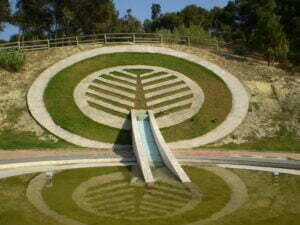
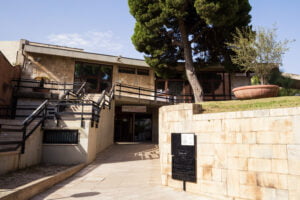
Piazzetta San Marco is the beating heart of social life in the village. Designed by Milanese sculptor Andrea Cascella, this circular piazza is built entirely from local grey granite laid out in concentric rings. The design echoes the circular shape of the natural gulf that gives Porto Rotondo its name.
During the daytime, the square is quiet and peaceful. Shaded corners beneath bougainvillea allow you to enjoy an espresso while listening to the breeze.
In the late afternoon, Piazzetta San Marco transforms into a sophisticated meeting spot. Visitors and boaters gather at open-air lounge bars for a sunset drink before dinner. Look closely at the carved granite details: the stonework subtly pays homage to the Lion of Saint Mark and the Venetian roots of its founders.

Chiesa di San Lorenzo and the wooden vault by Mario Ceroli
Steps away from the main square stands the Church of San Lorenzo (Chiesa di San Lorenzo), one of the most remarkable modern sacred buildings in Italy. Consecrated in the early 1970s, the church was built collaboratively by sculptors Andrea Cascella and Mario Ceroli.
Cascella sculpted the austere granite exterior, including the grand front facade and the interior altar. Ceroli created an astonishing wooden interior. The ceiling is constructed from raw Russian pine beams shaped like an inverted ship hull, echoing Noah’s Ark.
Carved into this wooden vault is Ceroli’s masterwork, the “Last Judgment”, featuring hundreds of wooden silhouette figures suspended overhead. In the churchyard, you can admire Ceroli’s 22-meter pine bell tower, profile portraits of popes carved into marble, and a rose window made of Murano glass.

The Food Chain (“Catena Alimentare”) on Via del Molo
One of the most creative public art installations in Sardinia is the mosaic pavement running down Via del Molo toward the sea. Titled “Catena Alimentare” (The Food Chain), this permanent street installation was created by Breton artist Emmanuel Chapalain.
The path is inlaid with thousands of shaped pieces of local stone, including red porphyry, dark basalt, and luminous Orosei marble. The mosaic illustrates an underwater biological chain: plankton eaten by small fish, which are then pursued by mackerel, tuna, swordfish, and hammerhead sharks.
At night, concealed optical fibers embedded in the stones illuminate the marine creatures. The glowing trail guides your steps toward the harbor restaurants.
Piazza delle Ginestre, Piazza Casbah, and the Mario Ceroli Amphitheater
Wandering along the granite pathways brings you to charming secondary squares. Piazza delle Ginestre features the marble sculpture “The Diver” (Il Tuffatore) by Giovanni Manganelli. Nearby, Piazza Casbah offers tiered stone terraces and craft jewelry workshops.
Perched above the village center is the Teatro Mario Ceroli, an open-air granite amphitheater inspired by ancient Roman architecture. Built from local granite blocks, it hosts theatrical performances and classical concerts in July and August. Walking up to the stone tiers rewards you with sweeping views across the terracotta rooftops toward the marina.
Porto Rotondo Marina and the Yacht Club
The natural circular cove of Porto Rotondo houses one of the best-equipped tourist marinas in the Mediterranean. With approximately 800 berths accommodating sailing yachts and mega-yachts up to 90 meters, the marina promenade is essential for an evening stroll.
Founded in 1985, the Yacht Club Porto Rotondo organizes prestigious sailing regattas throughout spring and autumn. Strolling along the wooden docks, you will find chic waterfront restaurants serving fresh Gallurese seafood and artisanal gelato. The atmosphere feels refined and walkable, distinct from the sprawling commercial docks of Porto Cervo and the Costa Smeralda.

Best beaches in Porto Rotondo
What makes the beaches around the gulf so unique? The coastline wrapping around the peninsula of Porto Rotondo offers remarkable diversity. From wide sandy shores with family amenities to wild granite promontories dotted with fragrant juniper bushes, here are the top beaches you should visit.
Spiaggia Ira: the jewel of Punta Nuraghe
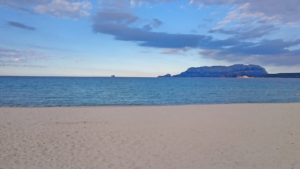
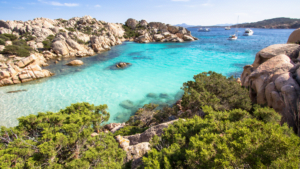
Spiaggia Ira is undeniably the most famous beach in Porto Rotondo. Located on the western side of the Punta Nuraghe isthmus, this stunning crescent of fine white sand is washed by shallow, crystal-clear turquoise waters. It takes its name from Princess Ira von Fürstenberg, a style icon who lived in a waterfront villa overlooking the bay.
The beach offers both free public areas and private beach clubs with sun lounger rentals. Because the sandy seabed slopes very gently, it is an outstanding beach for families with small children. The water here is remarkably transparent, resembling a natural swimming pool.
On the opposite side of the narrow isthmus lies Spiaggia Contro Ira. This smaller cove faces east and provides an alternative swimming option when winds shift.


Spiaggia di Marinella: wide sands and water sports
Just a five-minute drive north of the village center lies the expansive Golfo di Marinella and its flagship beach, Spiaggia di Marinella. The beach stretches for nearly a kilometer, forming one of the longest sandy shores in the district. It is an excellent choice for visitors who enjoy brisk walks along the shoreline.
Marinella features soft, light-colored sand and shallow depths. Unlike smaller coves that become congested in peak summer, Marinella’s generous size allows for plenty of space.
It is also the local center for water sports. Here you can rent windsurfers, catamarans, and jet skis, or take sailing lessons. Beach bars and seafood kiosks line the back of the dunes, serving fresh lunches overlooking the water.
Spiaggia dei Sassi and Spiaggia delle Alghe
Looking for a quiet spot away from the summer bustle? Head toward the eastern side of the peninsula. Spiaggia dei Sassi is a picturesque cove composed of fine sand blended with smooth, tiny grey granite pebbles.
The seabed here is rich in marine life. Snorkelers can spot colorful wrasses right off the shore. The cove has a relaxed beach kiosk and sunbed rentals, yet retains a tranquil vibe.
Around the rocky corner lies Spiaggia delle Alghe, a tiny wild cove sheltered by granite boulders and Mediterranean shrubs. It is a peaceful retreat on breezy mornings when you want to read a book by the sea.
Punta Volpe and hidden rocky coves
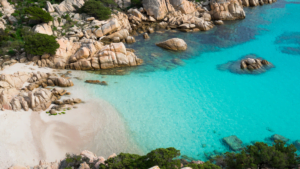
At the easternmost tip of the peninsula lies Punta Volpe (Fox Point). This rugged promontory is defined by majestic granite boulders sculpted into dramatic forms by centuries of wind and sea spray. The small beaches tucked between the rocks offer secluded swimming spots with deep sapphire-blue water.
Punta Volpe offers dramatic panoramic views across the sea toward the uninhabited granite islands of Mortorio and Soffi. While there are fewer sandy expanses here, the rocky drop-offs make it one of the premier spots in the area for experienced snorkelers seeking sea bream and octopuses among granite crevices.

Things to do in Porto Rotondo: top activities and boat tours
While relaxing on the beach and dining along the quays are essential, getting out on the water is the true highlight of any holiday in this part of Sardinia. Because Porto Rotondo is sheltered within a deep gulf, it serves as a launchpad for coastal sea excursions, wildlife watching, and island hopping. Here are the top activities I recommend booking during your stay.
Eco-friendly dolphin watching kayak tour with aperitif in Golfo Aranci
Paddle along the limestone cliffs of Capo Figari and Figarolo in a small guided group led by an expert marine biologist. A resident family of wild bottlenose dolphins feeds daily near the local offshore fish farm. This gives you an extraordinary chance to observe these marine mammals in their natural habitat without motor noise. After snorkeling in crystal waters near Cala Moresca, enjoy a traditional Sardinian aperitif with local Cannonau wine, pecorino cheese, and crispy Carasau bread on the beach.
Book the Golfo Aranci Dolphin Kayak Tour
Transparent kayak and snorkeling adventure with wild dolphins
For an even closer look at marine life, this tour provides completely transparent kayaks that act like a giant floating mask beneath you. Paddling from Spiaggia dei Baracconi toward Figarolo, you can clearly see the sandy seabed, seagrass meadows, and schools of fish directly under your feet. The guides maintain respectful distances from the resident wild dolphins while explaining the marine ecosystem of the gulf.
Reserve the Transparent Kayak Dolphin Tour
Dolphin watching boat excursion by zodiac from Golfo Aranci
If you prefer a faster motorboat trip, hop aboard a high-powered rigid inflatable boat (RIB/gommone). These nimble boats quickly cover the coastal waters between Porto Rotondo, Capo Figari, and Figarolo Island. Accompanied by experienced local skippers who understand dolphin movement patterns, you will enjoy multiple swimming stops in secluded turquoise bays, accompanied by snorkeling gear and refreshing onboard drinks.
Book the Dolphin Watching RIB Boat Tour
Stand up paddle (SUP) excursion with dolphins
For travelers who enjoy active watersports, this morning paddleboarding tour lets you glide peacefully across the glass-like waters of the gulf. With the early morning light casting gold across the sea, it is common to spot dolphin fins surfacing just off the tranquil coves of Golfo Aranci. The tour is accessible to beginners and includes full equipment, basic paddle instruction, and plenty of swimming breaks.
Book the Stand Up Paddle Dolphin Tour
Full-day boat tour to La Maddalena Archipelago
No visit to northern Sardinia is complete without sailing through the La Maddalena National Park. Departing from nearby northern ports easily reachable by car or transfer, this comprehensive full-day cruise visits the natural swimming pools of Budelli, the pink granite cliffs of Spargi, and Santa Maria Island. It is widely considered one of the best boat tours in Sardinia and includes swimming stops in radiant emerald waters with time to explore the historic naval town of La Maddalena.
Check availability for La Maddalena Full-Day Boat Tour
Tavolara and Molara marine protected area boat trip
Heading south from Porto Rotondo brings you to the protected waters of the Tavolara and Punta Coda Cavallo Marine Park. Dominated by the towering, 565-meter limestone massif of Tavolara Island, this pristine sanctuary features the world-famous natural swimming pools of Molara (Piscine di Molara), where the azure water is so bright it looks luminous. This small-group boat tour provides snorkeling equipment, guided commentary, and visits to sea caves.
Reserve the Tavolara and Molara Boat Trip
Getting around: car rental in Porto Rotondo and Olbia
To truly enjoy your time in Porto Rotondo and explore the surrounding beaches of Gallura, having your own vehicle is practically essential. While the village itself is completely pedestrianized and wonderfully walkable on foot, public transport between beaches, archaeological ruins, and neighboring towns is limited.
The primary gateway for visitors is Olbia Costa Smeralda Airport (OLB), situated just 18 kilometers south of Porto Rotondo. By car, the drive takes only 20 minutes via the SP73 and SP99 provincial roads. Renting a car directly at the airport upon arrival gives you the freedom to discover secluded coves, visit traditional inland agriturismi, and explore the nearby granite hills of San Pantaleo.
You can compare rental options and book your vehicle in advance through:
- Olbia Airport (OLB) Car Rental: Discovercars Olbia Airport
- Sardinia General Car Rental: Discovercars Sardinia
For detailed tips on local insurance, driving permits, and road safety across the island, check out our comprehensive practical guide to renting a car in Sardinia and our insider travel guide to Olbia.
Where to sleep in Porto Rotondo: top hotels and residences
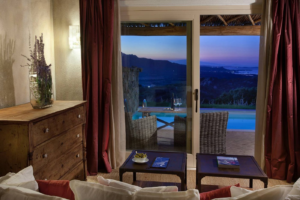
Accommodations in Porto Rotondo range from iconic five-star luxury resorts on the water to comfortable self-catering residences ideal for families. Because summer demand is high, I strongly suggest booking your stay several months in advance. Here are four verified, top-tier properties:
Hotel Sporting – Prestigious 5-star hotel perched right beside the marina, offering private beach access, an outdoor saltwater pool, and an acclaimed waterfront restaurant – Check rates on Booking.com
Abi d’Oru Sardinian Beach Resort & Spa – Historic 5-star luxury resort set directly on the white sands of Golfo di Marinella, featuring multiple gourmet restaurants, a spa, and heated swimming pools – Check rates on Booking.com
Hotel Palumbalza Porto Rotondo – Elegant 4-star property surrounded by a private Mediterranean park on the gulf, with its own private marina pier and tennis courts – Check rates on Booking.com
Residence Bouganville – Self-catering apartments with private kitchenettes, swimming pool, and gardens for families and extended stays – Check rates on Booking.com
Porto Rotondo weather and best time to visit
Porto Rotondo enjoys a classic Mediterranean climate characterized by long, hot summers, mild winters, and over 300 days of sunshine each year. Depending on what you want from your holiday, each season offers a unique atmosphere:
- Spring (April to June): My personal favorite time to explore Gallura. The hillsides are covered in blooming wild rockrose and yellow broom, daytime temperatures range from 20°C to 26°C, and the beaches are delightfully uncrowded. Sea temperatures become warm enough for swimming by late May.
- Summer (July to August): Peak jet-set season. The village comes alive with international yachts, bustling restaurants, open-air concerts, and vibrant nightlife. Daytime temperatures frequently exceed 32°C. Expect lively crowds on the main beaches and higher accommodation prices.
- Autumn (September to October): A golden window for relaxed travel. The sea retains summer heat, with water temperatures hovering around 23°C through October. Crowds thin out significantly after the first week of September. Peaceful sailing and uncrowded beach days define this period.
- Winter (November to March): Quiet and tranquil. Temperatures remain mild (12°C to 16°C), but many seasonal resort amenities, beach kiosks, and boutique hotels close between November and Easter. It is a peaceful time for coastal hiking and experiencing local village life.

Porto Rotondo weather
Here is the live 7-day weather forecast for Porto Rotondo:
 -
 -
 -
 -
 --------------
The local perspective: what Sardinians think
As a Sardinian who travels regularly between our cities in the south and the northern coastal resorts, I view Porto Rotondo through a practical, authentic lens. There is much to admire here, but knowing how the island works will make your visit vastly more enjoyable.
First, let us talk about the wind, because wind dictates everything on a Sardinian holiday. Porto Rotondo is built inside an amphitheatric bay facing north-northwest into the Gulf of Cugnana. When the warm Scirocco (southeast wind) or Levante (east wind) blows, the waters inside Porto Rotondo and at Spiaggia Ira remain astonishingly calm and flat as glass.
When the strong Maestrale (northwest wind) hits the north coast, Spiaggia Ira experiences choppy water and brisk breezes. On days when the Maestrale blows with force, my insider tip is to drive 10 minutes south to the protected bays around Golfo Aranci, such as Cala Sassari or Spiaggia Bianca, which face southeast and remain perfectly sheltered.
Second, understand the summer timing and parking logistics. Between July 25 and August 20, the resident population swells exponentially. Spiaggia Ira and Spiaggia dei Sassi have limited parking spaces that fill completely by 10:00 AM. If you are visiting in peak August, arrive at the beach before 9:00 AM or wait until after 5:30 PM, when Italian families head back to their villas and you get the magical golden hour light all to yourself.
Never try to drive directly into the marina village. The municipal ZTL (limited traffic zone) is strictly guarded by automated camera traps. Always park in the large public parking areas outside the perimeter, such as the parking lots near Piazza Rudalza, and enjoy the short five-minute walk into town.
Third, appreciate the cultural heritage that sets Porto Rotondo apart. While neighboring Porto Cervo was developed primarily as an exclusive playground for international jet-setters and royalty, Porto Rotondo was founded by Venetian intellectuals who wanted Italian sculptors, painters, and artisans to have a permanent canvas.
Take an hour to look at the stonework along Via del Molo, sit inside the church of San Lorenzo, and notice the lack of gaudy neon signage. It represents a rare, deliberate fusion of Sardinian natural stone and Venetian renaissance craftsmanship. For more regional context on exploring the island’s highlights, consult our guide to the top things to do in Sardinia.
FAQ about Porto Rotondo
Is Porto Rotondo worth visiting?
Yes, Porto Rotondo is well worth visiting. Beyond its luxury yachts and glamorous marina, the village is an open-air architectural work of art featuring granite piazzas designed by Andrea Cascella, the unique wooden interior of the Church of San Lorenzo by Mario Ceroli, and world-class white sand beaches like Spiaggia Ira.
What is the difference between Porto Rotondo and Porto Cervo?
Both are prestigious coastal resort villages in northeast Sardinia, but they have distinct styles. Porto Cervo, founded by Prince Karim Aga Khan, features Moorish-Mediterranean architecture with whitewashed arches and sprawling villas. Porto Rotondo was founded by the Venetian Donà dalle Rose family and is characterized by Venetian-style granite squares, pedestrian stone alleys, and public modern art installations.
What are the best beaches in Porto Rotondo?
The top beaches include Spiaggia Ira (famous for shallow turquoise waters and white sand), Spiaggia di Marinella (an expansive sandy bay ideal for watersports), Spiaggia dei Sassi (a tranquil pebble-sand cove great for snorkeling), and the rugged granite coastline of Punta Volpe.
Do I need a car to visit Porto Rotondo?
Yes, renting a car is strongly recommended. While the central village and marina are entirely pedestrian and easily walkable, public transit to nearby beaches, rural restaurants, and surrounding Gallurese towns is very limited. A car allows you to explore the coast and reach boat excursions easily.
How far is Porto Rotondo from Olbia Airport?
Porto Rotondo is located approximately 18 kilometers (11 miles) north of Olbia Costa Smeralda Airport (OLB). The drive takes around 20 minutes via the SP73 and SP99 provincial roads.
Sources and official references
- Consorzio di Porto Rotondo Official Portal
- Sardegna Turismo – Official Tourism Portal
- Comune di Olbia – Territorial Administration