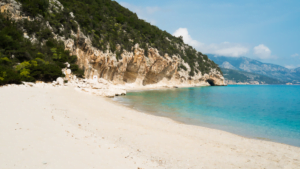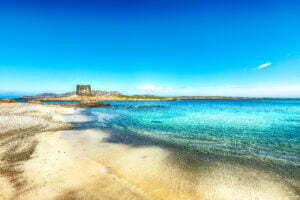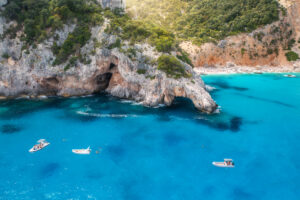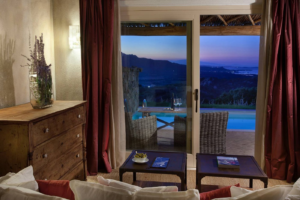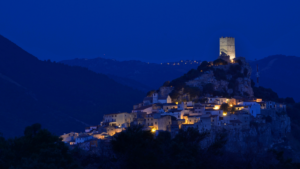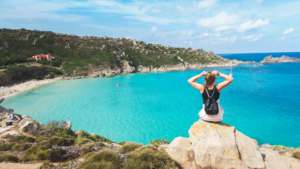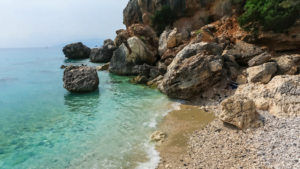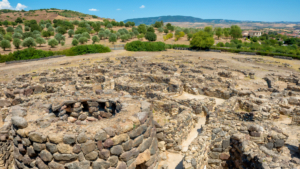
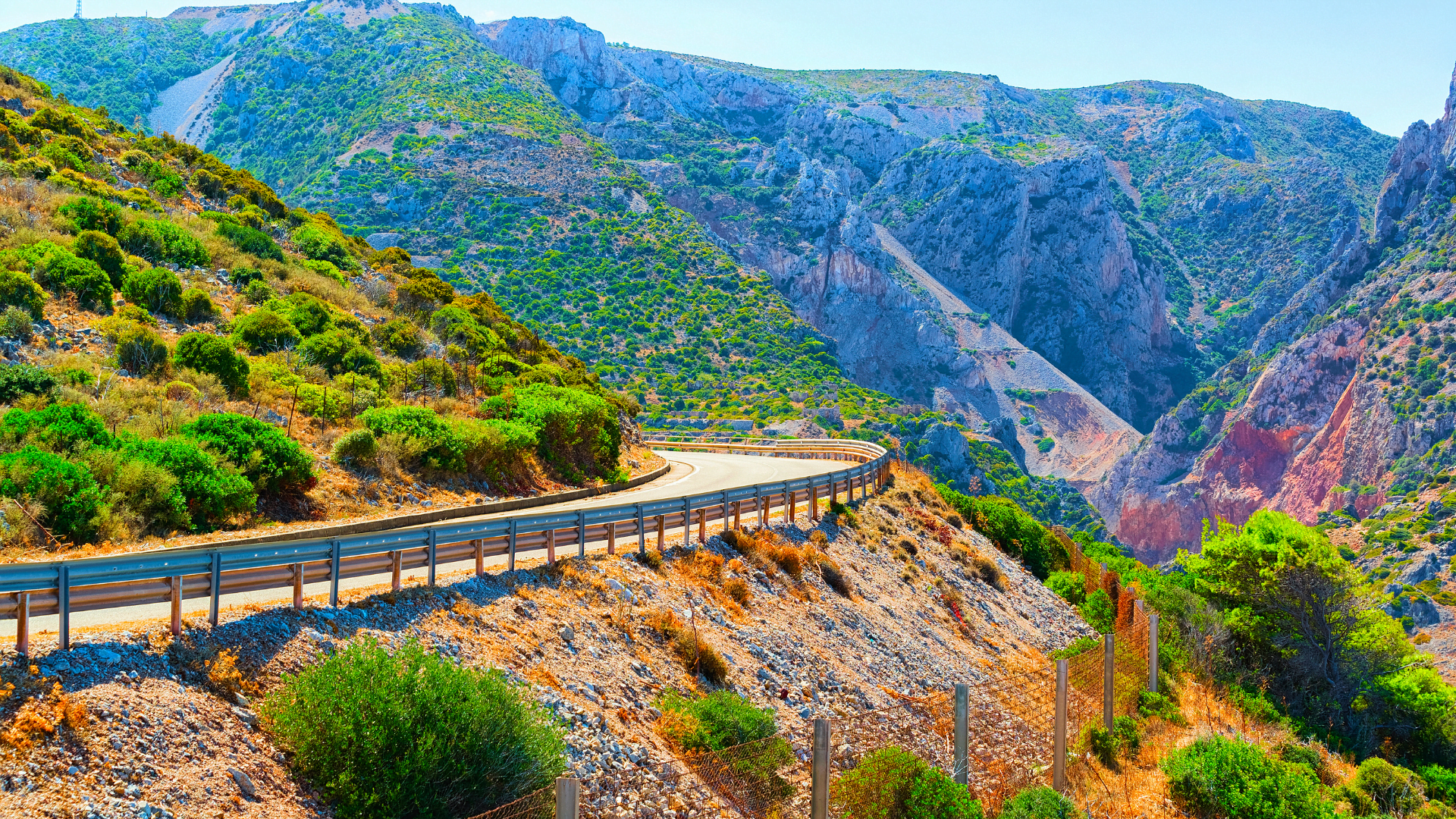
Cycling in Sardinia rewards you with something most Mediterranean islands cannot offer: over 1,800 kilometres of coastline paired with a quiet, rugged interior that most tourists never see. You will not find famous alpine climbs here. What you will find is a network of near empty secondary roads, gravel tracks that end at abandoned mining villages, and a coastline that looks different around every bend.
This guide covers where to ride, what kind of bike actually makes sense for the terrain, and the practical details that decide whether your trip runs smoothly or turns into a logistical headache.
Why cycle in Sardinia
Sardinia is Italy’s least densely populated region. That single fact explains almost everything a cyclist needs to know about the place. Fewer people means fewer cars, and fewer cars means the secondary roads stay quiet even in high season.
The island does not chase the reputation of the Dolomites or the Pyrenees. Its climbs rarely exceed a few hundred metres of elevation gain in one go, and the highest point, Punta Lamarmora in the Gennargentu massif, tops out at 1,834 metres. What Sardinia offers instead is variety packed into a small space: cliff top roads on the west coast, granite plateaus in the north, cork oak forests in the centre, and limestone gorges on the east coast that plunge straight into the sea.
There are no real “cycling towns” here, unlike Girona or Mallorca. Villages sit far apart, connected by roads that were built for farmers, not for tourists. That is exactly why riding point to point, rather than basing yourself in one place, tends to work better if you want to see more than one corner of the island.
Best regions and routes for cycling in Sardinia
Each region of Sardinia rides differently. Picking the wrong one for your fitness level or bike setup is the most common mistake visiting cyclists make.
Route maps (opens Google Maps with cycling directions):
- Route 1: West coast, Alghero to Bosa
- Route 2: Central Sardinia, Fonni to Tonara via Desulo
- Route 3: East coast (SS125), Santa Maria Navarrese to Cala Gonone
- Route 4: Southwest coast (Costa del Sud), Chia to Pula
- Route 5: Sinis Peninsula loop, San Salvatore di Sinis to Cabras
- Route 6: Montevecchio to Piscinas dunes
West coast: Alghero to Bosa
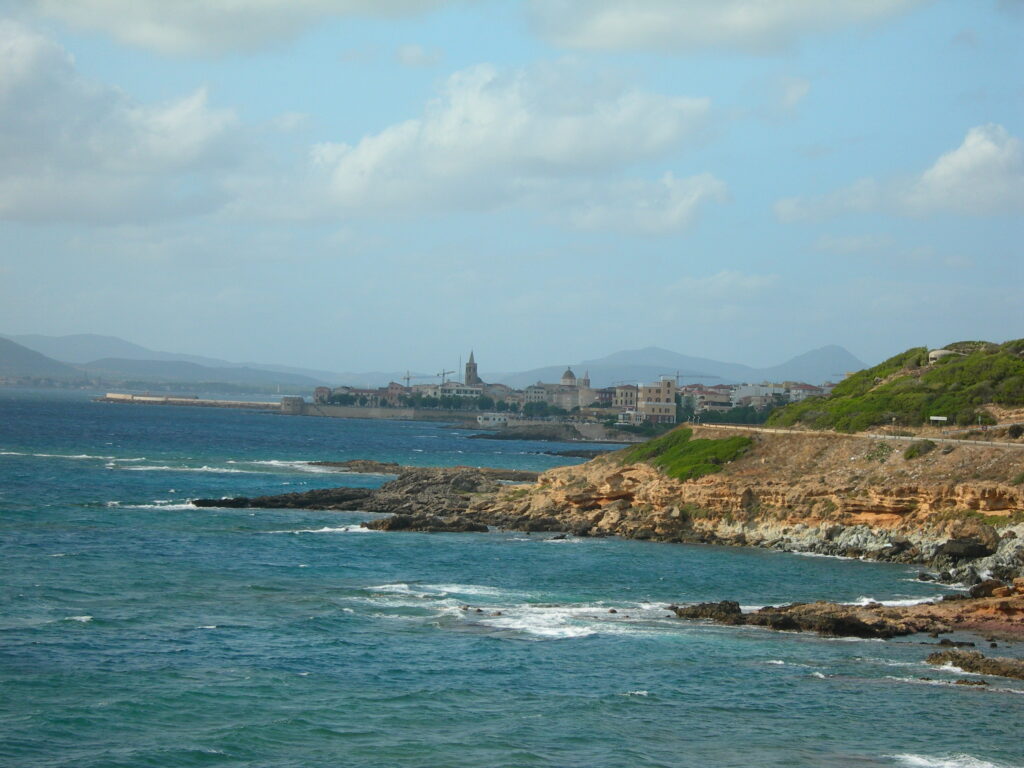
The stretch between Alghero and Bosa is one of the finest coastal roads in Italy, roughly 47 kilometres of cliff edge hairpins with almost no traffic outside peak summer weeks. Alghero itself, a Catalan walled city in the northwest, makes a natural starting or finishing point for a west coast tour. Further south you will cross the Sinis Peninsula, flat and dotted with lagoons and Bronze Age ruins, then continue toward Bosa, a pastel colored river town below a Malaspina castle.
| Road | Distance | Elevation profile | Best for |
|---|---|---|---|
| Alghero to Bosa coastal road | ~47 km | Rolling, cliff top | Road bike |
| Sinis Peninsula loop (San Salvatore, Cabras) | ~25 km | Flat, lagoon roads | Any bike, families |
Central Sardinia: Gennargentu and Barbagia
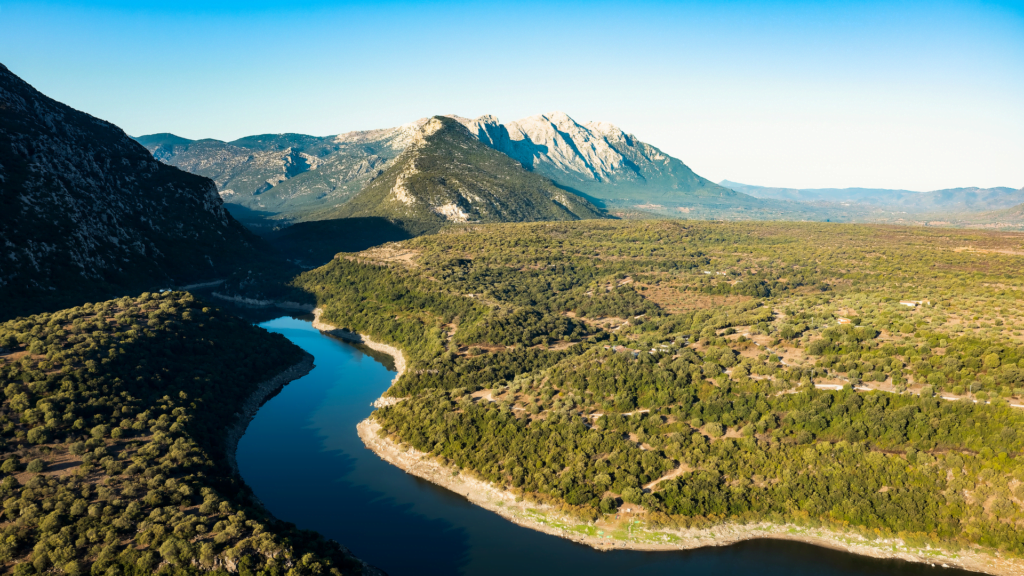
This is where road cyclists with decent fitness and gravel riders both find what they came for. The mountain roads climbing through the Gennargentu National Park hold steady gradients of 5 to 8 percent through cork oak and holm oak forest, on tarmac that is consistently better than you would expect given how remote it is. Marmilla, the hilly area closer to Barumini, adds a gentler alternative with quiet farm roads linking small villages one after another.
| Road | Distance | Elevation profile | Best for |
|---|---|---|---|
| Fonni to Tonara via Desulo | ~35 km | Climbing and rolling, 5-8% gradients | Road or gravel bike, fit riders |
East coast: Ogliastra and the Golfo di Orosei
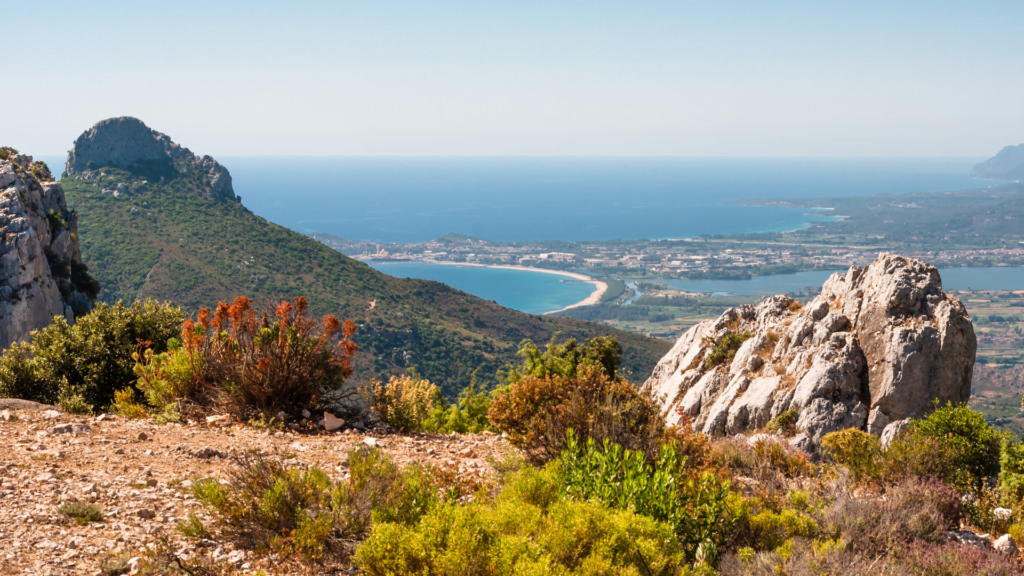
The SS125 road between Santa Maria Navarrese and Cala Gonone is arguably the most dramatic ride on the island. It climbs to the Genna Silana pass at just over 1,000 metres, with sections touching 10 percent gradient, before dropping 25 kilometres past limestone cliffs and one of Europe’s deepest canyons. Baunei and Dorgali sit at either end of this stretch and both work well as overnight bases.
| Road | Distance | Elevation profile | Best for |
|---|---|---|---|
| SS125 Orientale Sarda, Santa Maria Navarrese to Cala Gonone | ~40 km | Climb to Genna Silana pass (1,017 m), then long descent | Road bike, strong climbers |
La Maddalena archipelago and the northeast
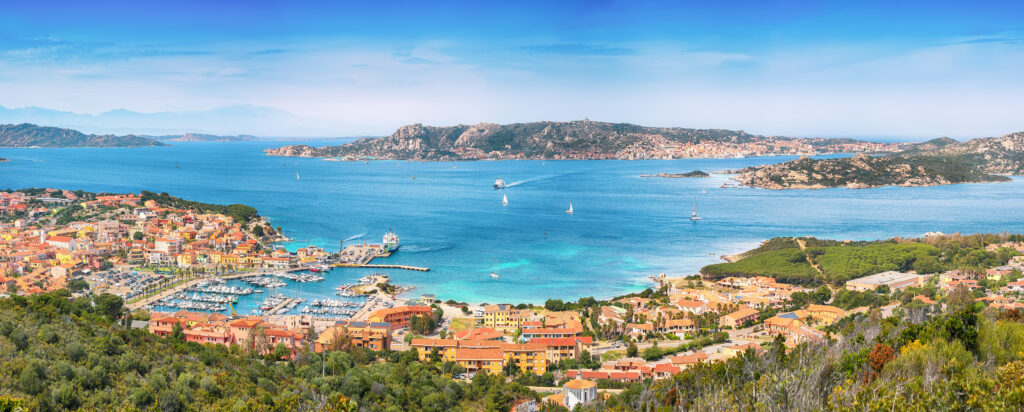
For something more leisurely, the La Maddalena archipelago offers flat, easy riding across islands connected by bridges, reachable via a short ferry from Palau. Nearby, Costa Smeralda and Arzachena get crowded with car traffic in July and August, but ride beautifully in spring and autumn, when the granite coastline is nearly empty.
South and southwest: Sulcis and Carloforte
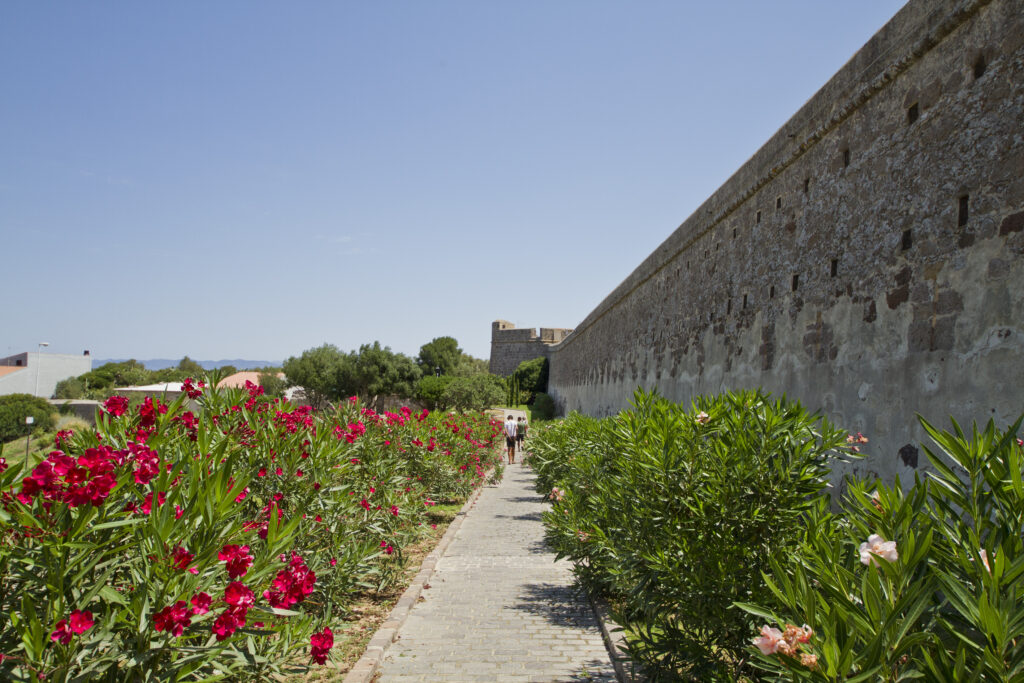
The Sulcis region is the least developed corner of Sardinia, and it shows in the roads: quiet, gently rolling, dotted with old mining archaeology rather than resort towns. Carloforte on Isola di San Pietro adds a car free, family friendly island loop that is easy to combine with a few days on the mainland coast nearby.
| Road | Distance | Elevation profile | Best for |
|---|---|---|---|
| Costa del Sud, Chia to Pula | ~20 km | Rolling coastal, watchtower viewpoints | Road bike, all levels |
| Montevecchio to Piscinas | ~18 km | Mixed paved and gravel, final stretch unpaved | Gravel bike or mountain bike |
Road, gravel or e-bike: choosing the right setup
There is no single “correct” bike for Sardinia. What matters is matching your setup to the terrain you actually plan to ride, not the terrain you wish you were riding.
| Bike type | Best terrain | Who it suits | Fitness needed |
|---|---|---|---|
| Road bike | Coastal roads, Gennargentu climbs | Fit road cyclists wanting scenic, demanding rides | Moderate to high |
| Gravel bike | Forestry tracks, old mining roads, mixed surfaces | Riders who want the most versatile single bike for the island | Moderate |
| Mountain bike | Barbagia interior, technical descents | Off road riders chasing singletrack and rougher trails | Moderate to high |
| E-bike | Almost anywhere, especially hilly coastal towns | Mixed ability groups, families, casual riders | Low to moderate |
A gravel bike is honestly the most versatile choice if you can only bring one. Sardinia’s secondary road network was built for agricultural and forestry access after the war, which left behind an enormous web of unpaved tracks alongside the paved roads. Tyres in the 28 to 32mm range handle the variable surfaces far better than narrower road tyres, especially on the west coast’s weathered provincial roads.
How fit do you actually need to be? For the flatter routes, the Sinis Peninsula loop or the Costa del Sud, a moderately active person who cycles occasionally will be fine. For the SS125 or the Gennargentu climbs, aim to have a few 60 to 80km rides with some real climbing under your belt in the two months before you travel. Heat is often the bigger limiter than fitness, so a slower pace with more water stops beats pushing hard through the midday sun.
Guided cycling tours and activities
Booking a guided ride is a good way to see a region properly on a short trip, without spending your holiday studying GPX files. Here are seven tours spread across different parts of the island, each verified as a specific bookable activity rather than a generic listing.
Alghero: E-bike tour inside the Natural Park of Porto Conte
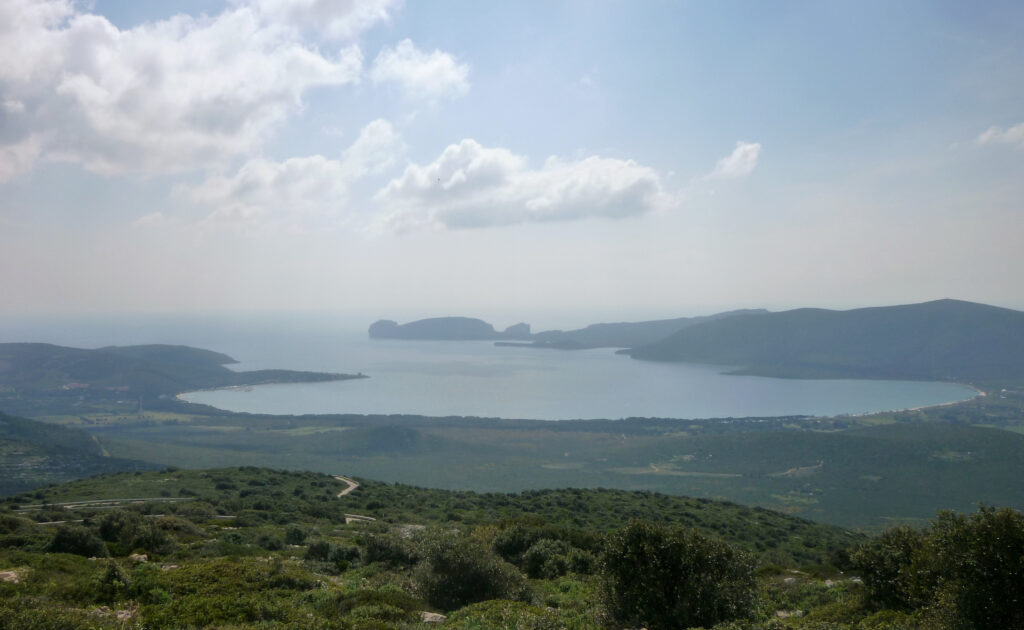
A four hour guided ride through the Porto Conte regional park on the west coast, passing an old Roman bridge and the cliffs of Punta Giglio.
Book on GetYourGuide
Cala Gonone and Dorgali e-bike tour
A guided e-bike route around the Golfo di Orosei area, useful as a low effort way to scout the region before tackling the SS125 on your own bike.
Book on GetYourGuide
La Maddalena: Caprera Island e-bike tour
A five hour small group ride across the islands of La Maddalena and Caprera, connected by a bridge and reachable by ferry from Palau.
Book on GetYourGuide
Sant’Antioco: Guided E-Bike Excursion at Sunset
A two hour sunset ride around the island of Sant’Antioco in the southwest, easygoing enough for families.
Book on GetYourGuide
Oristano: Sinis Peninsula mountain bike tour
A flat, scenic route through the Sinis Peninsula’s lagoons and archaeological sites, with a good chance of spotting flamingos along the way.
Book on GetYourGuide
Arbus: Sardinia e-bike excursion near Piscinas
A route through the former mining hills of Montevecchio down to the towering dunes at Piscinas, one of the more dramatic landscape contrasts on the island.
Book on GetYourGuide
Cagliari: Old Town Guided E-Bike Tour
A gentle two hour ride through Cagliari’s historic districts, Stampace, Castello, Villanova and Marina, good for a rest day between longer rides.
Book on GetYourGuide
Renting a bike independently
Not everyone wants a guided tour. If you would rather pick your own route and rent a bike by the day, the main towns with reliable rental shops are Cagliari, Pula, Alghero and Olbia. A standard hybrid or trekking bike typically runs somewhere around 20 to 30 euros a day, with road and e-bikes usually costing more. Several shops also offer one way rentals, dropping the bike off at a different town for a fee, which is useful if you are riding point to point rather than in a loop.
Booking a couple of days ahead is worth it in shoulder season and close to essential in summer, since the better shops sell out of road and gravel bikes quickly.
Cycling events in Sardinia
If your trip lines up with the calendar, a few local events are worth knowing about even if you are not racing. The Giro della Sardegna, once a professional race that attracted riders like Eddy Merckx, now runs every April as a four day amateur event. The UCI backed Giro Sardegna Gravel takes place alongside it for gravel riders. In October, the Challenge Forte Village Triathlon on the south coast includes a 90 kilometre bike leg and draws both professionals and amateurs. None of these require you to compete, but they do mean livelier towns, busier accommodation and roads with more cyclists on them around those dates.
Getting around: car rental for a cycling trip in Sardinia
Public transport across Sardinia is limited outside the three main rail lines and a handful of ARST bus routes, and neither reaches deep into the interior with much frequency. If you are planning to ride point to point across regions rather than joining a fully supported tour, a rental car to shuttle luggage or reach a starting point makes a real difference.
You can compare prices and book directly from:
- Olbia Airport: https://www.discovercars.com/it/italy-sardinia/olbia/olb
- Cagliari Airport: https://www.discovercars.com/it/italy-sardinia/cagliari/cag
- Alghero Airport: https://www.discovercars.com/it/italy-sardinia/alghero
- Sardinia in general: https://www.discovercars.com/it/italy-sardinia
Most travellers combine road cycling with a rental car for airport transfers and for skipping the least interesting stretches between regions, which frees up more time for the roads actually worth riding. Check Sardinia’s airports to pick the one closest to your planned route.
Where to sleep on a Sardinia cycling holiday
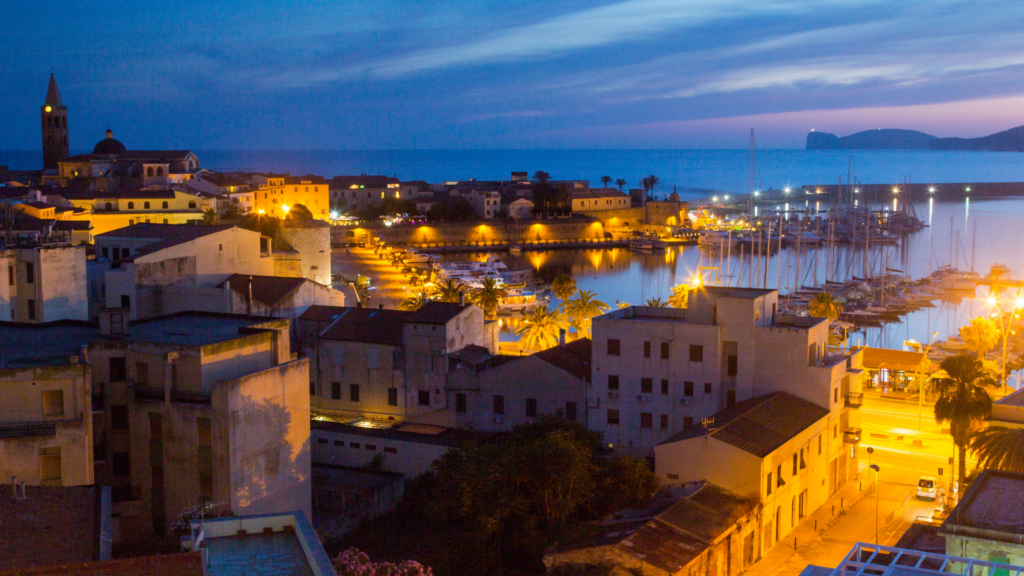
Sardinia is not known for large hotels built around cycling facilities, but a good number of agriturismi and small hotels welcome cyclists with secure bike storage and, occasionally, free bikes of their own. Always confirm storage arrangements before booking, since policies vary and can change.
Sella&Mosca Casa Villamarina, Alghero
A country house set inside the Sella&Mosca wine estate near the west coast, with free bicycles and secure parking, a convenient base before or after the Alghero to Bosa road.
Check availability on Booking.com
Borgo Rurale Cares, Dorgali
A rural farm stay minutes from Cala Gonone, with a garden, pool and free bikes on site, well positioned for the SS125 climb and the Golfo di Orosei.
Check availability on Booking.com
Le Saline Suites, Carloforte
A small bed and breakfast on Isola di San Pietro with bike hire on site, a relaxed base for exploring the car free island and the nearby Sulcis coast.
Check availability on Booking.com
Best time to cycle in Sardinia
April through June and September through October are, without much debate, the best windows for cycling in Sardinia. Temperatures sit comfortably in the low to mid twenties, the wildflowers are out in spring, and the summer crowds have not arrived yet or have already gone home. Check the best time to visit Sardinia month by month for a fuller seasonal breakdown, and the weather guide if you want more detail on rainfall and wind patterns.
July and August regularly push past 30°C, and the coastal roads fill with holiday traffic as Italian families arrive by ferry with their own cars. It is still ridable then, but you will trade quiet roads for heat and congestion, which rarely feels like a fair exchange.
The local perspective: what Sardinians think
We grew up watching tourists discover our roads long after we already knew every turn in them, and there is a specific kind of pride in seeing a quiet provincial road finally get some appreciation. A few things are worth knowing that outside guides tend to skip over.
Wind matters more than most visitors expect. The Maestrale, blowing from the northwest, can turn an easy coastal ride into hard work in a matter of minutes, particularly on exposed stretches like the Sinis Peninsula or the west coast north of Alghero (it can really hit hard!). Riding the west coast tends to be more comfortable precisely because that wind keeps the air moving and the heat bearable, even in the warmer months.
Distances deceive people who are used to mainland European cycling infrastructure. Villages here are genuinely far apart, and once you are away from Cagliari or Alghero, do not expect a bar or a shop to appear every ten kilometres. Locals plan long rides around opening hours, since most village bars close between roughly 1pm and 5pm, and water fountains are not common outside towns. Carrying more water than feels necessary is simply how people who live here ride.
Getting a bike between towns without a car is harder than it looks on paper. The bike supplement on Trenitalia trains costs a few euros, and the three main rail lines cover the coast reasonably well, but the interior is served mostly by ARST buses that do not always have room for a bike. This is the practical reason so many cyclists here, ourselves included, end up combining a rental car with the actual riding.
FAQ about cycling in Sardinia
What is the best time to cycle in Sardinia?
April to June and September to October offer the most comfortable temperatures and the quietest roads. July and August are hot and busy with holiday traffic.
Is a road bike, gravel bike or e-bike better for Sardinia?
It depends on where you plan to ride. A road bike suits the coastal roads and mountain climbs, a gravel bike handles the island’s extensive network of forestry and mining tracks, and an e-bike opens up hillier routes to riders with mixed fitness levels or families.
Can you take a bike on the ferry to Sardinia?
Yes. The main ferry operators connecting Sardinia to mainland Italy, Corsica and elsewhere generally carry bicycles for a small additional charge, though it is worth confirming details directly with the operator when booking.
Is there dedicated cycling infrastructure in Sardinia?
Cagliari and Alghero have some cycle lanes within the towns themselves. Outside urban areas, cyclists share the secondary roads with local traffic, which tends to be light and generally respectful of cyclists.
Should I book a guided tour or plan a self guided trip?
A guided tour makes sense for a first visit or a shorter trip, since it removes the planning burden and connects you with local knowledge. A self guided or fully independent trip works better if you already know which regions interest you and prefer flexibility over structure.
How fit do I need to be to cycle in Sardinia?
It varies by region and route. Flat areas like the Campidano Plain, the Sinis Peninsula and parts of the Sulcis suit moderate fitness levels, while the Gennargentu climbs and the SS125 require a reasonable level of conditioning, particularly if riding a non electric bike.