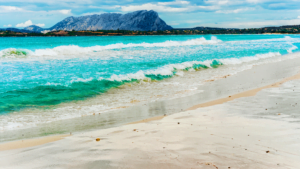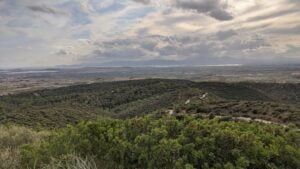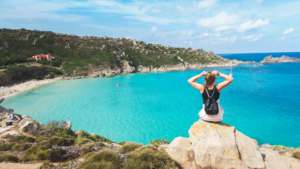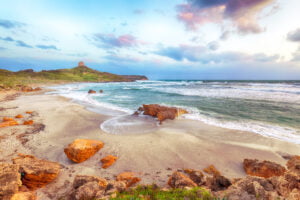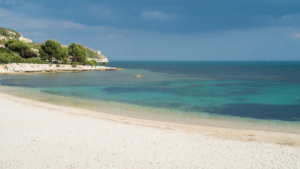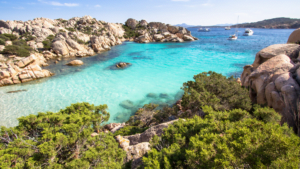
Traveling to Sardinia is one of the best decisions you can make for a European summer, or an early autumn trip. The island is the second-largest in the Mediterranean, and it packs an absurd variety into a single destination: white-sand beaches with Caribbean-clear water, Bronze Age stone towers scattered across the interior, a cuisine entirely its own, and four very distinct regions that feel almost like separate countries. This guide covers 17 practical things to know before you go, written from the perspective of someone who has lived here their whole life (for the best & the worst).
What kind of destination is Sardinia, really?
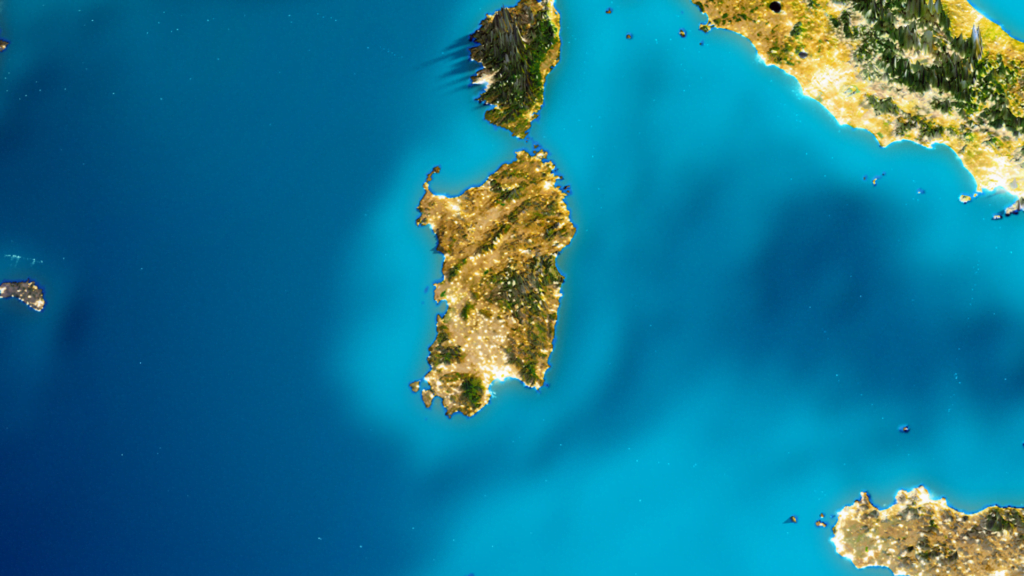
Sardinia is not a single experience. That is the first thing worth knowing. Most travel content focuses obsessively on the north (Costa Smeralda, La Maddalena, La Pelosa), which leaves visitors with an incomplete picture of what the island actually offers. Before you plan anything, understand the four distinct areas:
- North-East (Gallura and Costa Smeralda): the famous turquoise beaches, boat trips to La Maddalena, and upscale Porto Cervo. The most visited and most expensive area, especially in July and August.
- East (Ogliastra and Baunei coast): dramatic limestone cliffs, the wild Gulf of Orosei, and beaches reachable only by boat or multi-hour hike. Far less crowded than the north and arguably more spectacular.
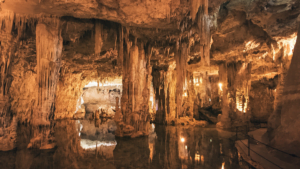
- North-west (Alghero and surroundings): a medieval Catalan city, the Riviera del Corallo, Neptune’s Grotto, and the Asinara island. A more relaxed, historically rich base.
- South and centre (Cagliari, Villasimius, Oristano, Sulcis): the island’s capital with a serious urban culture, some of the best beaches on the island, and the most important archaeological sites, including Su Nuraxi di Barumini, the only UNESCO World Heritage nuraghe.
If you only visit the north, you see a fraction of the island. Our Sardinia map guide gives you a clear visual breakdown before you start planning.
cWhen to travel to Sardinia: the honest answer
The honest local answer is: not August, unless you have no other choice.
August is when the entire Italian peninsula empties onto the island. Beaches are at maximum capacity. Hotel prices double or triple. The roads leading to La Pelosa or Cala Brandinchi can back up for kilometres from mid-morning. Parking near the most popular beaches becomes a real problem after 9am.
The best months to visit, in order:
- September and early October: the sea is still 24-26°C, crowds drop dramatically after Ferragosto (August 15), prices fall, and the light is extraordinary. For most people, this is the sweet spot.
- June: warm enough to swim from early in the month, still manageable crowds, and most hotels and restaurants are fully open.
- May: pleasant temperatures for sightseeing and hiking. The sea is cooler (around 19-21°C) but swimmable for many. Fewer tourists, lower prices.
- July: beautiful but increasingly crowded and expensive from mid-month onward.
The period from November to March is cool and often rainy, and many coastal hotels and restaurants close. Cagliari and Alghero remain open and worth visiting year-round. For a full breakdown, see our Sardinia weather guide.
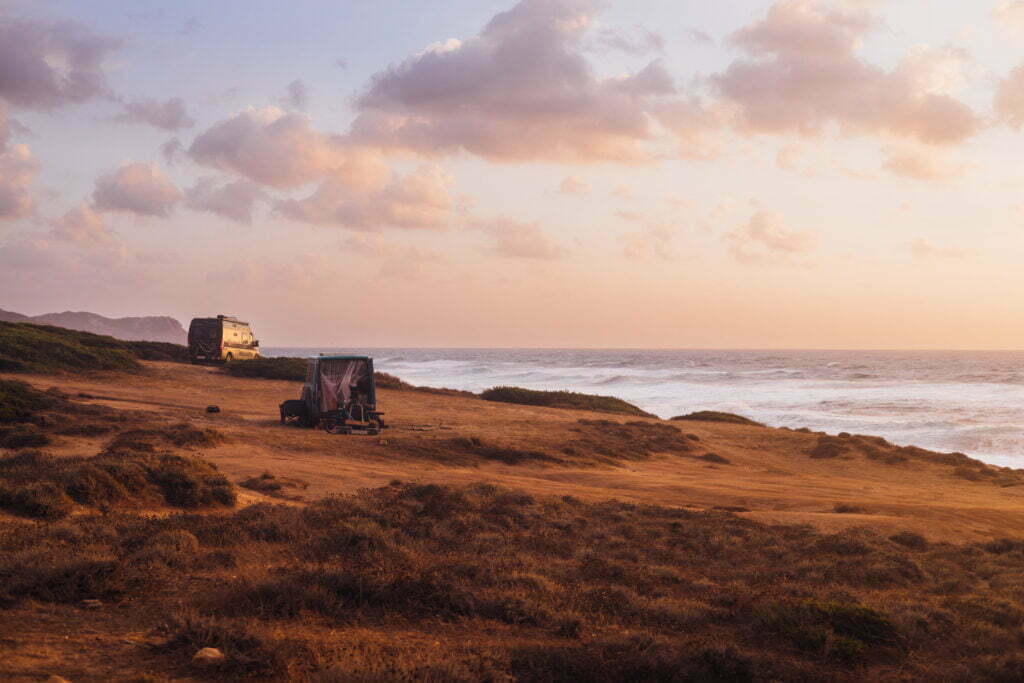
One climate note: the Maestrale (north-west wind) is the dominant wind in Sardinia and shapes the experience at many beaches. When it blows strong, the north-facing and north-west-facing shores get rough. The east coast (Gulf of Orosei, Villasimius) tends to be calmer in Maestrale conditions. Check the forecast before committing to a beach day or a boat tour.
How to get to Sardinia
Flights: the three main airports
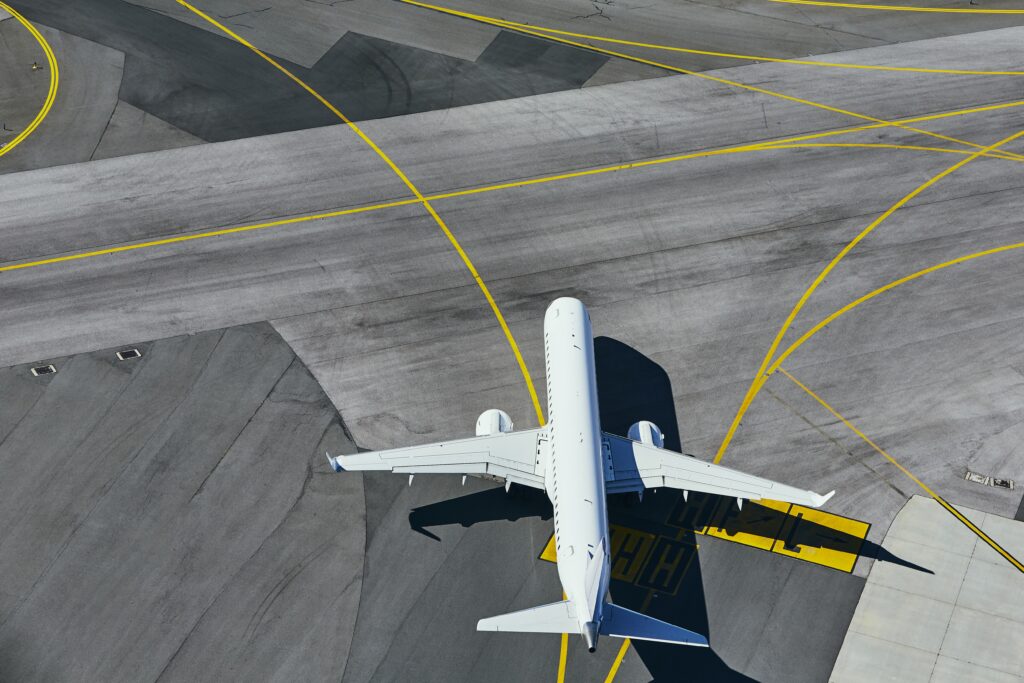
Sardinia has three commercial airports. Which one you use should depend on where you plan to spend most of your time.
- Olbia Costa Smeralda (OLB): the busiest in summer, with the most connections from across Europe. The obvious choice if you are heading to Costa Smeralda, La Maddalena, Palau, San Teodoro, or the north in general. Olbia itself is a pleasant base; our Olbia travel guide has more detail.
- Cagliari Elmas (CAG): the main year-round airport. Best for those based in the south: Cagliari, Villasimius, Pula, Chia, and the central interior including Barumini. Closest to Su Nuraxi, the most important archaeological site on the island.
- Alghero Fertilia (AHO): the smallest of the three. Ryanair runs frequent routes here from several European cities. Ideal for a north-west itinerary (Alghero, Stintino, Bosa, Asinara). For a more complete overview, see our airports guide.
None of the airports is particularly close to the others. Cagliari to Olbia is about 270 kilometres by road, roughly 3 hours. Plan your arrival and departure airports based on your route, not just price.
Ferry: the overlooked option
Most travel content ignores the ferry. It should not be ignored.
For visitors arriving from mainland Italy with a car, or for anyone wanting to travel with more luggage than budget airlines allow, the ferry is an excellent option. It also removes the need to rent a car on arrival, since you bring your own.
Main departure ports and operators:
| Departure port | Main operators | Destination in Sardinia | Crossing time |
|---|---|---|---|
| Civitavecchia (Rome) | Tirrenia, Grimaldi, Corsica Sardinia Ferries | Olbia, Cagliari, Arbatax | 7-14h (overnight available) |
| Genova | Tirrenia, GNV, Moby | Porto Torres, Olbia, Cagliari | 10-20h |
| Livorno | Moby, Corsica Sardinia Ferries | Olbia | 8h |
| Napoli | Tirrenia | Cagliari | 14h (overnight) |
| Palermo | Tirrenia | Cagliari | 12h |
Overnight crossings with a cabin are generally comfortable and let you save a night’s accommodation. The key practical tip: book well in advance for summer sailings, especially if you want a cabin or a car space. July and August sailings fill up months ahead.
For more information on routes and planning, see our complete guide: how to get to Sardinia.
Do you need a car in Sardinia?
Yes. Almost certainly.
The exception is if your entire trip is limited to Cagliari city, Alghero city, or Olbia. Those three have bus connections, taxis, and enough to keep you busy without wheels. But the moment you want to reach a beach beyond walking distance from the city centre, or visit an inland archaeological site, or explore more than one area of the island, a car becomes essential.
Public transport between cities and towns exists, but it is slow, infrequent, and does not serve the coastal areas where most beaches are located. The ARST regional bus network covers many towns, but timetables are designed for residents (…sometimes not even for them…), not tourists. Two buses a day to a remote beach is not practical in summer.
A few practical notes on renting:
- Book early, especially for summer. Cars sell out quickly in June-August and prices spike.
- Full insurance coverage is strongly recommended. Sardinian roads in rural areas are narrow, and scrapes against stone walls or on mountain curves are not uncommon.
- A compact or mid-size car handles the majority of roads well. Large SUVs can be awkward on the narrower coastal tracks.
- Fill up in towns. Petrol stations on rural roads are sparse.
You can compare prices and book directly by airport. Both options below include mid-range (Maggiore, Europcar) and premium (Hertz, Sixt) suppliers:
- Olbia Airport: compare car rental prices at OLB
- Cagliari Airport: compare car rental prices at CAG
- Alghero Airport: compare car rental prices at AHO
- Search across all Sardinia: all rental locations
Top attractions and things to do in Sardinia
Beaches worth the trip
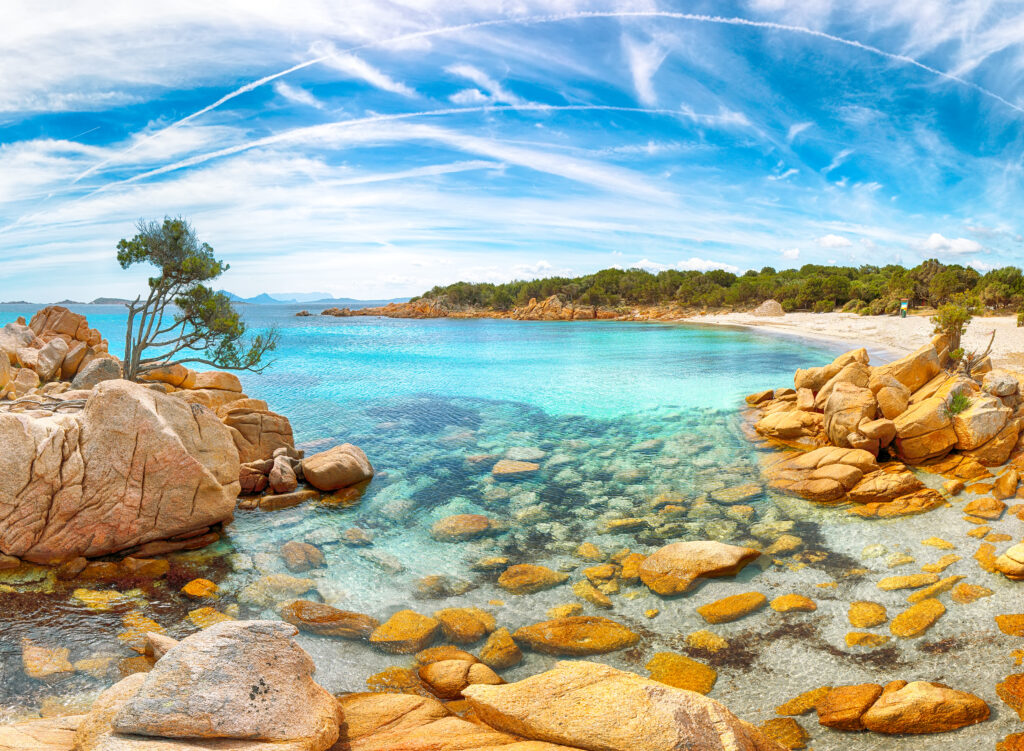
Sardinia has roughly 1,800 kilometres of coastline and hundreds of beaches. Not all of them are worth crossing the island for. These are the ones that genuinely deliver.
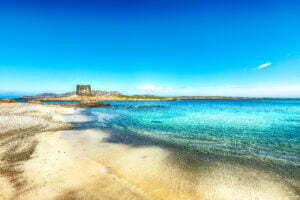
La Pelosa (Stintino, north-west): shallow, impossibly blue, with white sand and a 16th-century tower on a tiny island offshore. Entry is by reservation only in peak season (June-September). Arrive before 8:30am if you want parking. See also our Stintino guide.
Spiaggia del Principe and the Costa Smeralda beaches: the concentration of beautiful beaches along the Costa Smeralda is genuinely remarkable. Spiaggia del Principe, Capriccioli, Cala di Volpe, Romazzino: each has a different character and they are within 30 minutes of each other. Crowded in August, manageable in June and September.
Cala Goloritzé (Baunei, east coast): a UNESCO World Heritage Site. Accessible by boat from Cala Gonone or via a demanding 2.5-hour hike from Santa Maria Navarrese. The beach is small, the setting is extraordinary: a limestone arch, a peak rising from the water, and clear water with no equal in the Mediterranean. See also our Gulf of Orosei guide for the full east coast picture.
Cala Brandinchi (San Teodoro, north-east): fine white sand, shallow turquoise water, extremely photogenic. Requires advance reservation in summer through an online booking system. Shared parking with nearby Lu Impostu beach.
For a curated overview, our top 27 of the best beaches in Sardinia covers the best picks by area and season.
Nuraghi and historical sites
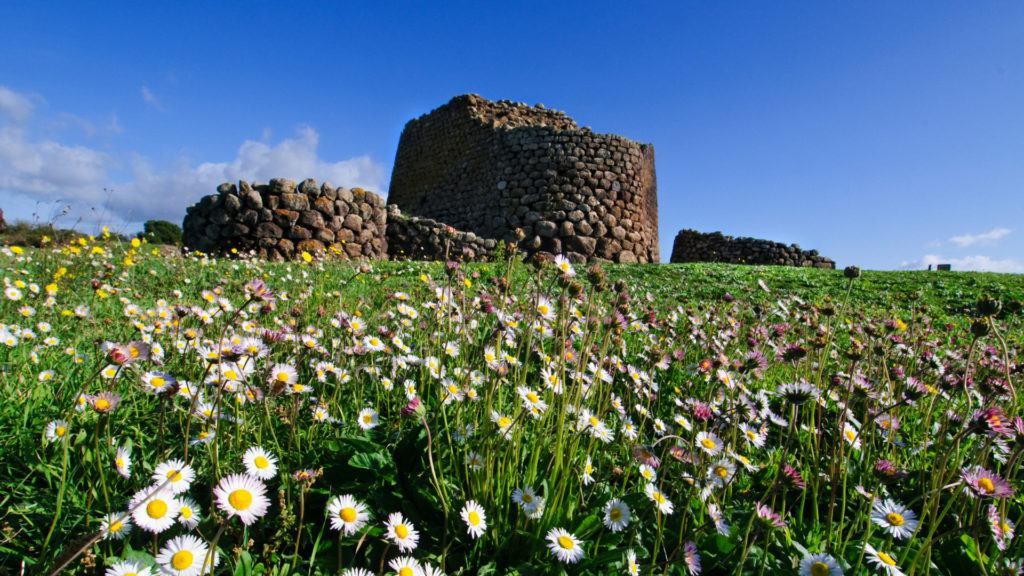
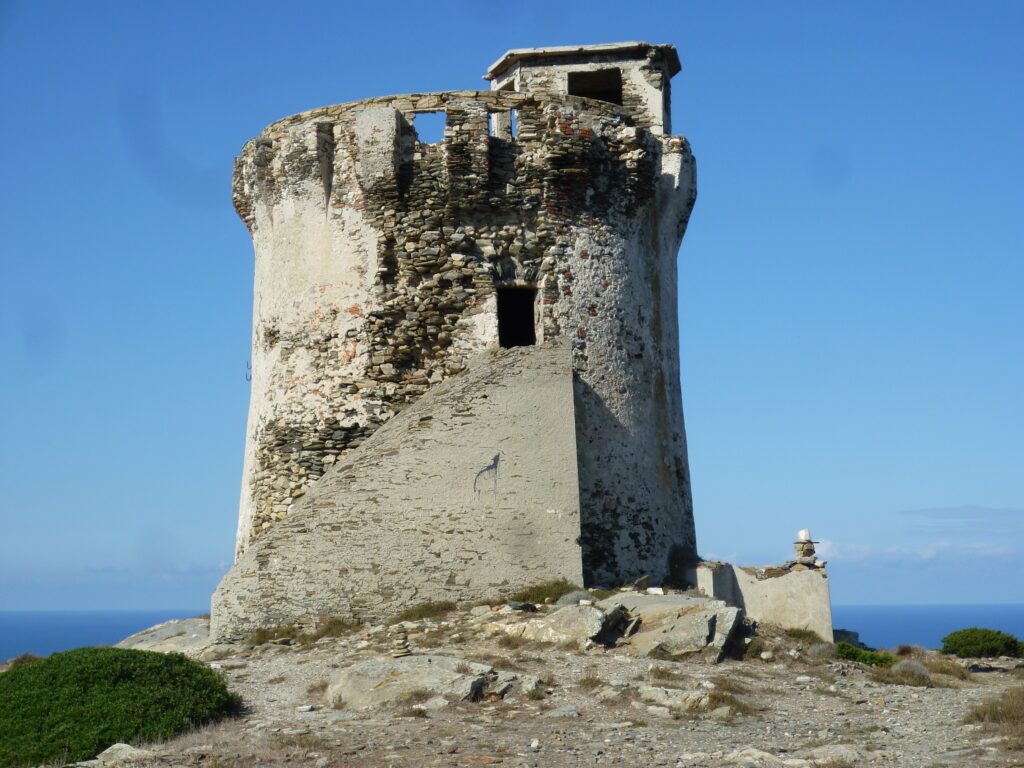
Sardinia has approximately 7,000 nuraghi, the prehistoric stone towers built by the Nuragic civilisation between roughly 1800 and 500 BCE. They are the most distinctive feature of the Sardinian landscape and unlike anything else in Europe.
Su Nuraxi di Barumini is the one not to miss. It is a UNESCO World Heritage Site and the most extensively excavated nuragic complex on the island. The central tower and the surrounding village of circular huts give a real sense of the scale and sophistication of this civilisation. Located about 60 kilometres north of Cagliari. See our dedicated Barumini guide for visiting details.
Other significant sites worth including on your itinerary:
- Nuraghe La Prisgiona (near Arzachena): one of the best-preserved in the north, with the remains of a full village surrounding the central tower.
- Tiscali (Ogliastra): a nuragic village hidden inside a collapsed mountain cave, accessible on foot. One of the most unusual archaeological sites in Italy.
- Tharros (Oristano peninsula): a Phoenician-Roman city on a narrow peninsula overlooking the sea. See our Tharros guide.
For a complete overview, our nuraghi guide covers the best sites by area.
Traditional towns and villages
Alghero: the most immediately enjoyable city in northern Sardinia. Founded in the 12th century and resettled by Catalans in the 14th, it has preserved a distinct Catalan identity in its architecture, street names, and even a version of the Catalan language still spoken by some residents. The medieval walled centre, the seafront ramparts at sunset, and the seafood restaurants in the lanes behind the cathedral make it a place worth spending two full days.
Cagliari: often underrated, always interesting. The Castello district sits on a hilltop above the city with 13th-century walls, panoramic terraces, and the Cathedral of Santa Maria. The Villanova and Stampace quarters below have a genuinely local character: markets, neighbourhood bars, Poetto beach a few kilometres east.
Orgosolo (Barbagia): famous across Italy for its political murals painted on the walls of the village since the 1960s. The murals cover history, politics, and Sardinian identity.
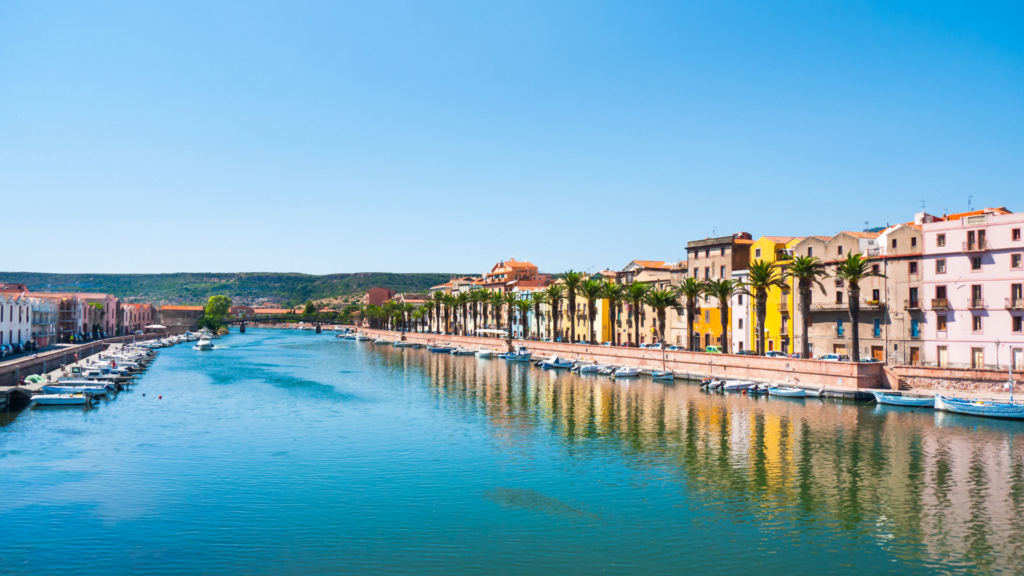
Bosa: a small river town on the west coast with colourful houses climbing a hill topped by a Norman castle. One of the most visually distinctive towns on the island, and still largely off the radar of mass tourism.
Outdoor activities
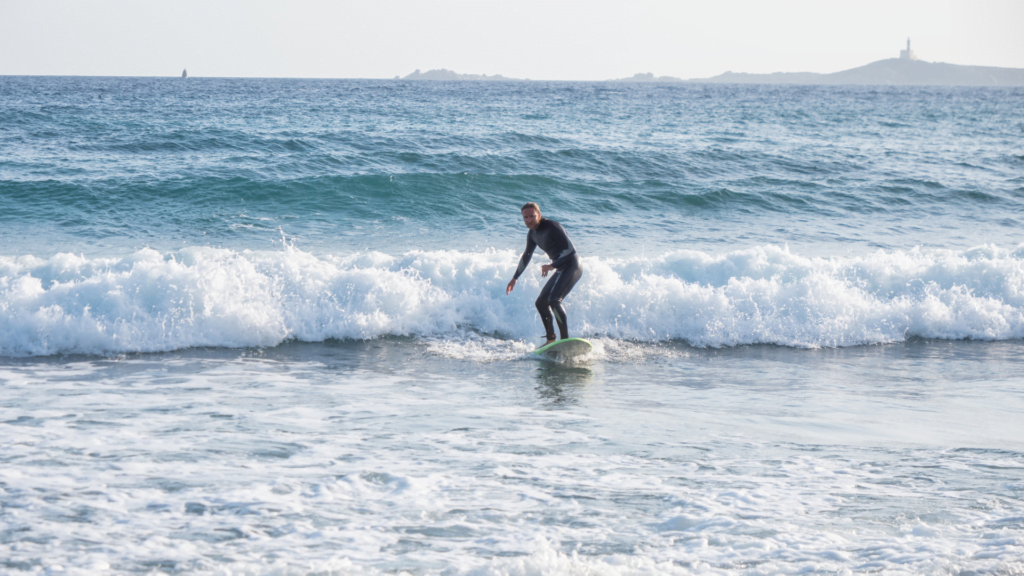
Sardinia is a serious destination for outdoor enthusiasts, not just beach visitors.
Hiking: the Selvaggio Blu is one of the hardest and most spectacular coastal treks in Europe: 40 kilometres along the Baunei coast, requiring rope work, route-finding skills, and 4-5 days minimum. For more accessible hiking, the Supramonte plateau, the Gennargentu mountains, and the Gorropu canyon are all within reach of a day trip from the east coast. Our best hikes in Sardinia guide covers options by difficulty level.
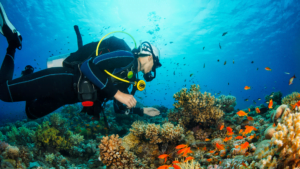
Water sports: Porto Pollo (between Palau and Santa Teresa Gallura) is one of the top kitesurfing spots in the Mediterranean, with a consistent Maestrale funnel effect. Surfing is best in autumn and winter on the west coast. Diving is exceptional around Villasimius, the Maddalena Archipelago, and the western reefs near Alghero.
Cycling: Ogliastra and the Barbagia interior offer serious mountain biking. The coast roads in September and October, once the summer traffic clears, are genuinely enjoyable on a road bike.
Book these activities in advance
Sardinia’s best tours sell out weeks ahead in summer. These are worth reserving early.
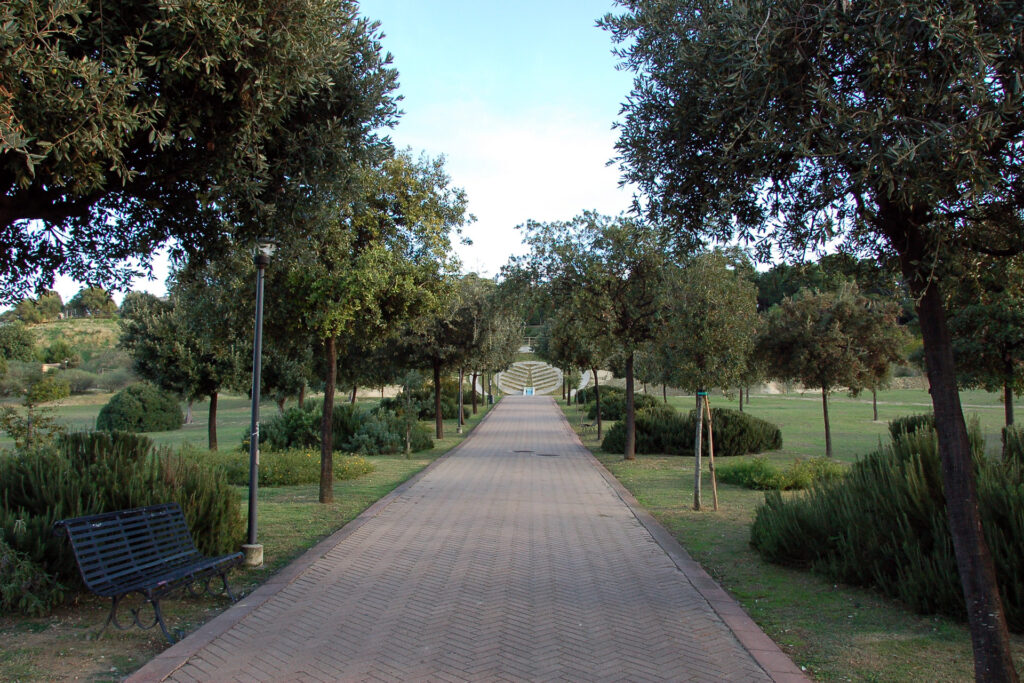
Gulf of Orosei: Small-Group Sailing Tour on the Dovesesto
A 23-metre motorsailer carrying 12 passengers departs daily at 10:15am from Cala Gonone and spends the day visiting Cala Luna, Cala Biriola, Le Piscine di Venere, Cala Mariolu, and Cala Goloritzé. The small group size makes all the difference at the beaches. Crew serves drinks, snacks, and ice cream on board; recent reviews (including verified August 2025 bookings) rate the crew as excellent. One of the most consistent Gulf of Orosei experiences available.
Book the Dovesesto sailing tour on GetYourGuide (small group, 12 passengers max)
Gulf of Orosei: Full-Day Motorboat Cruise from Cala Gonone
A larger motorboat option covering the main beaches of the Gulf: Cala Mariolu, Cala Luna, Cala Sisine, with a photo stop at Cala Goloritzé. Multiple departures from 7:30am. A more budget-friendly choice for families or those preferring a structured, larger-group format. The crew provides local commentary throughout the route.
Book the Gulf of Orosei motorboat cruise on GetYourGuide
La Maddalena Archipelago: Full-Day Sailboat Tour with Lunch
A full-day sailing tour from Palau visiting the main islands of the La Maddalena archipelago: Spargi, Budelli (famous pink beach, viewable from the water), Santa Maria, and stops for swimming. Includes a traditional Sardinian pasta lunch on board, soft drinks, and a bottle of wine per couple. Over 1,000 verified reviews on Viator. One of the most popular and consistently rated tours in northern Sardinia.
Book the La Maddalena sailboat tour on Viator (1,098 reviews)
Su Nuraxi di Barumini: Guided Tour from Cagliari
A guided tour to the UNESCO-listed nuraghe of Su Nuraxi, departing from Cagliari, with an English-speaking guide. The tour continues to the Casa Zapata museum and offers sweeping views over the Marmilla hills. Ideal for those based in the south who want context, not just a self-guided visit.
Book the Su Nuraxi tour from Cagliari on GetYourGuide
Barumini Nuraghe and Giara Park with Wine Tasting
A combined tour covering Su Nuraxi di Barumini and the Giara di Gesturi plateau, home to a small population of wild horses found nowhere else in Sardinia. The tour closes with a tasting of local Cannonau wine and Sardinian foods. One of the best single-day experiences on the island for history and nature combined.
Book the Barumini and Giara Park tour on GetYourGuide
Cagliari: Food and Wine Walking Tour
A 3-hour walking tour through Cagliari’s historic fishing district and Castello quarter, with stops for local raw-milk cheese, Sardinian cured meats, natural wine, sweets, and gelato. One of the most reviewed food experiences in Sardinia on Viator (435 reviews). Pickup from Cagliari hotels available.
Book the Cagliari food and wine walking tour on Viator
Cagliari: Full Meal Sardinian Food Tour
A full 3-hour guided food tour covering street food, fresh pasta, local market produce, and Sardinian pastries across four stops in central Cagliari. Different route and format from the wine-focused tour above. Well-suited for those who want a complete meal, not just tastings.
Book the Cagliari full meal food tour on Viator
Villasimius: Capo Carbonara Marine Park Snorkeling Tour
A guided boat and snorkeling tour inside the Marine Protected Area of Capo Carbonara, led by a qualified marine biologist. Covers the islands of Cavoli and Serpentara, with stops to snorkel over posidonia meadows, spot grouper, starfish, and the underwater Virgin Mary statue. One of the top-rated outdoor experiences in southern Sardinia.
Book the Villasimius Capo Carbonara snorkeling tour on GetYourGuide
For a broader overview of boat trips and sea excursions, our best boat tours in Sardinia guide covers options by area.
Where to stay in Sardinia: best areas by travel style
The where to stay in Sardinia question matters more here than in most destinations, because the island is large and the areas feel genuinely different. Choosing the wrong base can mean spending half your time driving.
Costa Smeralda (north-east): for premium beach-first travellers
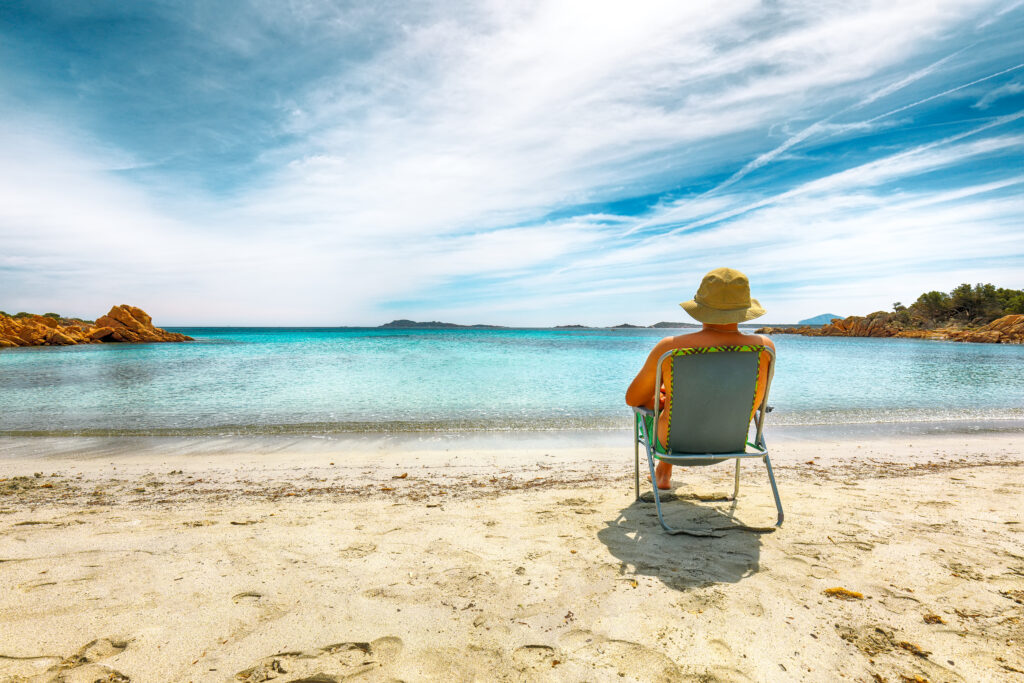
The Costa Smeralda is the obvious choice for those whose priority is premium beaches and boat trips. Porto Cervo is the hub, with a marina full of superyachts and luxury boutiques. The surrounding area (Baja Sardinia, Cannigione, San Pantaleo) is more relaxed and offers better value. La Maddalena day trips depart from Palau, about 30 minutes north.
Prices here are the highest on the island, especially in July and August. Book at least 3-4 months in advance for summer.
- Premium: Hotel Cala di Volpe – the most iconic hotel in Costa Smeralda, with a private beach and lagoon-style architecture dating from Aga Khan’s original 1960s development of the coast. Book on Booking.com
- Mid-range: Gabbiano Azzurro Hotel and Suites – a 4-star superior directly on the seafront of Golfo Aranci, with a private beach, pool, and views of Tavolara island. 20 minutes from Olbia airport and within easy reach of the Costa Smeralda beaches. Book on Booking.com
Alghero (north-west): for history and a slower pace
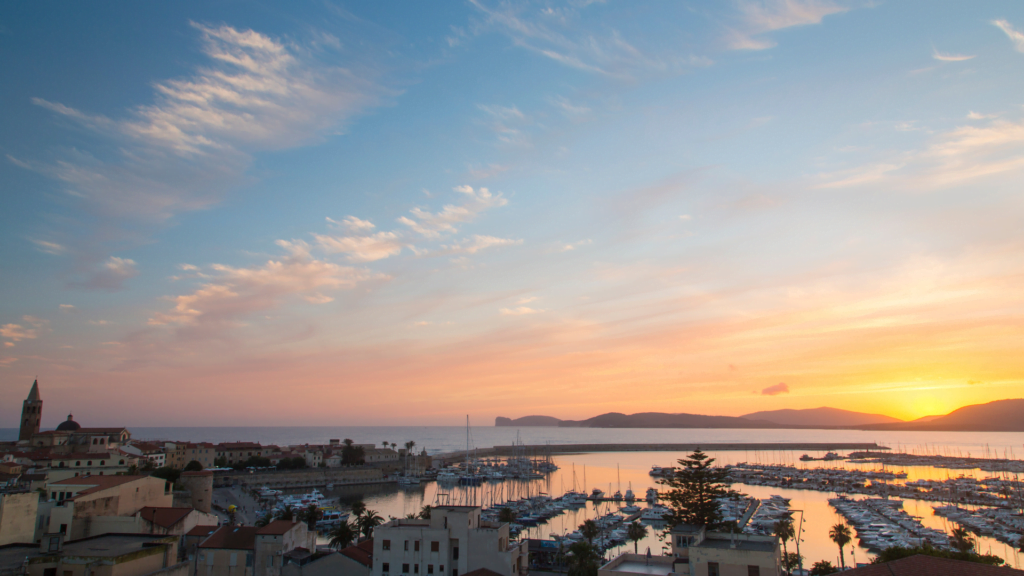
Alghero is the best base if you want a real city experience combined with beach access. The old town is walkable, the restaurants are good, and you can reach La Pelosa (45 minutes), the Grotta di Nettuno, the Asinara island, and the medieval town of Bosa from here. It also has its own airport, making logistics simple.
- Premium: Villa Las Tronas Hotel and Spa – a 19th-century royal residence converted into a hotel on a rocky promontory just outside the old town. The most atmospheric accommodation in Alghero, rated 9.3 on Trip.com. Book on Booking.com or on Trip.com
- Mid-range: Hotel Domomea – a well-regarded boutique hotel in the heart of Alghero’s historic centre, steps from the cathedral and the seafront. Practical, clean, and well-positioned for exploring on foot. Check availability on Booking.com
Cagliari and the south: for culture and quieter beaches
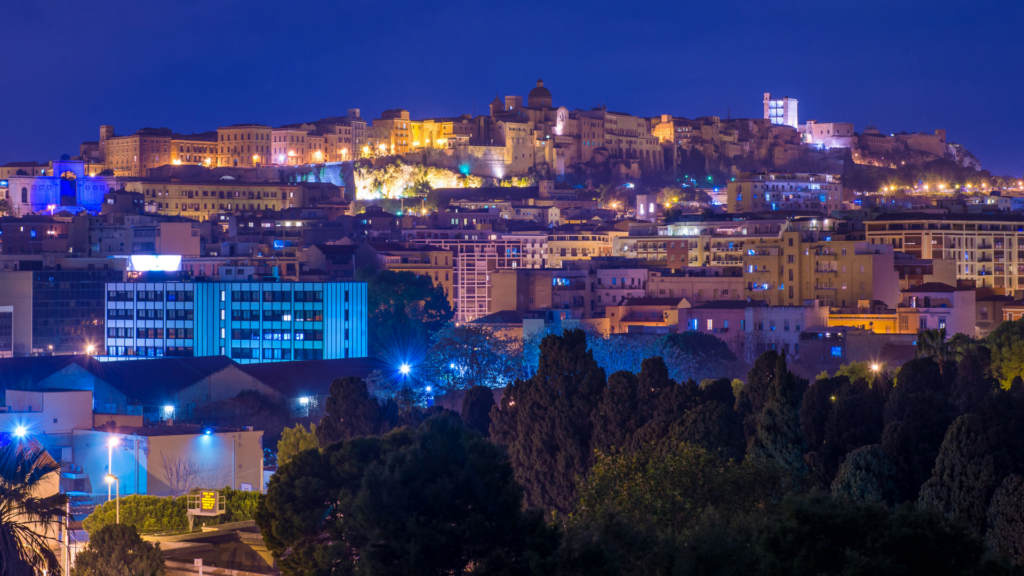
Cagliari is the right base for those who want a city with real infrastructure alongside beach access. Villasimius and the south coast (Chia, Pula, Santa Margherita) offer some of the best beaches on the island with a fraction of the northern crowds. The south also has Su Nuraxi, Tharros, and the Sulcis archaeological sites within day-trip distance.
- Luxury (resort style): Forte Village Resort – a self-contained beach resort complex near Pula with 21 restaurants, multiple pools, a spa, and direct beach access. One of the most comprehensive resort experiences in Italy. Book Il Castello (flagship building) on Booking.com
- Mid-range: Falkensteiner Resort Capo Boi – a well-run 4-star resort near Villasimius with a private beach and direct access to the Marine Protected Area of Capo Carbonara. Book on Booking.com
- Luxury (Villasimius area): Almar Timi Ama Resort and Spa – a 5-star thalassotherapy resort on the Villasimius peninsula. Book on Trip.com
Ogliastra and Baunei coast (east): for nature and raw beauty
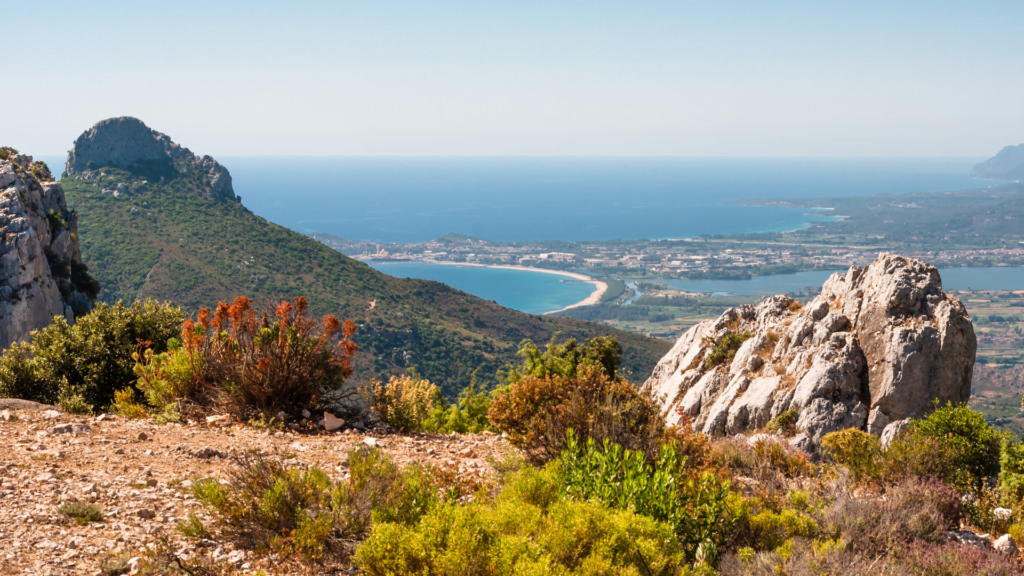
The east coast is the least developed and the most spectacular for natural scenery. Base yourself in Cala Gonone for boat access to the Gulf of Orosei, or in Arbatax for the Ogliastra beaches and the Gennargentu hiking trails. Further details in our Baunei guide and Gulf of Orosei guide.
- Resort option: Arbatax Park Resort – a village-style resort on the Ogliastra coast with multiple accommodation types and direct beach access. Book on Booking.com
- Mid-range: Hotel Brancamaria – a highly rated 3-star at the entrance of Cala Gonone, with a pool, sea views, and easy access to the Gulf of Orosei boat departures (rated 8.7 on Booking.com). Book on Booking.com
Oristano (west coast): for authenticity without the crowds
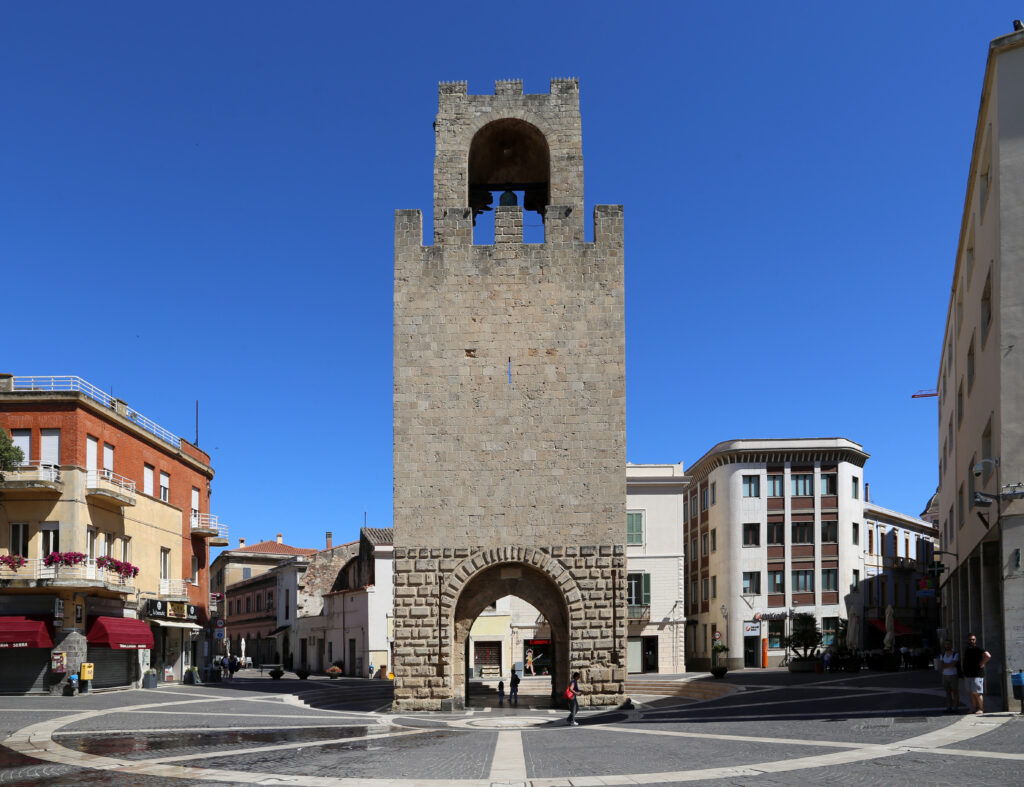
Oristano is where Sardinia feels most like itself: a working agricultural city with a historic centre, nearby lagoons with flamingos, the Tharros peninsula, and beaches like Is Arutas (quartz-grain sand, unique in Italy) and Mari Ermi. Tourism infrastructure is lower than the north, and that is a feature, not a bug.
For a full breakdown by area, see our guides for northern Sardinia and southern Sardinia.
Getting around Sardinia once you’re there
Public transport: what works and what does not
Sardinia has a functional regional bus network (ARST) and a limited rail service (Trenitalia). The rail lines connect Cagliari to Sassari via Oristano and to Olbia via Macomer, but they are slow and infrequent. The scenic narrow-gauge Trenino Verde runs through the interior in summer as a tourist attraction, not a practical transport option.
For inter-city travel, the ARST buses are more frequent than trains and cover more ground. The Cagliari-Sassari route takes about 3 hours by bus. Cagliari-Nuoro is about 2.5 hours.
For getting to beaches, public transport fails almost completely outside Cagliari and Alghero. The Poetto beach in Cagliari is served by city bus year-round. Several beaches near Alghero are accessible by seasonal shuttle. Beyond those exceptions, reaching Sardinia’s beaches without a car means relying on expensive taxis or tour transfers.
La Maddalena has its own internal bus service on the main island, and a frequent car ferry connects it to Palau (10 minutes, departures every 30-60 minutes in summer). You do not need a car on the island itself.
Navigating rural areas and small towns
Download offline maps before you leave. Phone signal drops significantly in the Barbagia interior, along parts of the Baunei coast, and in the Supramonte highlands. Google Maps offline mode saves real problems.
A few road practicalities:
- SP roads (Strade Provinciali) are often narrow and winding in the mountains. Drive slowly. Passing points exist but require awareness.
- Parcheggio a pagamento (paid parking) is now common near popular beaches. Bring coins or a card. Parking enforcement runs from approximately 8am to 8pm in summer.
- ZTL zones (Limited Traffic Zones) apply in the historic centres of Alghero, Cagliari (Castello), and some other towns. Respect them: fines are processed automatically by cameras and can arrive months later.
- Speed cameras are active on the main SS roads and increasingly on secondary routes. Limits are 90 km/h on regional roads and 50 km/h in towns.
Local culture, food and traditions
Sardinian cuisine and dining tips
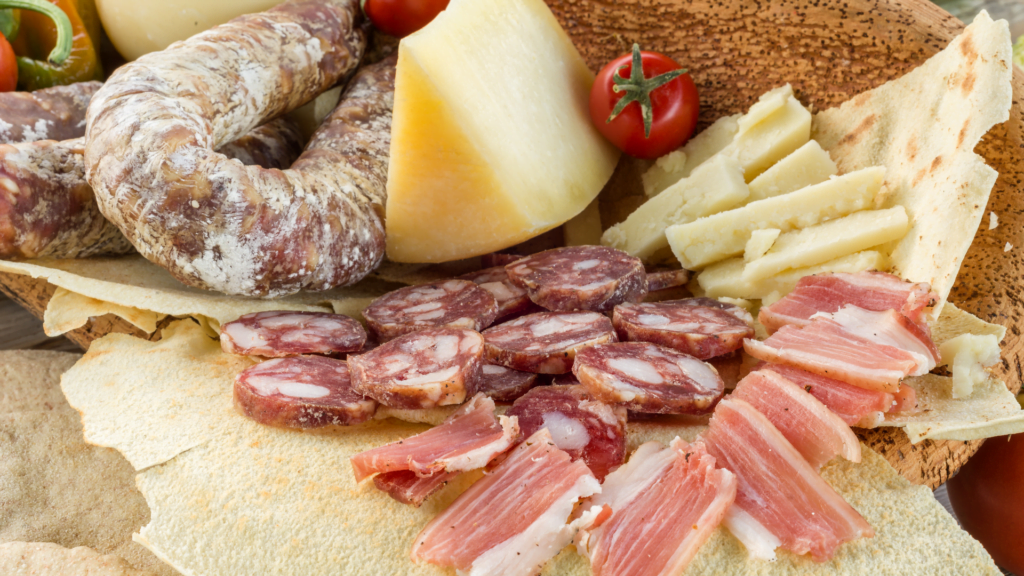
Sardinian food deserves separate attention from Italian food, because it really is a distinct tradition. A few things to understand before you sit down at a restaurant.
The dishes to seek out:
- Porcetto arrosto: spit-roasted suckling pig, the centrepiece of any serious Sardinian celebration. Best at an agriturismo, never at a tourist restaurant near a beach.
- Culurgiones: pasta parcels from Ogliastra, filled with potato, pecorino, and mint, sealed with a distinctive braided edge. One of the most technically demanding pastas in Italy.
- Fregola: a toasted semolina pasta with a nutty flavour, typically served with clams (fregola alle vongole) or in fish broth.
- Pane carasau: crisp flatbread, paper-thin, that keeps for weeks. Every table gets it.
- Cannonau: Sardinia’s most important red wine grape, genetically related to Grenache, producing deep, tannic reds. The Nuoro and Ogliastra zones make the most structured versions.
- Mirto: the island’s signature digestif, made from myrtle berries. Dark purple, intensely aromatic.
For a full overview of what to eat and where, see our Sardinian food guide.
Dining practical tips:
- Lunch runs 12:30-14:30. Dinner rarely before 8pm. Showing up at 7pm will earn you an empty restaurant.
- Agriturismi outside towns are reservation-only and often serve a fixed multi-course menu. Book at least a few days ahead in summer; popular ones book weeks out.
- The tourist restaurants along waterfronts serve recognisable but mediocre food. Walk one or two streets back and the quality improves immediately.
Festivals and cultural events
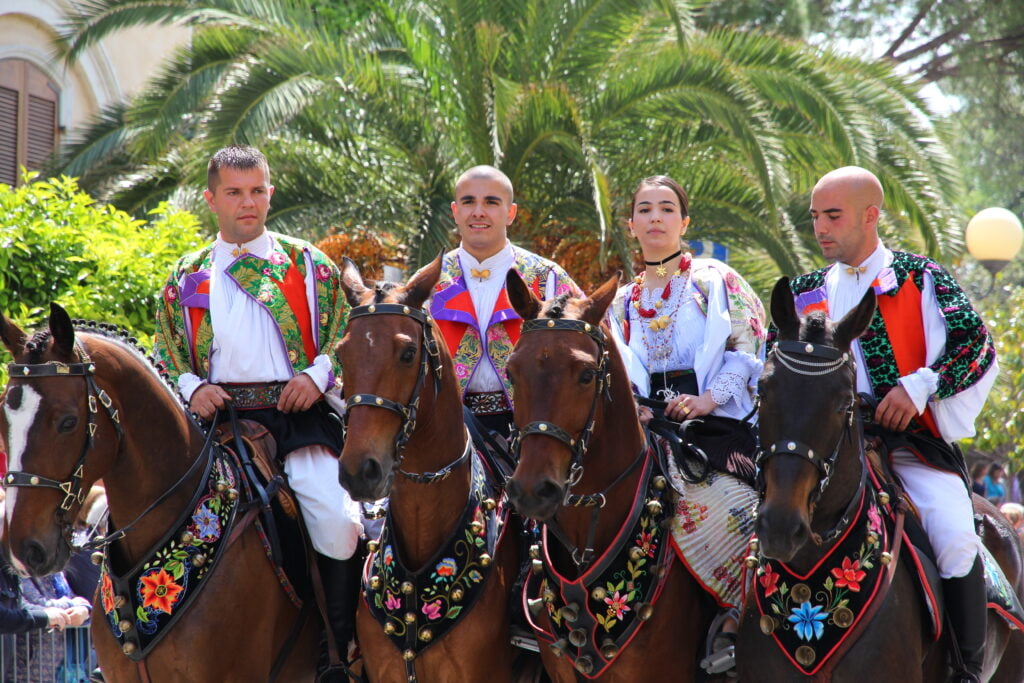
Sardinia has some of the most distinctive festivals in Italy, many with pre-Roman roots.
- Sant’Efisio (Cagliari, 1-4 May): the largest religious procession in Sardinia. Thousands of participants in traditional costume accompany the statue of Sant’Efisio from Cagliari cathedral to Nora and back.
- Cavalcata Sarda (Sassari, mid-May): a parade of traditional costumes and horse-riding from communities across Sardinia.
- Sagra del Redentore (Nuoro, last Sunday of August): a gathering of costume groups from across the island in traditional dress.
- Mamoiada and the Mamuthones (January-February): the ancient carnival of Mamoiada features masked figures in sheepskin with heavy cowbells, whose origins predate recorded history.
For a complete events calendar, see our culture and traditions guide.
Practical tips for traveling to Sardinia
Budgeting for your trip
Sardinia is not a budget destination in summer, but it is significantly cheaper than comparable Mediterranean islands (Ibiza, Mykonos, Capri). The costs below are indicative ranges:
| Category | Budget option | Mid-range | Premium |
|---|---|---|---|
| Accommodation (per room/night) | €70-100 (B&B, agriturismo) | €120-300 (4-star hotel) | €400-700+ (resort, Costa Smeralda) |
| Dinner for two (with wine) | €40-70 (trattoria, inland) | €80-150 (restaurant, coastal) | €150+ (fine dining) |
| Boat tour (per person) | €30-100 (large group tour) | €60-150 (small group) | €300+ (private) |
| Car rental (per day, mid-size) | €35-55 (low season) | €55-90 (June, Sept) | €120-200+ (August peak) |
| Beach parking | €2-5/h (most beaches) | €8-15/day (popular beaches) | Free (off-season) |
| Petrol (approx.) | €1.75-2 /litre (unleaded) | same | same |
| Agriturismo dinner (per person) | €25-45 (fixed menu) | €35-55 (with wine pairing) | varies |
Practical note: shoulder season (May-June and September-October) cuts accommodation and car rental costs by 30-50% and makes the island dramatically more pleasant. A couple spending 10 days in September, renting a car, staying in 3-4 star hotels and eating mostly at local restaurants, should budget €250-350 per day total including accommodation.
Health and safety tips
Is Sardinia safe? Yes. Sardinia has very low rates of violent crime and is considered one of the safest regions in Italy for tourists. Petty theft in tourist areas exists but is not rampant. The standard precautions apply: don’t leave valuables visible in parked cars, and use a money belt in very crowded areas.
Practical health points:
- Tap water is safe to drink throughout the island. The local water quality is generally good.
- Jellyfish appear along many coasts from July, particularly after Scirocco winds from the south. The common species (Pelagia noctiluca) cause a painful but not dangerous sting.
- Sun protection is non-negotiable. The Sardinian summer sun is intense, especially on white-sand beaches that reflect UV. Factor 50 is not an overreaction.
- Medical care: Cagliari and Sassari have full hospitals. Smaller towns have local medical clinics (Guardia Medica). The European Health Insurance Card (EHIC) covers EU citizens. Non-EU visitors should ensure they have travel insurance with medical coverage.
- Emergency number: 112.
Day trips and itineraries
One-week itinerary
Seven days is enough to experience two or three distinct areas. This route focuses on the north-west and north-east, the two most accessible regions for first-time visitors arriving at Olbia or Alghero.
Days 1-2: Alghero base. Explore the old town, walk the ramparts at sunset, take a boat or walk the stairs down to Neptune’s Grotto. Day 2: drive to La Pelosa (reservation required in summer), stopping at Stintino for lunch.
Days 3-4: Drive to Costa Smeralda. Stop at Nuraghe La Prisgiona near Arzachena on the way. Spend two days exploring the Costa Smeralda beaches and the inland village of San Pantaleo.
Day 5: La Maddalena archipelago. Full-day boat trip from Palau. Book in advance.
Days 6-7: East coast extension. Drive down to Cala Gonone for a Gulf of Orosei boat tour. Alternatively, return to Alghero for a day trip to Bosa.
Two-week itinerary
Two weeks allows a genuine circuit of the island.
Days 1-3: North-west (Alghero base). La Pelosa, Neptune’s Grotto, Bosa day trip, Asinara island excursion.
Days 4-6: North-east (Costa Smeralda and Gallura). Beach hopping, La Maddalena day trip, Arzachena for the archaeological sites.
Days 7-9: East coast (Ogliastra and Baunei). Gulf of Orosei boat tour, Cala Goloritzé, Cala Luna, Cala Mariolu. Consider a night at a mountain property near Orgosolo or Oliena.
Days 10-11: South (Cagliari base). Cagliari city, Su Nuraxi di Barumini day trip, Giara di Gesturi and the wild horses.
Days 12-14: South-east coast and west. Villasimius and Capo Carbonara, Costa Rei, Tharros and Oristano on the way back north.
Popular day trips from major cities
From Cagliari
- Su Nuraxi di Barumini (60 km north): the UNESCO nuraghe. Half-day. Combine with the Giara di Gesturi for a full day.
- Villasimius and Capo Carbonara (50 km east): excellent beaches and the marine protected area. Full day.
- Chia and the south-west beaches (65 km): Chia, Su Giudeu, and the Laguna di Nora flamingo lagoon. See our Pula guide.
- Nora archaeological site (35 km): Phoenician-Roman city on the coast, partially underwater. Half-day. See our Nora guide.
From Alghero
- La Pelosa and Stintino (45 km north): the famous beach plus the village. Full morning.
- Grotta di Nettuno (25 km north): boat or cliff staircase. Half-day.
- Bosa (50 km south): colourful river town with a Norman castle. Half-day or full day.
- Asinara island: ferry from Porto Torres or Stintino. Full-day excursion. See our Asinara guide.
From Olbia
- La Maddalena archipelago: full-day boat trip from Palau (45 min drive). See our La Maddalena guide.
- San Teodoro and Cala Brandinchi (35 km south): excellent beaches on the north-east coast. See our San Teodoro guide.
- Tavolara island (25 km south-east): a limestone monolith rising 564 metres from the sea. See our Tavolara guide.
Combining beach and culture in one day
The most efficient formula: arrive at the beach by 8:30-9am before the crowds build, spend the morning on the water, eat lunch in a nearby village rather than on the beach, then visit an archaeological site or a town in the cooler afternoon. Su Nuraxi and Villasimius, for example, are 50 kilometres apart. A morning at Villasimius and an afternoon at Barumini is a genuinely good full day.
The local perspective: what Sardinians think
What the postcards don’t tell you about the beaches
The beaches in the north (La Pelosa, Costa Smeralda) look spectacular in photographs because they are. But the Maestrale changes everything when it blows. La Pelosa, facing north-west, becomes rough and choppy when the Maestrale kicks in. It can happen for 3-4 consecutive days, particularly in June and September. The east coast beaches (Gulf of Orosei, Villasimius) are far more sheltered. If you want a reliable beach holiday with minimal wind interruption, base yourself on the east or south coast rather than the north.
August is when Sardinians themselves retreat. The island has about 1.6 million residents. In August, it receives over 3 million tourists. The ratio is felt everywhere: at the beaches, on the roads, at the supermarkets. The experience is real and beautiful, but it is not the quiet Mediterranean escape the photographs suggest. Anyone with flexibility should choose June or September.
Distances that surprise visitors
The island is larger than most people expect from a map. From Cagliari to Alghero is approximately 230 kilometres by road and takes 2 hours 30 minutes on a good day. From Olbia to Cagliari is about 270 kilometres and 3 hours. This matters for planning: a one-week trip that tries to cover the whole island ends up spending most of its time driving. Better to choose two regions and do them properly.
Parking at La Pelosa fills by 9am in peak season. Cala Brandinchi has an advance reservation system precisely because the access road became unmanageable. Arriving early is not optional at the island’s most famous beaches. It is the difference between a good day and a frustrating one.
The cost advantage over other Mediterranean destinations
Sardinia is meaningfully cheaper than Ibiza, Mykonos, or the Amalfi Coast for equivalent quality. A meal that would cost €80 per person on Capri costs €35-45 here. Resort accommodation at comparable quality runs 30-40% less than Formentera. This does not mean Sardinia is cheap, particularly in August, but it represents genuine value relative to its Mediterranean competitors at the premium end.
FAQ about traveling to Sardinia
Is Sardinia worth visiting?
Yes, without hesitation. Sardinia offers a combination that is hard to find elsewhere in Europe: some of the continent’s most beautiful beaches, a prehistoric civilisation with thousands of surviving monuments, genuine regional food and wine culture, and landscapes that range from coastal cliffs to mountain plateaus. It rewards those who go beyond the well-known north.
When is the best time to travel to Sardinia?
September is the local consensus best month: warm sea, far fewer crowds than July-August, lower prices, and the best light of the year. June is the best option for those with families tied to school holidays. May is excellent for hiking, sightseeing, and culture. Avoid August unless you have no other option.
Do I need a car in Sardinia?
For most itineraries, yes. The exception is a trip entirely based in Cagliari city or Alghero city. Any plan involving beaches beyond walking distance, inland archaeological sites, or multiple regions requires a car. Public transport is too slow and infrequent for tourist use outside the main cities.
How do you get to Sardinia from mainland Italy?
By flight (Cagliari, Olbia, or Alghero airports) or by ferry (from Civitavecchia, Genova, Livorno, Napoli, or Palermo). Overnight ferries are comfortable and let you bring your own car. See our complete how to get to Sardinia guide.
Is Sardinia expensive to visit?
It is not cheap, particularly in July and August in the north. Mid-range accommodation runs €120-200 per room per night in peak season, and car rental peaks at €100+ per day in August. In shoulder season (May-June, September-October), the same trip costs 30-50% less. Compared to Ibiza or Mykonos at equivalent quality, Sardinia is considerably better value.
Is Sardinia safe for tourists?
Very safe. It has very low rates of violent crime and is one of the safest regions in Italy. Standard travel precautions apply (don’t leave valuables in cars, watch your bag in crowded areas), but there is nothing specific to Sardinia that requires special concern. The emergency number is 112.
How many days do you need in Sardinia?
Ten days is the realistic minimum to experience two or three different areas without spending most of your time driving. A week is enough for a single region done properly. Two weeks allows a proper circuit of the island. A long weekend in Cagliari or Alghero is also entirely satisfying for a focused city-and-beach trip.
What is the best area to stay in Sardinia for a first-timer?
It depends on your priority. For beaches and boat trips: Costa Smeralda or northern Sardinia. For history and a mix of city and beach: Cagliari and the south. For a relaxed, historic base with good day-trip options: Alghero. For dramatic wild coastline with fewer crowds: the east coast (Ogliastra, Baunei). Our best beach resorts guide covers the resort options by area.
Sources and references
- Regione Sardegna, Assessorato del Turismo: official tourism statistics and visitor data. sardegnaturismo.it
- UNESCO World Heritage Centre: Su Nuraxi di Barumini inscription and documentation. whc.unesco.org
- Fondazione Barumini Sistema Cultura: Su Nuraxi visiting information. barumini.it
- Comune di Stintino: La Pelosa beach reservation and access system. comune.stintino.ss.it
- ARST Sardegna: regional bus and transport timetables. arstspa.it
- Trenitalia: rail services in Sardinia. trenitalia.com
- Tirrenia, Moby Lines, GNV, Grimaldi Lines: ferry routes and schedules
- Corallium Rubrum Consortium: sustainable coral harvesting certification, Alghero
- Wikipedia contributors: Selvaggio Blu (route data, elevation profile)
- Windfinder: wind and sea forecast reference for Gulf of Orosei and La Maddalena
- ISTAT: population data, Regione Sardegna